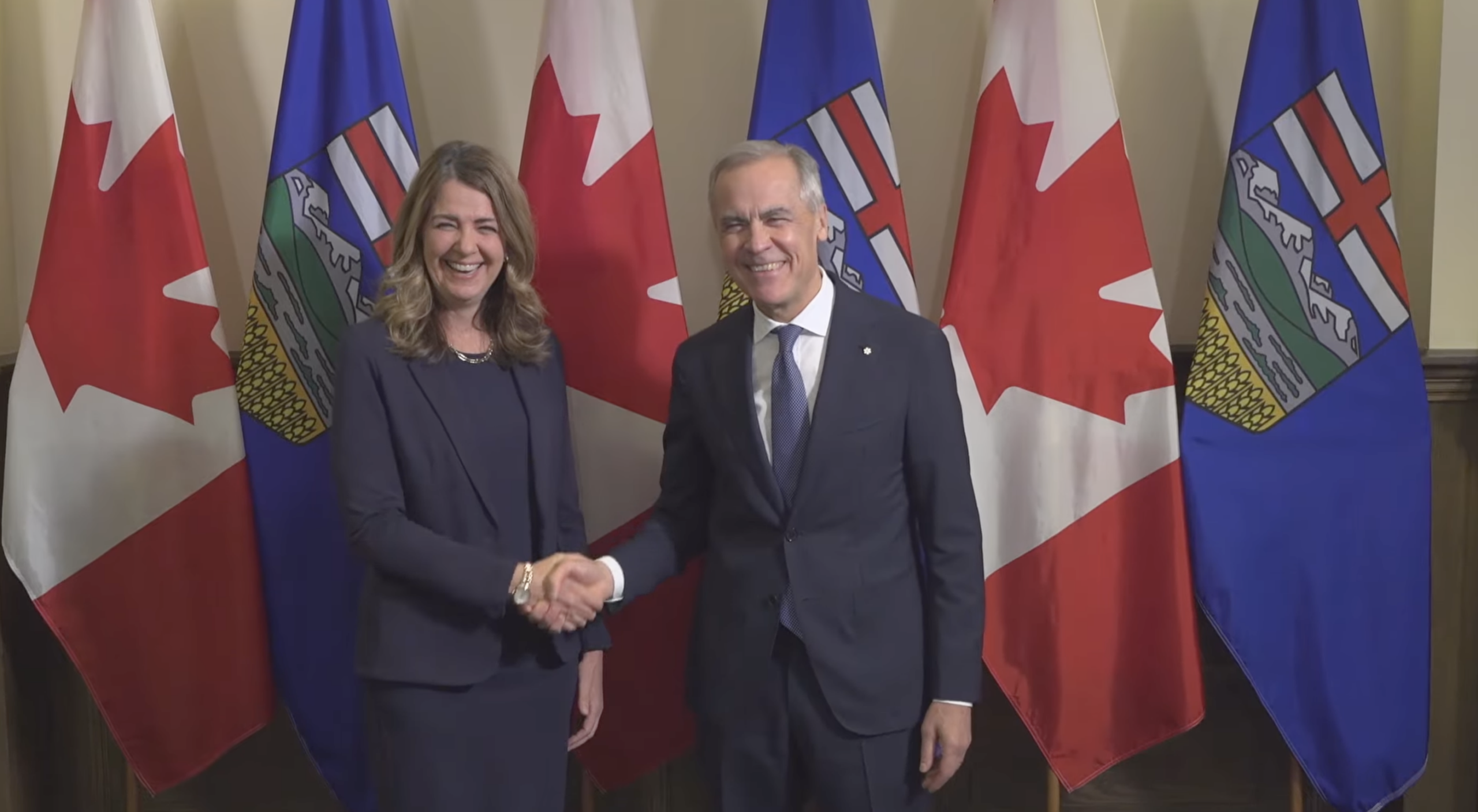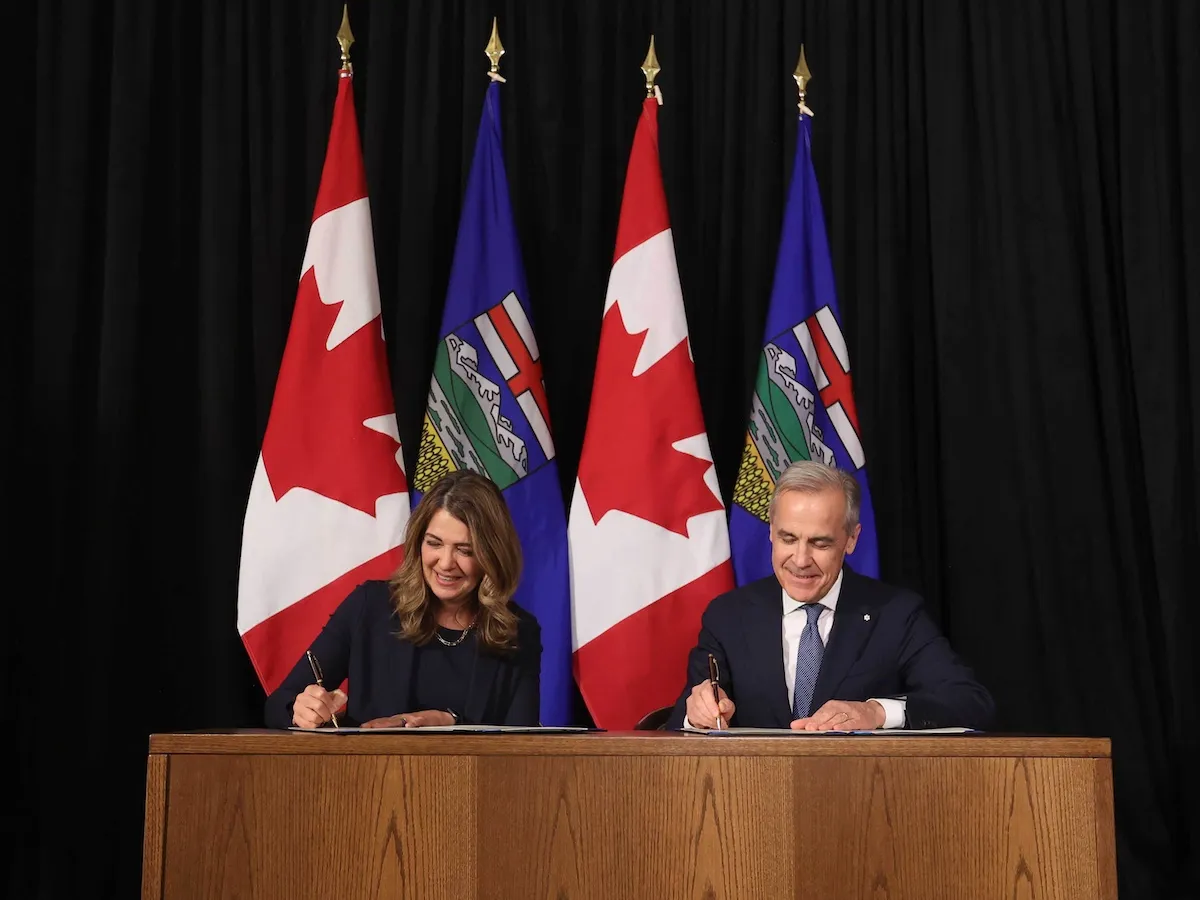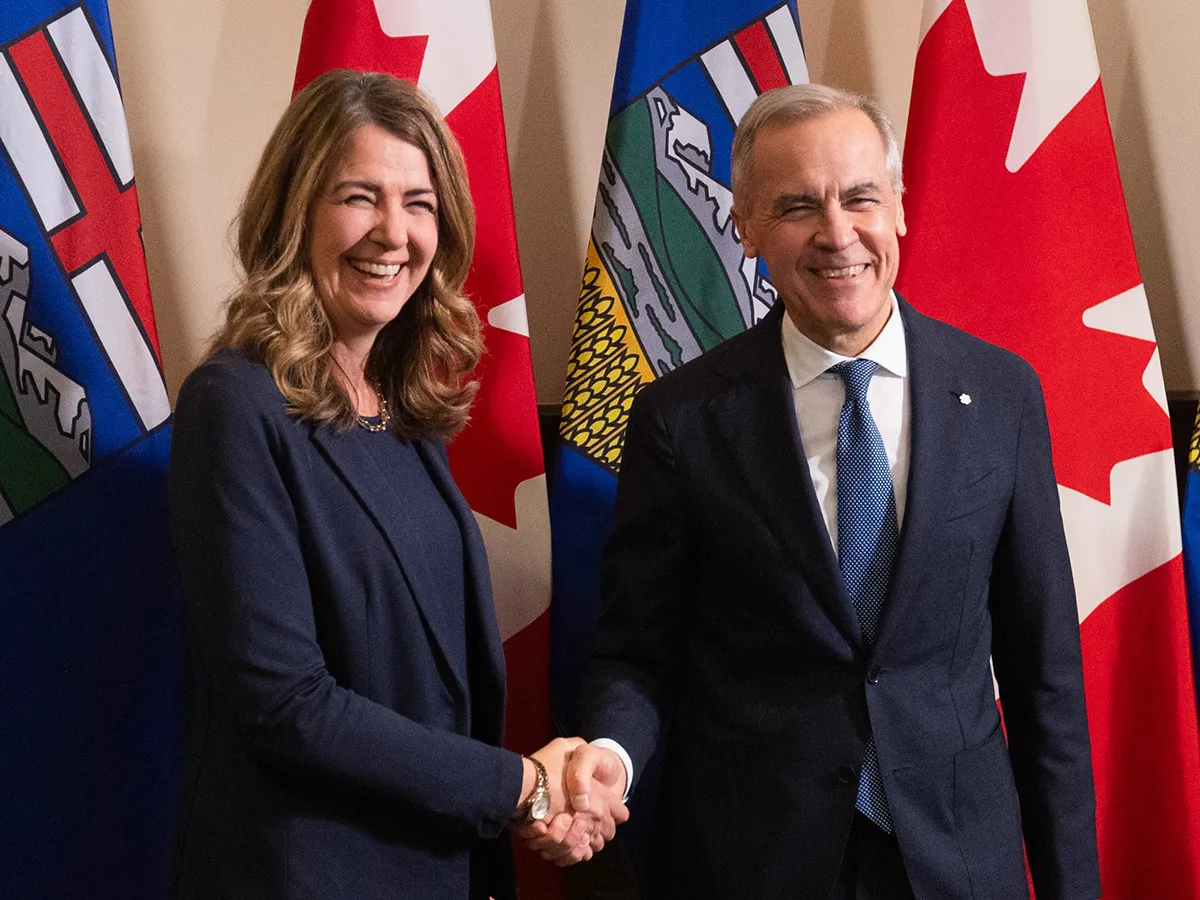
Skip to Content Subscribe Our Offers My Account Manage My Subscriptions FAQ Newsletters Canada Canadian True Crime Canadian Politics Health World Israel & Middle East Financial Post NP Comment Longreads Puzzmo Diversions Comics NP News Quiz New York Times Crossword Horoscopes Life Eating & Drinking Style Sponsored Play for Ontario Travel Travel Canada Travel USA Travel International Cruises Travel Essentials Culture Books Celebrity Movies Music Theatre Television Business Essentials Advice Lives Told Tails Told Shopping Buy Canadian Home Living Outdoor Living Tech Style & Beauty Kitchen & Dining Personal Care Entertainment & Hobbies Gift Guide Travel Guide Deals Savings National Post Store More Sports Hockey Baseball Basketball Football Soccer Golf Tennis Driving Vehicle Research Reviews News Gear Guide Obituaries Place an Obituary Place an In Memoriam Classifieds Place an Ad Celebrations Working Business Ads Archives Healthing Epaper Manage Print Subscription Profile Settings My Subscriptions Saved Articles My Offers Newsletters Customer Service FAQ Newsletters Canada World Financial Post NP Comment Longreads Puzzmo Diversions Life Shopping Epaper Manage Print Subscription HomeNewsCanadaCanadian PoliticsThe $600M cost of Danielle Smith’s carbon deal with OttawaBoth Albertan and Canadian taxpayers are on the hook for propping up Alberta’s promise to enforce a more stringent carbon regimeLast updated 5 hours ago You can save this article by registering for free here. Or sign-in if you have an account.Alberta Premier Danielle Smith and Prime Minister Mark Carney shake hands before signing an agreement on oil pipeline approvals and carbon pricing, in Calgary on Friday, May 15, 2026. Photo by Brent Calver/PostmediaAlberta Premier Danielle Smith on Friday was quick to tout the potential economic benefits of her latest pipeline deal with Prime Minister Mark Carney. Beneath those headline claims, however, is a much less visible $600-million cost.Enjoy the latest local, national and international news.Exclusive articles by Conrad Black, Barbara Kay and others. Plus, special edition NP Platformed and First Reading newsletters and virtual events.Unlimited online access to National Post.National Post ePaper, an electronic replica of the print edition to view on any device, share and comment on.Daily puzzles including the New York Times Crossword.Support local journalism.Enjoy the latest local, national and international news.Exclusive articles by Conrad Black, Barbara Kay and others. Plus, special edition NP Platformed and First Reading newsletters and virtual events.Unlimited online access to National Post.National Post ePaper, an electronic replica of the print edition to view on any device, share and comment on.Daily puzzles including the New York Times Crossword.Support local journalism.Create an account or sign in to continue with your reading experience.Access articles from across Canada with one account.Share your thoughts and join the conversation in the comments.Enjoy additional articles per month.Get email updates from your favourite authors.Create an account or sign in to continue with your reading experience.Access articles from across Canada with one accountShare your thoughts and join the conversation in the commentsEnjoy additional articles per monthGet email updates from your favourite authorsSign In or Create an AccountorAt least, that’s how much Alberta taxpayers could be asked to pay in order to prop up Smith’s new memorandum of understanding (MOU) with Ottawa that, among other things, promises to ratchet up carbon taxes to $130 per tonne by 2040. Under Friday’s agreement, Alberta and the feds promised to spend up to $1.2 billion toward that end, splitting the cost equally between both parties.The expense underscores the cost Smith seems prepared to shoulder in order to finalize her MOU with Carney, which is widely viewed as a landmark effort to repair the fractured energy relationship between Alberta and the feds.First outlined in November 2025, the MOU includes a long list of energy policies and infrastructure investments aimed at finally unleashing Alberta’s natural resources and turning Canada into an energy superpower. At the core of the deal, Alberta has agreed to hike industrial carbon taxes to $130 per tonne and facilitate the construction of a $20-billion carbon capture and storage project. In exchange, Carney has said he would support the construction of a new oil pipeline to the West Coast.Observers have long wondered who would cover the cost of the stricter carbon regime, particularly given that the province’s oilsands industry has increasingly claimed that higher carbon taxes would make it uncompetitive with other producers.And while Friday’s deal will force large emitters like oilsands facilities and petrochemical plants to pay higher carbon taxes, the province is also now promising to spend up to $600 million to soften the blow.Alberta has forced large companies to pay industrial carbon taxes since 2007. Today, the province administers those taxes under its Technology Innovation and Emissions Reduction (TIER) regulatory system. Within TIER, companies are also eligible to acquire carbon credits on a per-tonne basis in exchange for meeting certain CO2 emissions reductions targets. They can buy and sell those credits as needed.While carbon credits are designed to be roughly equivalent to the rate of carbon taxes, low environmental standards under TIER have led to a prolonged oversupply of those credits, driving down their value in recent years. Currently, TIER carbon credits are trading at around $40 per tonne, far below the $95-per-tonne carbon tax rate.To fill the gap — or, to ensure that heavy emitting companies receive a higher price for the carbon credits they accrue — the provincial and federal governments will simply pay the difference, up to a maximum cap of $1.2 billion, or 75 megatonnes worth. Those payments will come in the form of financial instruments called carbon contracts for difference (CCFDs), according to Friday’s agreement.Dave Sawyer, an economist at the Canadian Climate Institute, said costs are likely to fall on public coffers due to the structure of Friday’s agreement.“The way they’ve designed this thing, there’s a higher risk that taxpayers will be on the hook,” he said.That’s largely because of a part of carbon policy known as “stringency,” which sets the terms of the CO2 targets companies have to meet under TIER. Under Friday’s agreement, the rate at which stringency rates, or the proportion of emissions that are subject to carbon taxes, expand each year was cut from four per cent down to two per cent.According to Sawyer, that lower stringency means that more companies will likely be acquiring credits rather than buying them from the TIER market, which could further push down credit values and force the government to pay more to maintain its stated floor price.In Friday’s agreement, the two parties agreed to maintain a carbon credit floor price of $60 per tonne by 2030, ramping up to $110 per tonne by 2040.Carney has long been a supporter of the theory behind carbon markets, which aims to ascribe value to CO2 that in fact holds no real-world value.Contracts for difference are viewed by some policymakers as a necessary cost toward trying to establish carbon trading markets which, the theory goes, can help create a financial incentive for companies to reduce emissions. Under such a system, companies are rewarded with a guaranteed carbon credit value for the CO2 emissions they cut from their operations, thus giving them reason to invest in decarbonization technology.Our website is the place for the latest breaking news, exclusive scoops, longreads and provocative commentary. Please bookmark nationalpost.com and sign up for our newsletters here. Join the Conversation This website uses cookies to personalize your content (including ads), and allows us to analyze our traffic. Read more about cookies here. By continuing to use our site, you agree to our Terms of Use and Privacy Policy.
The $600M cost of Danielle Smith’s carbon deal with Ottawa
Both Albertan and Canadian taxpayers are on the hook for propping up Alberta’s promise to enforce a more stringent carbon regime.
1,232 words~6 min read