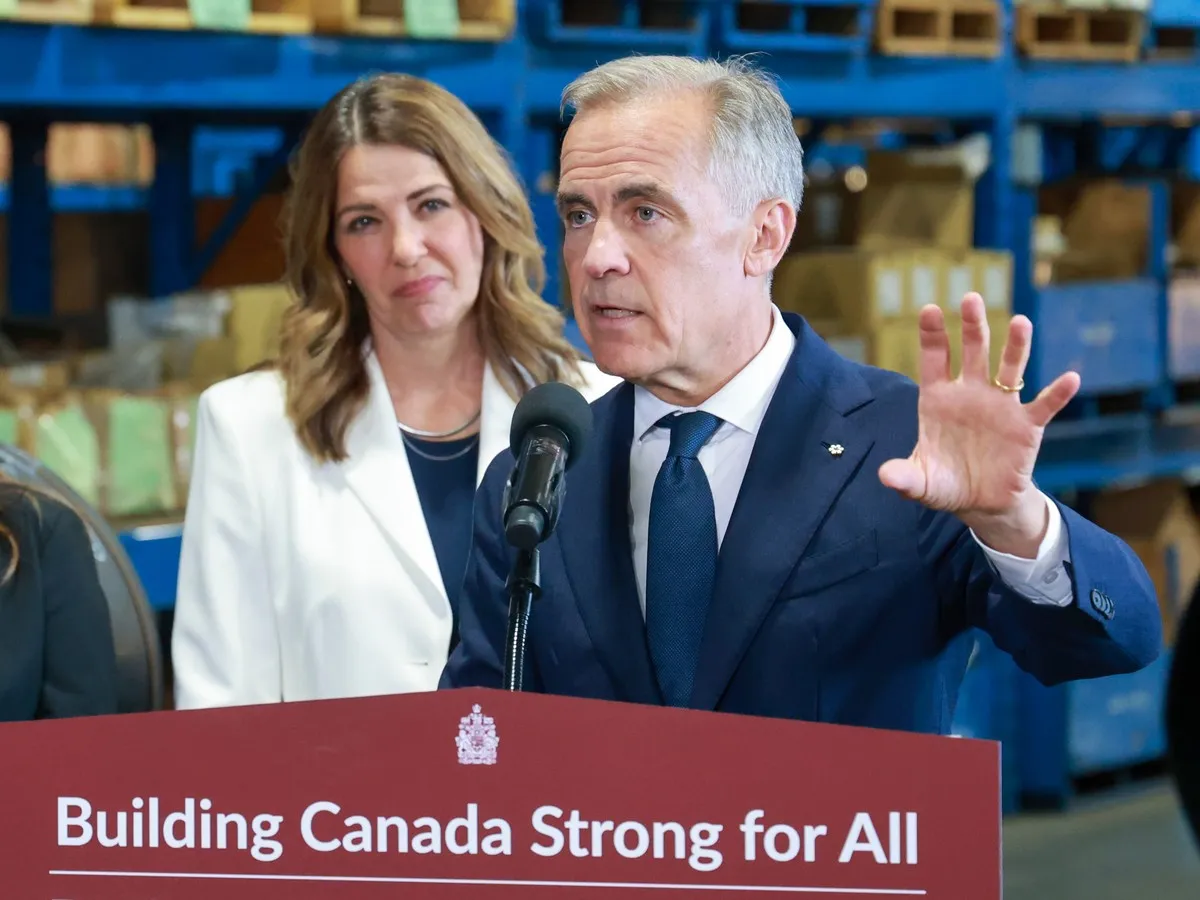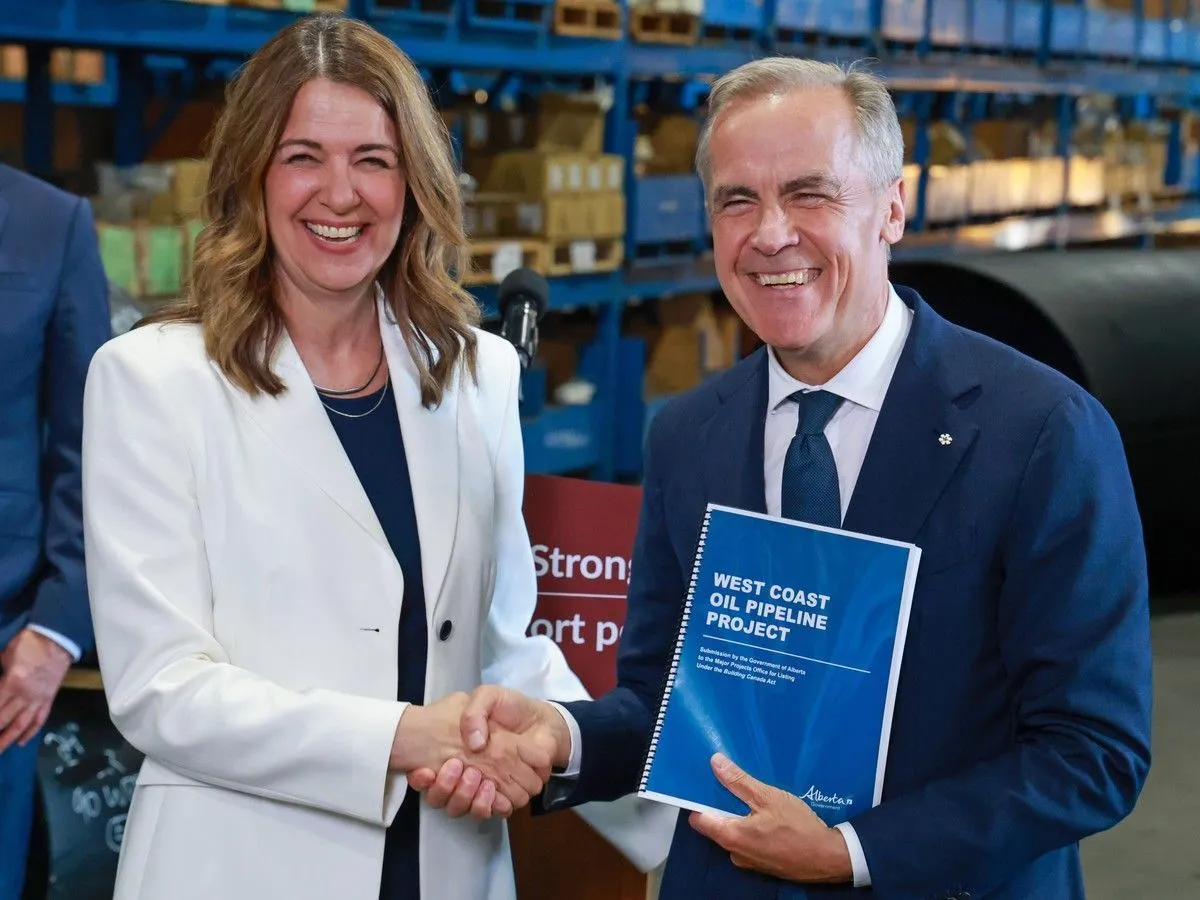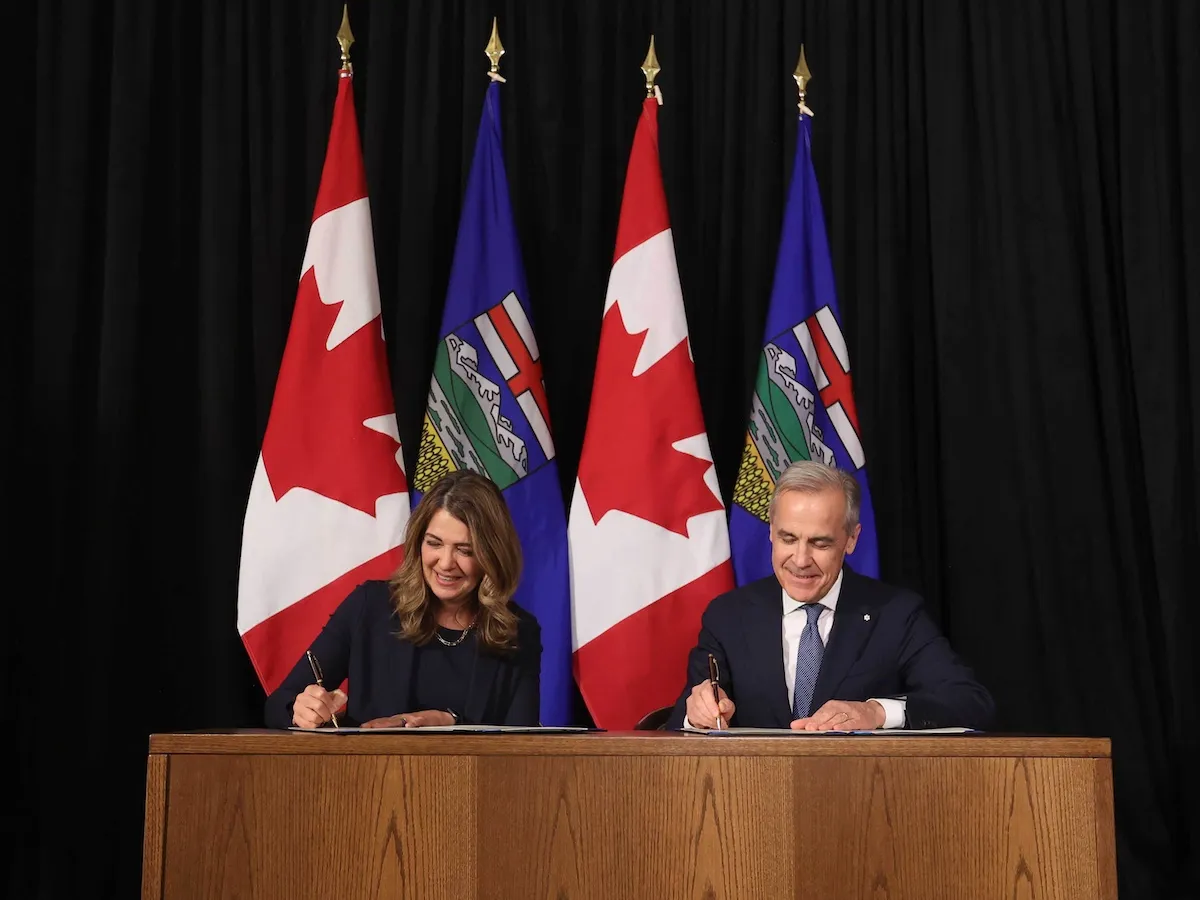
Skip to Content Subscribe Our Offers My Account Manage My Subscriptions FAQ Newsletters Canada Canadian True Crime Canadian Politics Health World Israel & Middle East Financial Post NP Comment Longreads Puzzmo Diversions Comics NP News Quiz New York Times Crossword Horoscopes Life Eating & Drinking Style Sponsored Play for Ontario Travel Travel Canada Travel USA Travel International Cruises Travel Essentials Culture Books Celebrity Movies Music Theatre Television Business Essentials Advice Lives Told Tails Told Shopping Buy Canadian Home Living Outdoor Living Tech Style & Beauty Kitchen & Dining Personal Care Entertainment & Hobbies Gift Guide Travel Guide Deals Savings National Post Store More Sports Hockey Baseball Basketball Football Soccer Golf Tennis Driving Vehicle Research Reviews News Gear Guide Obituaries Place an Obituary Place an In Memoriam Classifieds Place an Ad Celebrations Working Business Ads Archives Healthing Epaper Manage Print Subscription Profile Settings My Subscriptions Saved Articles My Offers Newsletters Customer Service FAQ Newsletters Canada World Financial Post NP Comment Longreads Puzzmo Diversions Life Shopping Epaper Manage Print Subscription HomeNP CommentCarson Jerema: Carney ensnares Danielle Smith in pipeline blackmailOttawa commits to a pipeline, but only under very narrow conditionsLast updated 5 hours ago You can save this article by registering for free here. Or sign-in if you have an account.Alberta Premier Danielle Smith and Prime Minister Mark Carney meet in Calgary, Alta on Friday, May 15, 2026. Photo by Brent Calver /PostmediaThe “plan” to approve a pipeline, which was detailed by the federal and Alberta governments on Friday, is a perfect example, not of federal-provincial co-operation, but of why Canada can’t build infrastructure. Rather than being subject to market demand, the decision to build or not to build is being driven entirely by politics.Enjoy the latest local, national and international news.Exclusive articles by Conrad Black, Barbara Kay and others. Plus, special edition NP Platformed and First Reading newsletters and virtual events.Unlimited online access to National Post.National Post ePaper, an electronic replica of the print edition to view on any device, share and comment on.Daily puzzles including the New York Times Crossword.Support local journalism.Enjoy the latest local, national and international news.Exclusive articles by Conrad Black, Barbara Kay and others. Plus, special edition NP Platformed and First Reading newsletters and virtual events.Unlimited online access to National Post.National Post ePaper, an electronic replica of the print edition to view on any device, share and comment on.Daily puzzles including the New York Times Crossword.Support local journalism.Create an account or sign in to continue with your reading experience.Access articles from across Canada with one account.Share your thoughts and join the conversation in the comments.Enjoy additional articles per month.Get email updates from your favourite authors.Create an account or sign in to continue with your reading experience.Access articles from across Canada with one accountShare your thoughts and join the conversation in the commentsEnjoy additional articles per monthGet email updates from your favourite authorsSign In or Create an AccountorAlberta Premier Danielle Smith said her government will bring forward a proposal for a new pipeline to the West Coast by July 1, and in return for it being designated a project of “national interest,” the province will raise its industrial carbon tax from $95/tonne to $130/tonne by 2035. While the price of that tax had been a source of tension in the negotiating process, it is possibly the least of the impediments that any new energy project will face.As outlined in the memorandum of understanding (MOU) signed in the fall between Alberta and Ottawa, any pipeline will be contingent on the development of a massive carbon capture facility, while still being subject to much of the typical — read: project-killing — regulations faced by any other project. Not to mention that it will give anti-energy B.C. Premier David Eby an effective veto.This newsletter from NP Comment tackles the topics you care about. (Subscriber-exclusive edition on Fridays)By signing up you consent to receive the above newsletter from Postmedia Network Inc.We encountered an issue signing you up. Please try againOttawa has agreed not to implement a carbon emissions cap in the province, but this is less of a concession, and more a form of extortion to get Alberta to agree to multiple other environmental roadblocks.There is, however, another way to ensure infrastructure projects are approved, while maintaining a modicum of environmental standards.In fact, Prime Minister Mark Carney could cut the Alberta separatist movement at the knees, reverse years of former prime minister Justin Trudeau’s sabotage and ensure Canada is economically competitive no matter what the United States does with a single legislative move: repeal the Impact Assessment Act.Of all the Liberal government’s suite of anti-development regulations and taxes, this legislation causes more damage than all of them. Loaded with unnecessarily onerous environmental and political assessments, this is largely why Canada can’t build anything right now.It isn’t the only thing this country needs, but in terms of an effort-to-payoff ratio, it can’t be beat, and nothing in the Alberta-Ottawa MOU seriously addresses this problem.If we want to build things at speeds we never have before, this is where the government should start. My colleague Jamie Sarkonak outlined the absurdity of this legislation a year ago.“Natural Resource Canada’s project inventory was worth $711 billion in 2015, but in 2023, that dropped to $572 billion,” she wrote, citing the Macdonald Laurier Institute. “Had investment kept pace with population increases, it would have reached $985 billion by now.”Under the legislation, companies are forced to consider a wide range of social impacts, including access to schools, crime rates and even the ratio of white males to others in nearby communities, on top of the usual environmental reviews.Only madness comes from the Impact Assessment Act.And Carney seems to know it, which is why he’s been doing everything he can to get around the act, despite keeping the actual legislation in place, presumably out of fear of further angering the environmentalist wing of the Liberal party.First, there was the Building Canada Act passed by Parliament last June, which theoretically gives the government powers to override some regulations for projects deemed to be in the national interest. However, this power is not currently being used by the Major Projects Office, which is probably why it is an office suspiciously bereft of projects that could genuinely be considered “major.”The planned pipeline to the West Coast is being submitted through this office, but for some reason, Alberta had to agree to all sorts of additional conditions, outlined in the MOU, before it could even be considered. This is not streamlining anything, no matter what the prime minister says.Another attempt to get around the approval process is the Liberals’ proposed economic zones, which would streamline approvals by either conducting impact assessments and permitting reviews simultaneously or limiting projects to only a single environmental review, and possibly exempting proposals from having to consider at-risk species.This isn’t a terrible idea, though it is still contingent on what the government wants built, meaning that a given project may or may not be connected to any economic need or market reality. Also, this sounds a lot like what the Major Projects Office was supposed to be, but so far is not.What all this suggests is that Carney’s supposedly economy-building legislation that was passed into law with great fanfare last year does not appear to be doing much. On Friday, the prime minister did say that in September the government would likely designate Alberta’s pipeline proposal as “a project of national interest under the Building Canada Act,” but that is a power Ottawa already possesses under the Constitution.No one should be surprised if all these overlapping plans, regulations and legislation do not result in much infrastructure being built at all. Between the social and environmental reviews, permitting, carve-outs, proposed economic zones and side deals — all of it subject to the whims of cabinet — not even functionaries of the Byzantine Empire would be able to keep track of it all. Throw in the duty to consult with First Nations and the entire ship of state is going to run aground.Instead of addressing the real work of regulatory cleanup that Canada has needed for decades, Carney adds new departments and offices that duplicate or sit on top of others, be it the Major Projects Office or the Defence Investment Agency or the Canada Strong Fund.All this added clutter gives the appearance of work being done, while not much is being accomplished.Again, repealing the Impact Assessment Act to, at minimum, pare back environmental reviews to what they were during the Harper years, could provide almost immediate results, and it could likely be accomplished in a single legislative session. Pipeline approvals were challenging during the Harper years, but nothing like what happened the last decade.But this is unlikely to happen. The prime minister’s majority is razor-thin, and a growing number of Liberals are already uneasy with the very minor concessions being made to the energy industry. The most prominent disgruntled Liberal is, of course, former environment minister Steven Guilbeault, who was responsible for so much of the agitation caused during the Trudeau years. The more things change …National Post Get the latest from Carson Jerema straight to your inbox Join the Conversation This website uses cookies to personalize your content (including ads), and allows us to analyze our traffic. Read more about cookies here. By continuing to use our site, you agree to our Terms of Use and Privacy Policy.
Carson Jerema: Carney ensnares Danielle Smith in pipeline blackmail
Ottawa commits to a pipeline, but only under very narrow conditions
1,560 words~7 min read