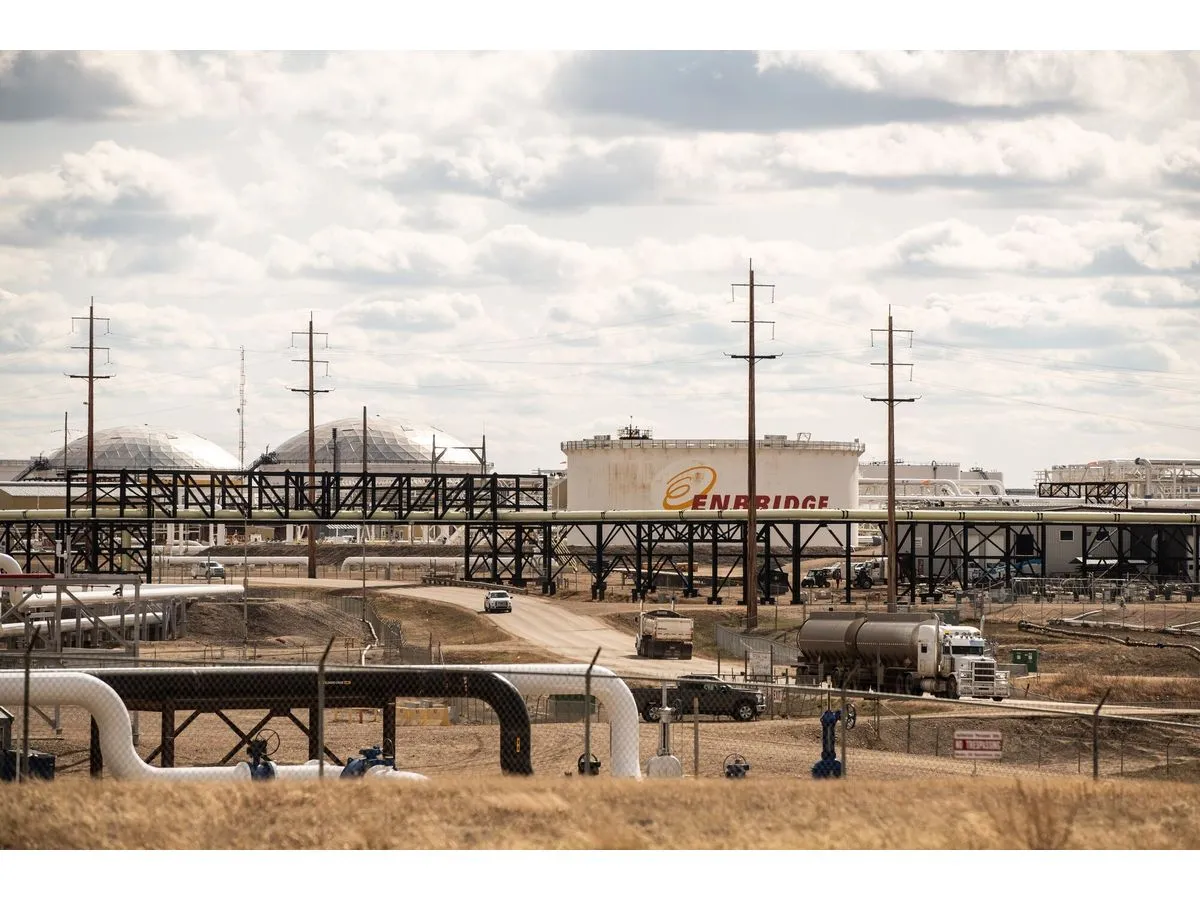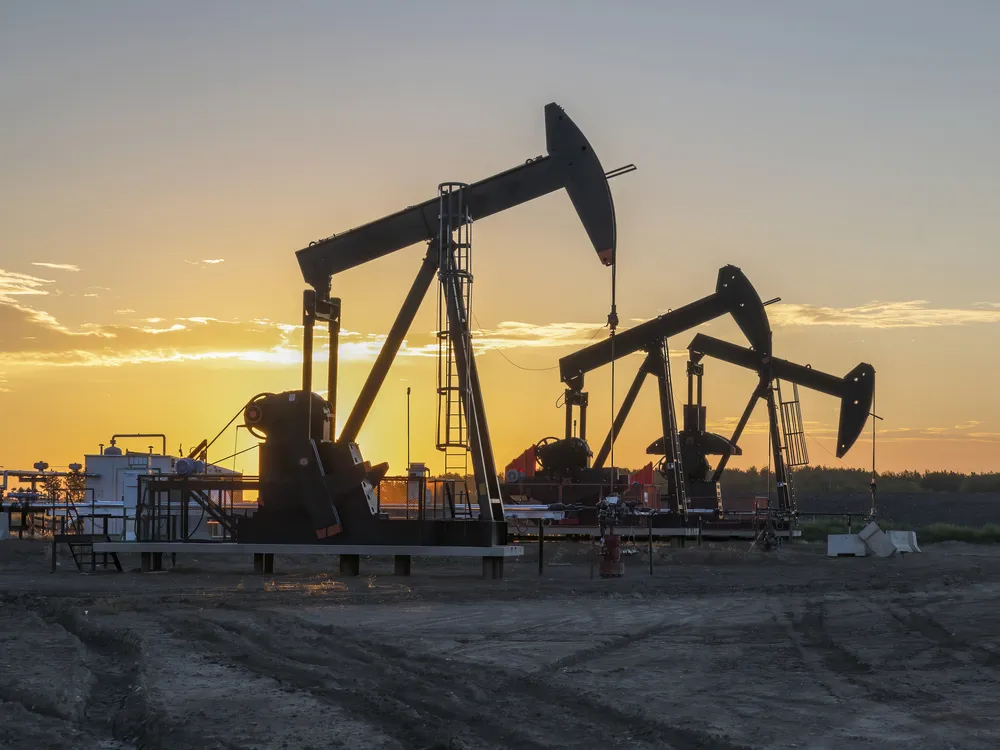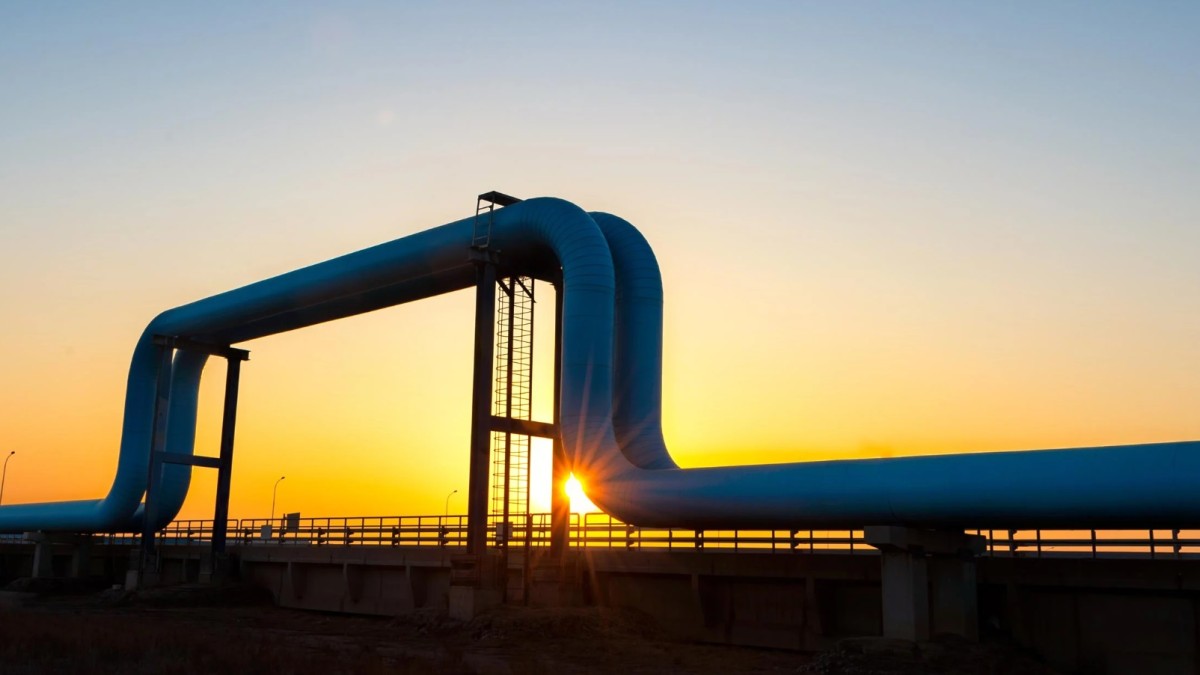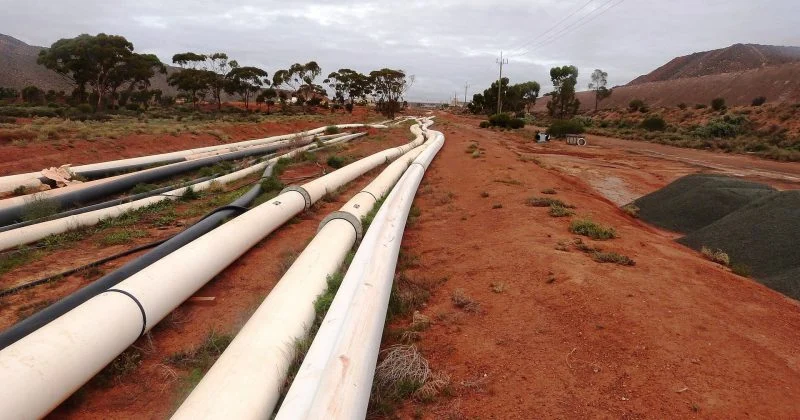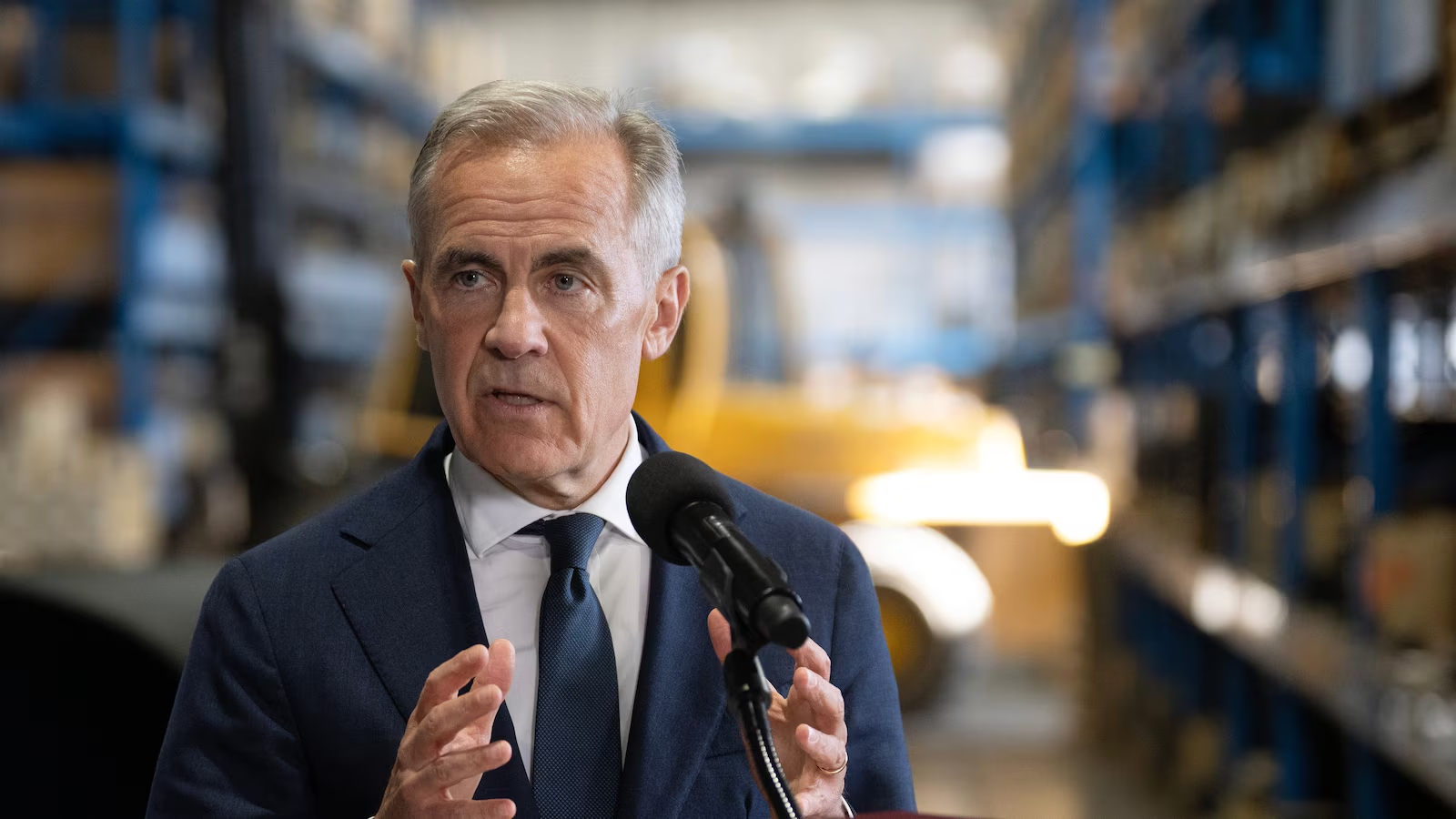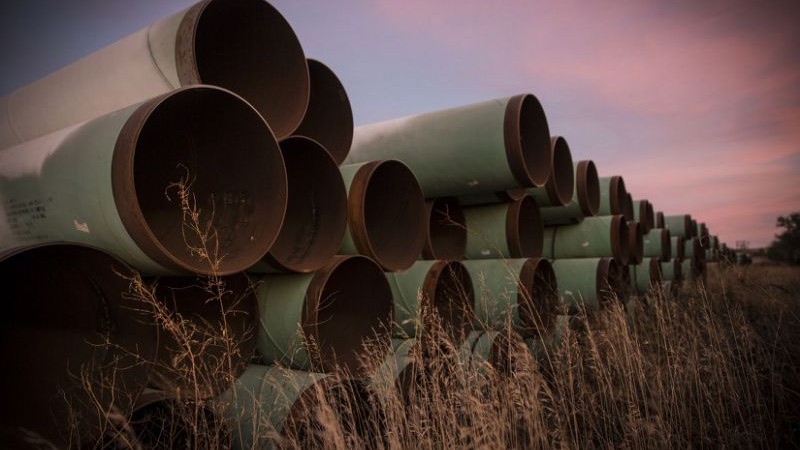
The Canadian government and Alberta have reached a carbon pricing deal that could finally move a long-discussed West Coast oil pipeline from perpetual Canadian debate into actual construction, with a start date now penciled in as early as September 2027.For Canada, this is meaningful progress.Prime Minister Mark Carney and Alberta Premier Danielle Smith announced the agreement Friday, building on a November memorandum that laid out conditions for federal support of a crude pipeline capable of moving roughly 1 million barrels per day to the Pacific coast and ultimately into Asian markets.The agreement attempts to solve a problem that has tied Canada into policy knots for years: how to expand oil infrastructure while still attaching climate conditions to the project.Under the deal, Alberta's industrial carbon pricing framework will gradually increase over time, with the effective carbon price ultimately reaching C$130 per metric ton by 2040. That is considerably slower than many environmental groups wanted, but still enough to leave portions of the oil industry uneasy about competitiveness with the United States, which has no national carbon price.At the same time, Ottawa appears to have softened one of its earlier conditions.The massive Pathways carbon capture project, backed by oil sands producers, has been scaled back significantly. Initial plans called for emissions reductions of roughly 22 million metric tons annually by 2030. The revised framework now targets 6 million tons by 2035 and 16 million by 2045.That reduction may prove politically important.Carney has tied federal support for a new pipeline to industry commitments on emissions reductions, but requiring companies to build one of the world's largest carbon capture projects all at once may have looked increasingly ambitious even by Canadian infrastructure standards.The agreement also creates an actual timeline. Alberta plans to submit a pipeline proposal by July 1, while Ottawa aims to designate it as a project of national interest and fast-track reviews.There is still one notable detail missing: a pipeline company.No private sector proponent has formally stepped forward yet. Still, after years of pipeline conversations that mostly involved legal challenges, carbon fights, and existential national debates, Canada now appears to be inching toward something unusual. An actual project.By Julianne Geiger for Oilprice.comMore Top Reads From Oilprice.comIndia's Wholesale Inflation Hits 3.5-Year High as Fuel Costs Surge 25%China Still Cautious on Fuel Shipments Despite Eased Export RulesSinopec Opens Major Ultra-Deep Shale Gas Play in China
Canada Clears Path for West Coast Oil Pipeline Build | OilPrice.com
The Canadian government and Alberta have reached a carbon pricing deal that could finally move a long-discussed West Coast oil pipeline from perpetual Canadian debate into actual construction, with a start date now penciled in as early as September 2027.
391 words~2 min read