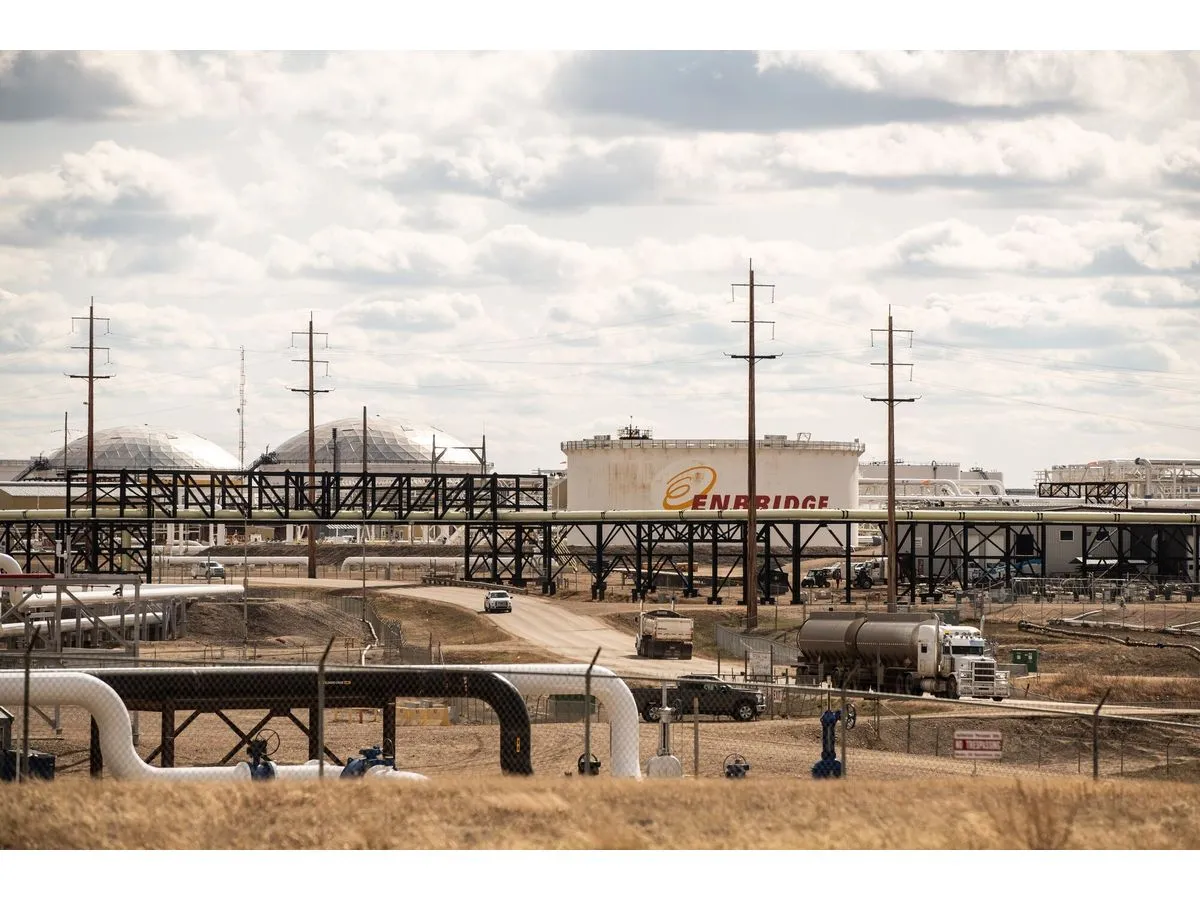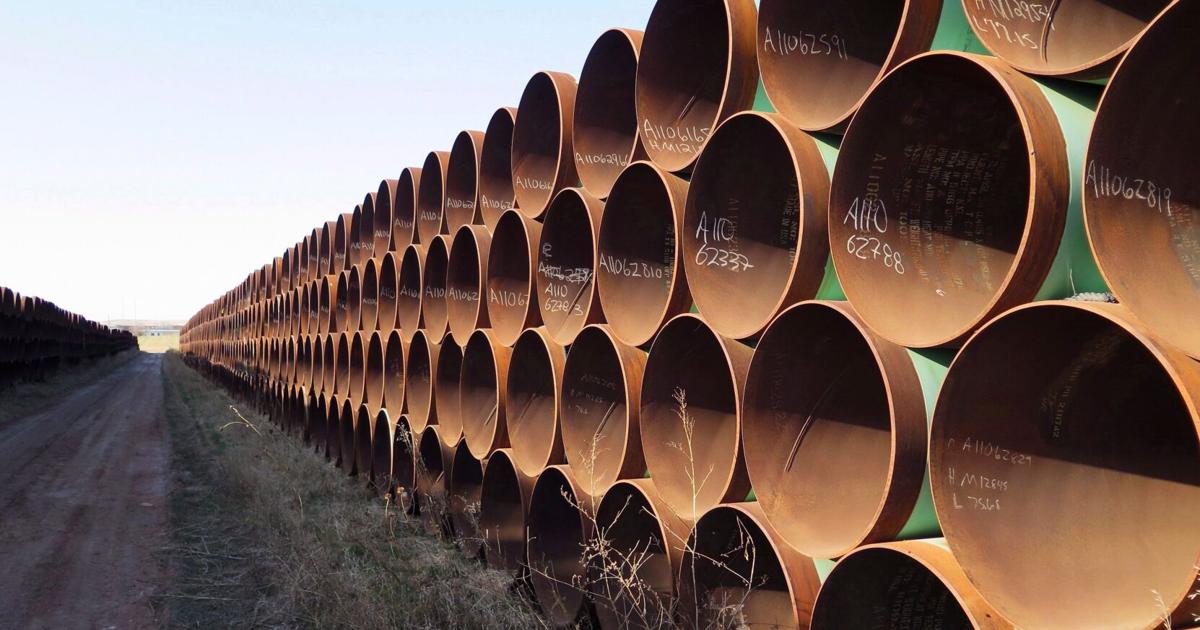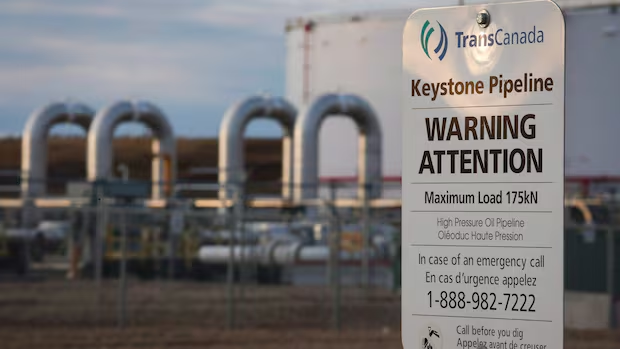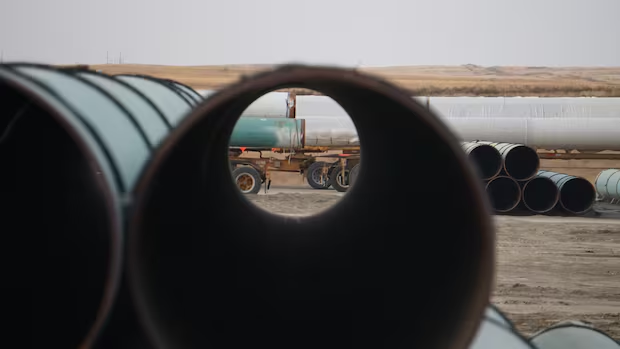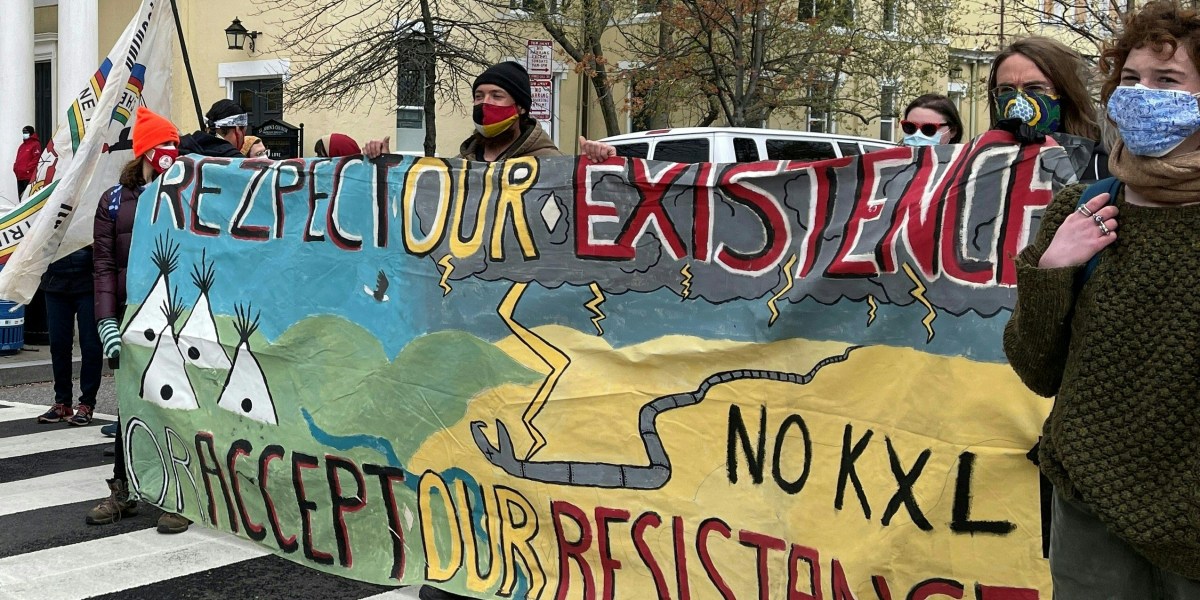
Two of the most controversial pipeline projects this century—the failed Keystone XL project and the successful Dakota Access Pipeline—are gaining new life to move Canadian oil into the U.S., backed by cross-border permits quickly approved by President Donald Trump.
The April permits arrive as oil producers push to move growing Canadian volumes to U.S. refineries, and the war in Iran gives cover to boost the case for greater North American energy self-sufficiency.
“These projects are popping out more so because of what’s happening in Iran,” said Keland Rumsey, crude team lead analyst for East Daley Analytics, arguing the war may help expedite the projects that were already under consideration. “The regulatory environment with the current sitting president obviously helps these projects get movement.”
The defunct Keystone XL (KXL) from Alberta through Nebraska—killed by both the Obama and Biden administrations—is being revived in a slimmer form with a different name.
The combined Prairie Connector and Bridger Pipeline Expansion projects by Canada’s South Bow and True Companies’ Bridger Pipeline would use existing KXL pipe and assets on the Canadian side—partially built before it was last canceled in 2021—meeting a new Bridger pipeline at the Montana border and running 647 miles to the Guernsey, Wyoming interconnection hub.