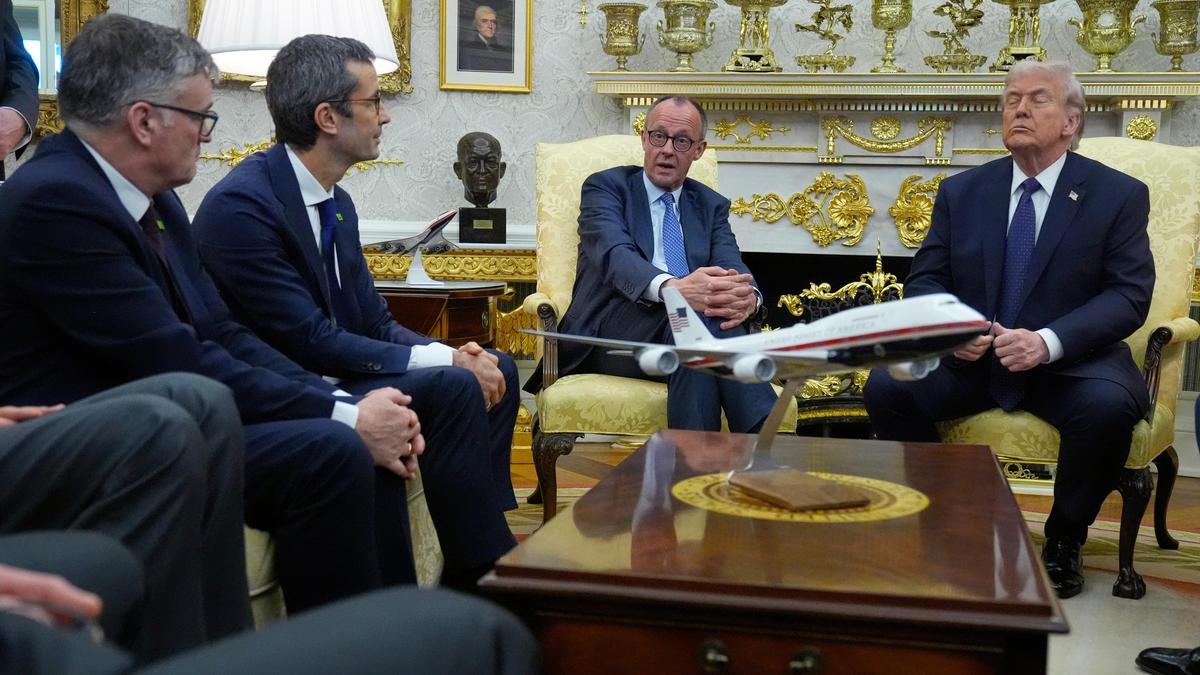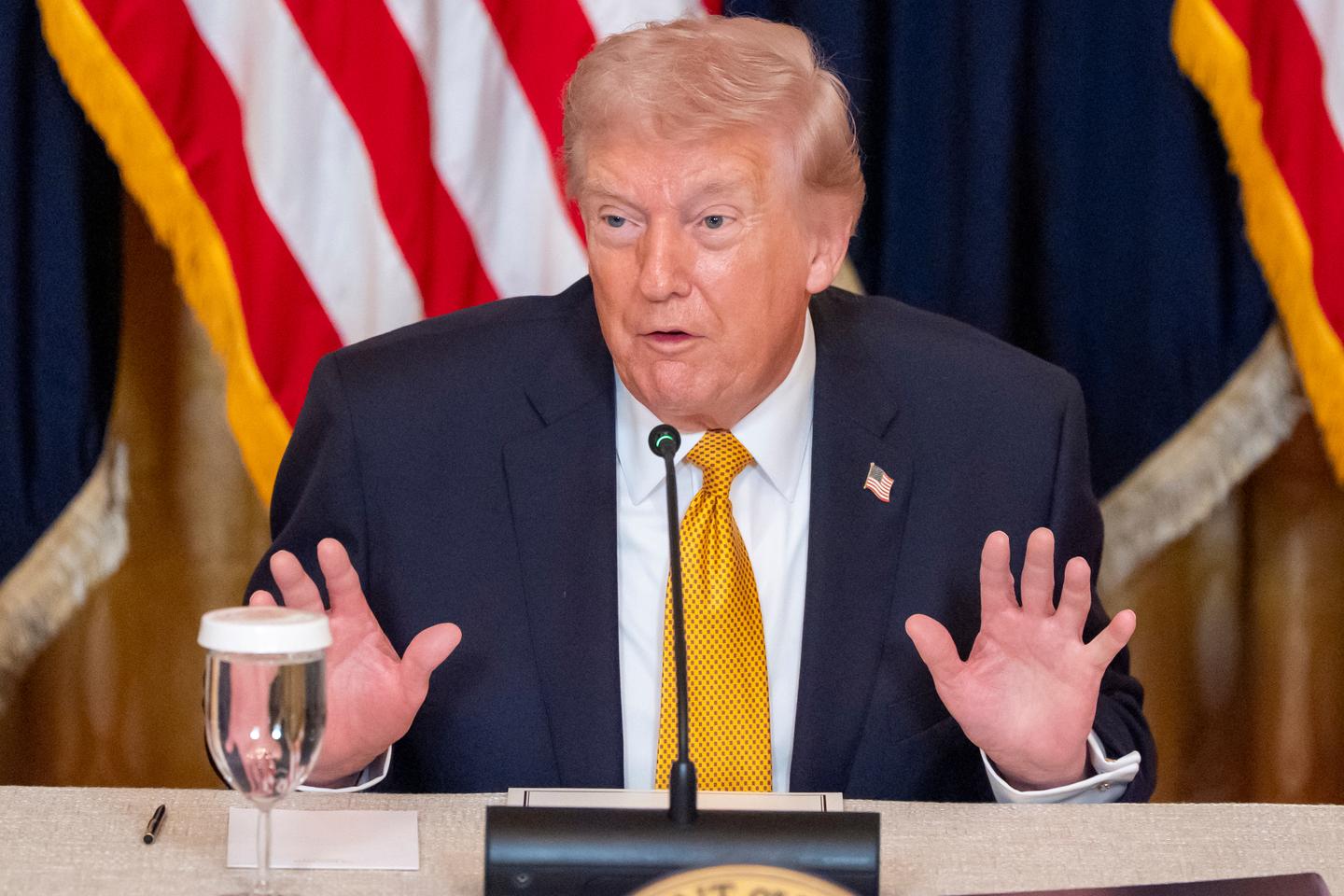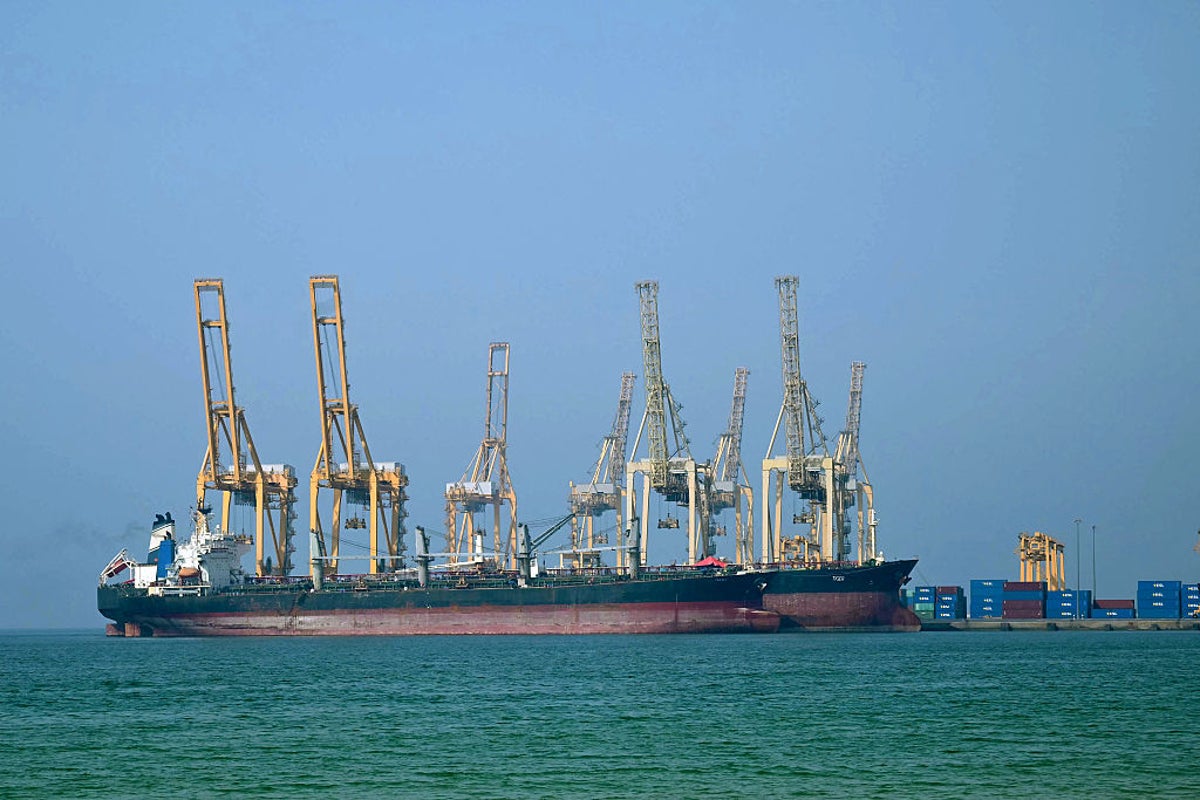
Energy shipments are increasingly being used as foreign policy tool as the Trump administration attempts to hold down two blockades on opposite sides of the globe.
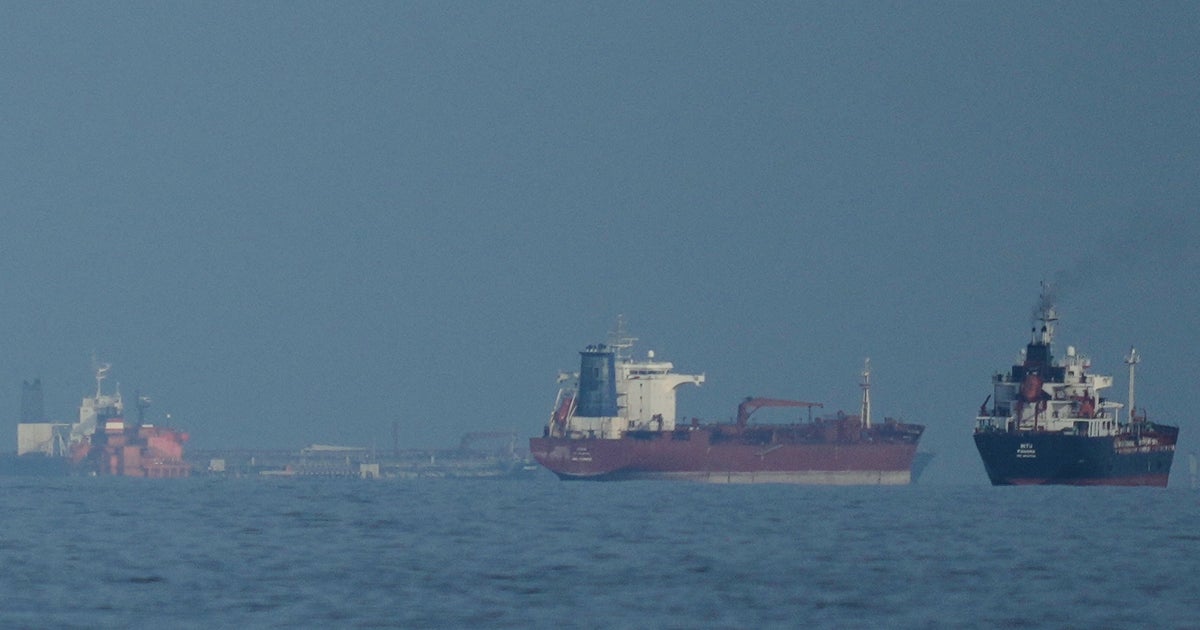
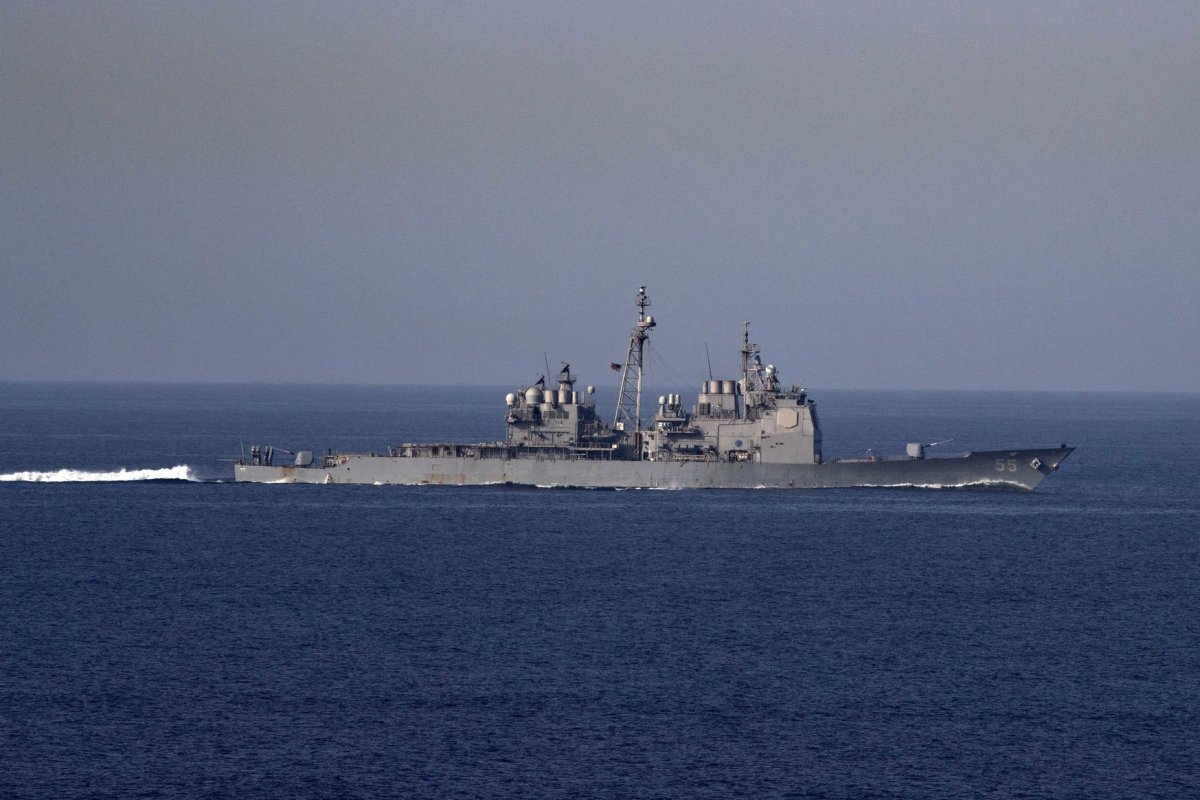
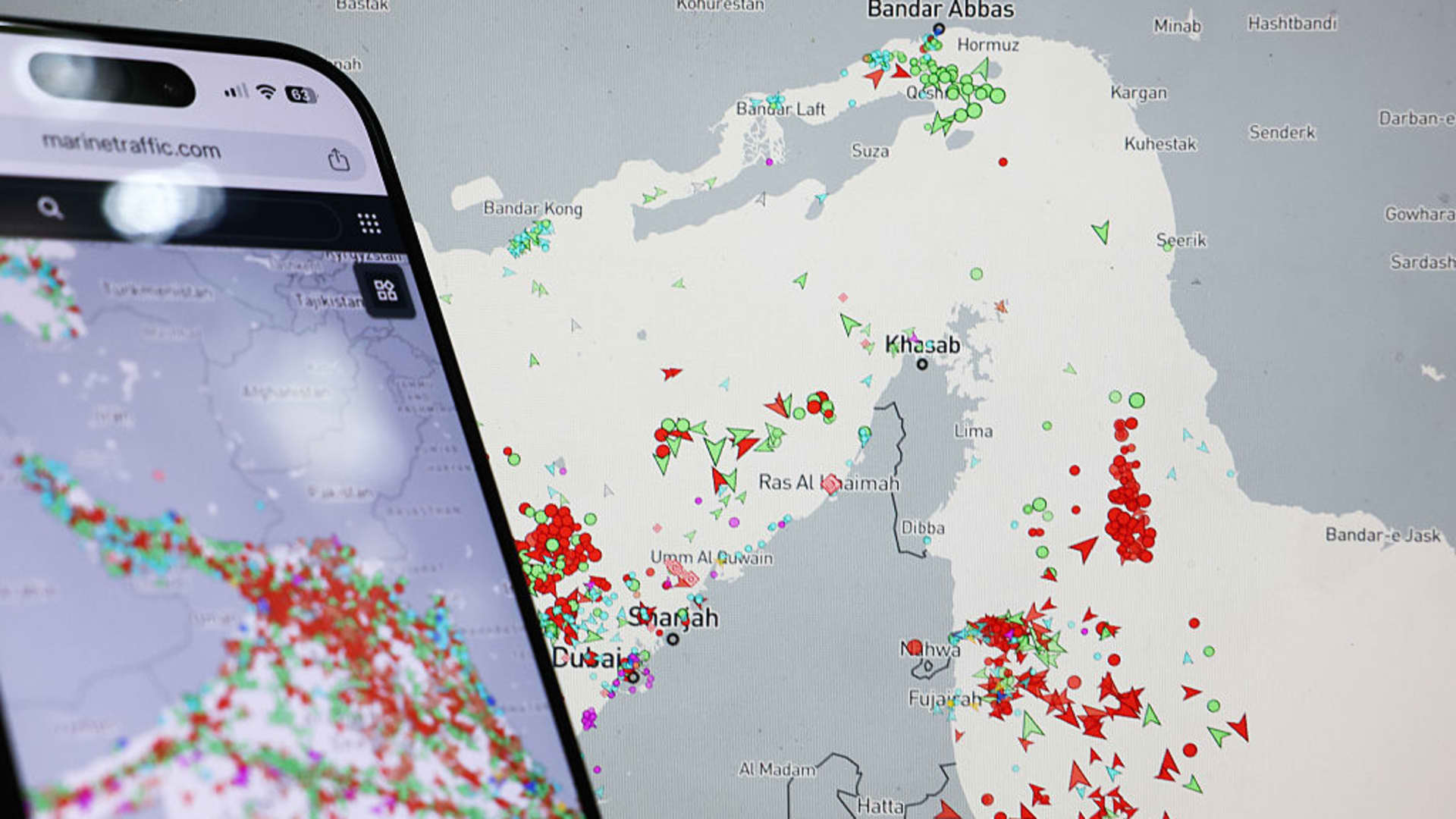
The U.S., under the direction of President Donald Trump, has initiated a naval blockade targeting Iranian vessels in and around the strategically vital Strait of Hormuz, seeking to put economic pressure on Iran and bring an end to the Middle East crisis.
The move has prompted concern from China, given it has long been the largest buyer of Iranian crude, with Beijing calling the blockade “irresponsible and dangerous.”
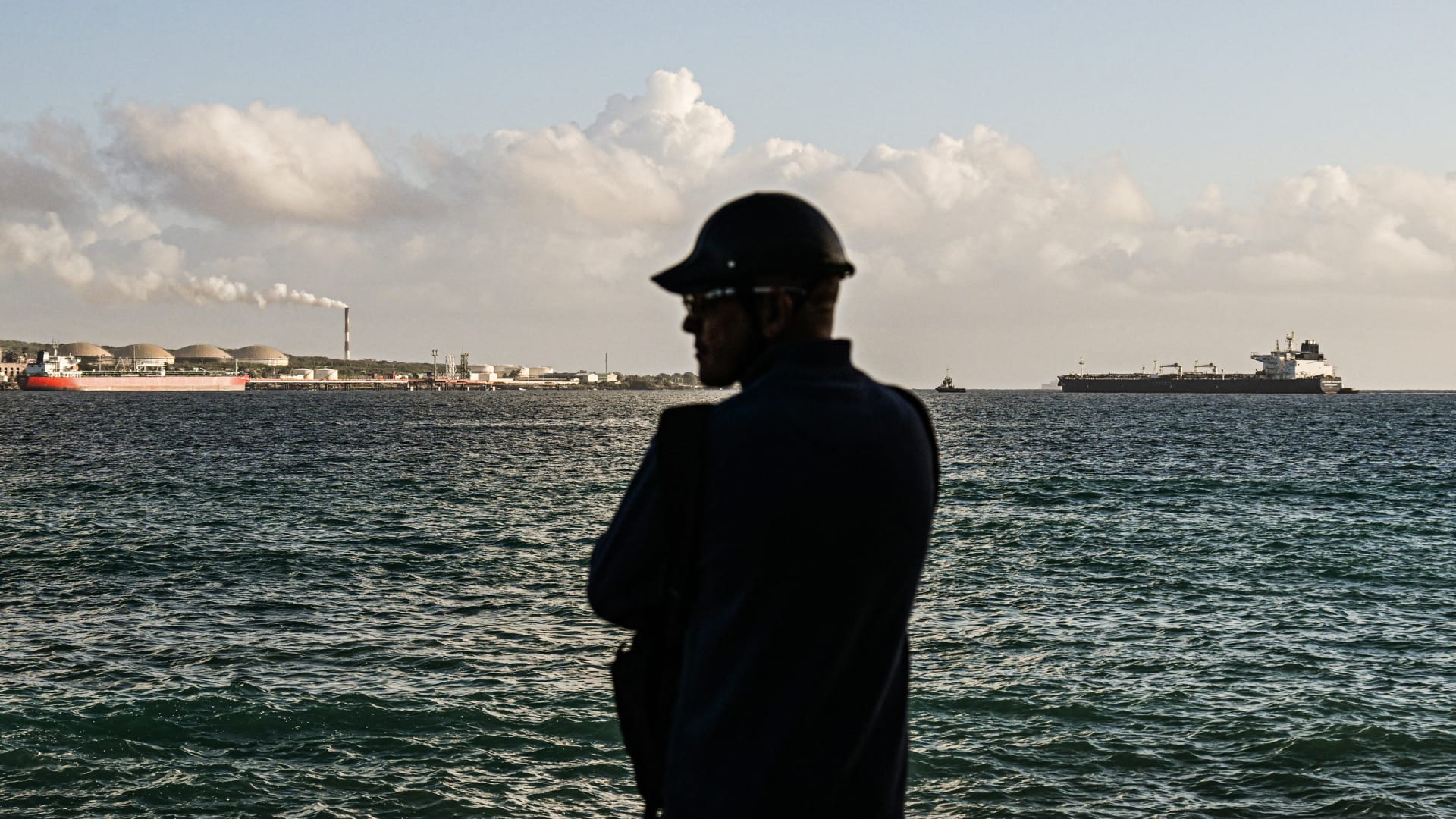
At the same time, the U.S. has imposed a de facto fuel blockade on Cuba, threatening to impose tariffs on any country that sends crude to the communist-run Caribbean island.
Russia, which has already breached the U.S. blockade by delivering a shipment of 100,000 tons of crude oil to the fuel-starved nation, has pledged to keep supplying Cuba with vital supplies of oil.