In this article
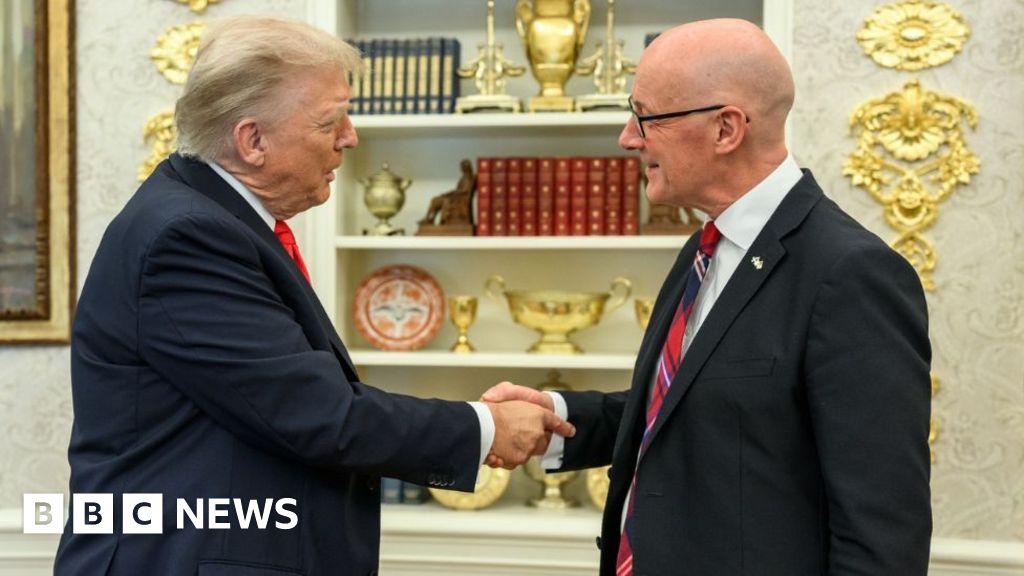
President Donald Trump’s decision to remove the 10% tariff on Scotch whisky exports to the U.S. has brought relief to the embattled sector — and could also provide a much-needed boost to a niche corner of the industry: premium cask investing.
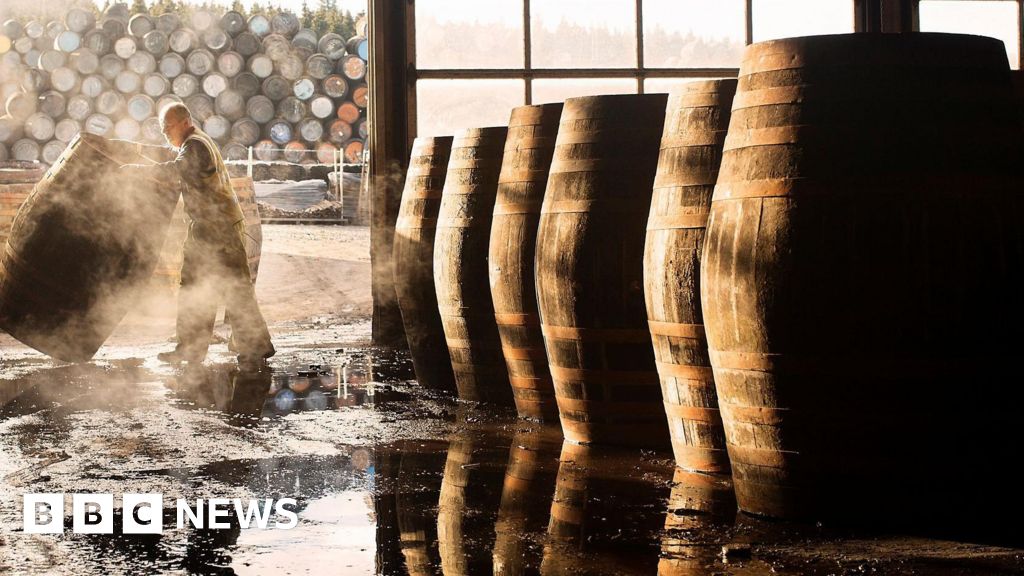
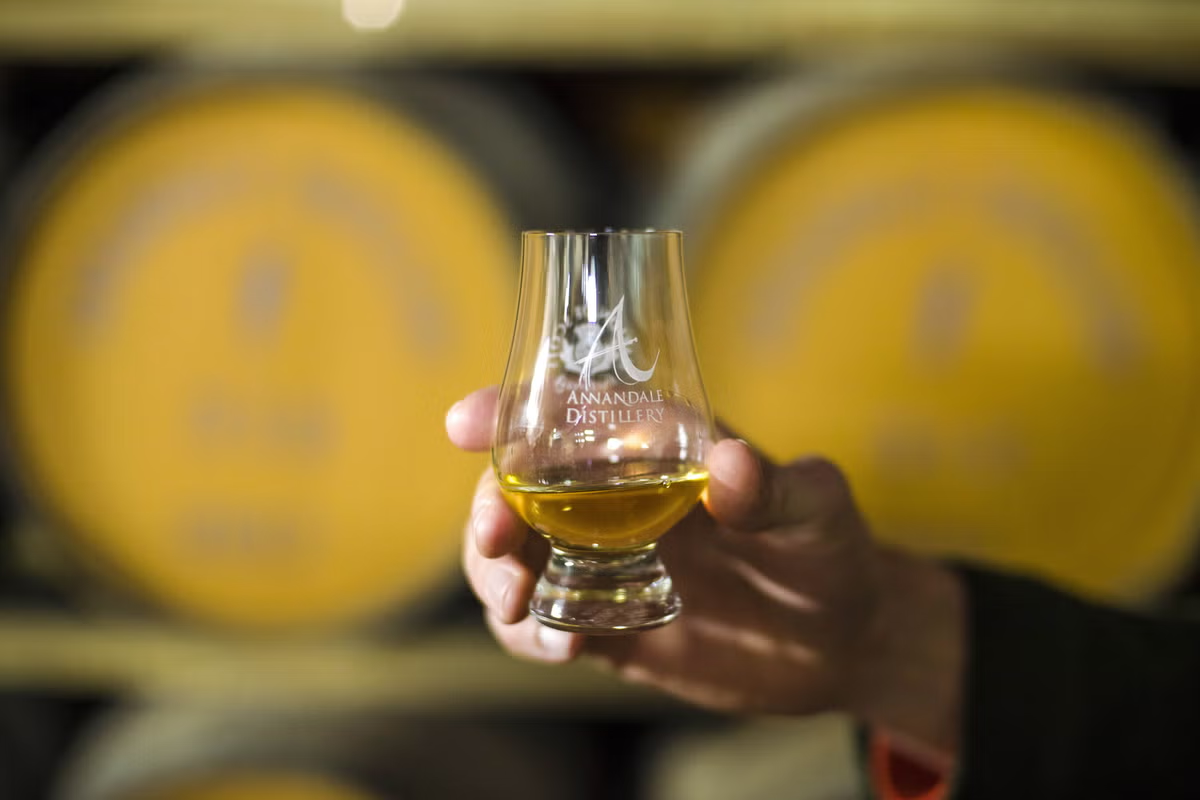
Cask investing involves buying an oak barrel filled with Scotch — either shortly after the spirit’s distillation or having already aged — and allowing its contents to mature over a period of 10 to 20 years, before selling it on.
Barrels are typically traded within the industry through individual contracts between blenders and distillers, often involving cask exchanges rather than money, or via specialist Scotch whisky brokers. Individual investors can also purchase casks of newly-distilled or maturing Scotch whisky, either for personal use or as a speculative bet with a view to selling at a profit in secondary markets.
Like other collectible alternative assets, such as fine art, rare watches and classic cars, cask investing is a high-risk, speculative, long-term bet on a largely unregulated, illiquid asset. While often seen as a hedge against inflation, the value of such assets depends entirely on secondary market demand.