May 14th, 2026
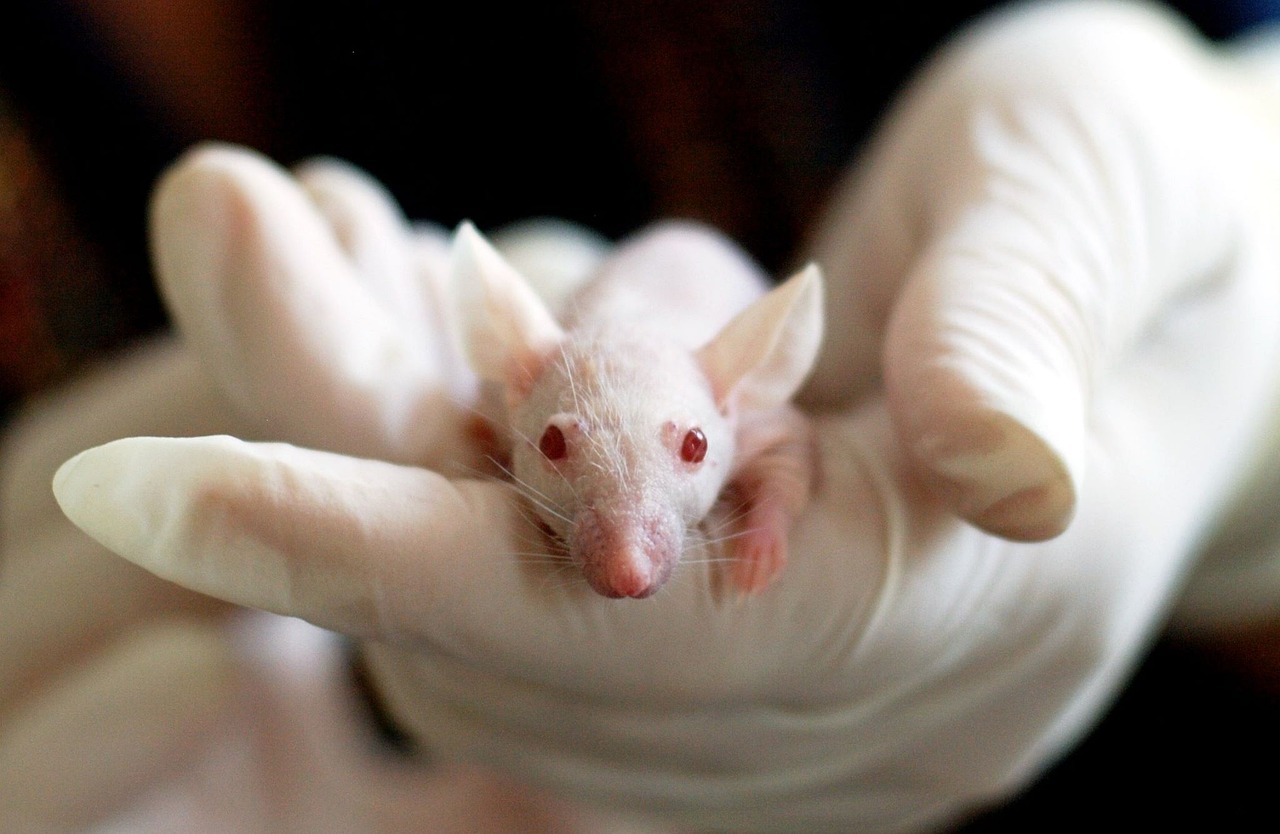
Programs of scientific research are ever short of funding, and this profoundly steers both the operation of these individual programs, as well as the standards for various fields of research that emerge via consensus and collaboration. Consider that the primary driving force behind most choices in the use of animal models of disease is the matter of reducing cost and time. Artificial models that turn out to have too little a connection to the real condition, or that mislead research in ways that sabotage progress, emerge time and time again because of the imperative to run studies more rapidly and at a lower cost. Young animals with forms of damage or toxicity or genetic disability are used to replicate the phenotypes of diseases that develop slowly in genetic normal old individuals. Assumptions about mechanisms are baked into the animal models. Alzheimer's disease and many cancers are the most prominent examples of conditions in which the well-established models are highly artificial and often questionable in comparison to the real conditions they are mimicking, but these are by no means the only examples.
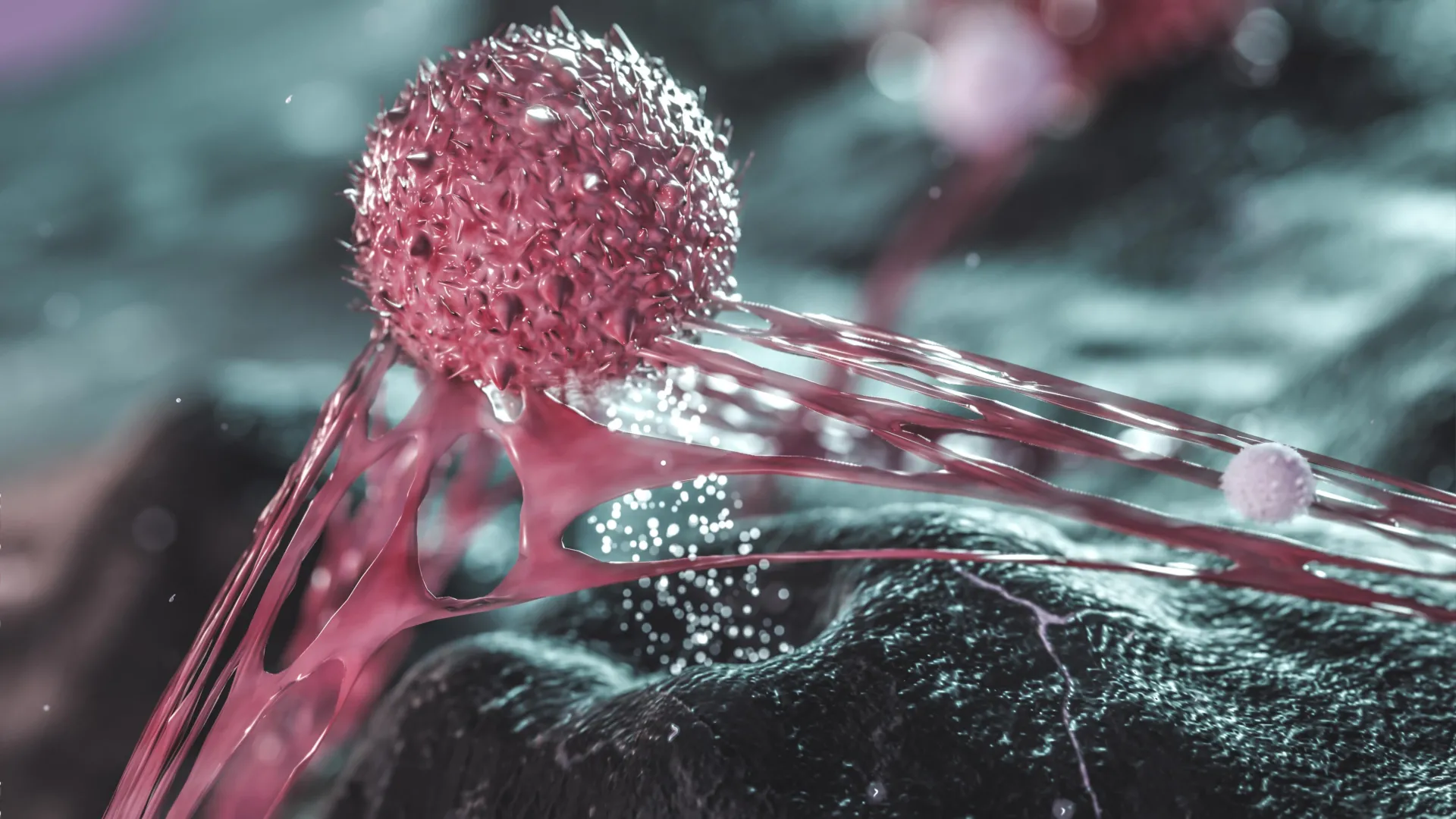
Today's research materials provide an example of the sort of gap in knowledge that can arise when only young mouse models are used in work on cancer, a predominantly age related condition. Melanoma is a very well studied form cancer, and at this point once of the least threatening given recent advances in immunotherapy. Nonetheless, while the way in which melanoma risk changes with age in humans is well characterized, little investigation has taken place in mice to attempt to understand why this pattern of incidence exists - as that research requires a greater cost in time and funding in order to use old mice. Thus when researchers do in fact find that funding, they tend to discover new information. Melanoma is a relatively well controlled cancer in the grand scheme of things, but consider the many other far worse forms of cancer in which this same story is playing out over the years with different details.