As sponsors seek to address unmet needs with personalized medicines and innovative immunotherapies, ovarian cancer research is entering a pivotal era characterized by increasing complexity for large, global studies.
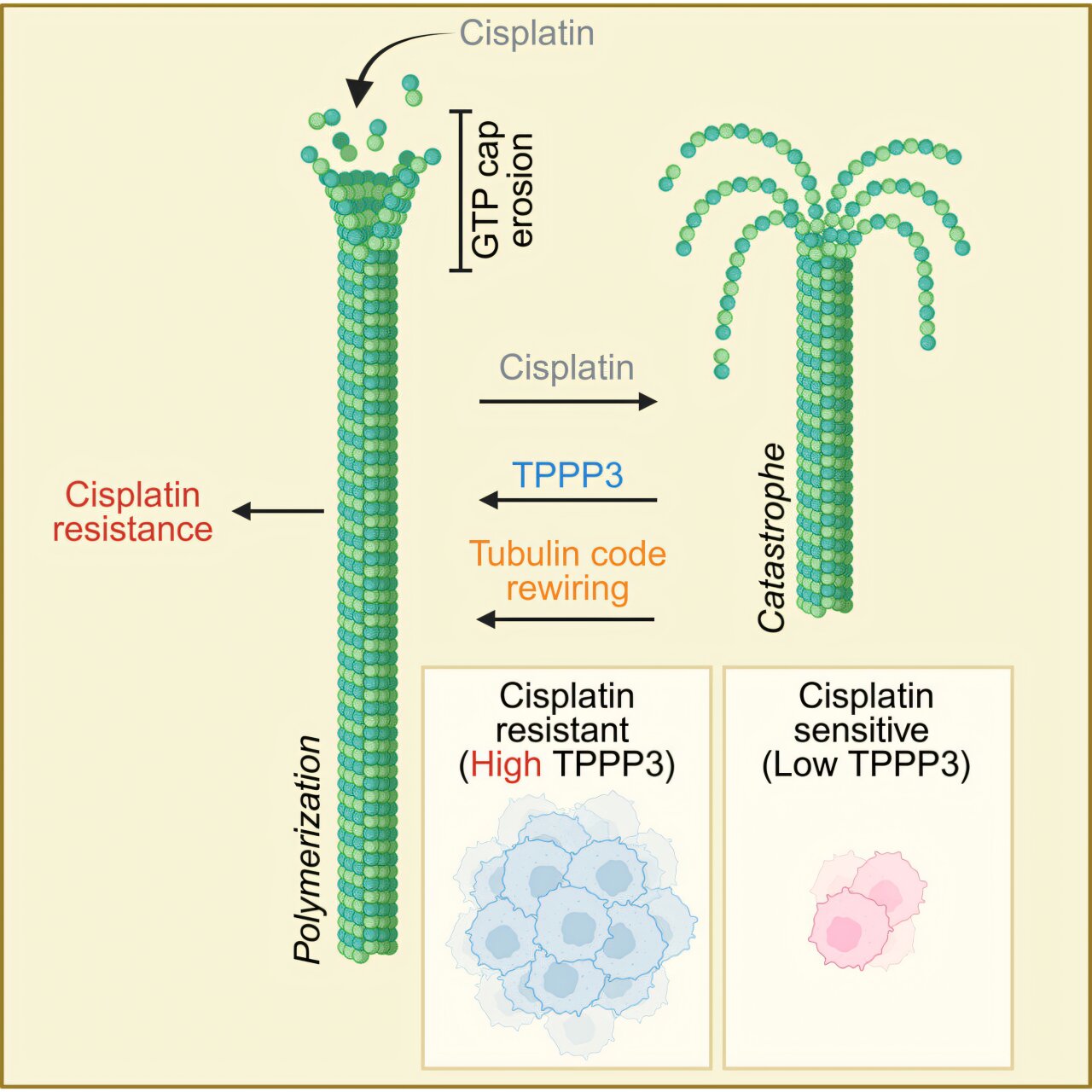
Each year in the US, more than 21,000 women will receive a new diagnosis of ovarian cancer according to the latest estimates from the American Cancer Society, while more than 12,450 women will die from the disease. First-line treatment is based on cytoreductive surgery, often a complete hysterectomy, followed by platinum-based chemotherapy. However, with most patients diagnosed at a late stage, patients often experience platinum resistance with multiple recurrences, and there are currently limited effective treatments in this setting.
Developments and opportunities in 2026
Dr Edward Dow, MD, is a medical oncologist in Boston who now serves as Global Lead for Solid Tumor Research in Caidya’s oncology and hematology department. According to Dr Dow, the ovarian cancer field has seen recent advancements, with two FDA approvals for platinum-resistant ovarian cancer, including pembrolizumab in combination with paclitaxelfor PD-L1-positive patients, and relacorilant with nab-paclitaxel. However, while these are positive advancements, neither are gamechangers.