A condition that can impact women’s fertility and diabetes risk goes undiagnosed in many cases, but experts hope giving it a new name will help more patients receive care.
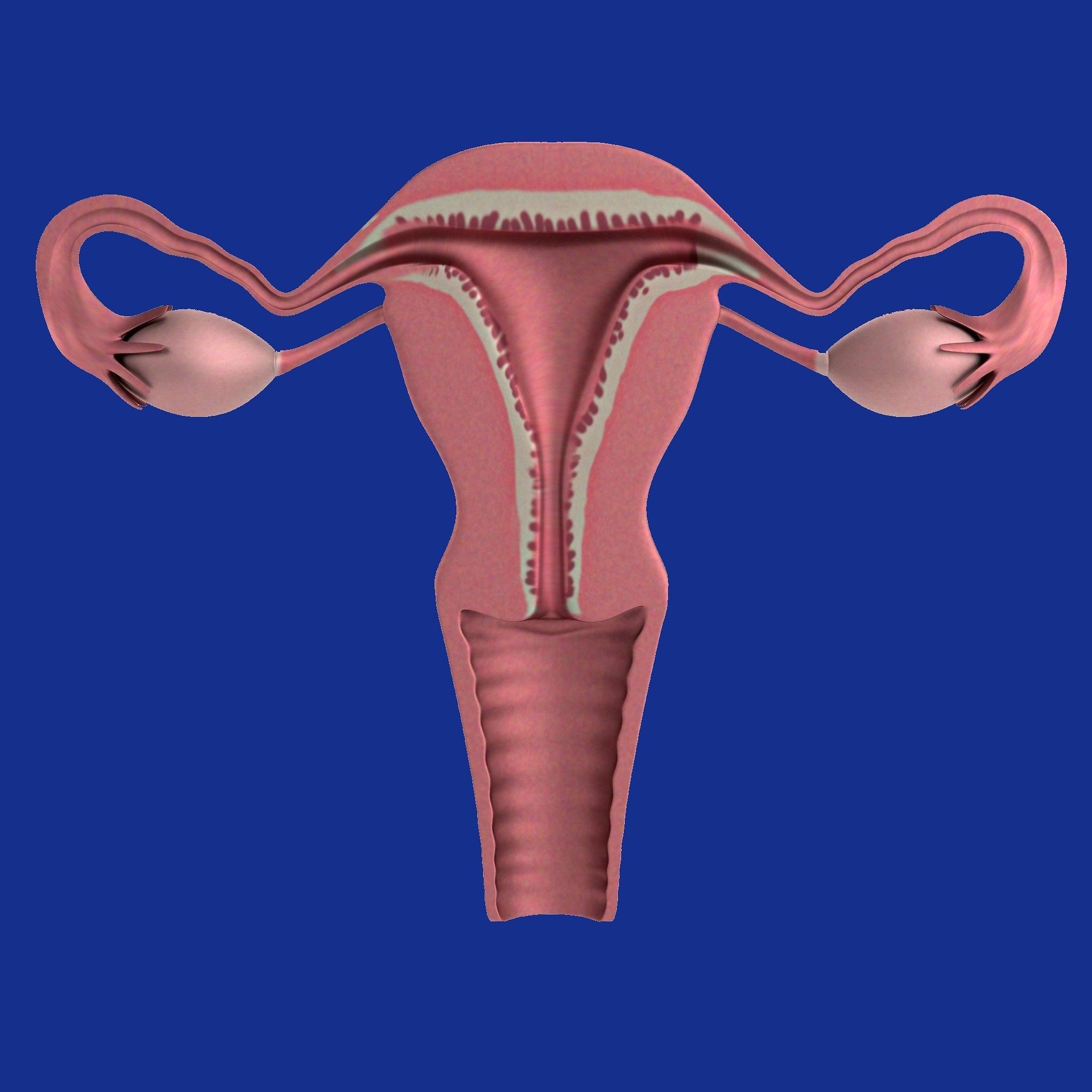
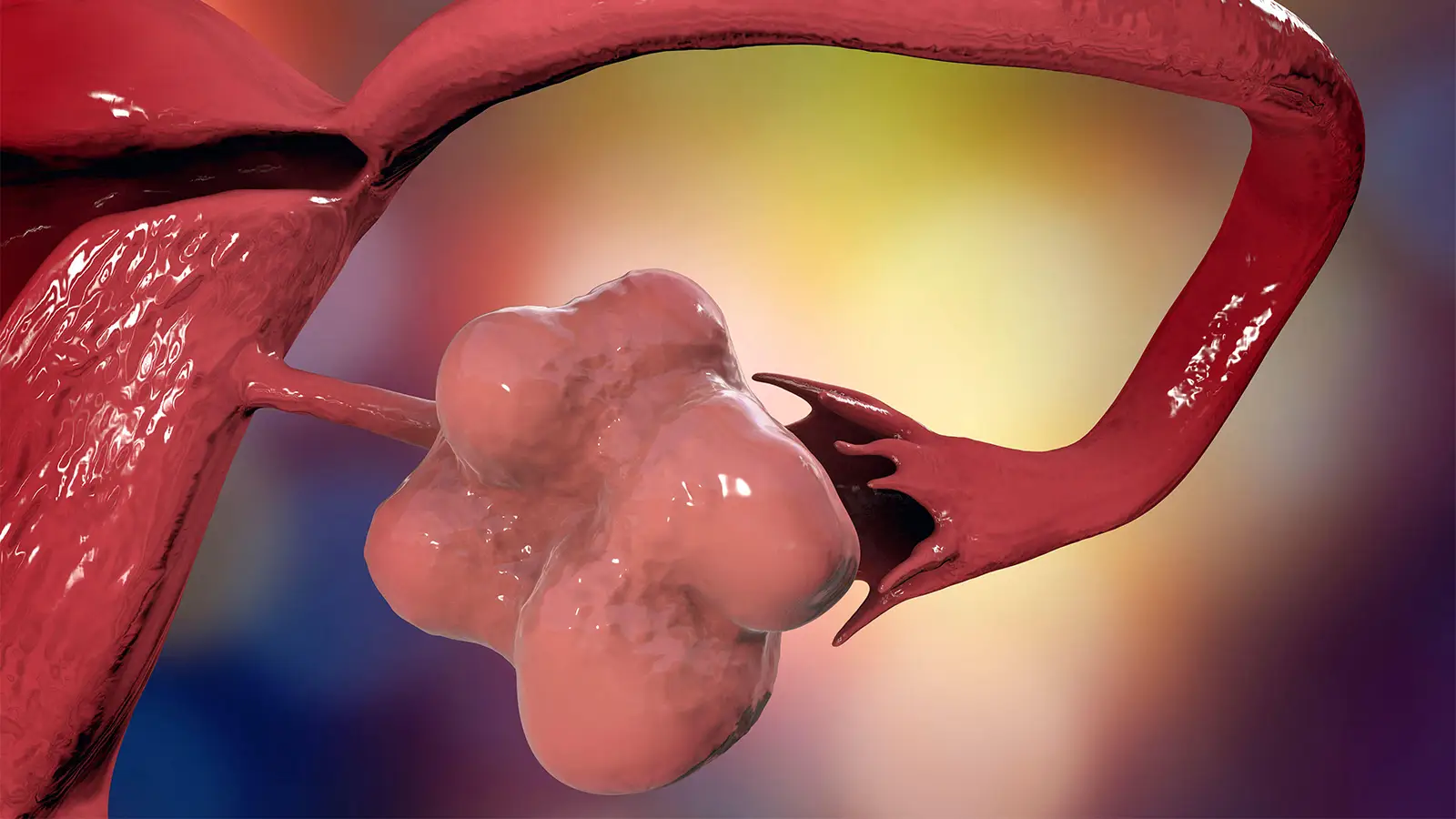
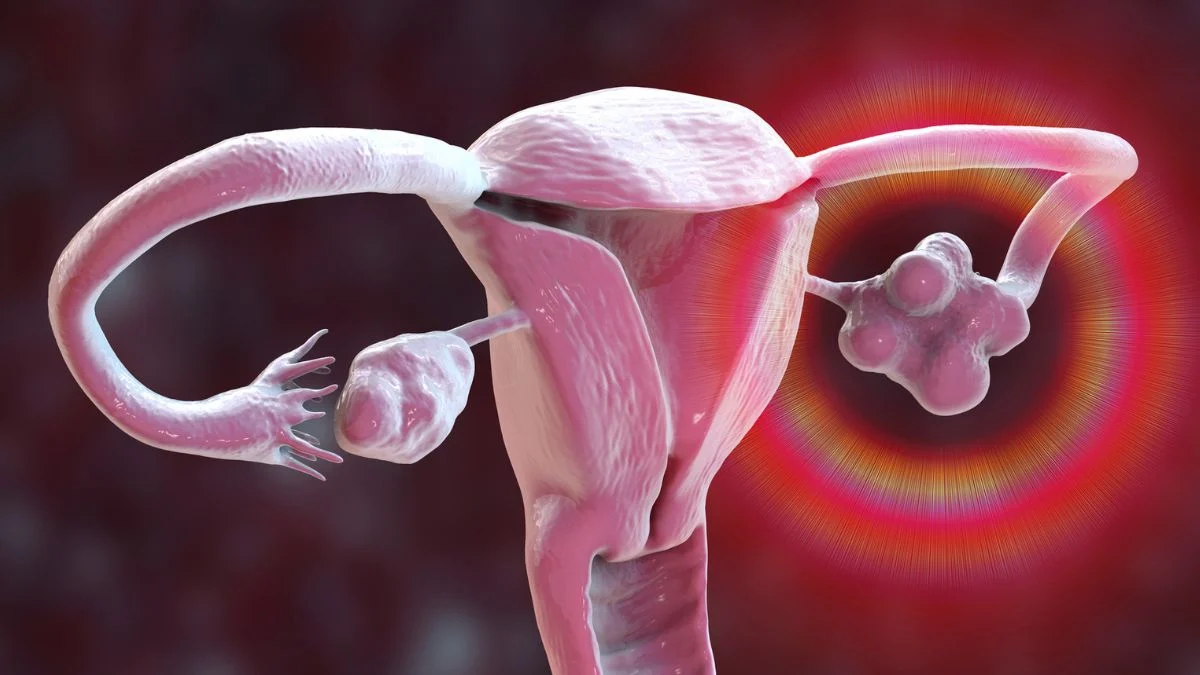
Polycystic ovary syndrome, or PCOS, can present as cysts in the ovaries, as the name would suggest. However, the condition can include many more symptoms, including irregular menstrual cycles, difficulty getting pregnant, female-patterned baldness, type 2 diabetes and cardiovascular disease, according to the World Health Organization (WHO).
An estimated 10% to 13% of reproductive age women around the world are impacted by PCOS, but an estimated 70% don’t know they have it, according to WHO.
One reason could be that the name is not very descriptive of the actual condition, said Dr. Helena Teede, an endocrinologist and professor of Women’s Health at Monash University in Australia. Teede, who is leading the process to change the name, is lead author of a paper published Tuesday in the Lancet on the name change.
Over the course of her more than 25-year career, Teede said she’s had to dispel misunderstandings that lead people to think that the condition is just about cysts on the ovaries, which has resulted in missed diagnoses and inaccurate treatment.