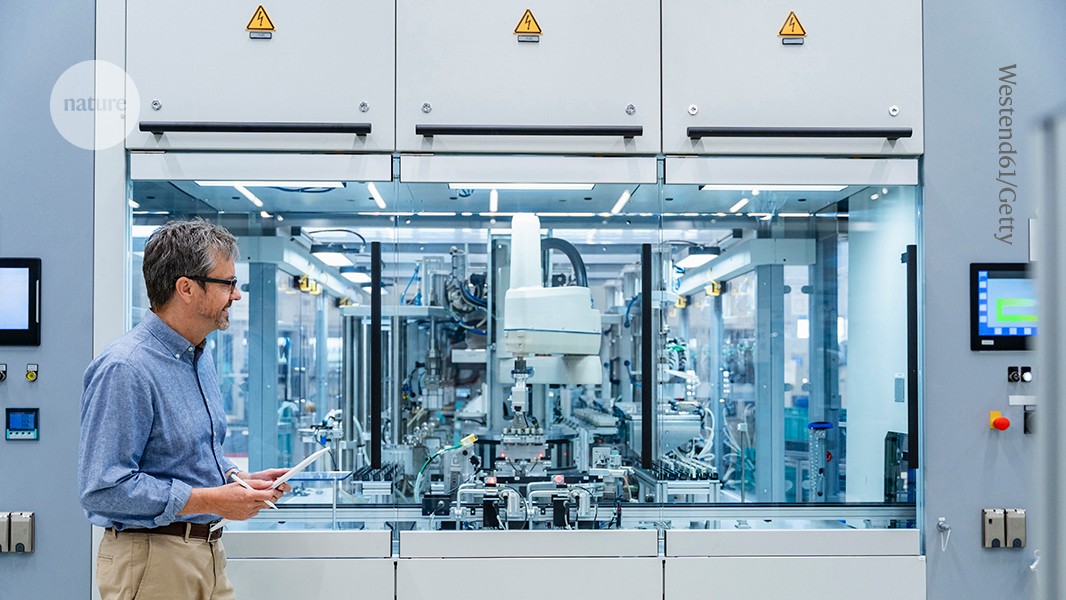
Artificial intelligence has crossed a threshold in the modern workplace. It is being used for everything from helping employees manage schedules to supporting financial forecasts. A similar shift is now unfolding inside research laboratories.
There is currently a boom in national initiatives to accelerate the integration of AI into science. These include the US Genesis Mission and South Korea’s AI Co-Scientist Challenge. But despite clear benefits, we believe these institutional drives are neglecting important issues that carry immense risks for scientific research.
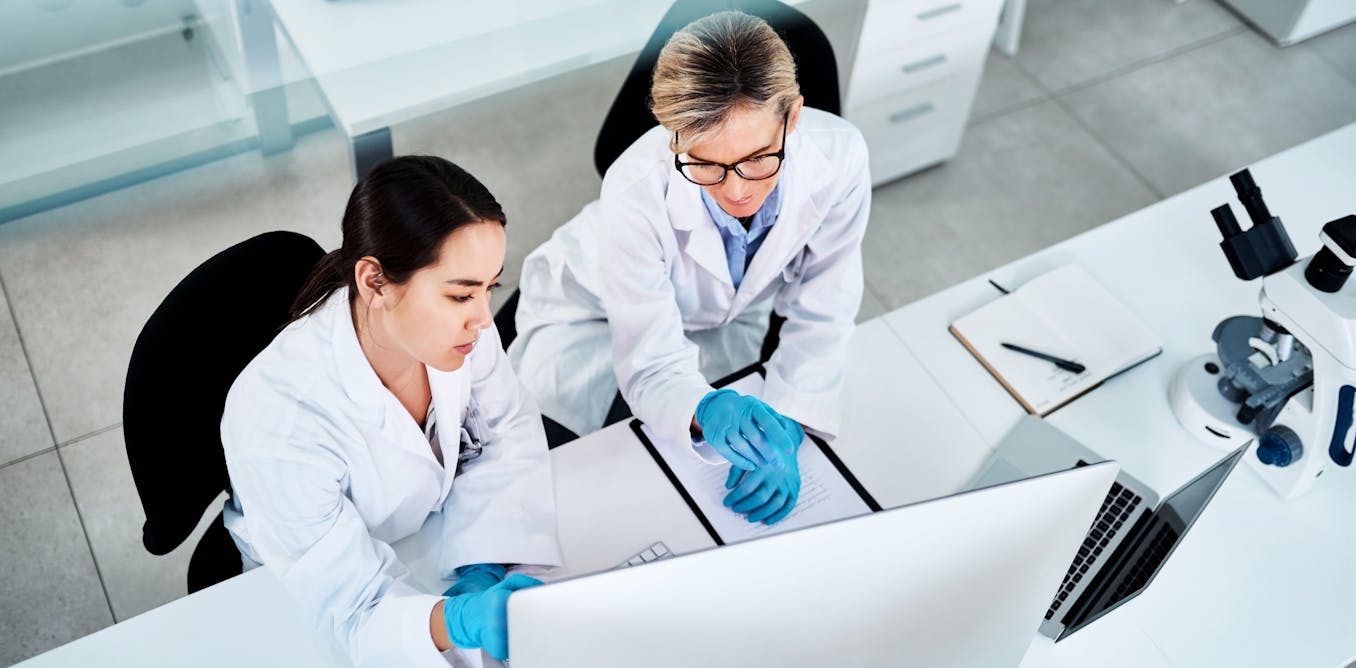
Today, more than half of researchers use AI for work tasks including reviews of academic journals and designing experiments.
AlphaFold is an AI tool developed to predict the structures of proteins for scientific research. Working out protein structures was incredibly time-consuming before its release – taking years in some cases. The same tasks now take hours. AlphaFold was acknowledged by the 2024 Nobel Prize in Chemistry.
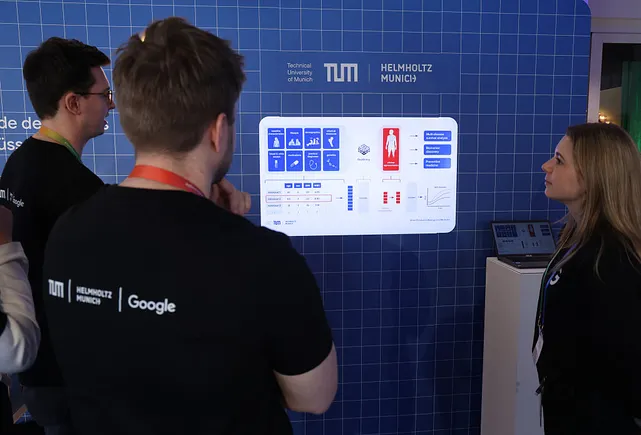
AI tools for use in medicine now assist with everything from the interpretation of results from X-rays and MRIs to supporting doctors’ decisions on the diagnosis and treatment of disease.