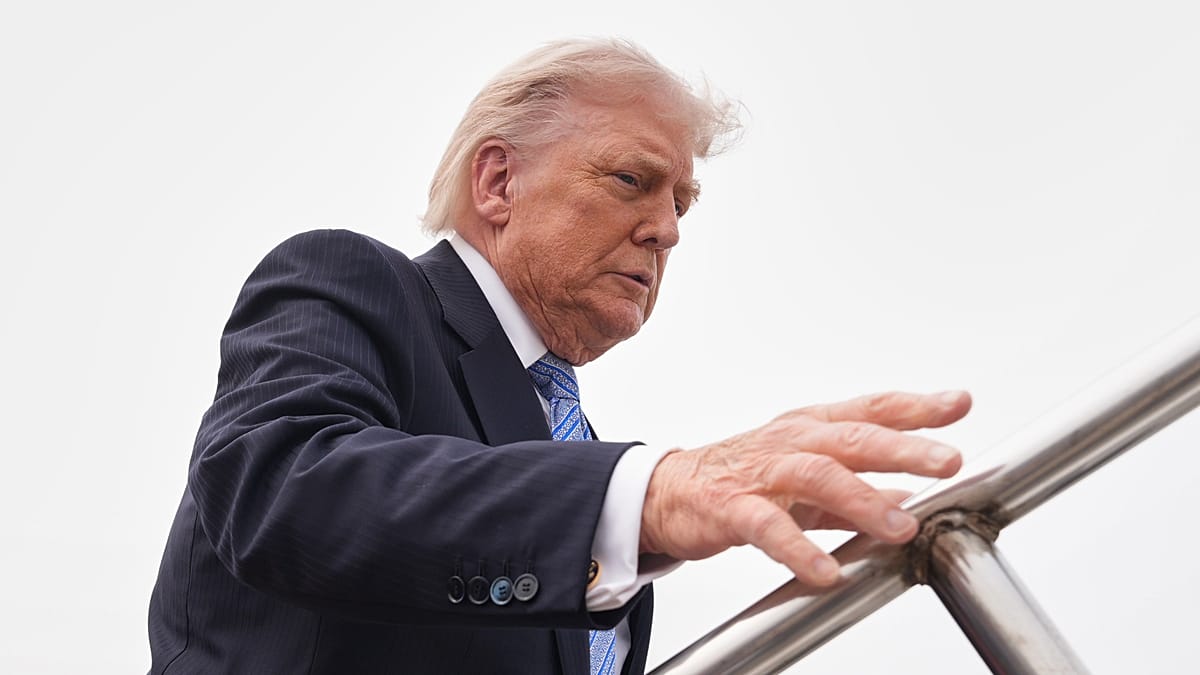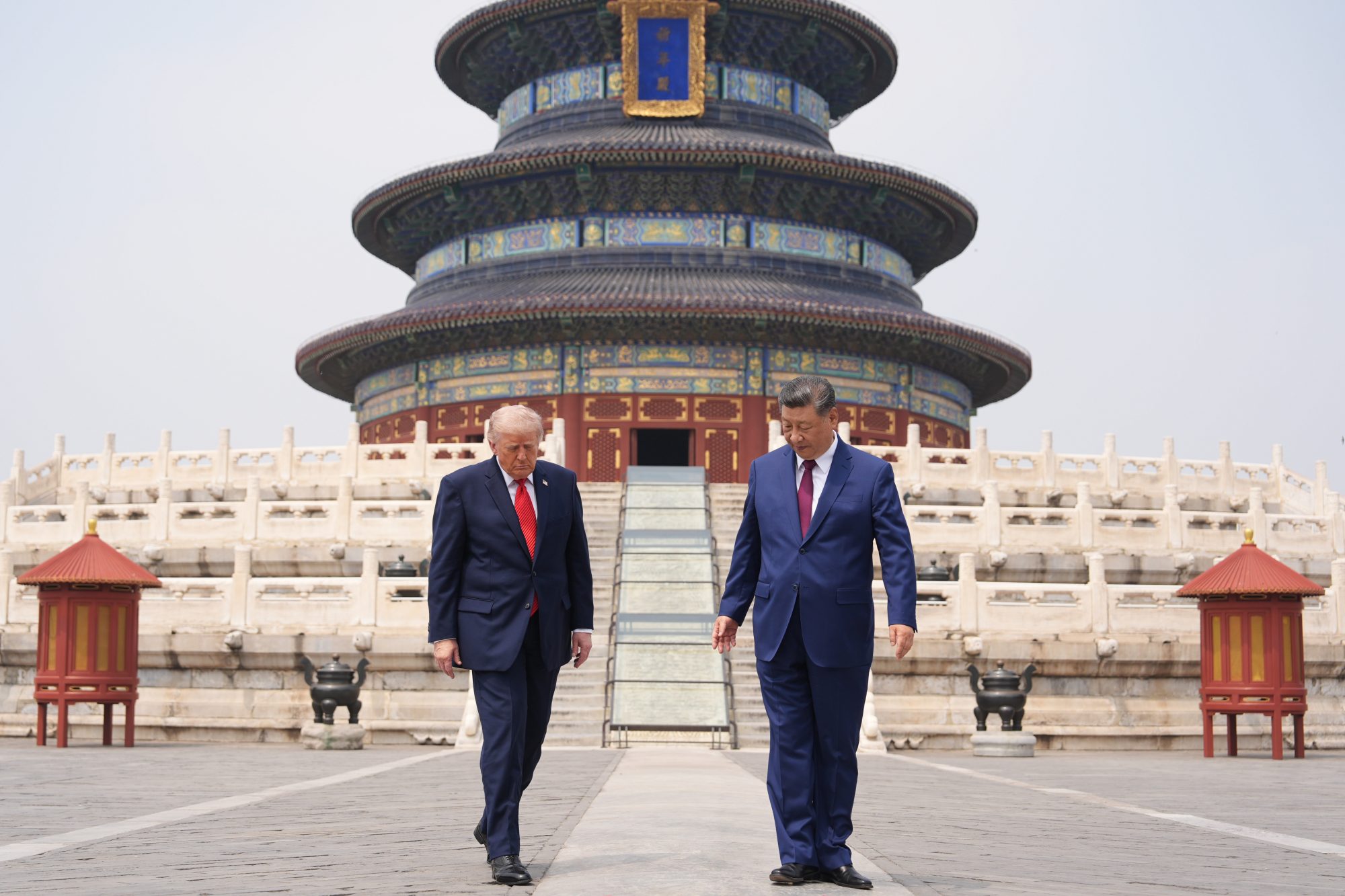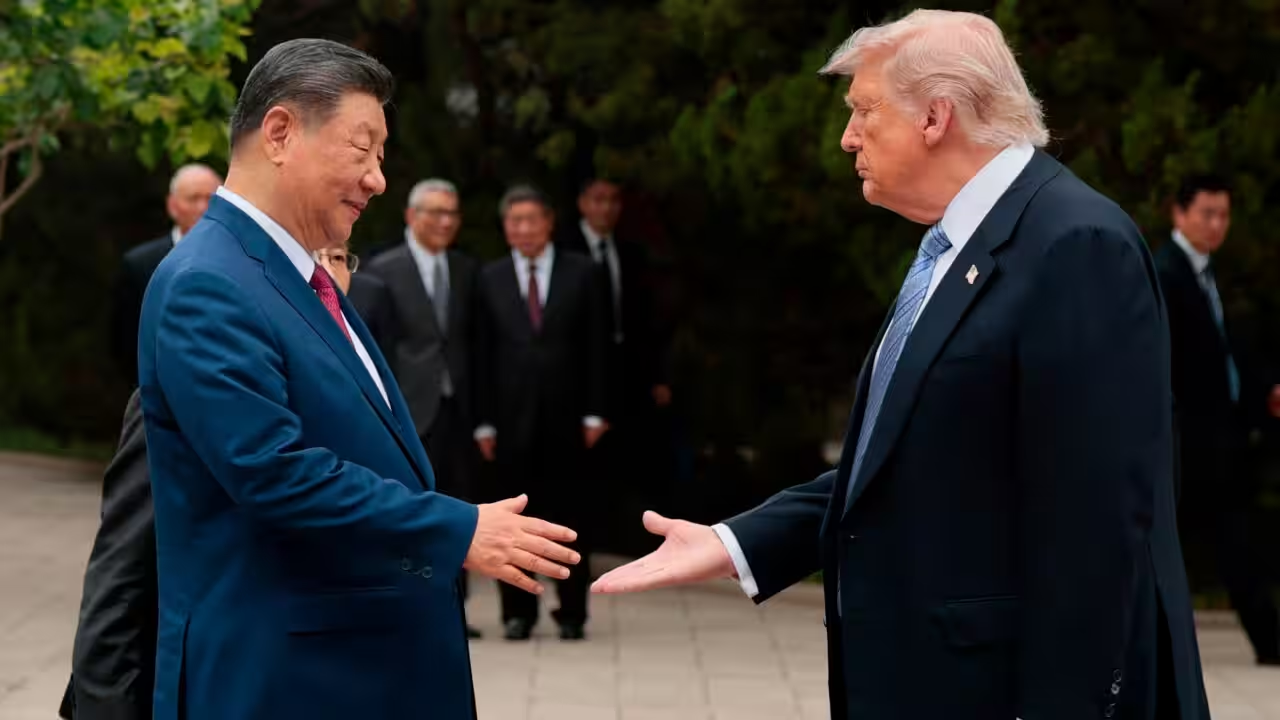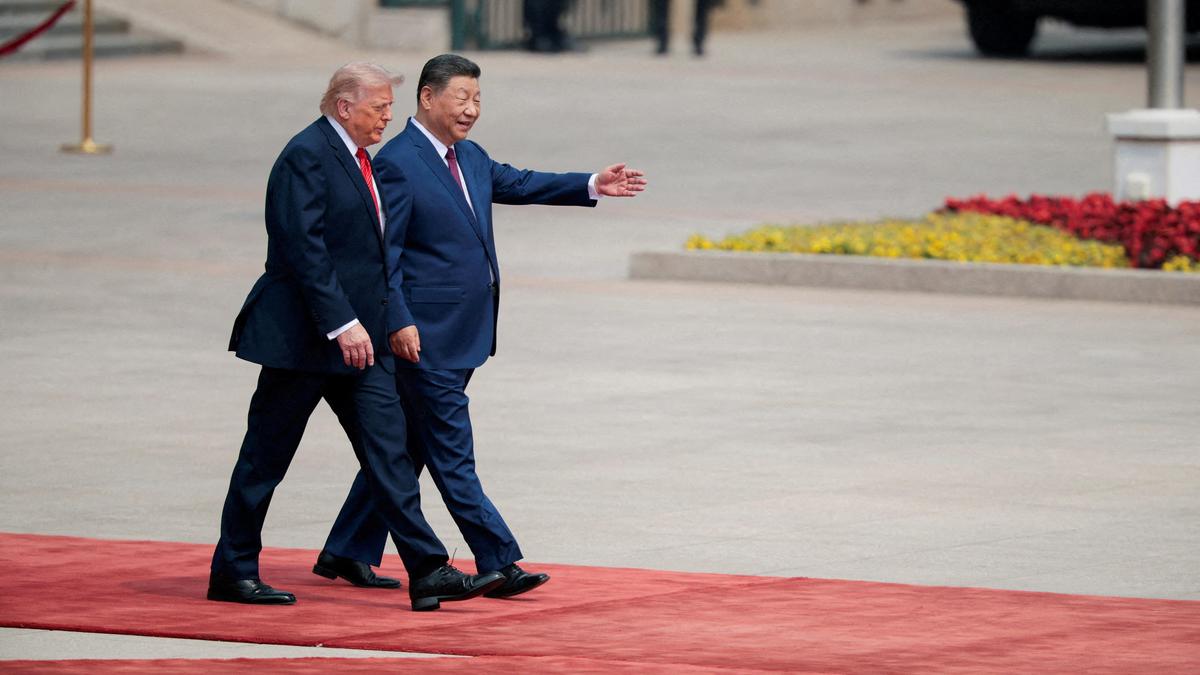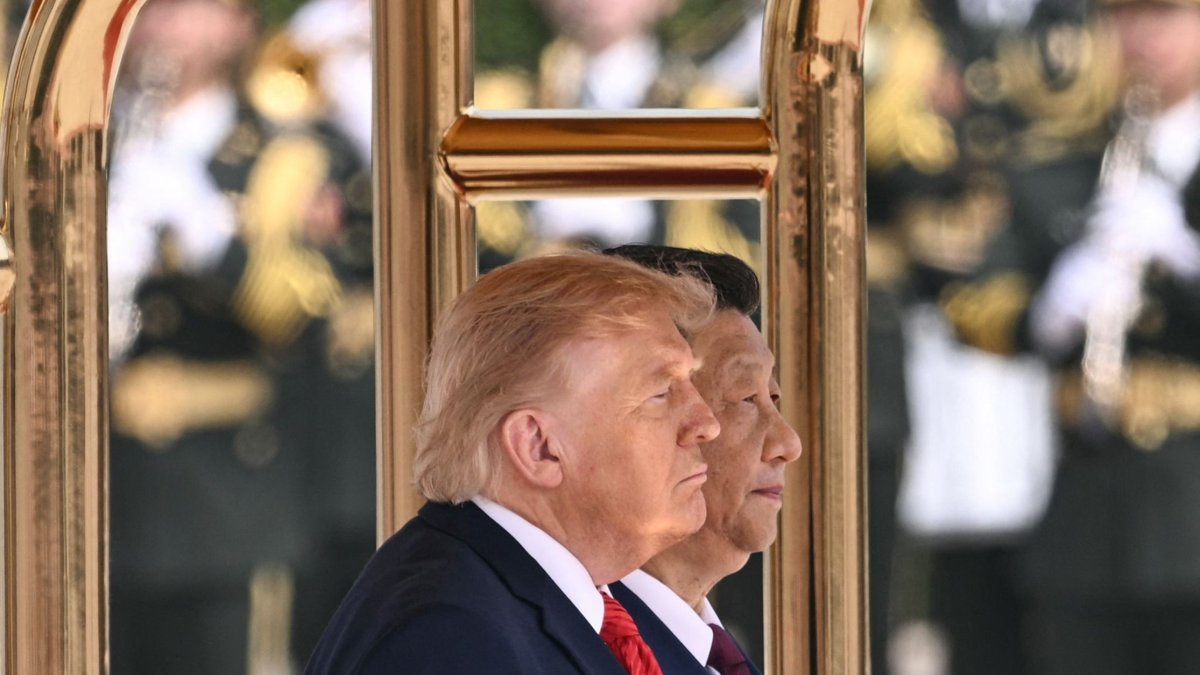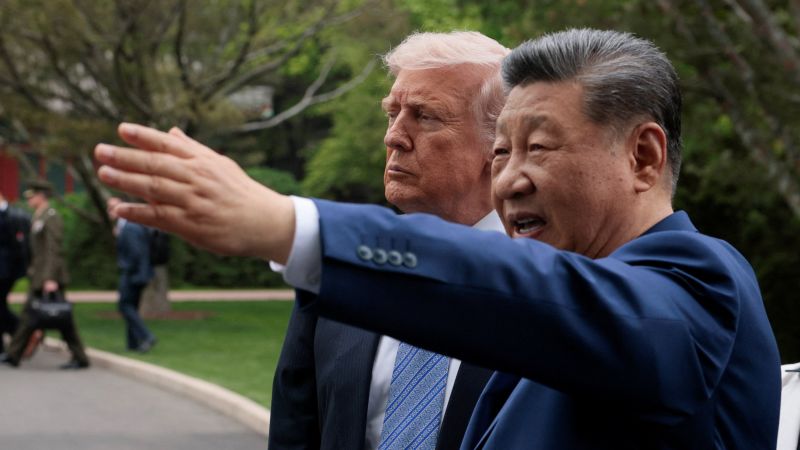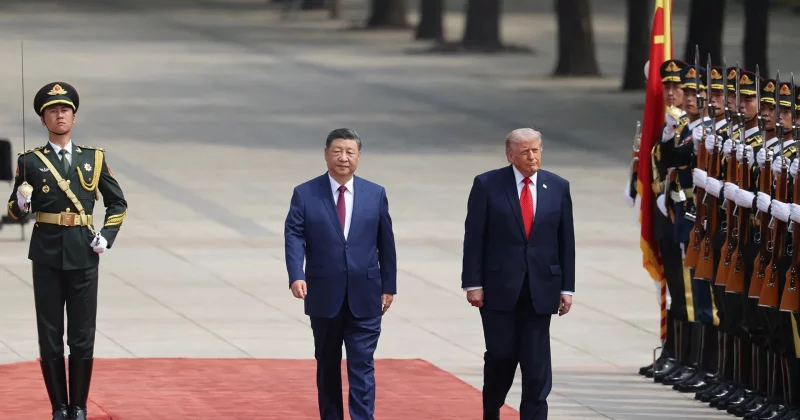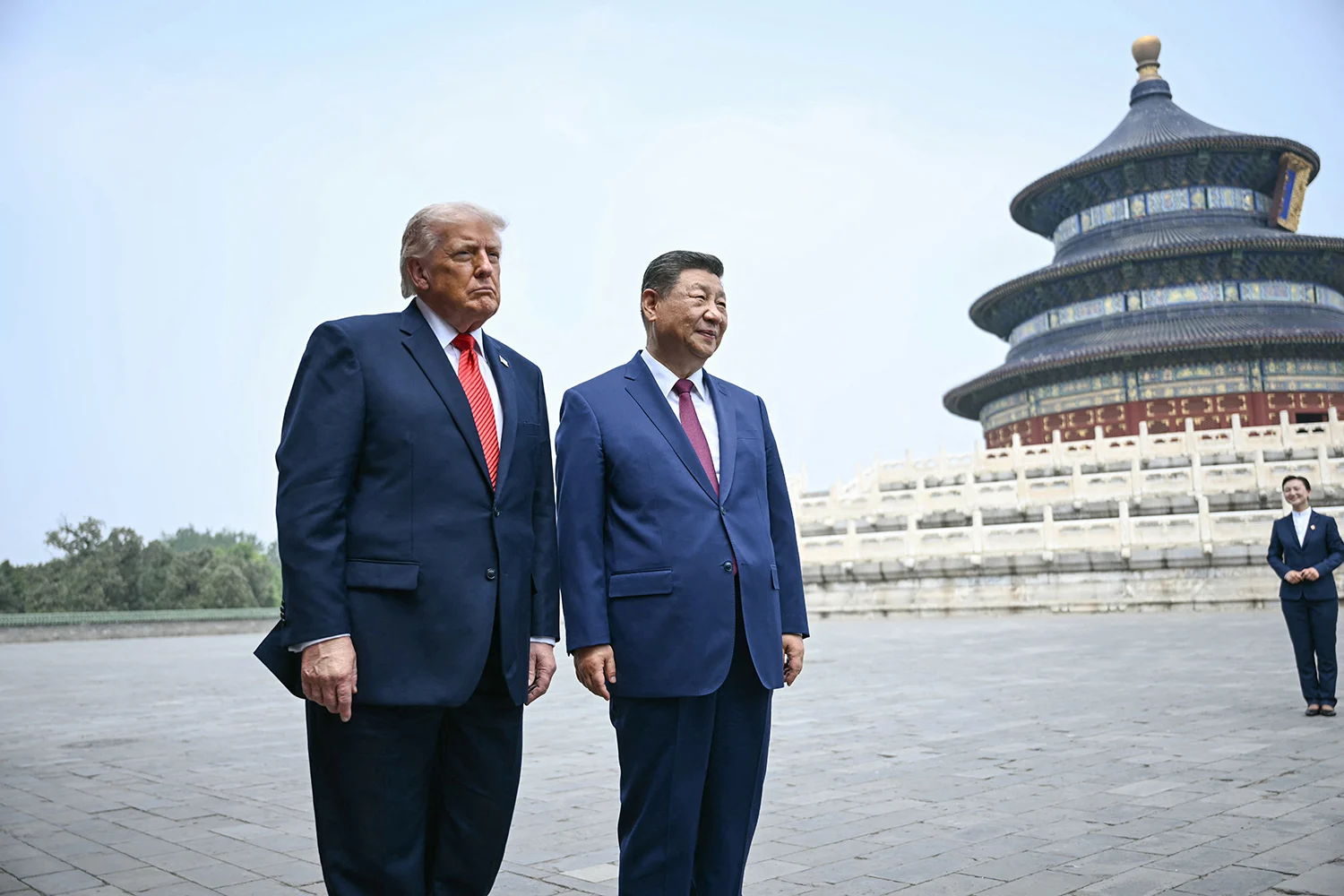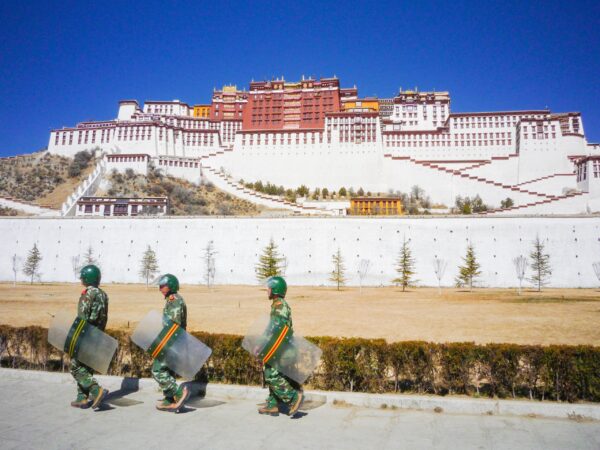
For Tibetans, the complete omission of their cause from both diplomatic dialogue and media coverage during U.S. President Donald Trump’s recent visit to China represented a bleak low-water mark – a clear sign of where global priorities are shifting. At least since the George H.W. Bush administration, American leaders visiting Beijing were traditionally expected to raise the Tibetan issue during bilateral meetings. While some might view introducing topics that inconvenience Beijing as a diplomatic hurdle, doing so historically provided the United States with vital leverage, establishing a moral asymmetry between right and wrong on the global stage.
Today, by abandoning this leverage, the Trump White House has inadvertently granted Beijing the upper hand. In bilateral dialogues and negotiations, the United States has transitioned from an arbiter of global values into a receiver of Chinese demands, enduring warnings regarding the fragility of relations if Washington mismanages the Taiwan issue.
Stripped of a values-based agenda, the administration’s diplomacy has been reduced to a narrow, transactional scope: urging the purchase of American goods – something that China was previously doing anyway – and perhaps requesting Beijing’s assistance with Iran. By purging human rights and democratic principles from the U.S. international strategy and other tendencies, China’s governance has been effectively normalized.