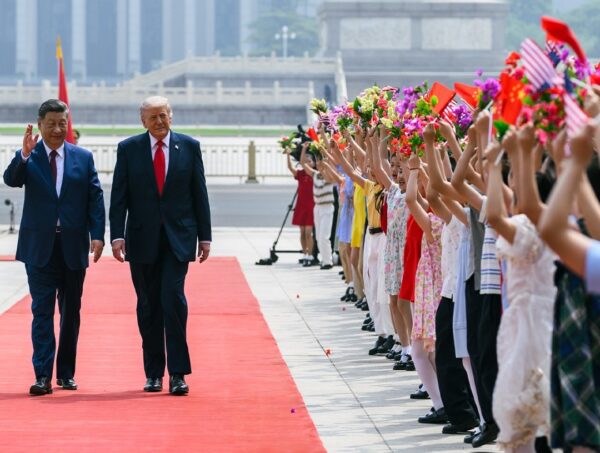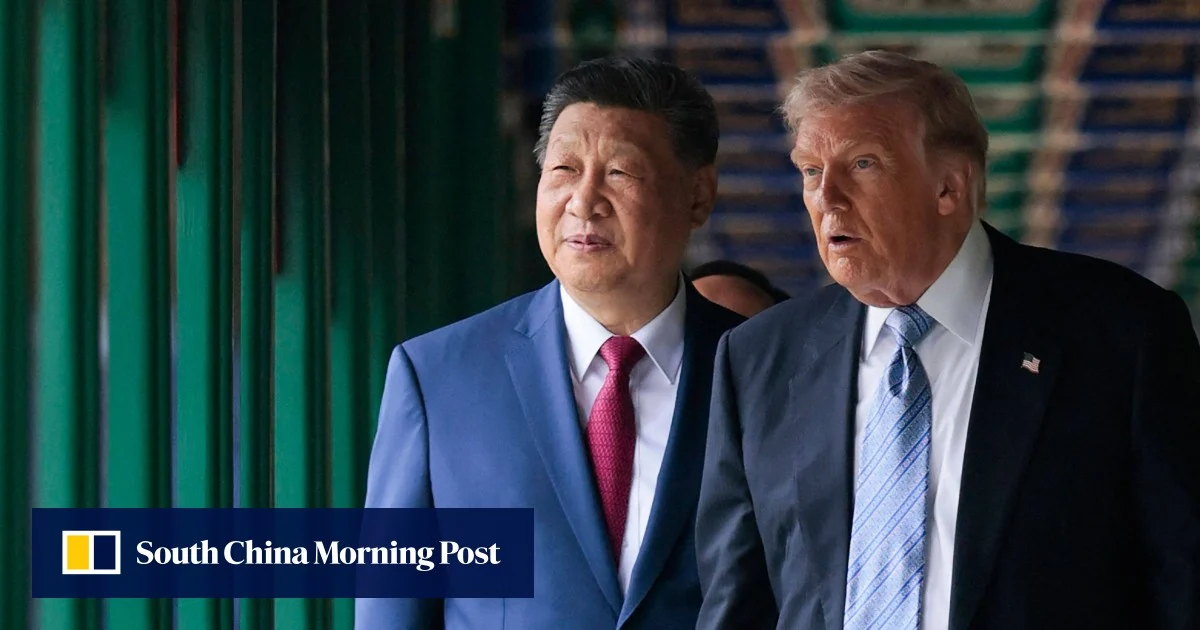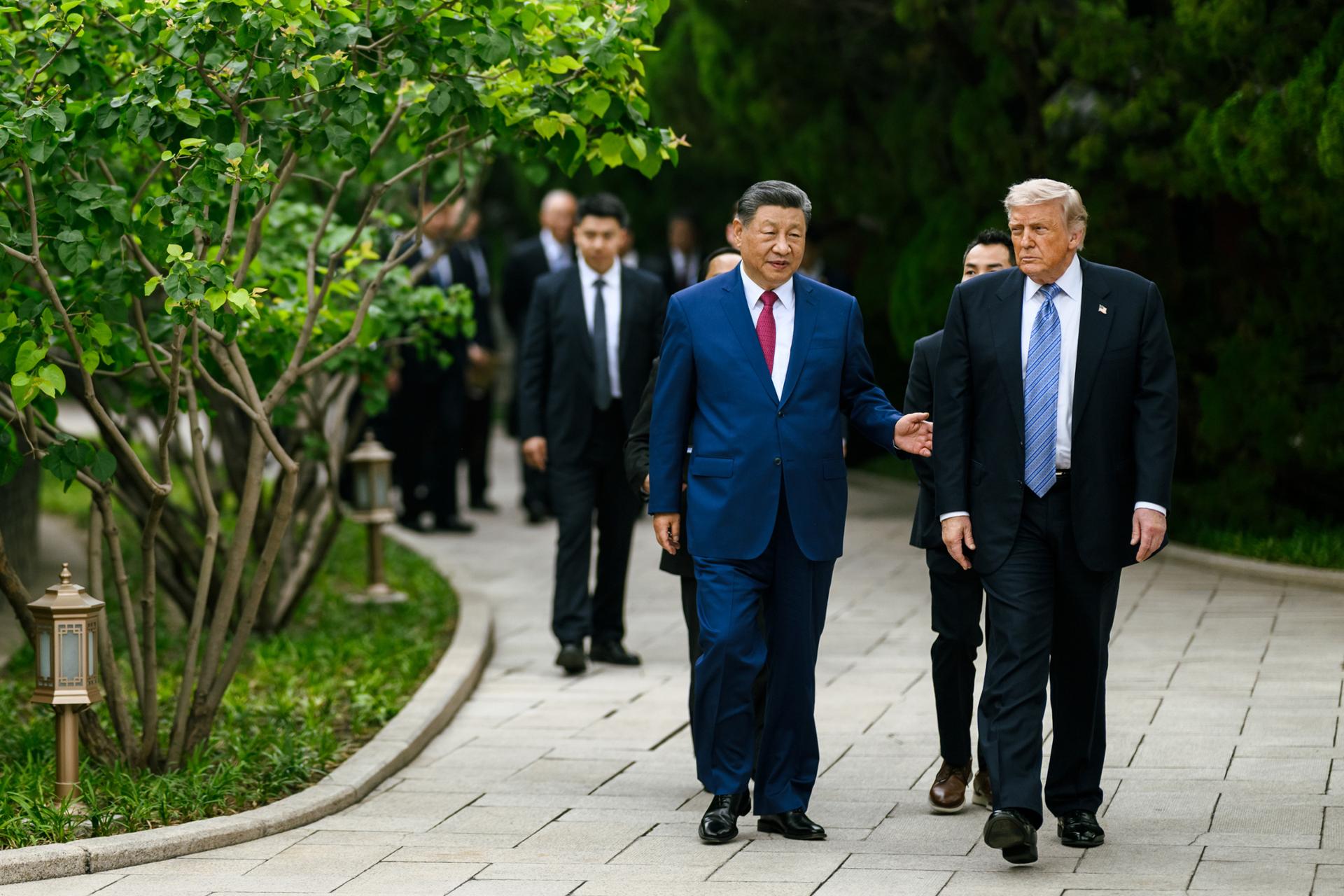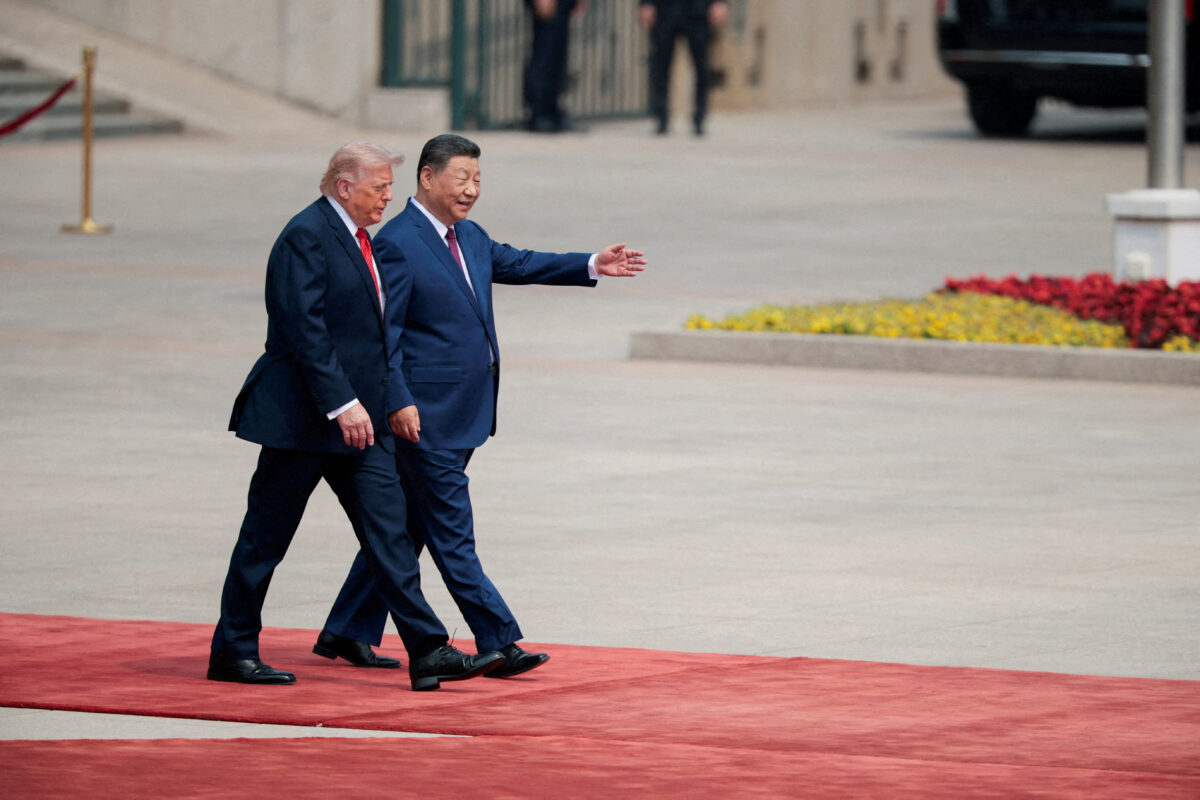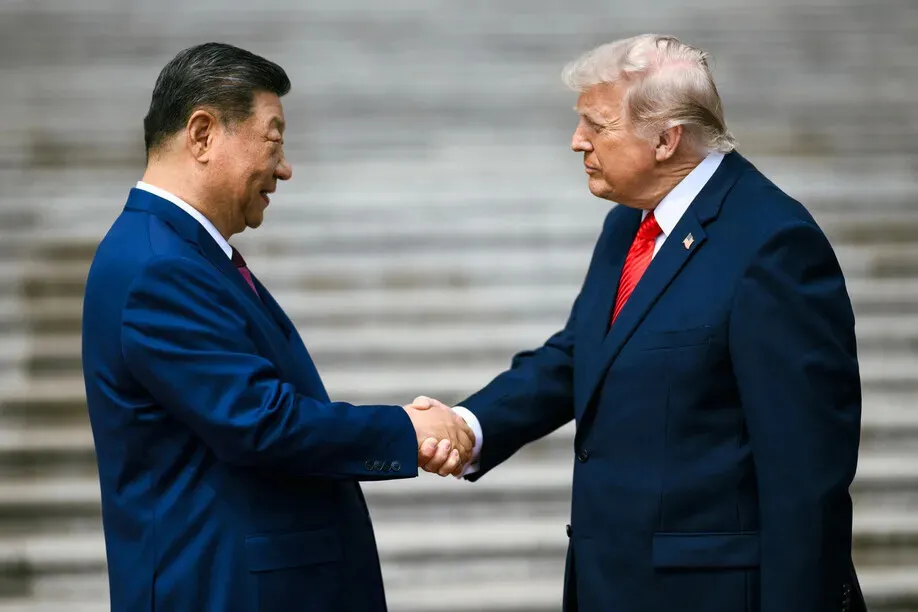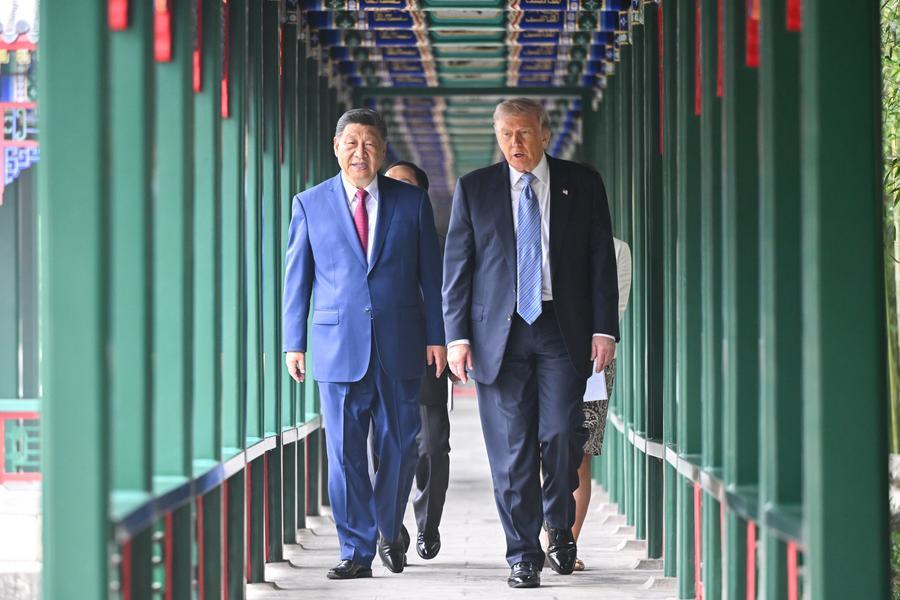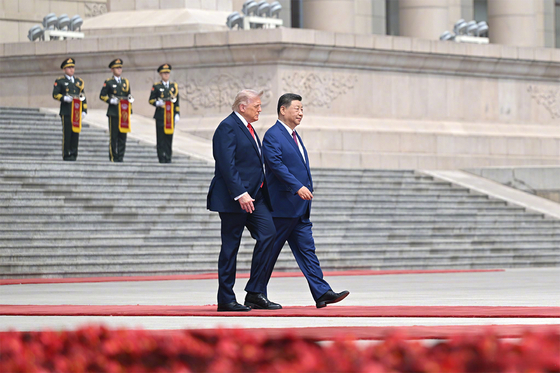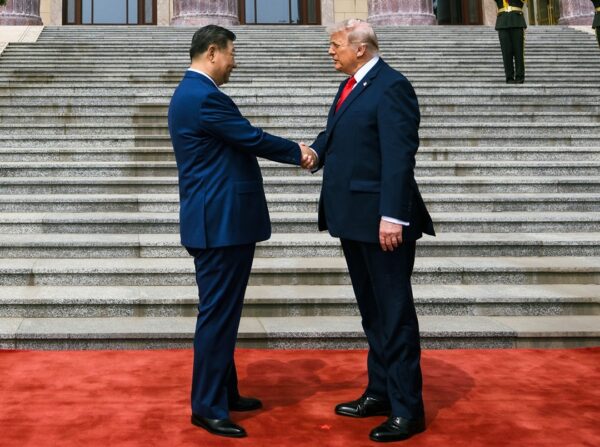
At the recently concluded China-U.S. summit in Beijing, Chinese President Xi Jinping called for building a “constructive China-U.S. relationship of strategic stability,” which would provide “strategic guidance” for bilateral ties “for the next three years and beyond.” Washington responded to this formulation positively, with the White House readout confirming that both sides agreed to build a “constructive relationship of strategic stability on the basis of fairness and reciprocity.”
So what exactly is “constructive relationship of strategic stability” and what are its implications for India, which views itself as a key player in shaping the emerging global order?
According to China’s definition, the framework has four components, namely “positive stability with cooperation as the mainstay,” “sound stability with moderate competition,” “constant stability with manageable differences,” and “enduring stability with promises of peace.” In simple terms, the framework acknowledges long-term competition is inevitable but strives to keep it manageable. This was reaffirmed in Chinese Foreign Minister Wang Yi’s description of the framework as “sound stability with moderate competition.”
Although such framework formulations to describe relations between the world’s two largest economies are not new, this version carries immense significance, especially at a time when the global order is in flux. First, by championing the idea of a “constructive China-U.S. relationship,” Beijing is decisively shifting away from the G-2 narrative — an idea originally proposed by U.S. economist C. Fred Bergsten in 2005, which advocated a China-U.S. duopoly to stabilize global markets and tackle issues of global concern. The idea witnessed a revival in October 2025, with Trump’s Truth Social post that “THE G2 WILL BE CONVENING SHORTLY!” just before his meeting with Xi in Busan, South Korea. Following the Beijing summit, Trump again referred to his meeting with Xi as a defining “G-2” moment.