(This article is part of the View From India newsletter curated by The Hindu’s foreign affairs experts. To get the newsletter in your inbox every Monday, subscribe here.)
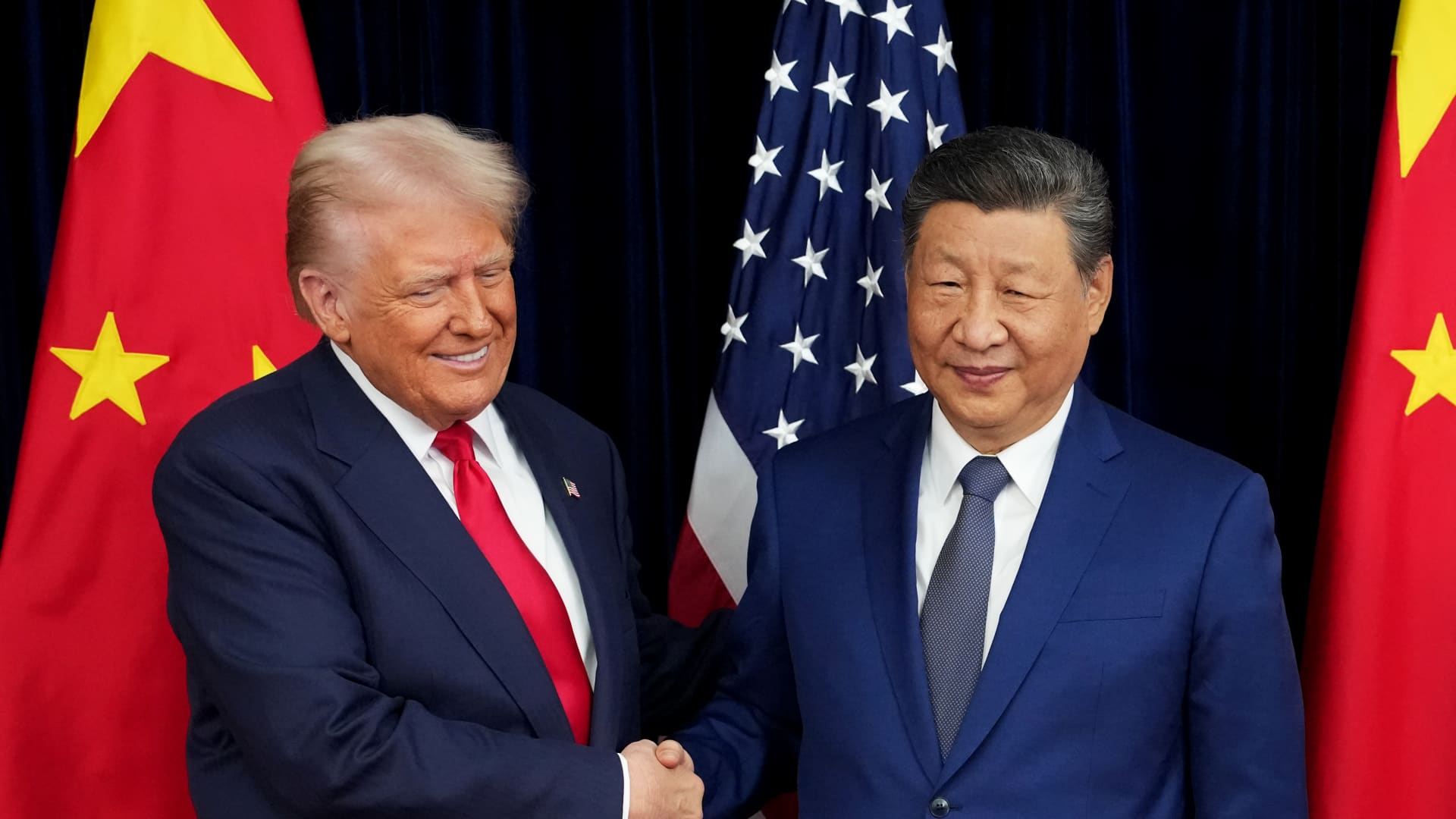
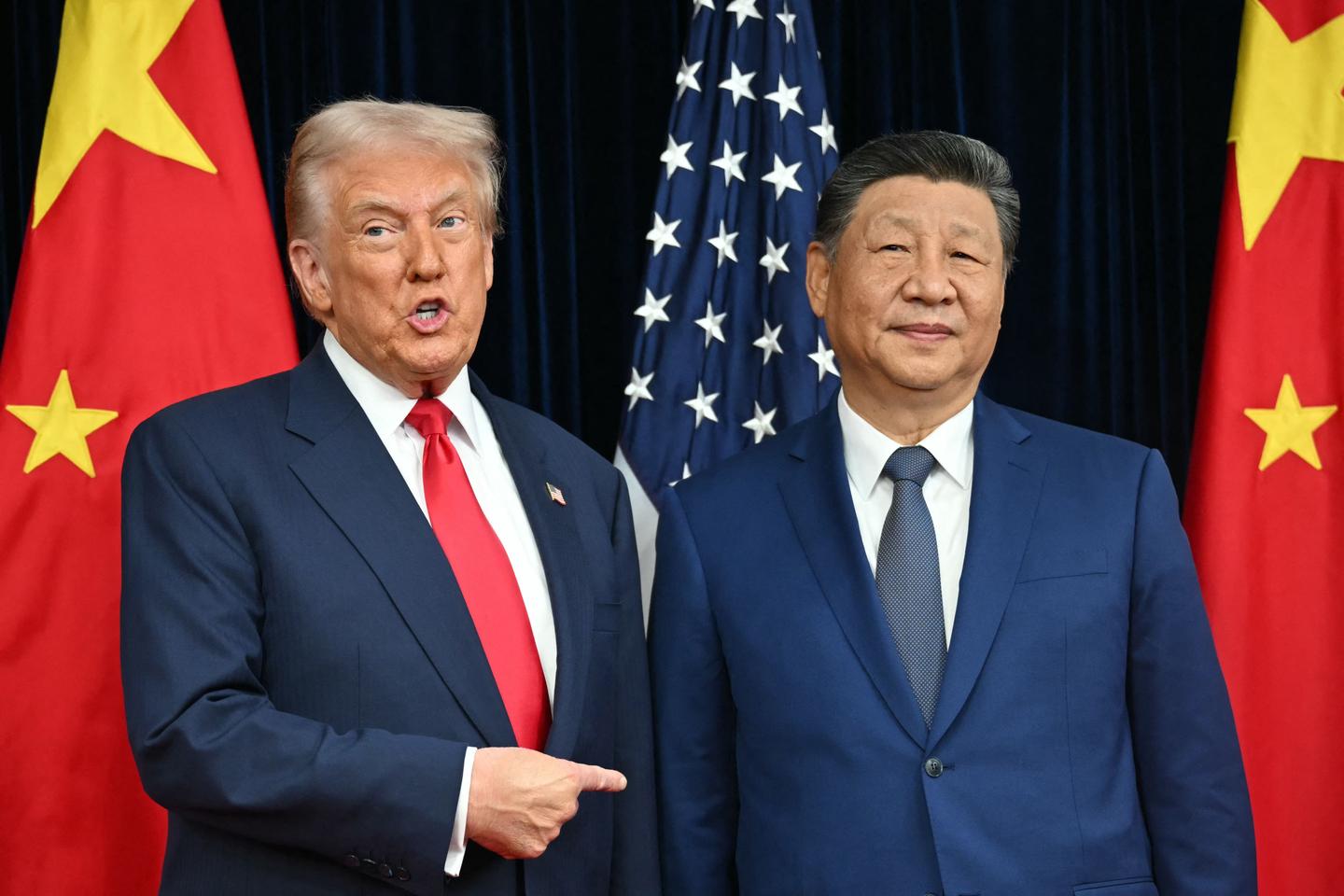
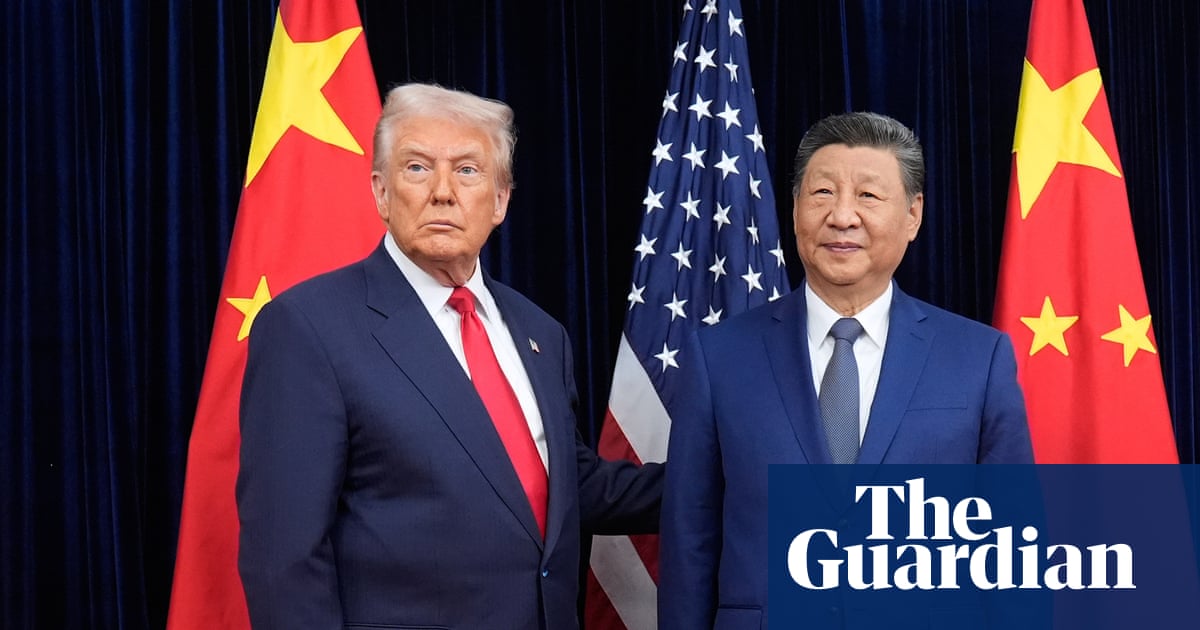
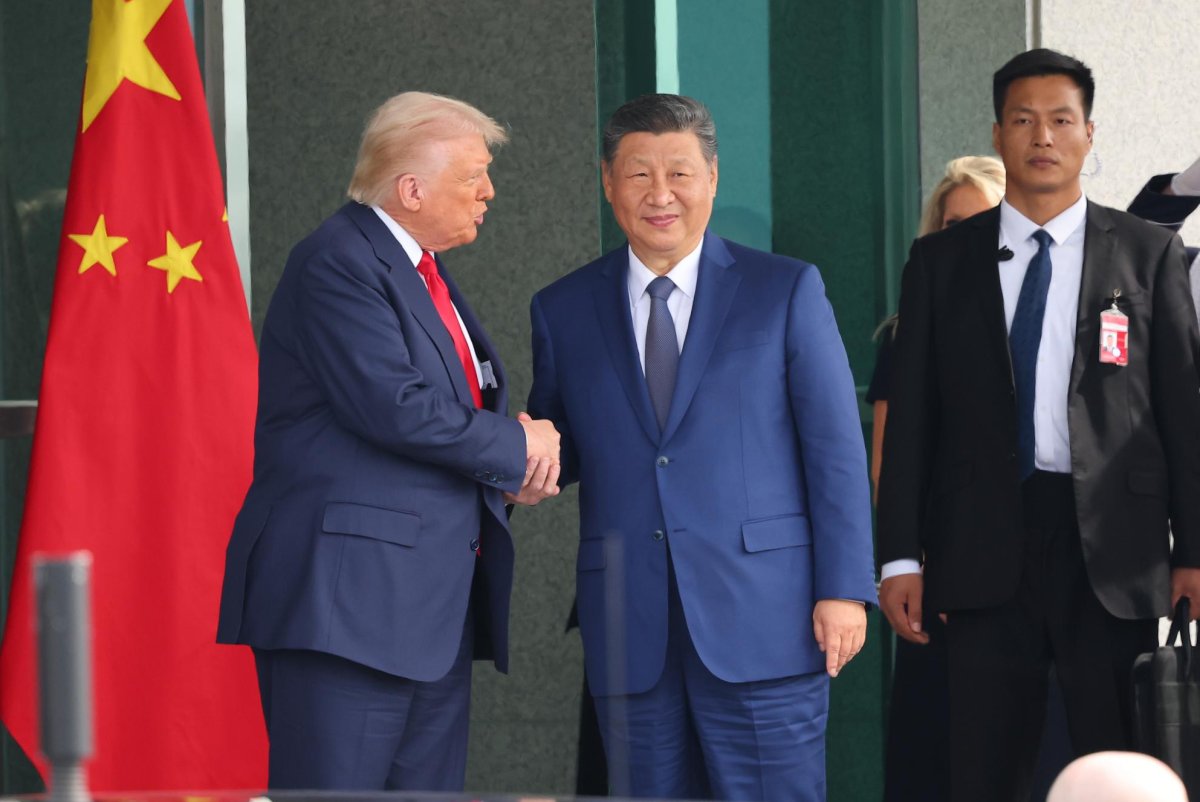
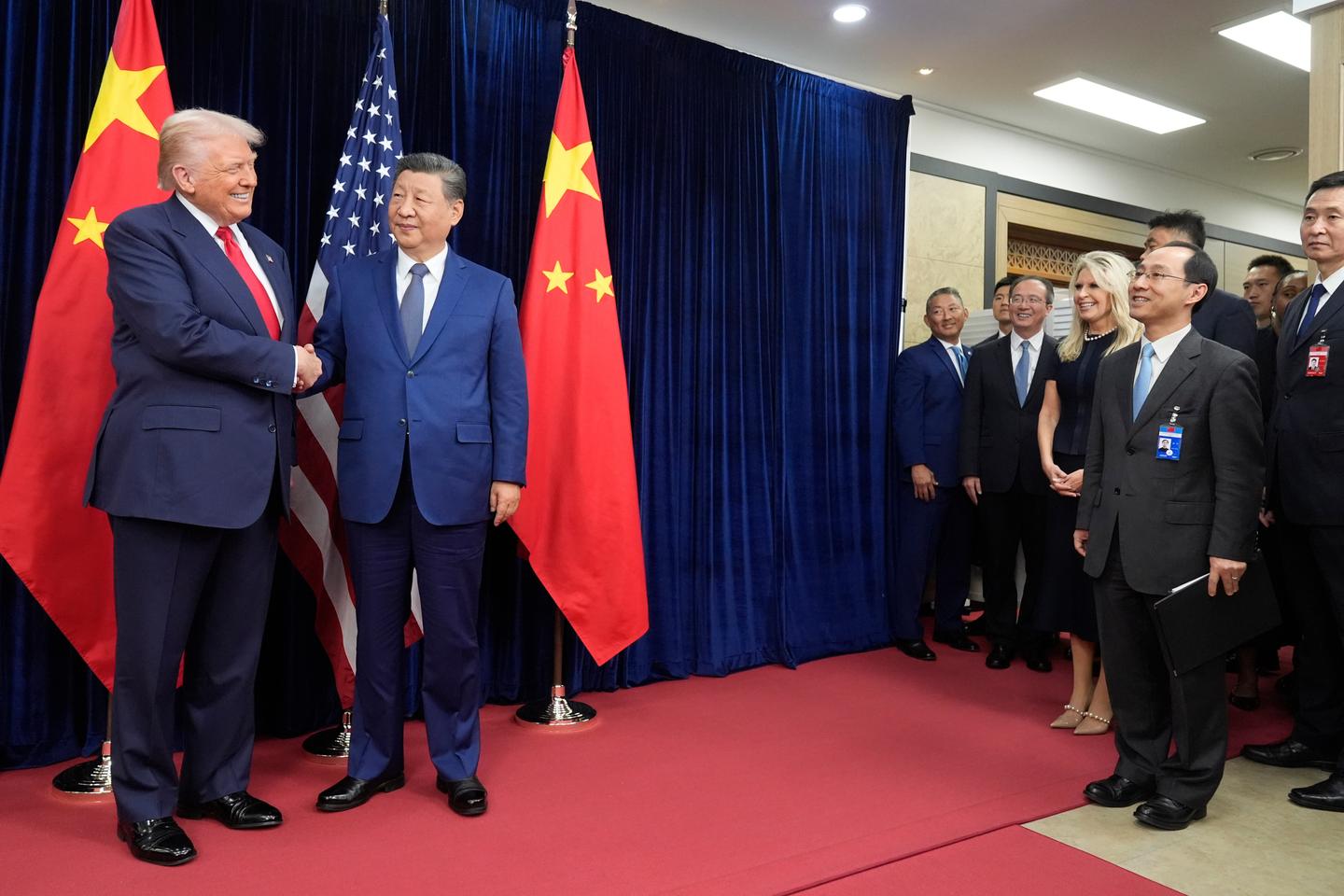
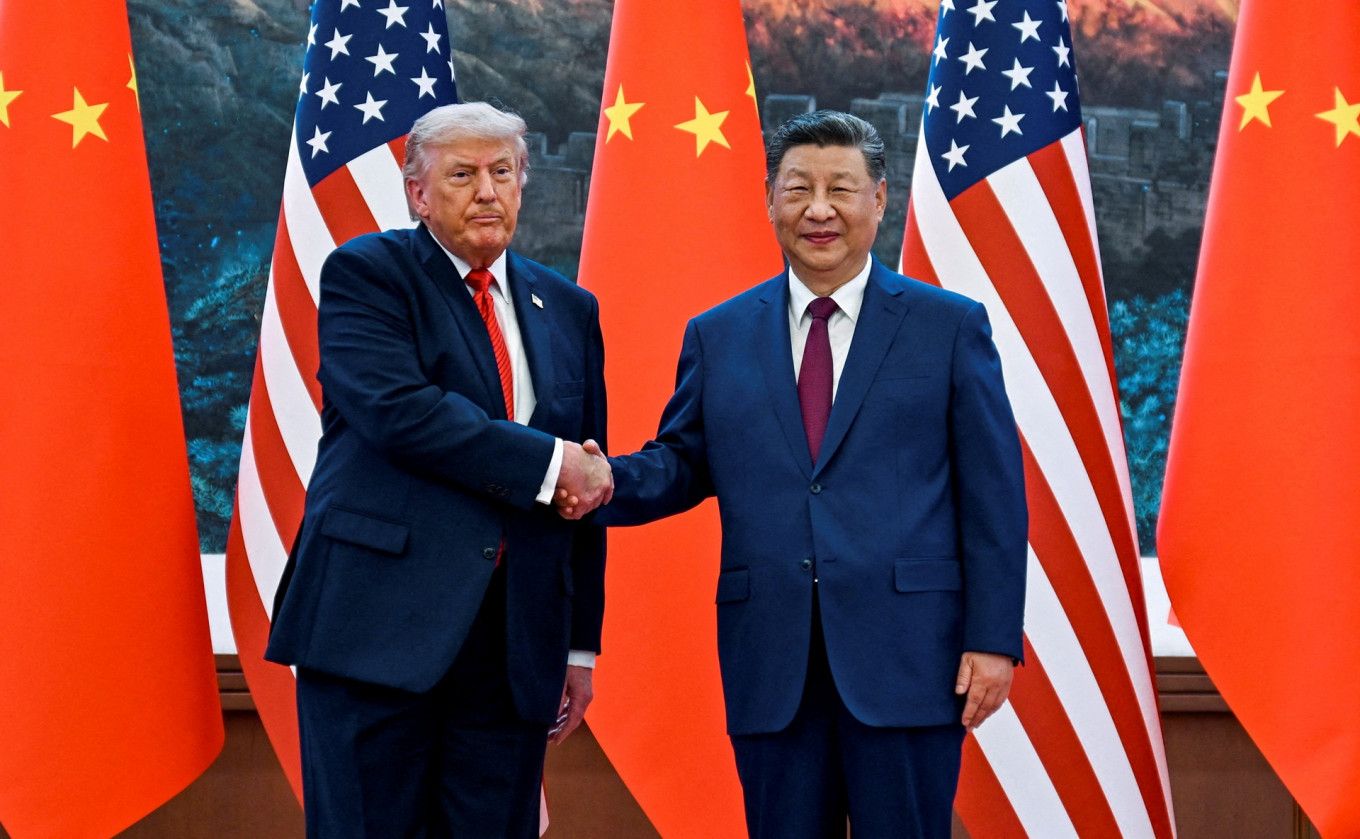
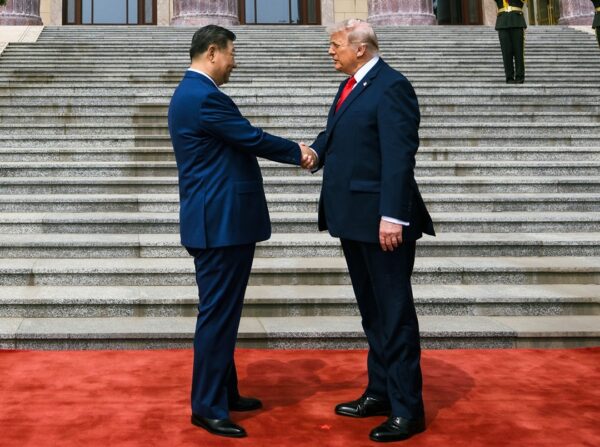
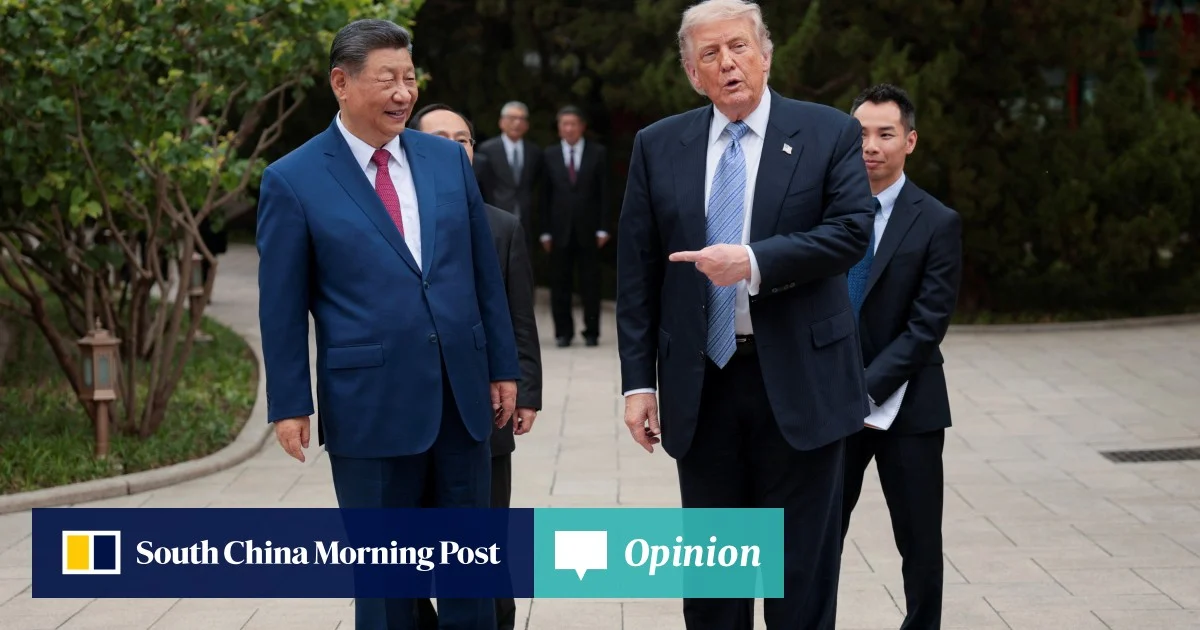
Ahead of meeting Chinese President Xi Jinping on October 30 in Busan, South Korea, U.S. President Donald Trump framed the talks as “a G2 summit”. After the talks, in which both sides agreed to de-escalate their trade war, Mr. Trump referred to China as “the biggest partner of the United States”. On November 2, Pete Hegseth, Mr. Trump’s Secretary of War, said he had a meeting with China’s Minister of Defence Dong Jun in Malaysia. “As President Trump said, his historic “G2 meeting” set the tone for everlasting peace and success for the U.S. and China... Admiral Dong and I also agreed that we should set up military-to-military channels to deconflict and deescalate any problems that arise. We have more meetings on that coming soon,” Mr. Hegseth wrote in a social media post. On the same day, Mr, Trump said his “G2 meeting with President Xi of China was a great one for both our countries. This meeting will lead to everlasting peace and success”. The message was clear. Washington looks at China as a peer superpower, and wants strategic stability in the bilateral relations between the two.