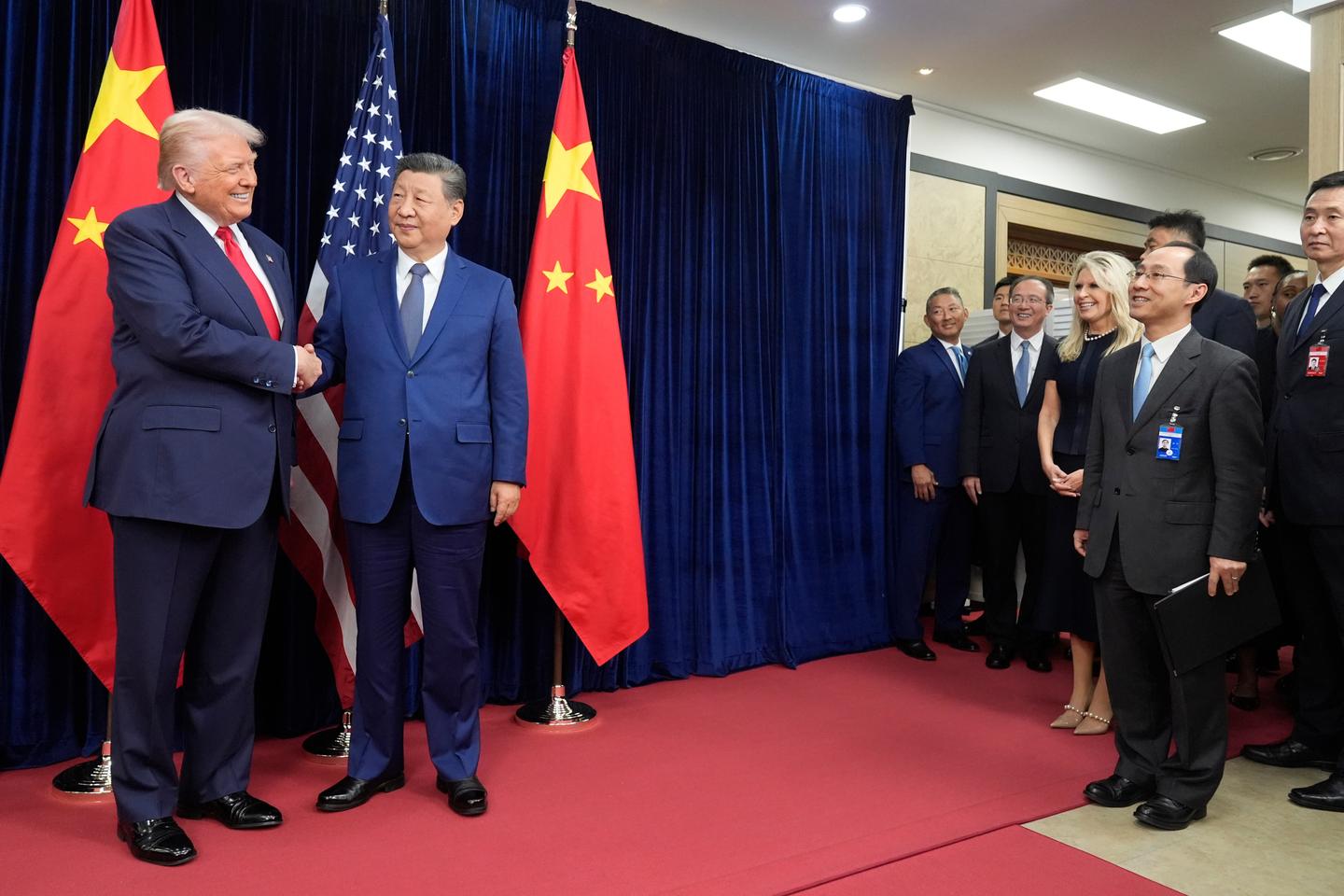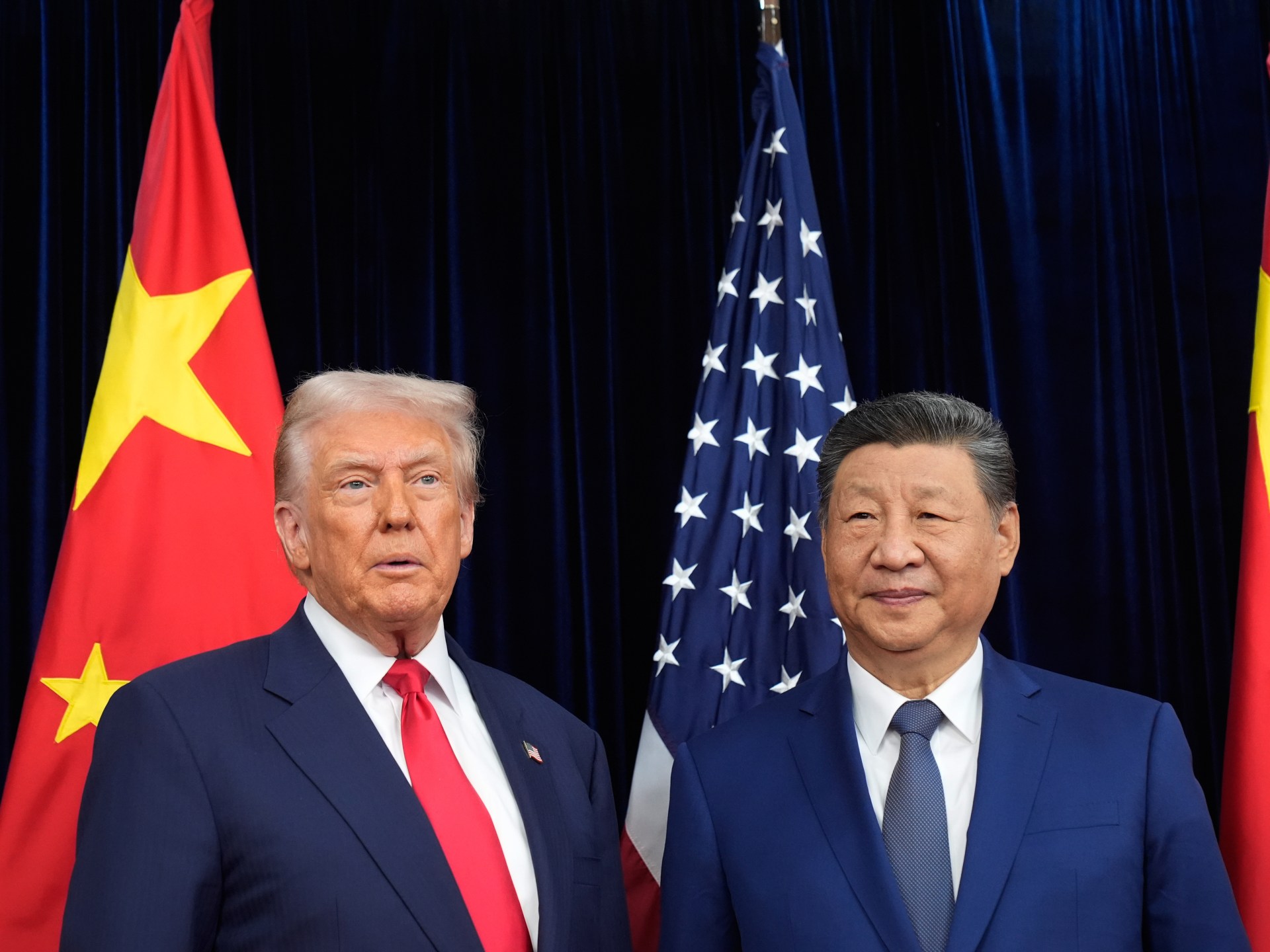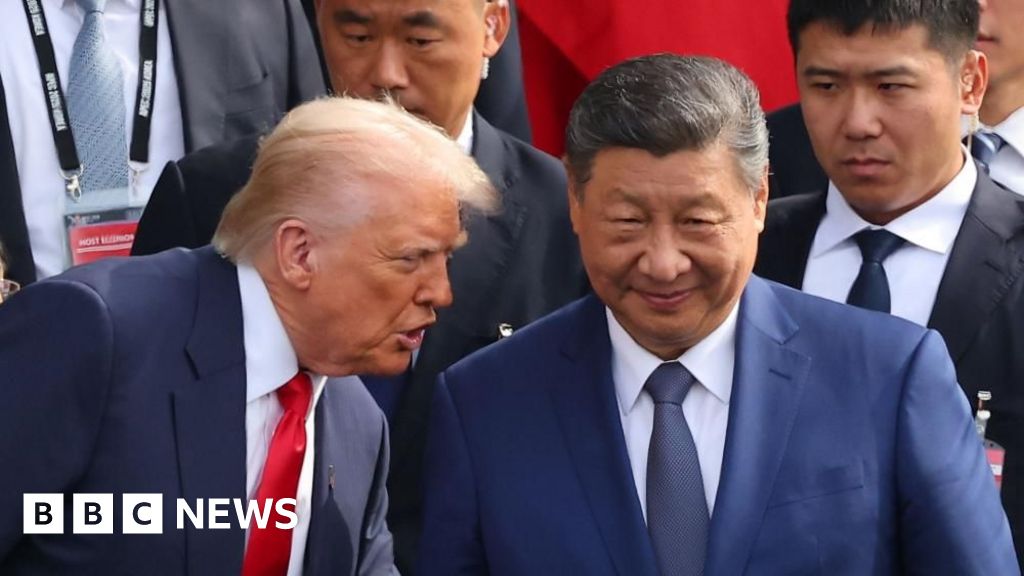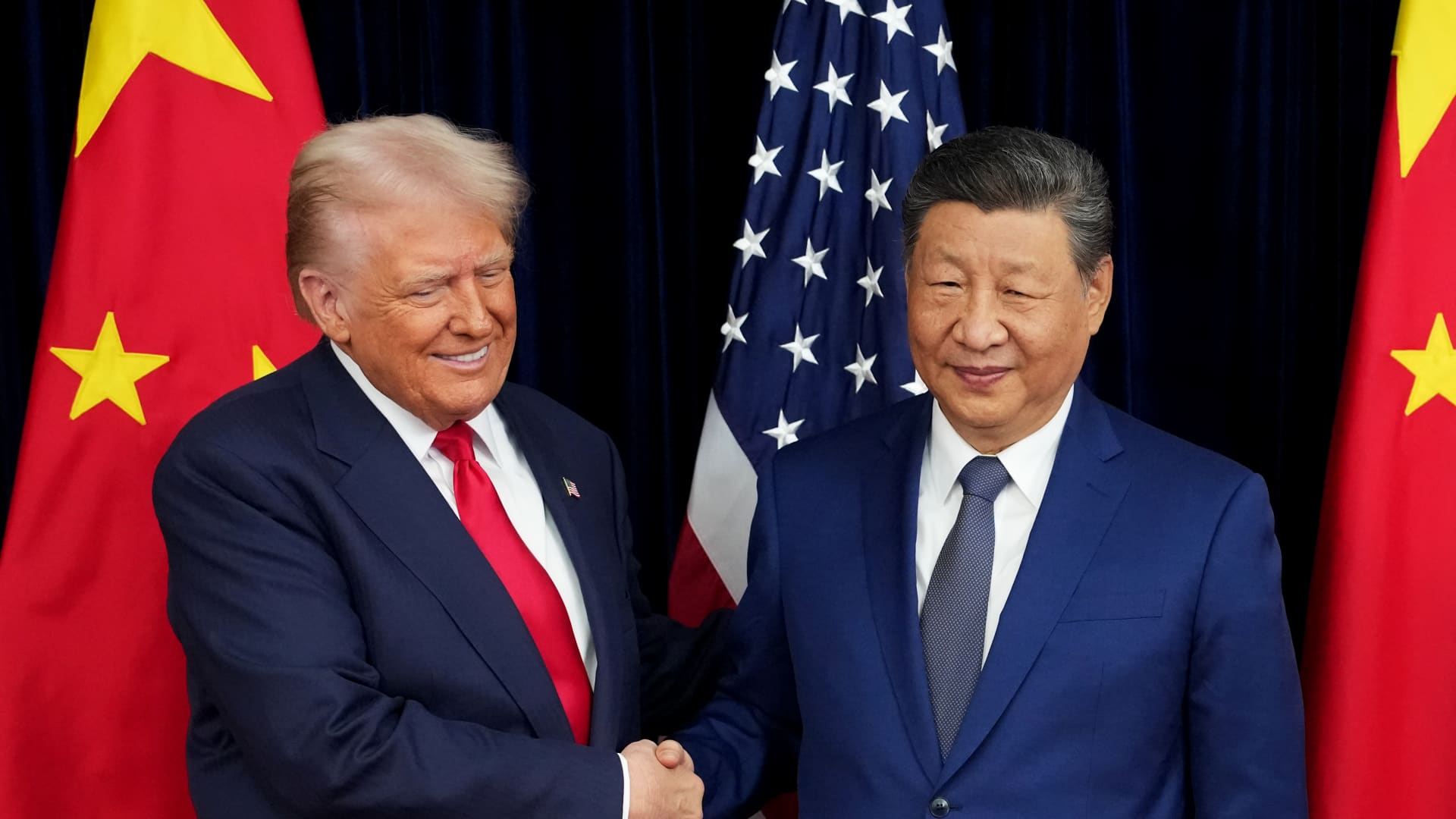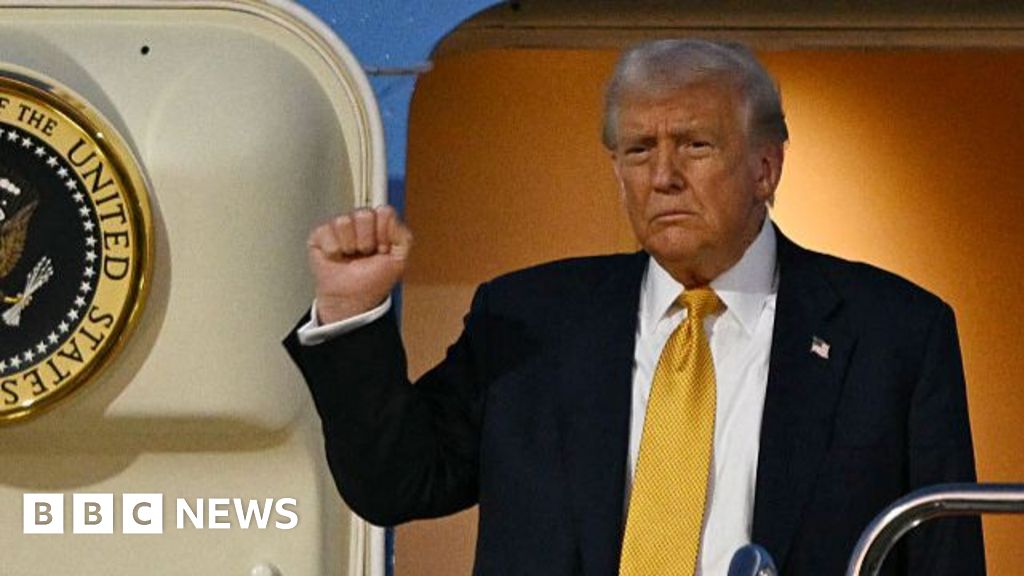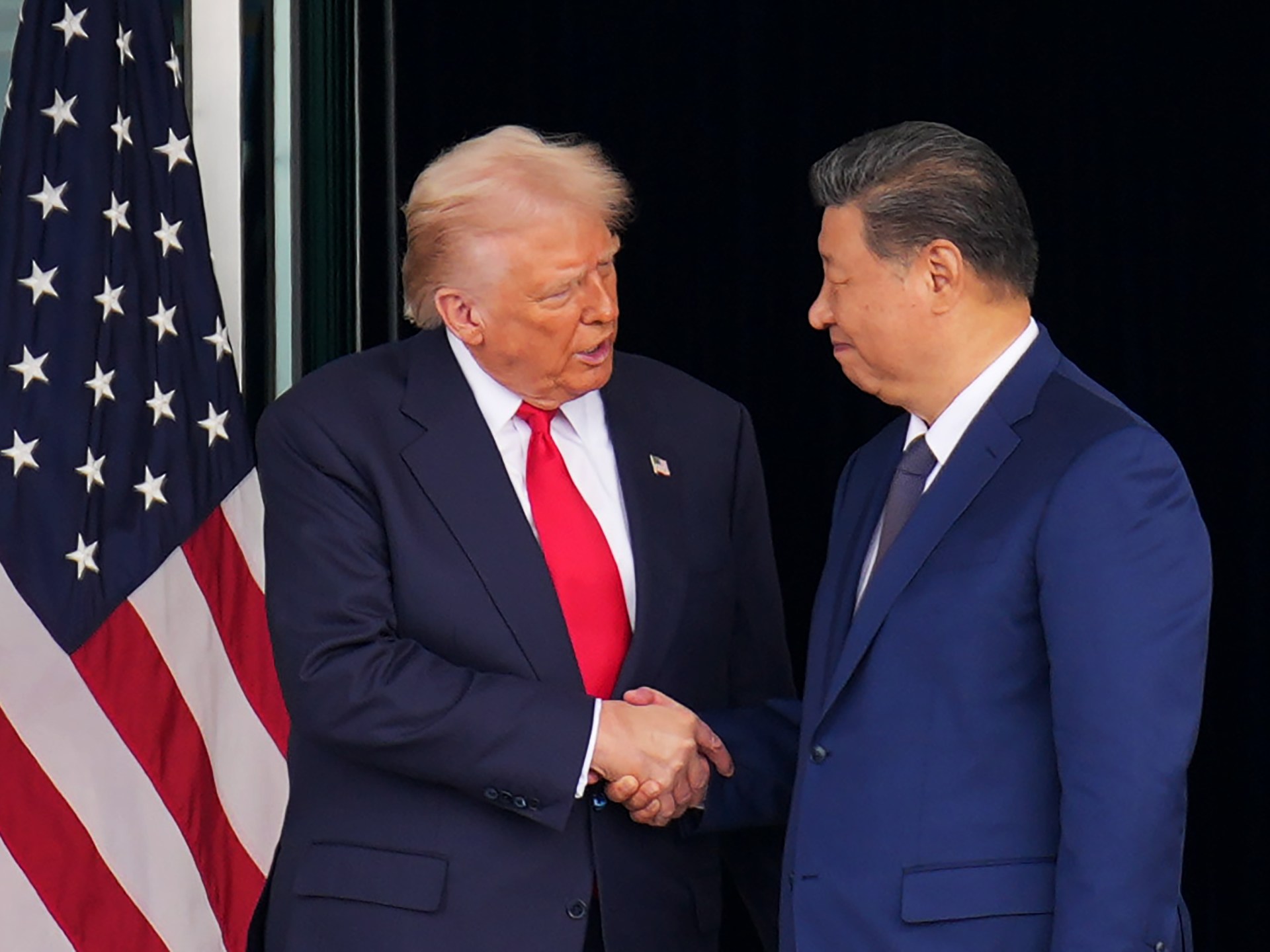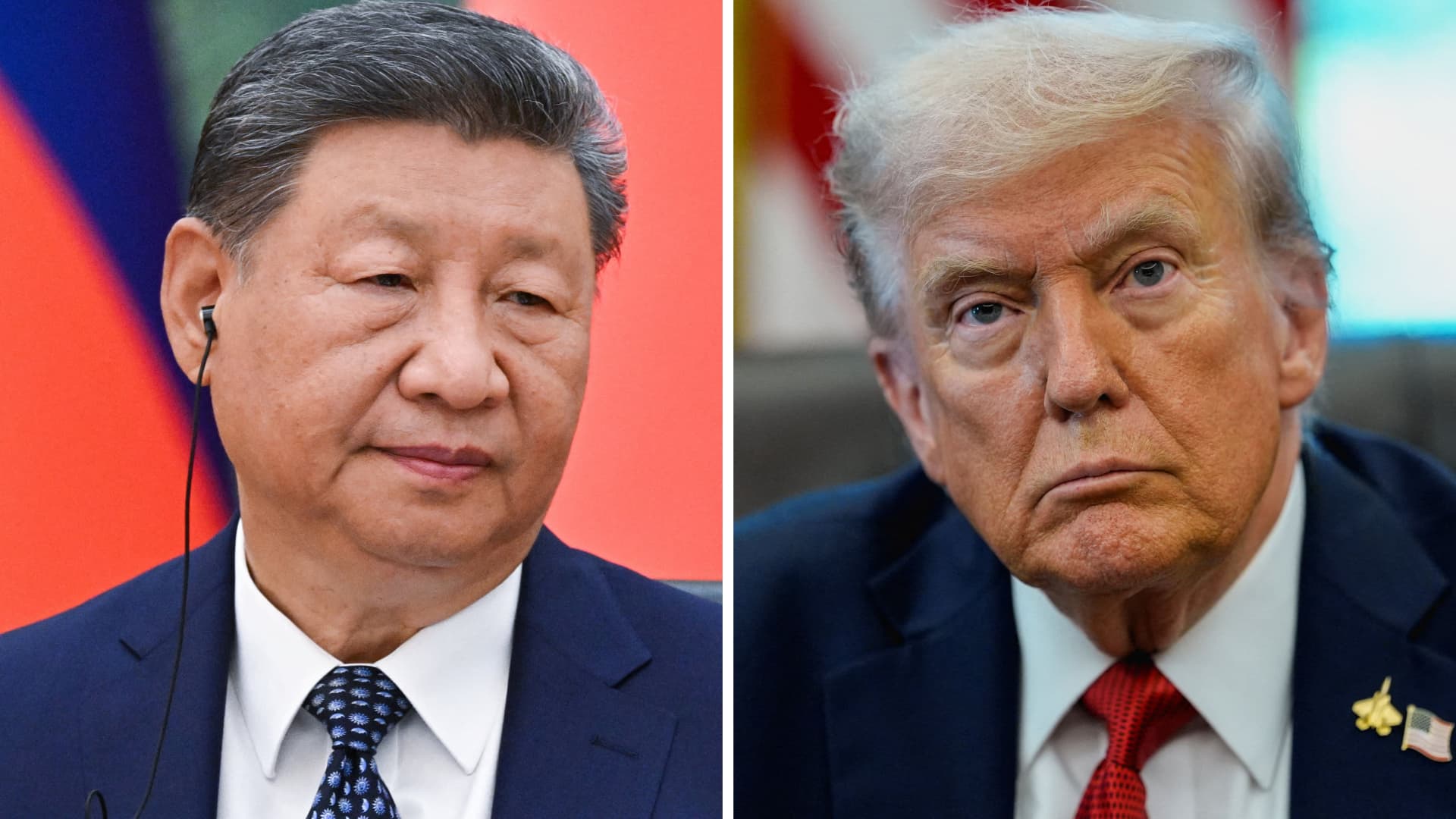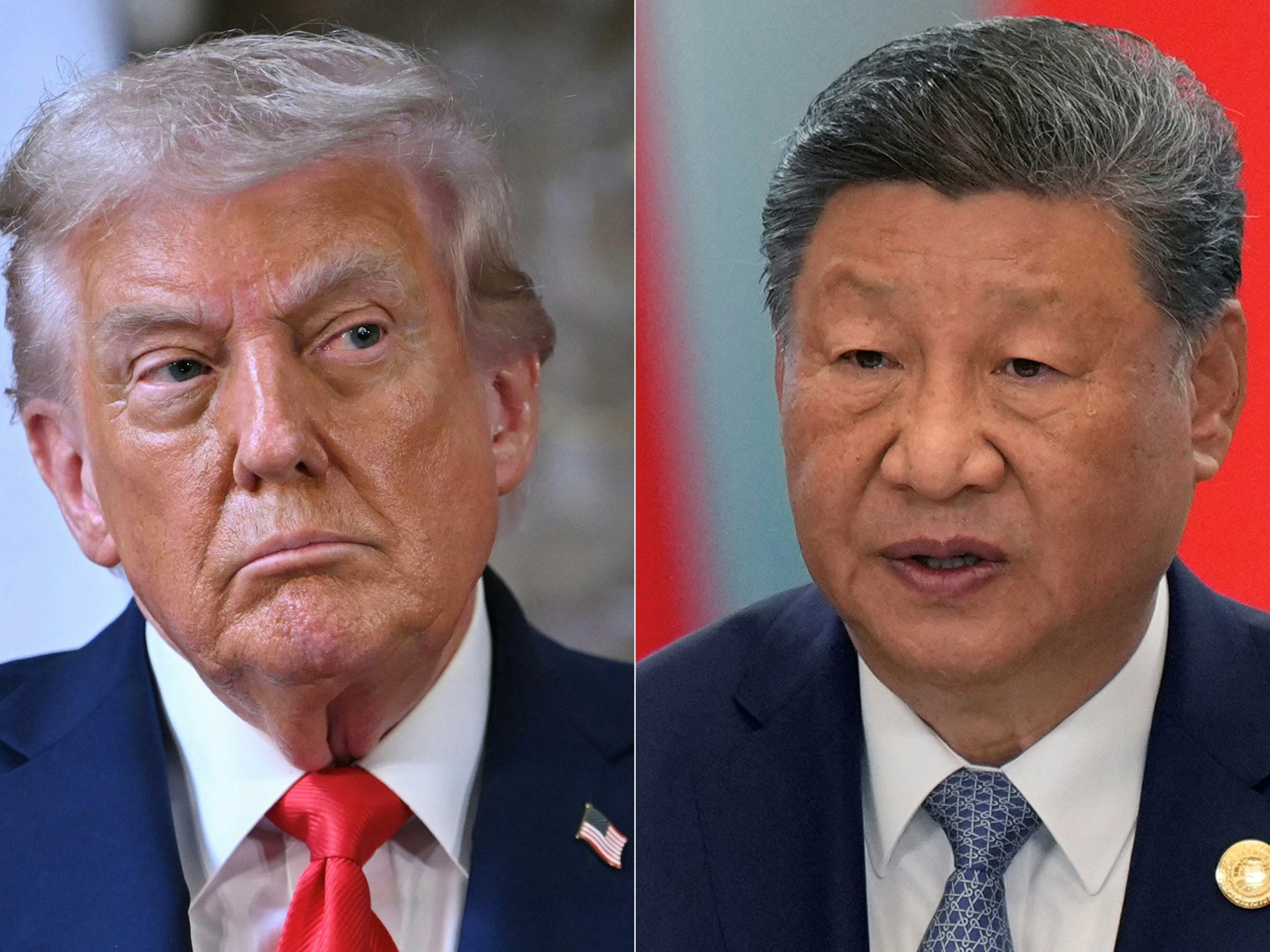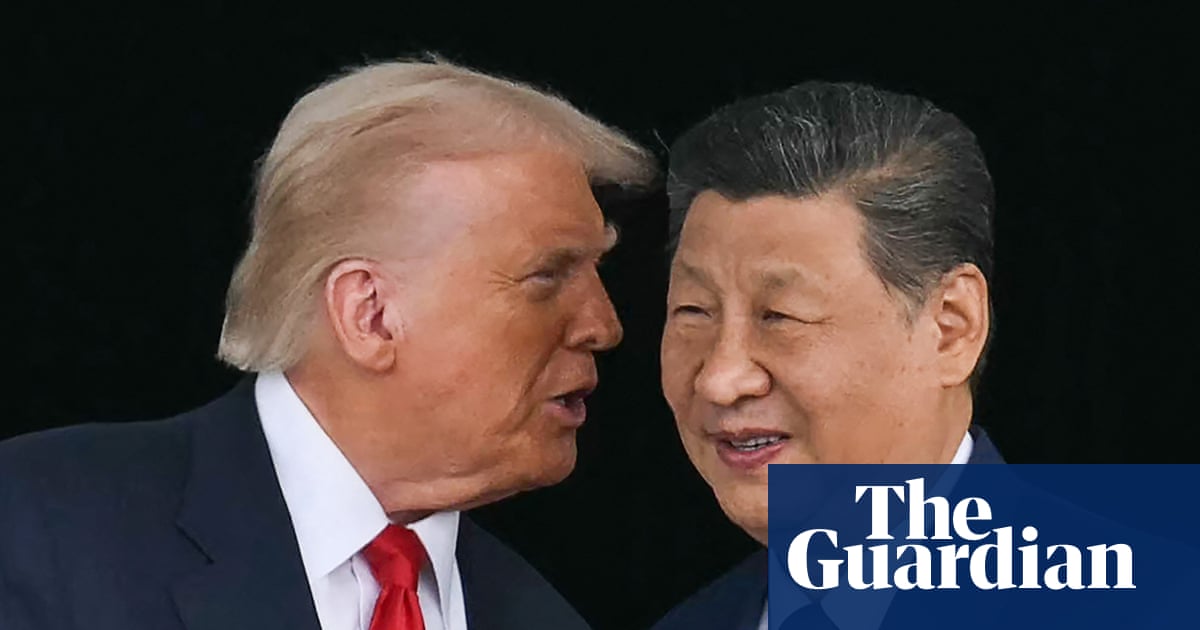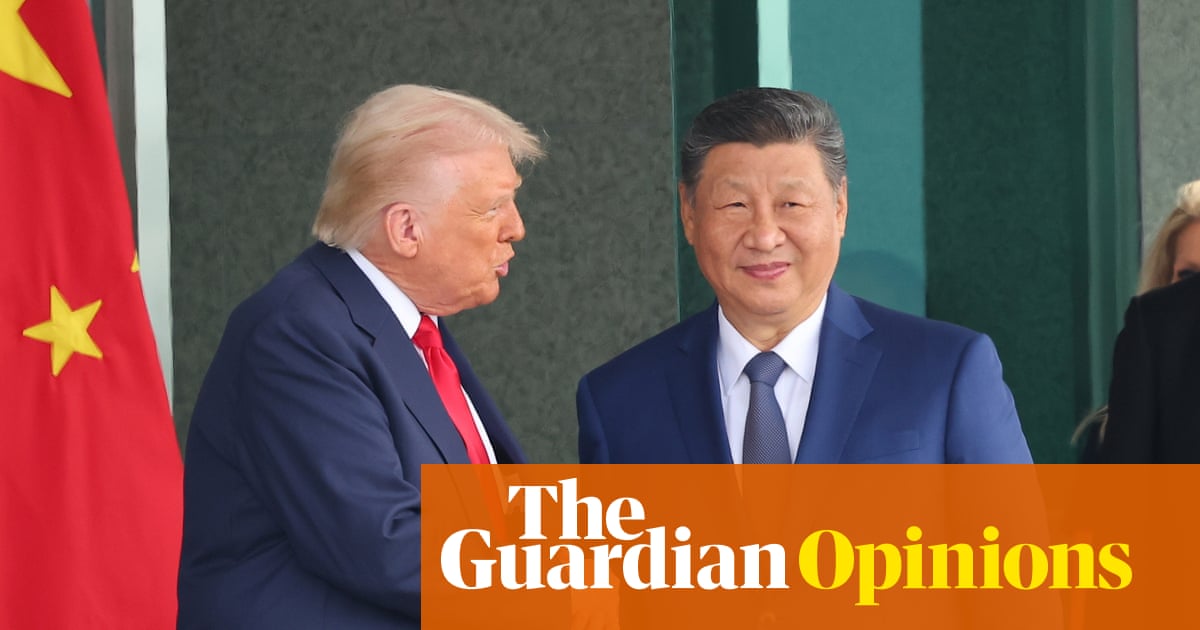
Though the US president’s meeting with Xi Jinping appears to have staved off a global trade war, this is far from a win for Washington
T
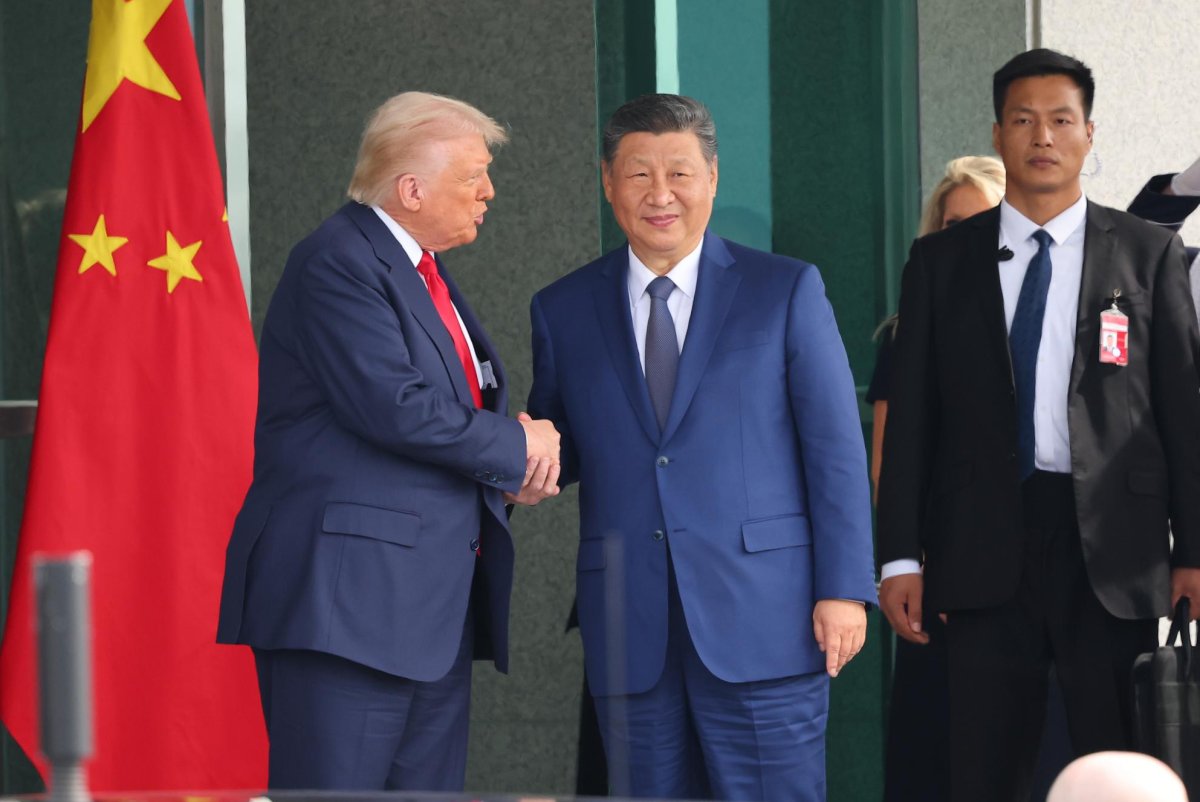
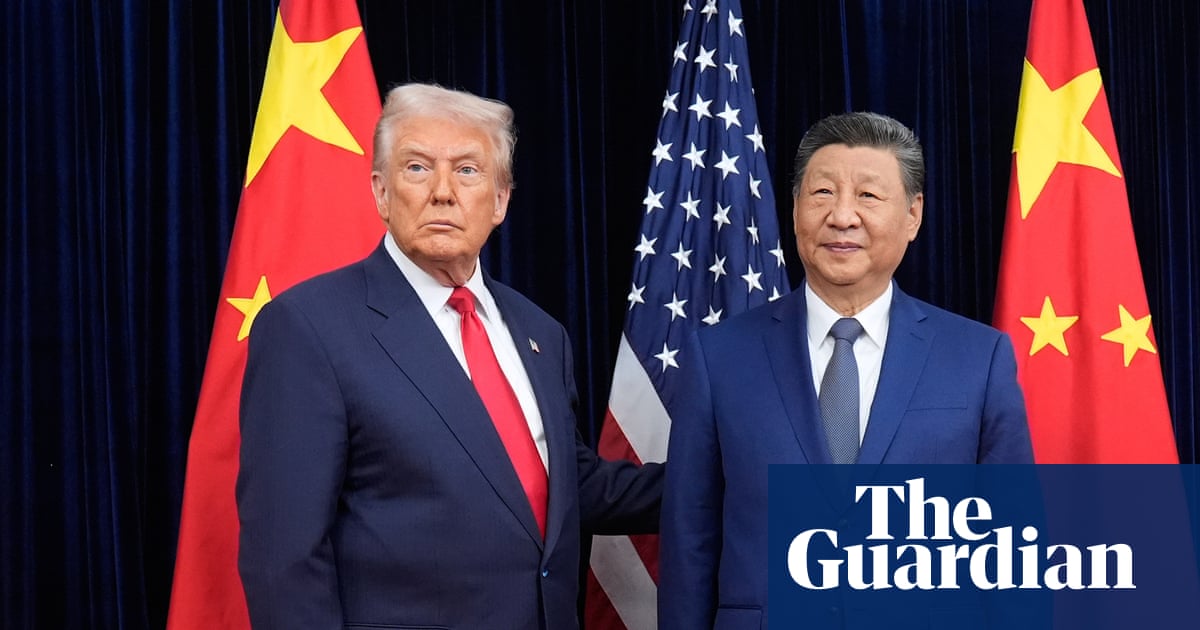
he diverging verdicts offered by the Chinese and American leaders after their talks in South Korea on Thursday reflected more than the chasms between their personal styles and political cultures. Donald Trump gushed about an “amazing” meeting, scoring it 12 out of 10; Xi Jinping reportedly noted that a consensus had been reached, with the two sides needing to finalise follow-up steps rapidly.
Mr Trump’s usual trade approach – shout loudly and wave a big stick – faltered when Beijing raised its own bludgeon. No tribute of gold crowns or Nobel nomination pledges were on offer from Mr Xi. The US president blinked first – but, predictably, attempted to repackage the underwhelming result as a great success.
In fact, it was a necessary de-escalation that essentially turned the clock back. Mr Trump – who once announced tariffs of 145% on China – agreed to cut the average rate to 45% and suspended the tightening of tech-related export controls. China has said that it will buy US soya beans and – most importantly – is holding off on draconian curbs to rare earth exports, which it threatened as a countermeasure. It’s still unclear whether China will get access to Nvidia’s powerful Blackwell chip. Experts say that would dramatically shrink the US advantage in AI, with obvious economic and security implications.