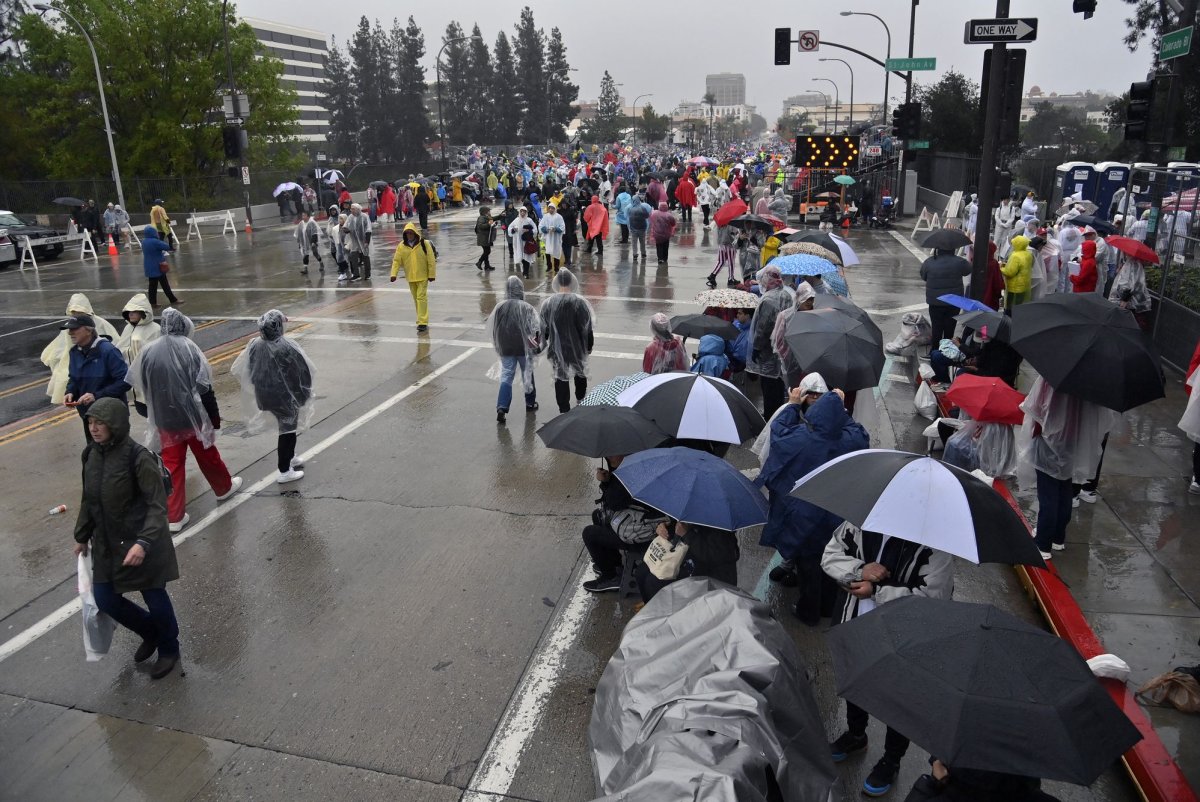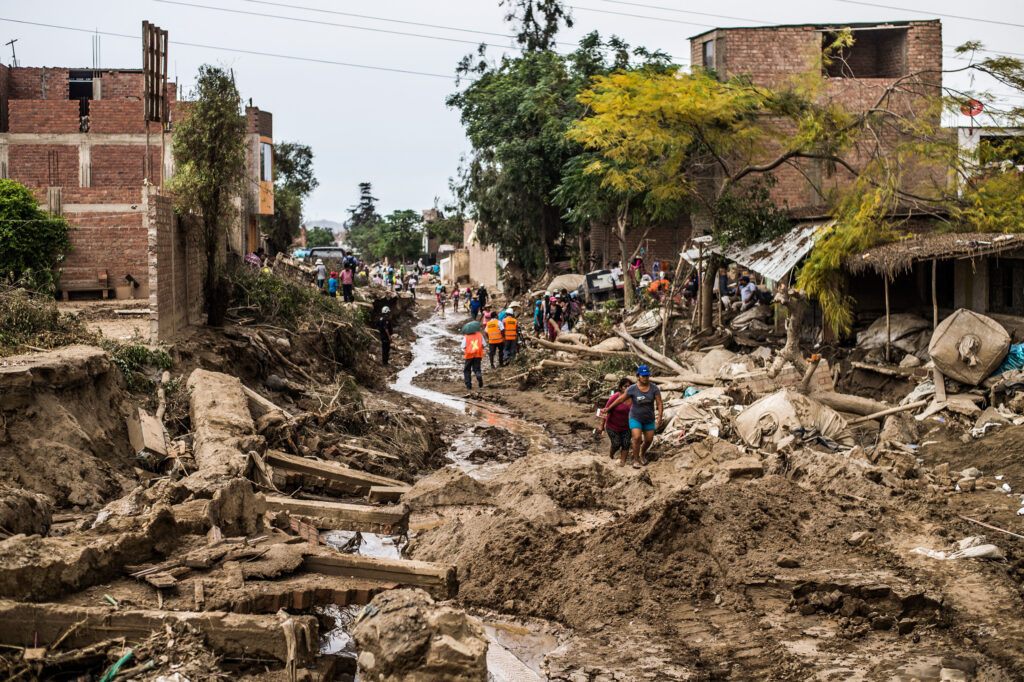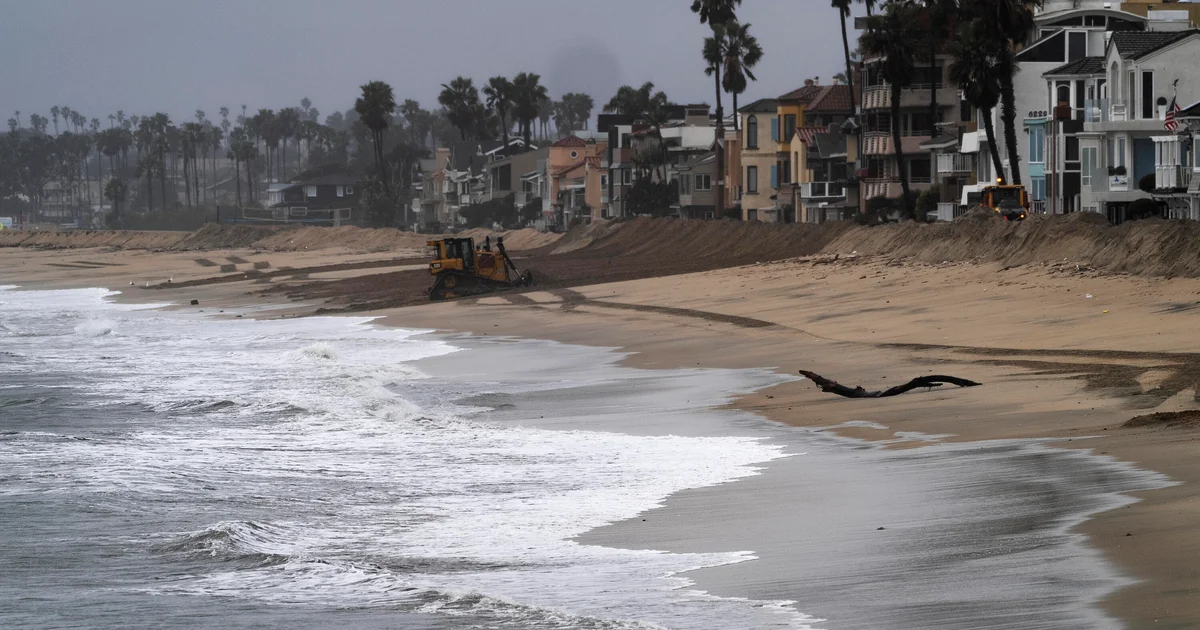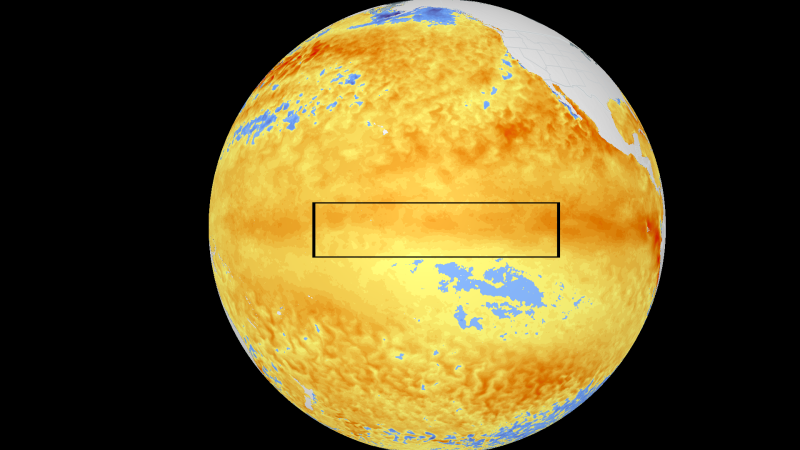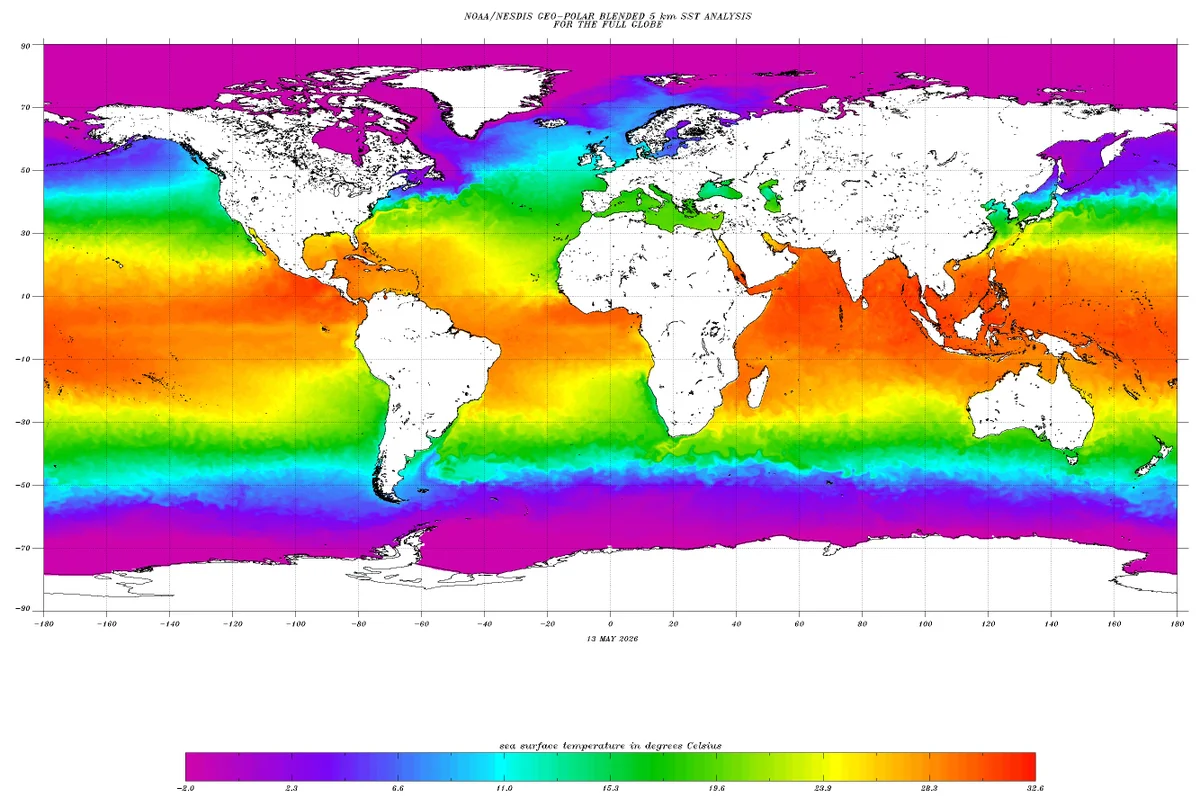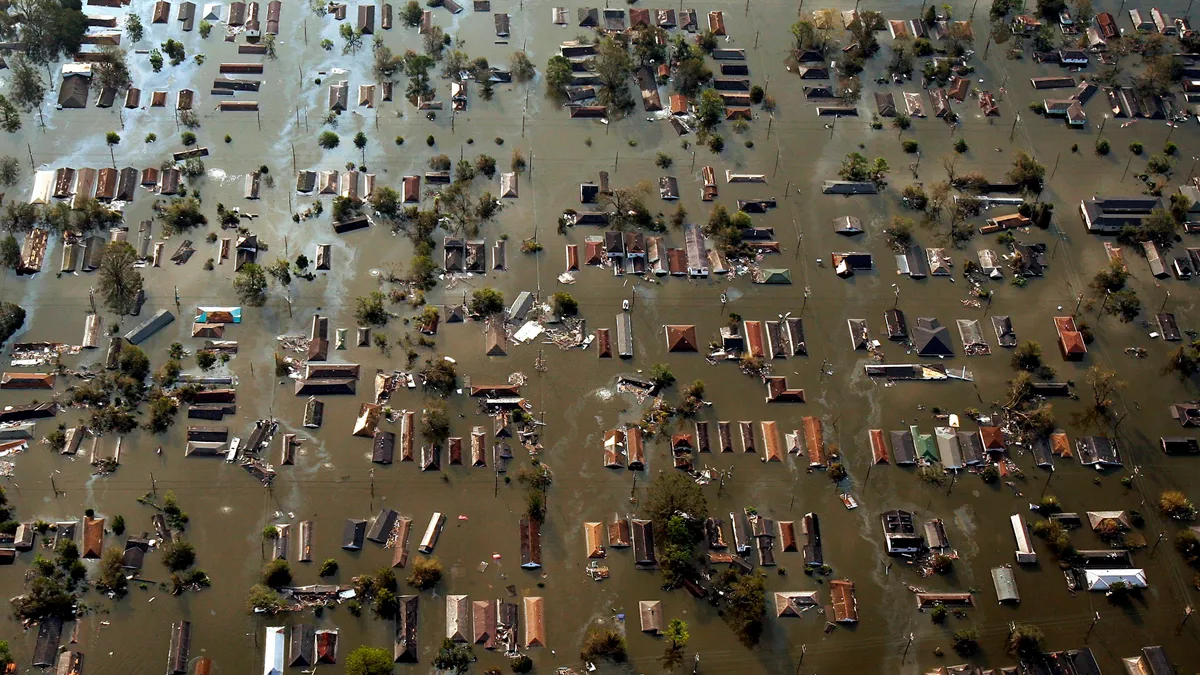
The National Weather Service recently announced an 82% chance that El Niño will begin in the summer of 2026. This natural weather pattern warms parts of the Pacific Ocean, which, in turn, affects the climate across many parts of the U.S. Many communities, especially coastal communities, may experience heavier rain, high tides, and storm surges, which means homeowners in coastal areas may need an emergency preparation plan for the coming months. Here's what homeowners need to know in order to prepare for the extreme weather predicted for 2026.Why does El Niño cause more storms and flooding? El Niño can make sea levels rise temporarily, which can create higher tides that push more inland and flood homes. It can also lead to more rain in some parts of the United States, which can lead to water back-ups, clogged storm drains, and more. How to prepare for extreme storms at home this summer To properly prepare for extreme weather, here are a few home maintenance tasks to complete ahead of time. You can even create a power outage preparedness checklist to make sure you’re ready. Clean your gutters and downspouts. Test your sump pump Install water alarms in your home Trim dead tree branches Take photos and make an inventory of your belongings Pack an emergency go-bagRegina Neenan, CFP®, ABFP®, the Director of Cash-Flow and Insurance Planning and Partner at FPFoCo, a company that specializes in personal financial advising, also recommends that homeowners keep an emergency cash reserve that’s “sufficient to cover regular home emergencies, like a water heater going out, or plumbing or electrical issues.” They explain that being able to cover small repairs on your own can help prevent filing a claim and raising your premiums. Even if you have a large repair or extensive damage, an emergency fund can help you afford your deductible. How to build an emergency kit for multi-day power outages According to Ready.gov, which educates the public about disaster preparedness, homeowners can prepare for a power outage in a few different ways. The first step is to take inventory of your emergency supplies, such as flashlights, batteries and portable chargers. Stock up on nonperishable foods and make sure you have a manual can opener. If you take medicine that requires refrigeration, ask your health care provider for guidance on storage. Generator safety tips during power outages that homeowners need to know Having a generator can help you power small appliances during an outage, but it’s vital to use it safely. The experts at Ready.gov recommend using generators outdoors, at least 20 feet from your home, to reduce the risk of carbon monoxide poisoning. How to secure outdoor furniture against storms and high winds If you expect high winds, bring smaller items, such as furniture, grills and toys, inside. Flying objects, like patio umbrellas and planters, can cause severe damage and break glass if left outside. If you have large items, like a trampoline or pergola, secure them with heavy-duty lawn anchors. What homeowners should know about flood risk and insurance coverage Larry Kissel, AVP of Property for Personal Insurance at Travelers Insurance, explains that although homeowners insurance covers some damage caused by storms, “it typically does not cover flooding.” So, if you live in an area prone to floods, consider buying a separate policy just for flood damage. The National Flood Insurance Program sells policies for homeowners looking for flood risk home insurance coverage. Is storm damage covered by homeowners insurance? Kissel says, “Most homeowners policies cover wind damage, which is one of the most common causes of storm-related property damage.” Additionally, he explained that most homeowners insurance policies will help cover repair costs after tornadoes, hurricanes and some other types of storms. However, Kissel said coverage may vary depending on your policy. So, homeowners should review their individual policy details so they’re informed about what’s covered. Frequently asked questions Will El Niño increase power outages? El Niño can bring heavy rain, storms, flooding and high winds, which means it can also cause power outages in affected areas. What kind of storms cause the most damage to homes? According to the National Center for Environmental Information, the 403 severe weather and climate events that occurred between 1980 and 2025 cost nearly $3 trillion in damage. In 2024, the types of storms that exceeded $1 billion in damages included five tropical cyclones, one wildfire, two winter storms and 17 severe storms. Does homeowners insurance cover flood damage? Standard home insurance policies can cover damage from storms, but they rarely cover damage due to flooding. Homeowners in flood-prone areas can purchase a separate flood insurance policy. For many homeowners in coastal communities, homeowners insurance is worth the cost to repair their homes after an extreme weather event. What is not covered during severe weather events? Homeowners insurance policies do not typically cover floods, earthquakes, hurricanes or sewer backups. Review your policy carefully to see what is covered and what’s excluded. If you have a home warranty policy, make sure to review your home warranty exclusions, too.
El Niño is coming. Here's how to prepare your home for extreme weather
El Niño is expected to begin in summer 2026, bringing heavier rain and storm surges. Prepare your home for extreme weather.
842 words~4 min read