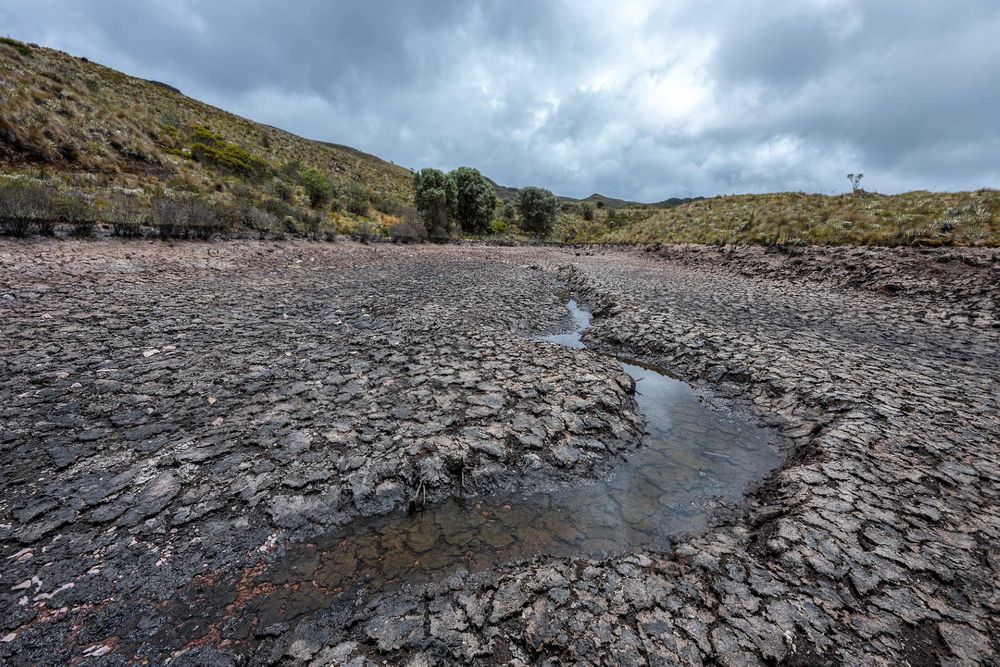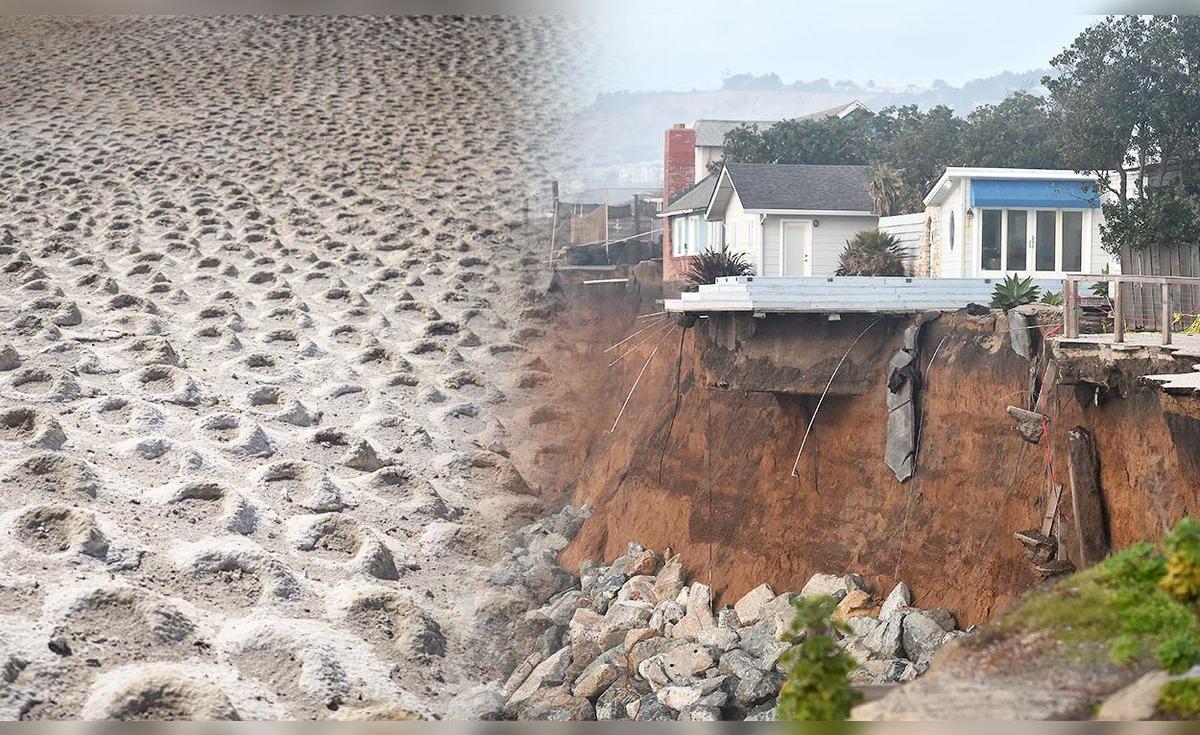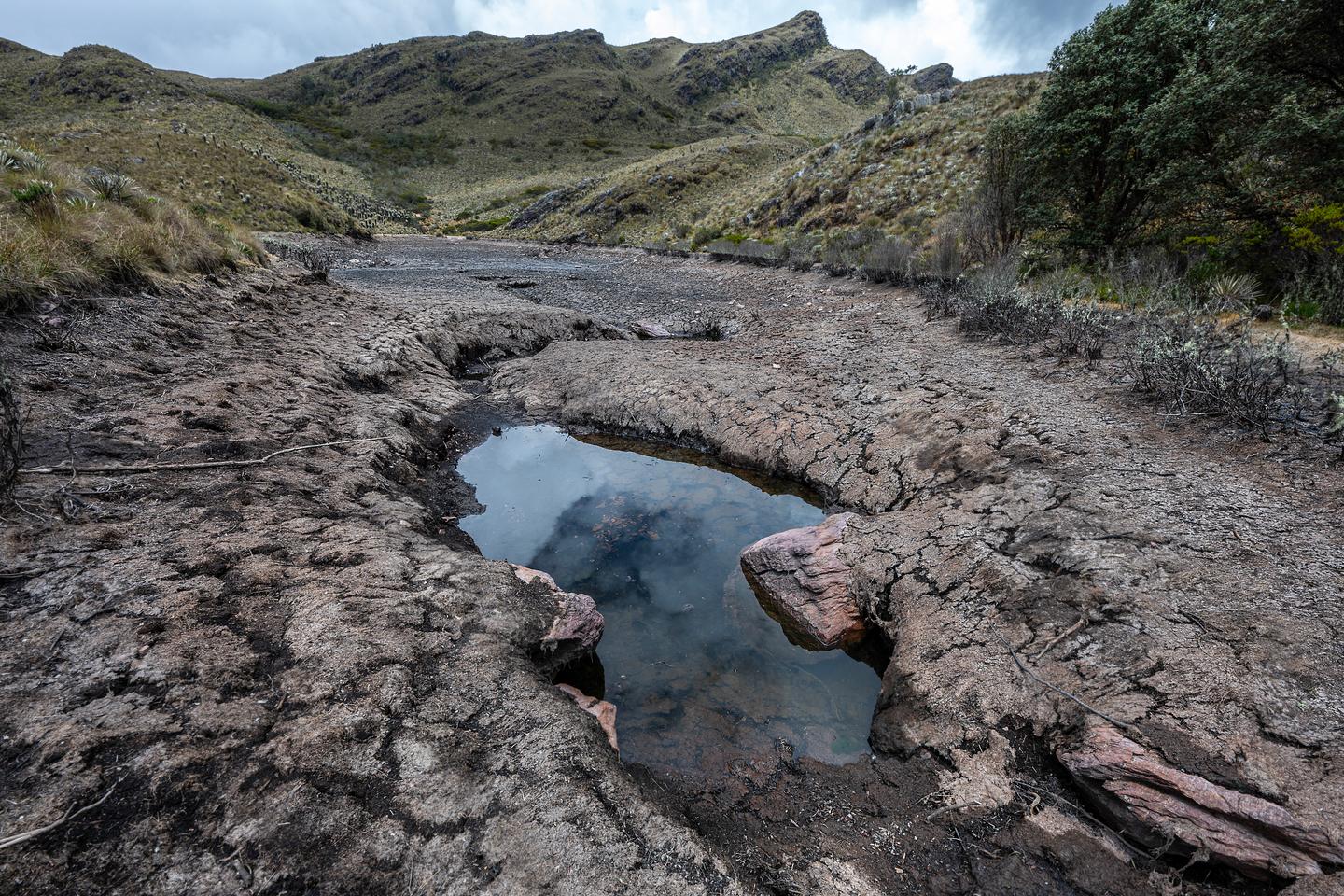
The lagoons of the Pan de Azucar Natural Park, in Belén, Colombia, affected by drought linked to El Niño and record heat, April 21, 2024. LUIS ACOSTA/AFP
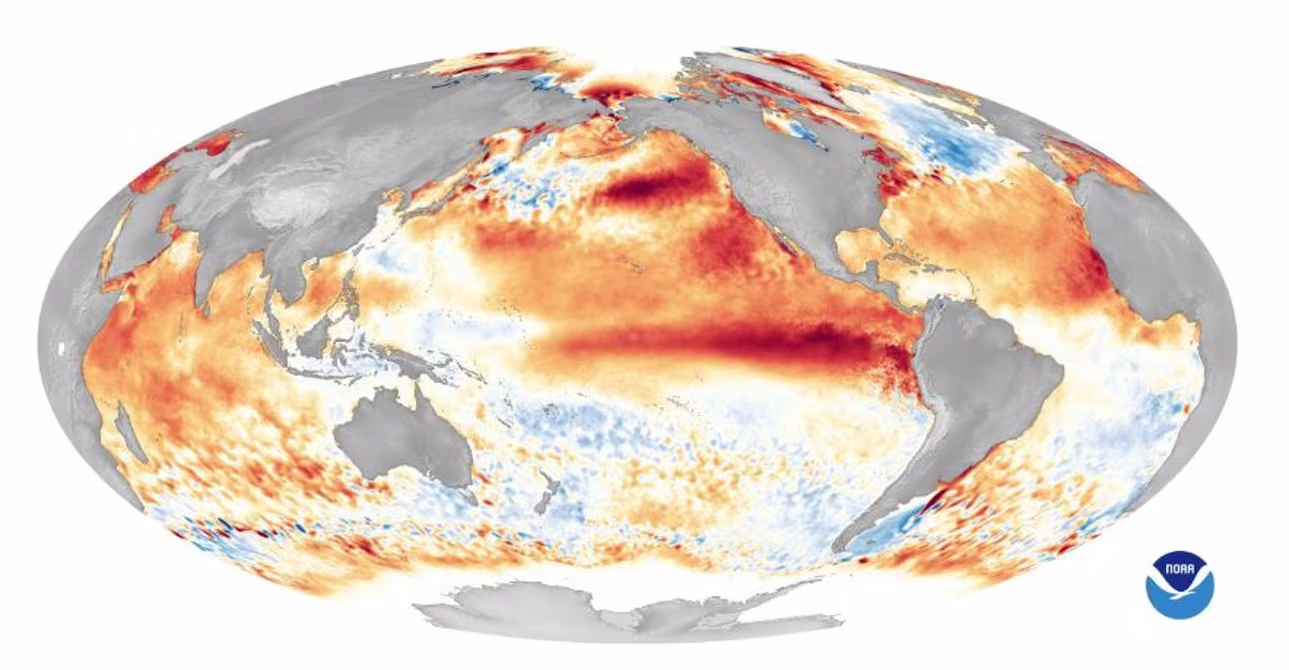
The "Pacific's enfant terrible" could unleash its fury this year. The El Niño phenomenon, a warming of the equatorial Pacific Ocean, has a high likelihood of reappearing in the coming months. The probability of its emergence reaches 62% between June and August and 80% in fall, according to the US National Oceanic and Atmospheric Administration (NOAA) in an analysis published on March 12. On Thursday, March 19, the International Research Institute for Climate and Society at Columbia University (New York) even estimated this risk at 80% as early as this summer.
This natural oscillation is being closely monitored because it acts as an amplifier of climate change: It pushes up the global average temperature and favors the occurrence of extreme events in many regions of the world.
El Niño occurs on average every two to seven years and usually lasts between nine months and a year. The previous episode, between 2023 and 2024, turned out to be the fifth strongest on record, although it did not reach an extreme level.
An increase of 0.2°C to 0.3°C in the global temperature