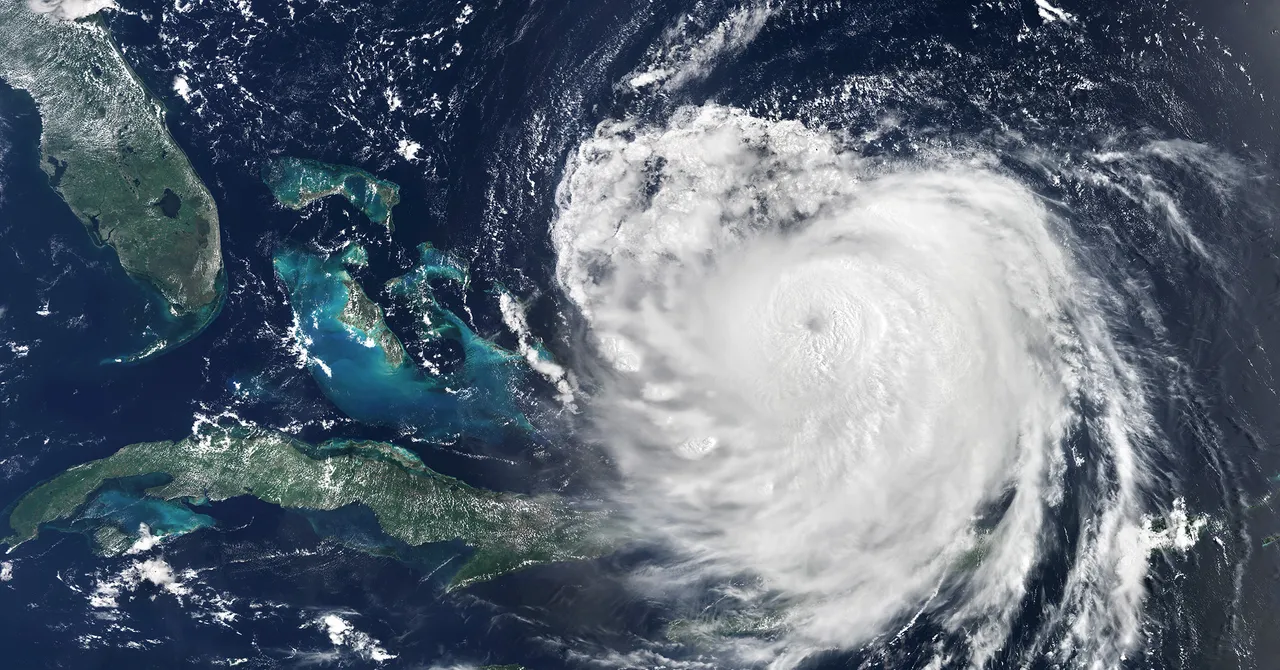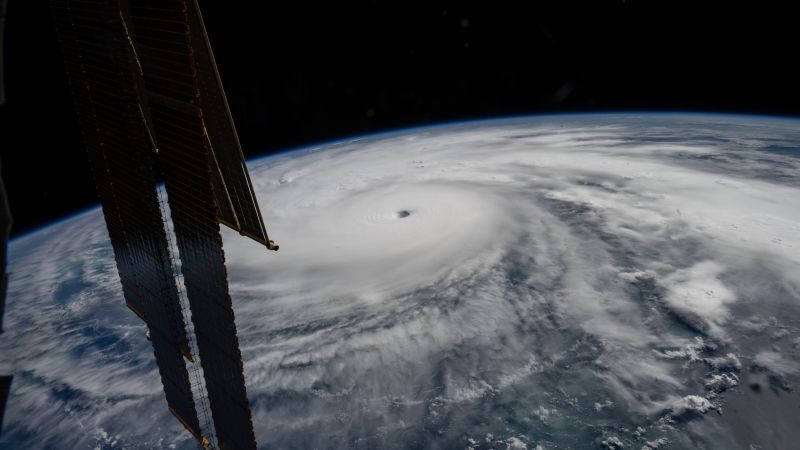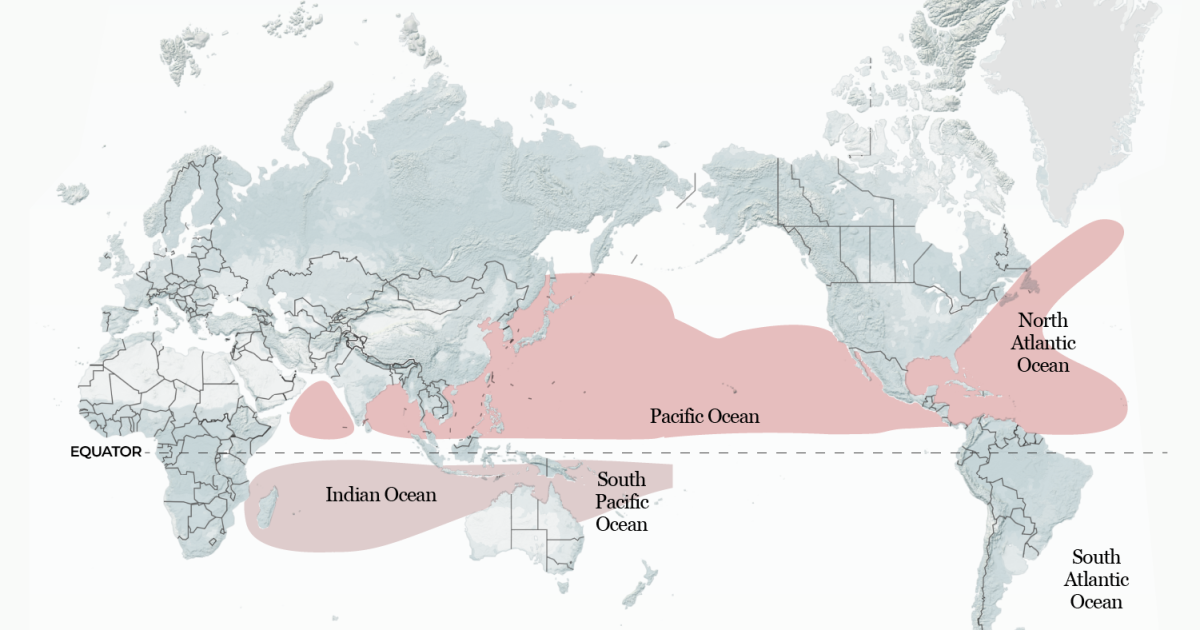
Hurricane season is still two weeks away in the Atlantic and Central Pacific oceans, but the 2026 season starts on Friday, May 15 in the Eastern Pacific, where forecasters see growing chances that it could be a doozy.
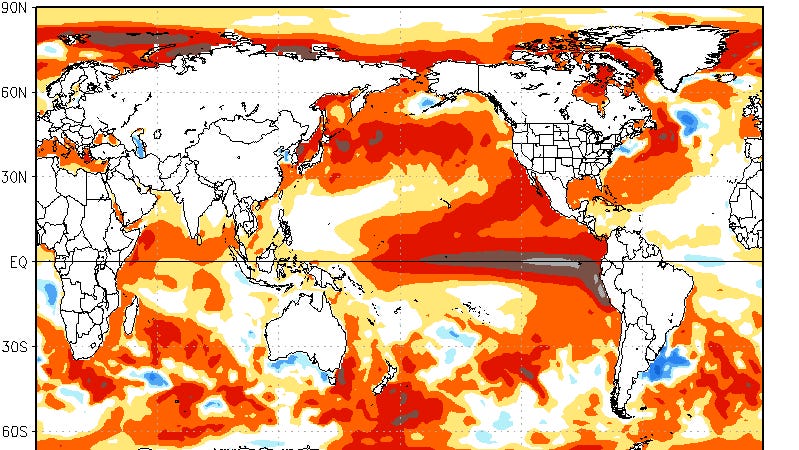
The expected formation of an El Niño in the Pacific Ocean and an abundance of warmer than normal ocean temperatures could be conducive to an unusually active hurricane season in the Pacific, the forecasters say.
El Niñ0, the warm water phase of a naturally occurring cycle along the Equator, tends to cause its greatest chaos over the mainland United States in the winter. But it's also known for its powerful influence over hurricane seasons. Essentially, it tends to take some of the juice out of Atlantic seasons, while providing a stream of energy drinks to the Pacific.
So, with the latest federal forecast predicting an El Niño later this summer, scientists say the risks are growing for the Pacific. And not only for hurricane prone areas along Mexico's west coast, but also for Hawaii and the Southwestern United States, where direct landfalling storms are far less common than they are in the Southeast.
Direct hits from named storms are rare in California and Hawaii. However, remnants of dozens of systems that fell apart have caused flooding and other issues in California and the Southwest, while passing storms affect Hawaii. More storms, stronger storms or more persistent storms this summer could mean greater chances for impacts, said Daniel Swain, a climate scientist with the University of California Agriculture and Natural Resources and founder of WeatherWest.com.