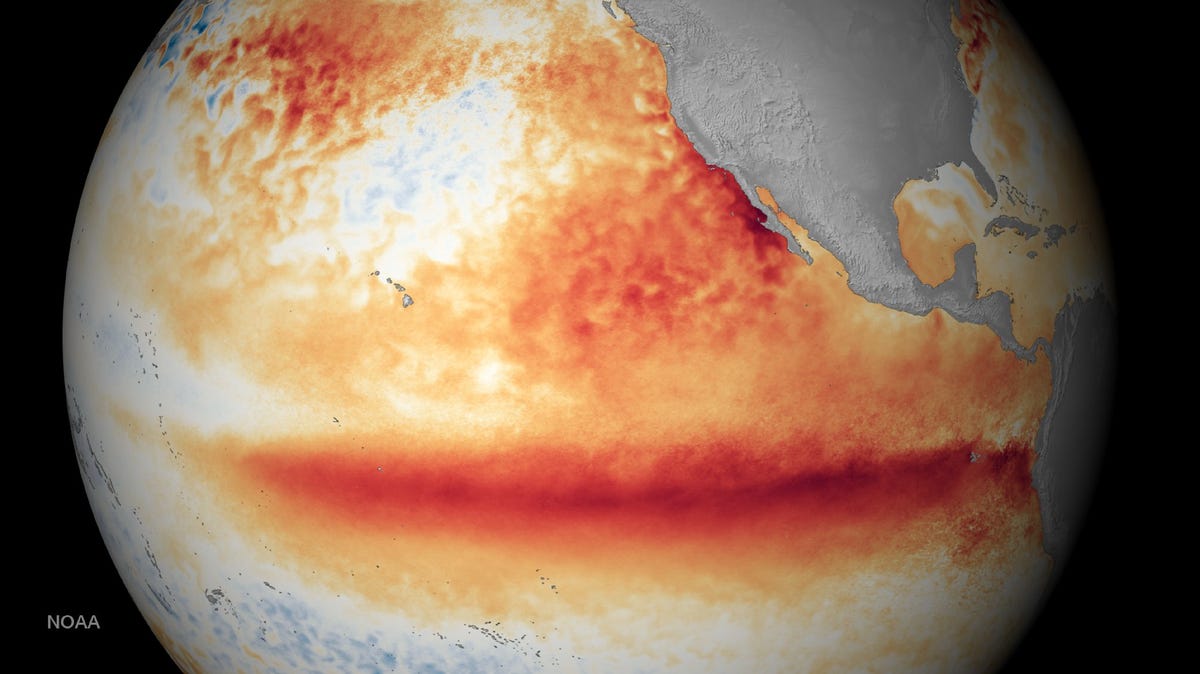
As the weather moves into spring, the Earth's atmosphere may be shifting as well.
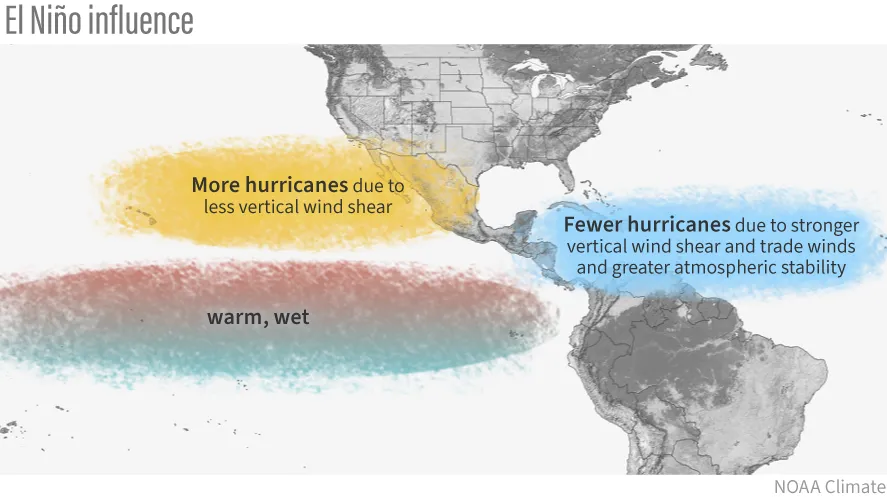
The current La Niña climate pattern may be transitioning toward a strong El Niño pattern, according to the National Oceanic and Atmospheric Administration. That may impact the number of hurricanes we can expect in the 2026 hurricane season, which officially begins on June 1. It may also bring strong heat waves, droughts and flooding.
El Niño frequently causes some of the hottest years ever recorded, such as the record-breaking worldwide average temperature in 2024. The likelihood of an El Niño forming in the late summer is currently estimated by NOAA to be between 50% to 60%, however those forecasts could be updated.
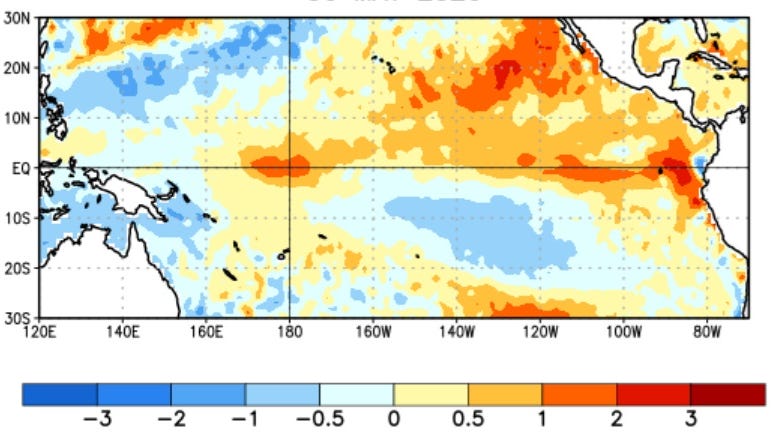
The climate phenomenon known as El Niño – or "little boy" in Spanish – refers to above-average sea surface temperatures in the central and eastern tropical Pacific Ocean.
El Niño typically brings wetter, cooler weather to the southern United States and warmer, drier winters to Canada and the northern United States. El Niño typically results in more rainfall along with some severe flooding.