in Art | May 14th, 2026 Leave a Comment
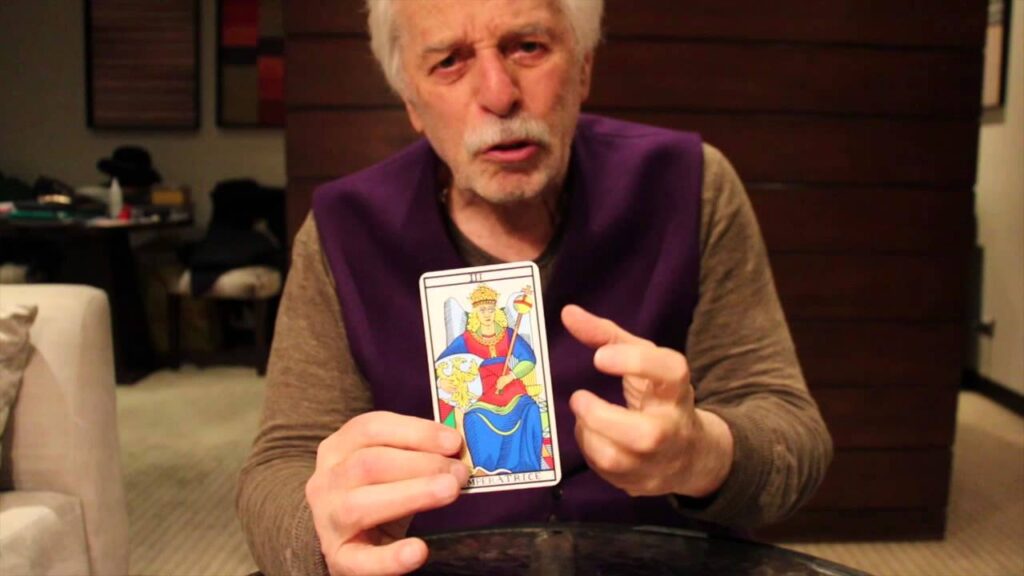
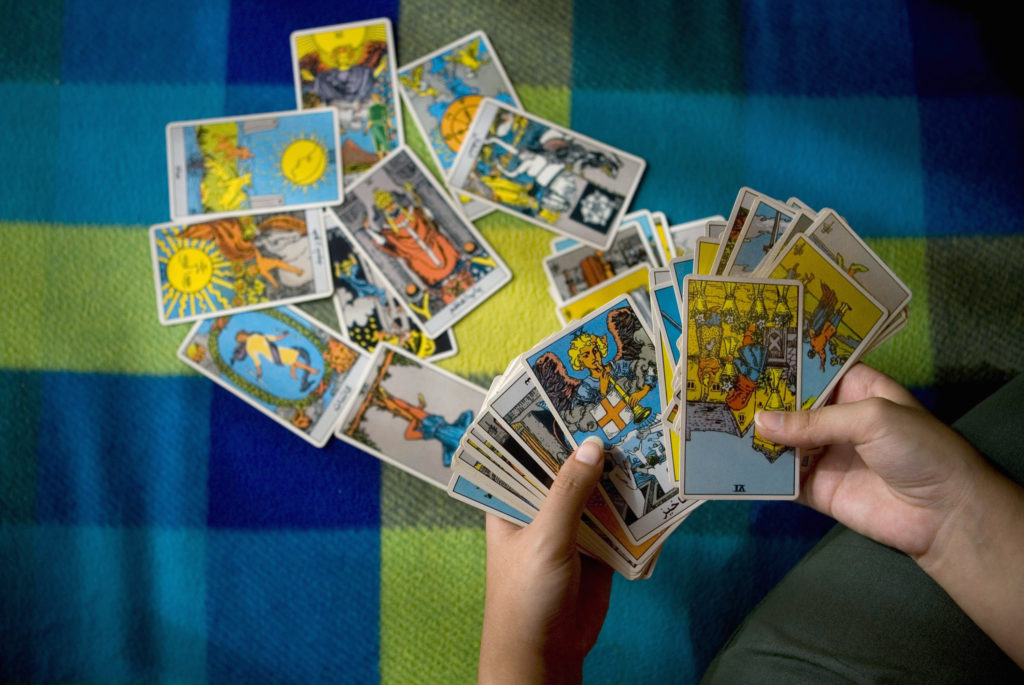
The Tarot has long been a tool of charlatans. But it has also long been embraced by brilliant, unconventional thinkers, many of whom themselves have a touch of the charlatan about them (and who would just as likely admit it with a smile). William Butler Yeats was a fan, as is visionary Chilean filmmaker, artist, writer, and psychonaut Alejandro Jodorowsky, who has recorded his own Youtube series explaining his take on this classic mode of divination. With its archetypal symbolism, the Tarot’s appeal to artists should be obvious. Most of them, like Jodorowsky, find far more interesting uses for it than fortune-telling. “You must not talk about the future,” Jodorowsky tells us in his series, “the future is a con. The tarot is a language that talks about the present.”
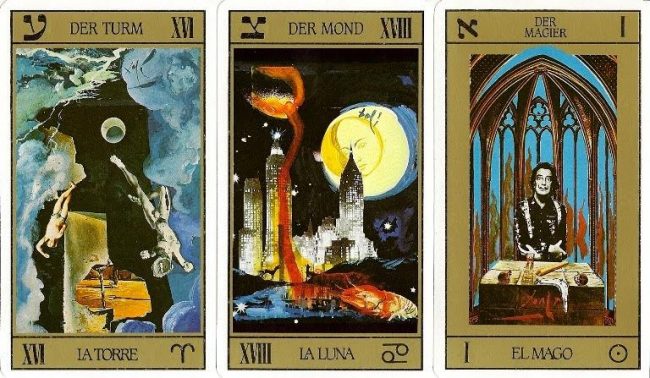
What might another visionary artist, Salvador Dalí, think of Jodorowsky’s Tarot interpretations? We’ll never know, but I suspect he would find them enchanting. Not only do the two seem like kindred spirits, but Dalí devoted some part of his life to the Tarot, designing his own deck in the 70s.
Initially, the project arrived as a commission from producer Albert Broccoli for the James Bond film Live and Let Die. “Likely inspired by his wife Gala, who nurtured his interest in mysticism,” writes Chicago’s Museum of Contemporary Art, “Dalí eagerly got to work, and continued the project of his own accord when the contractual deal fell through.”