As an exercise draw a composition of fear or sadness, or great sorrow, quite simply, do not bother about details now, but in a few lines tell your story. Then show it to any one of your friends, or family, or fellow students, and ask them if they can tell you what it is you meant to portray. You will soon get to know how to make it tell its tale.
- Pamela Colman-Smith, “Should the Art Student Think?” July, 1908
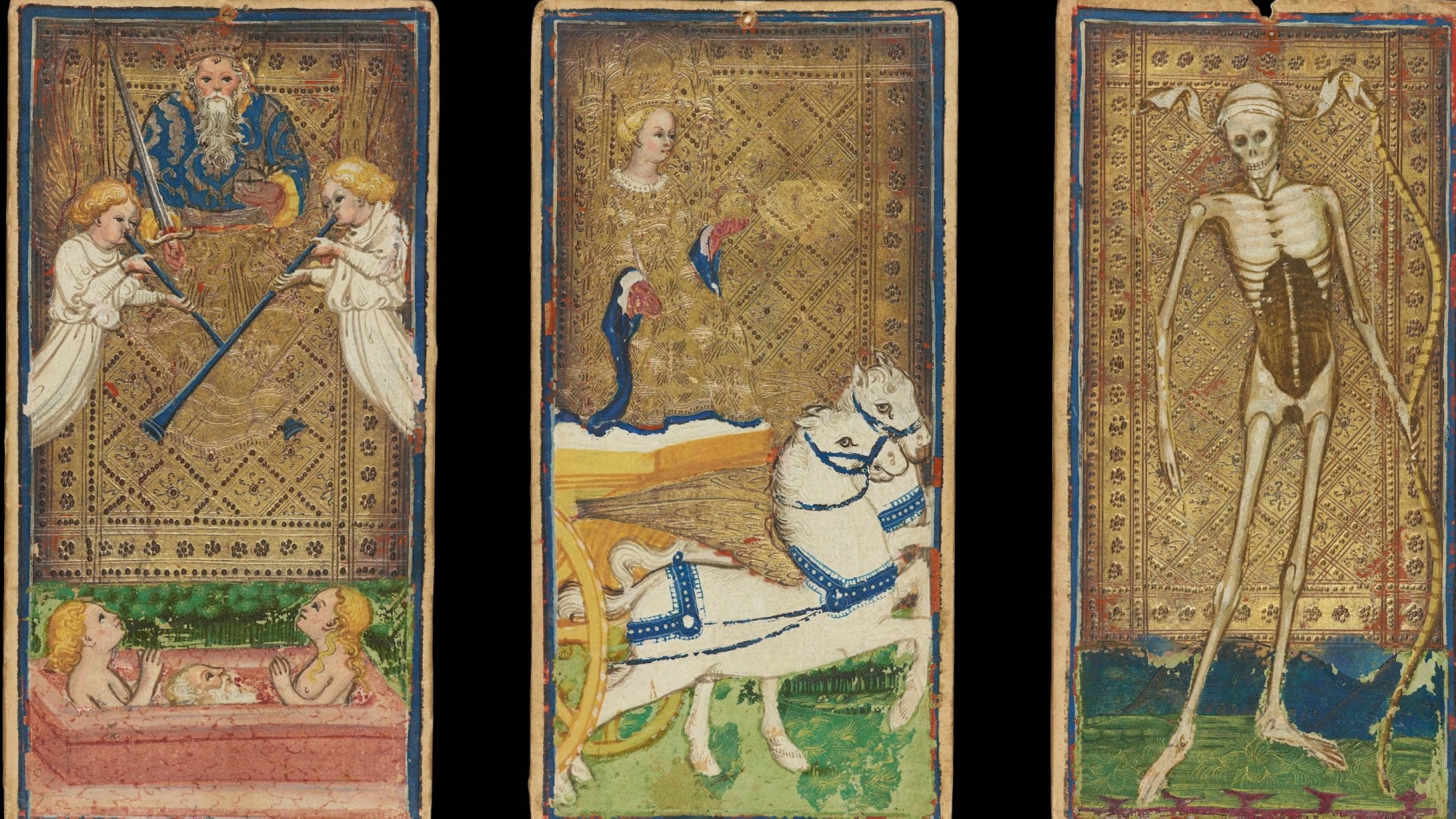
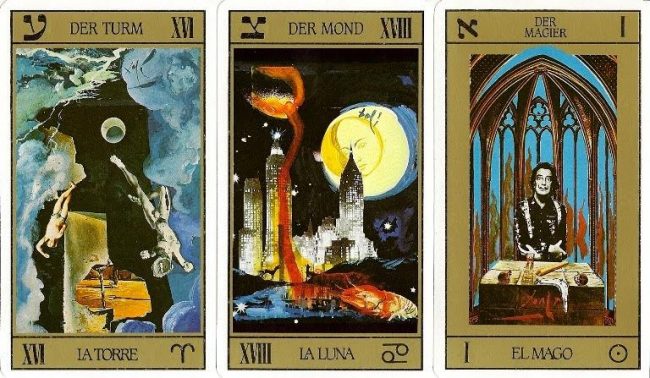
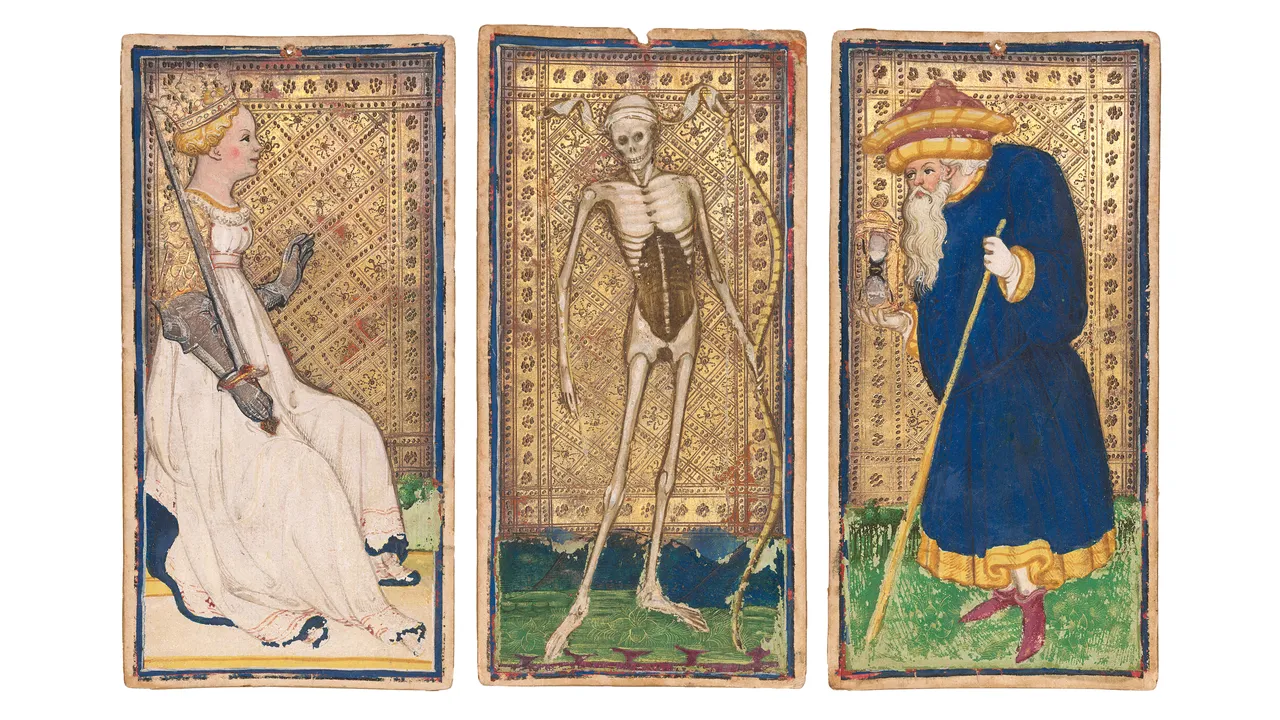
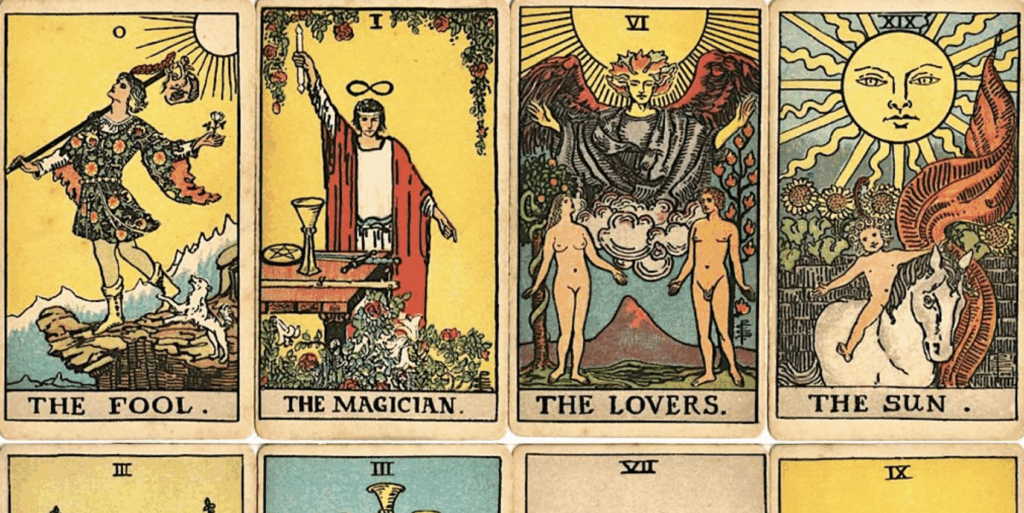
A year after Arts and Crafts movement magazine The Craftsman published illustrator Pamela Colman-Smith’s essay excerpted above, she spent six months creating what would become the world’s most popular tarot deck. Her graphic interpretations of such cards as The Magician, The Tower, and The Hanged Man helped readers to get a handle on the story of every newly dealt spread.
Colman-Smith—known to friends as “Pixie”—was commissioned by occult scholar and author Arthur E. Waite, a fellow member of the British occult society the Hermetic Order of the Golden Dawn, to illustrate a pack of tarot cards.
In a humorous letter to her eventual champion, photographer Alfred Stieglitz, Colman-Smith (1878 – 1951) described her 80 tarot paintings as “a big job for very little cash,” though she betrayed a touch of genuine excitement that they would be “printed in color by lithography… probably very badly.”