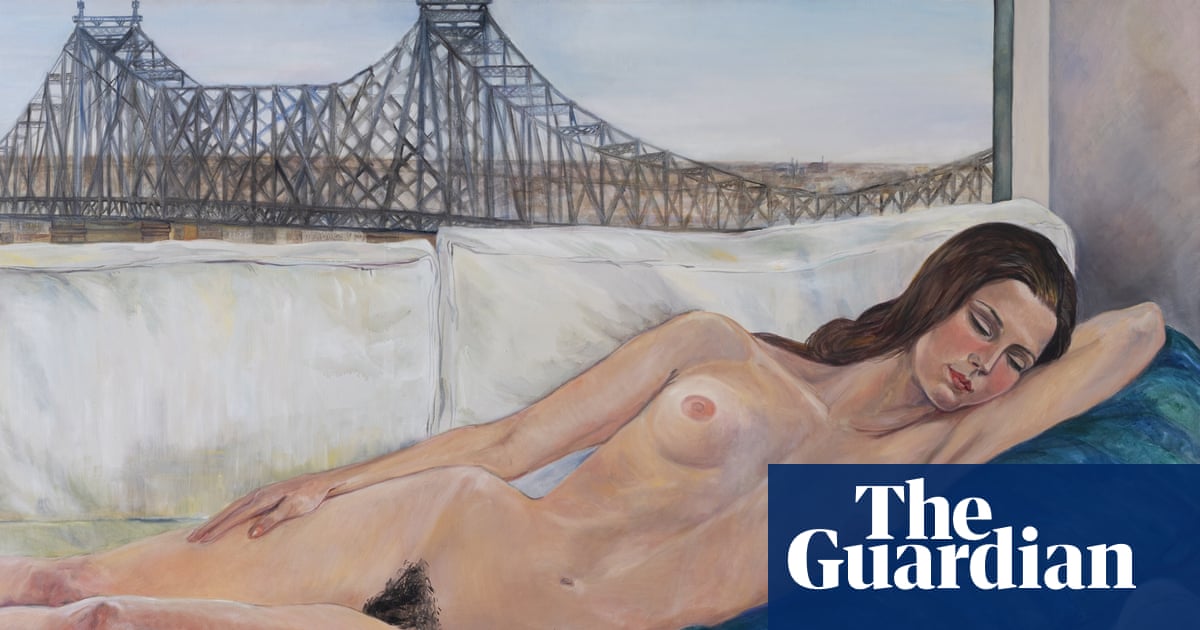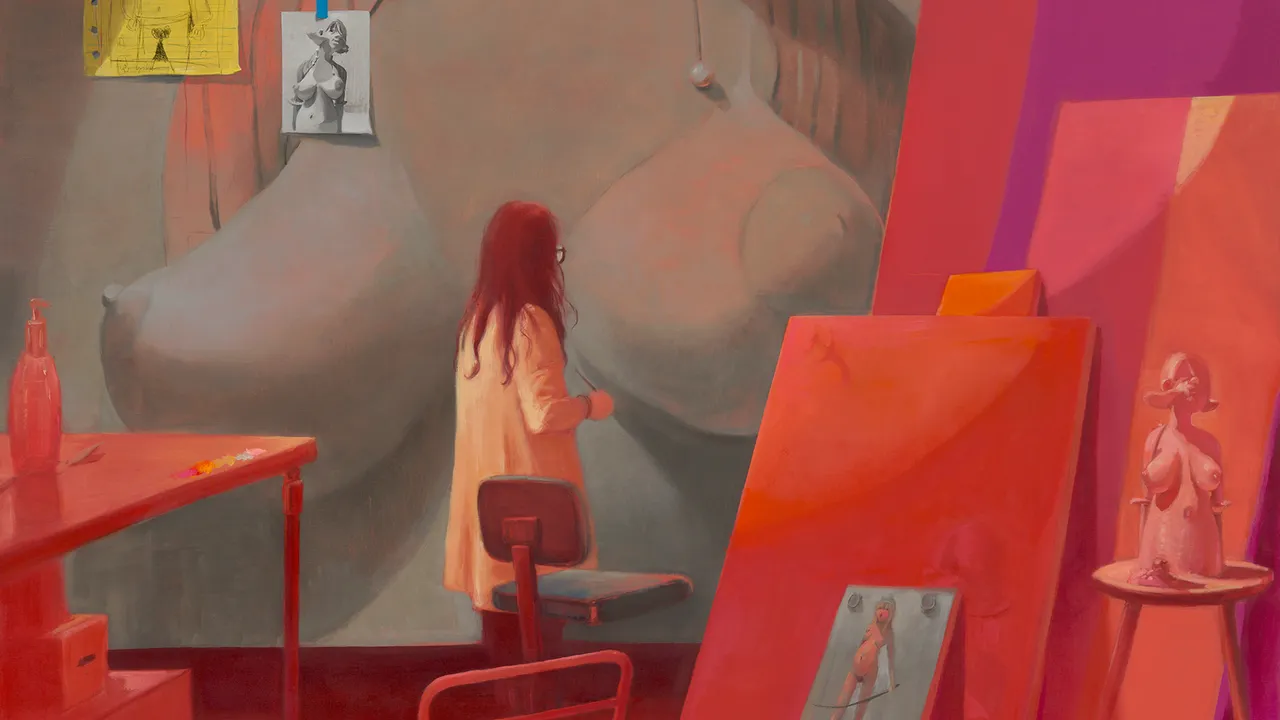
From Yoko Ono to Frida Kahlo, from Louise Bourgeois to Artemisia Gentileschi, women have long been capturing the unvarnished truth about their own bodies – and that’s why my novel Female, Nude weaves them into the plot
‘I
f you want to paint, put your clothes back on!” That was how Carolee Schneemann summarised the critical response to her 1975 performance piece Interior Scroll, which she had performed nude standing on a gallery table. After making a series of life model poses, she removed a scroll from her vagina and began to read her manifesto. In doing so, Schneemann asked an important question: “What does it mean for a female artist to be both the artist and the life model?” Or as she put it: “Both image and image-maker?”
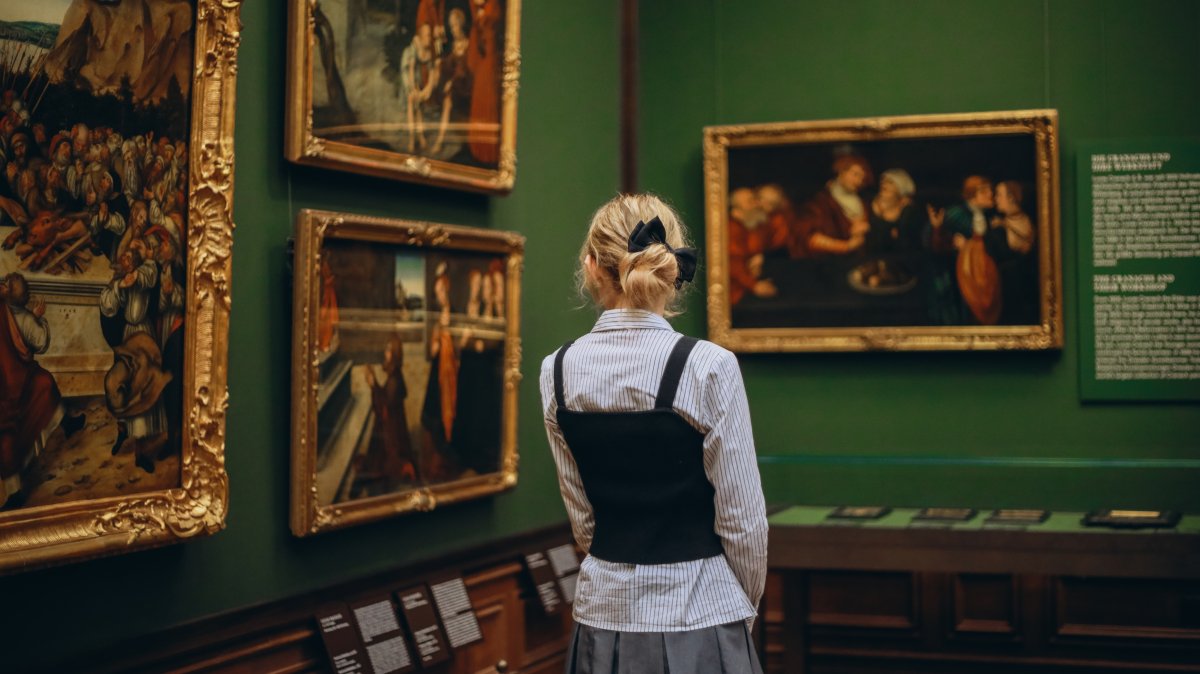
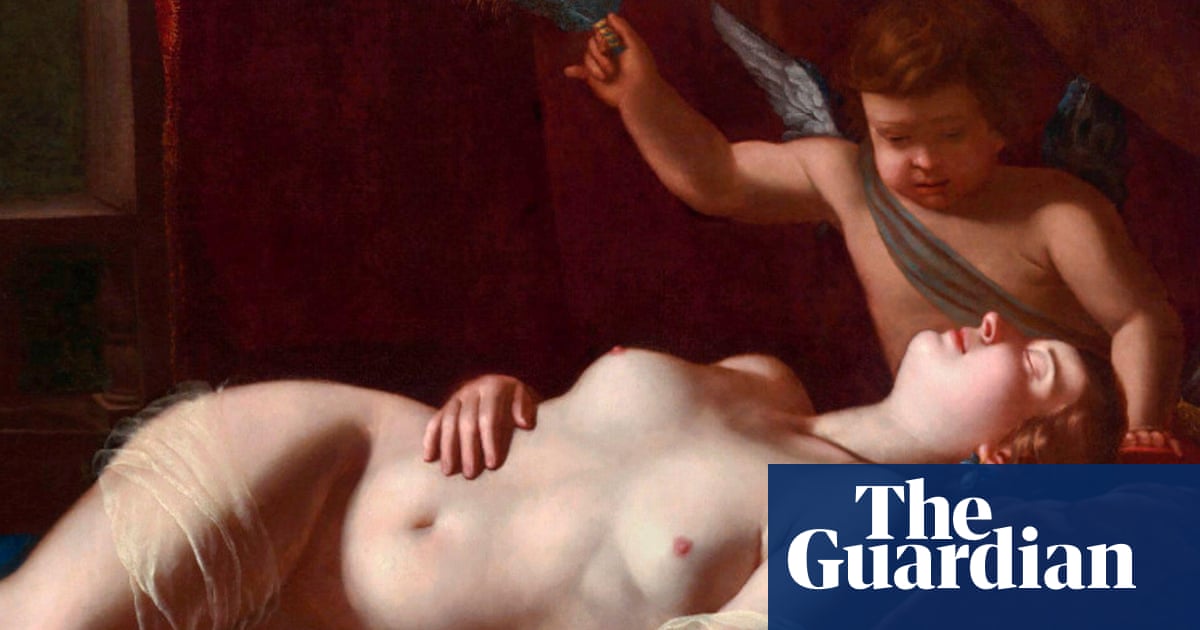
The female nude, as depicted and objectified by the male artist, has dominated western art for centuries. Despite decades of feminist efforts, that interaction between the great male genius and his female model – sometimes muse – remains a subject of perennial fascination. To enter a gallery, or to open a university textbook, is to be confronted with a parade of idealised naked females by male artists from Rubens, Titian and Botticelli to Picasso and De Kooning.
When Gwen John stood in her bedroom in 1909 sketching herself nude, her body reflected in a wardrobe mirror, what was she thinking? At the time, she was in the midst of a passionate, unhappy affair with Auguste Rodin, for whom she frequently posed. To pose for herself, though, was different, not to mention daring. John struggled to be her own muse, as opposed to Rodin’s, but this image shows her free from the male gaze.