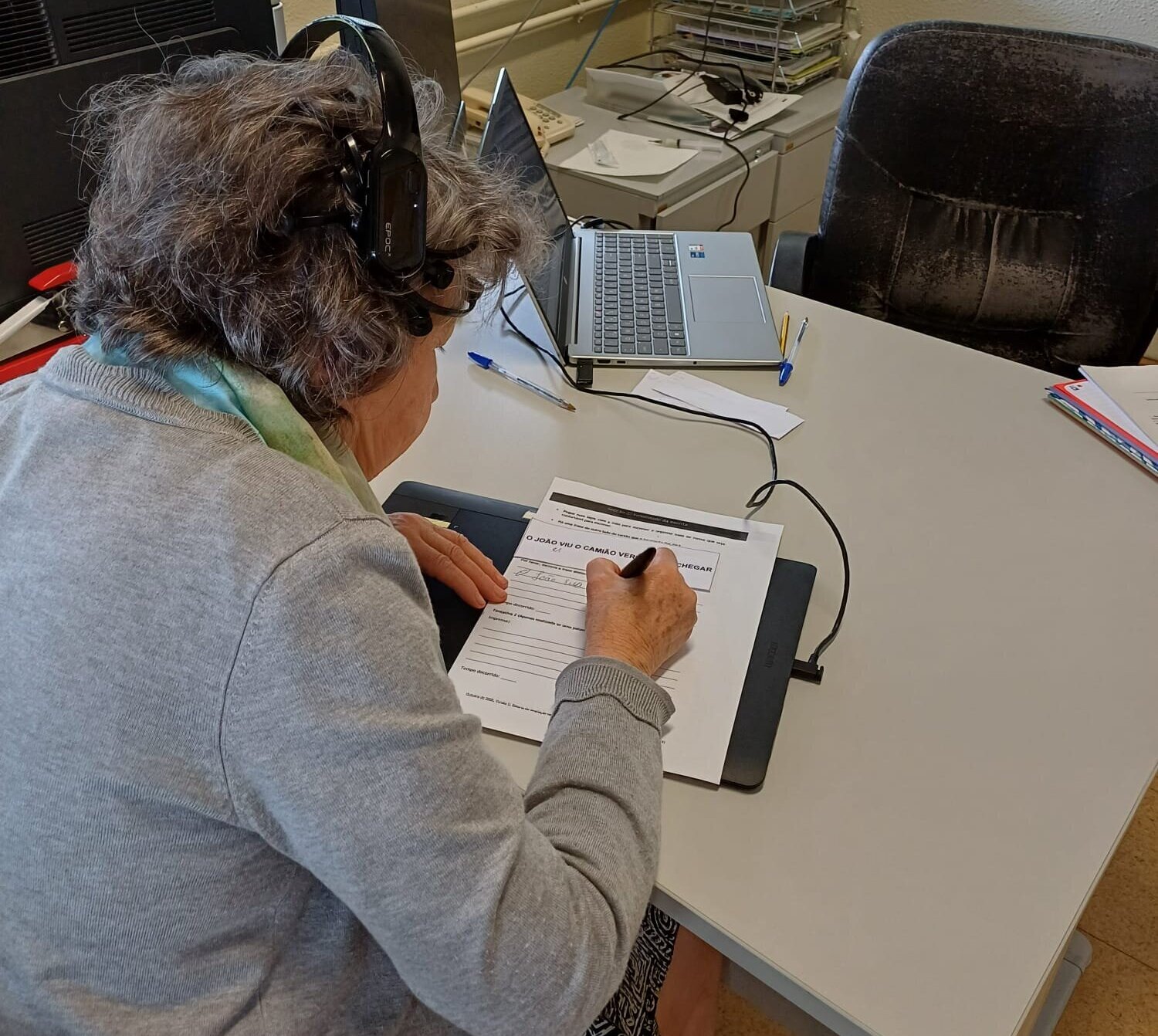
Multiple studies have shown that women write faster and more legibly than men. The difference is detectable right at the start of primary school, and the gap seems to widen until the start of secondary school before levelling off.
Boys and girls both improve their handwriting skills as they grow older, but women remain ahead, on average.
This effect is fairly consistent across countries and cultures, but does that mean the difference is caused by biology? Probably not, according to the evidence we have.
A 2020 study in the journal Human Brain Mapping used fMRI scans to show that men and women use different parts of the brain when completing handwriting tasks, but crucially found that this was true even when their handwriting quality was the same.
Neural pathways in the brain are shaped by life experience and different people may recruit slightly different regions to perform the same task, depending on when they began learning a skill, how it was taught, how much they practised and so on.