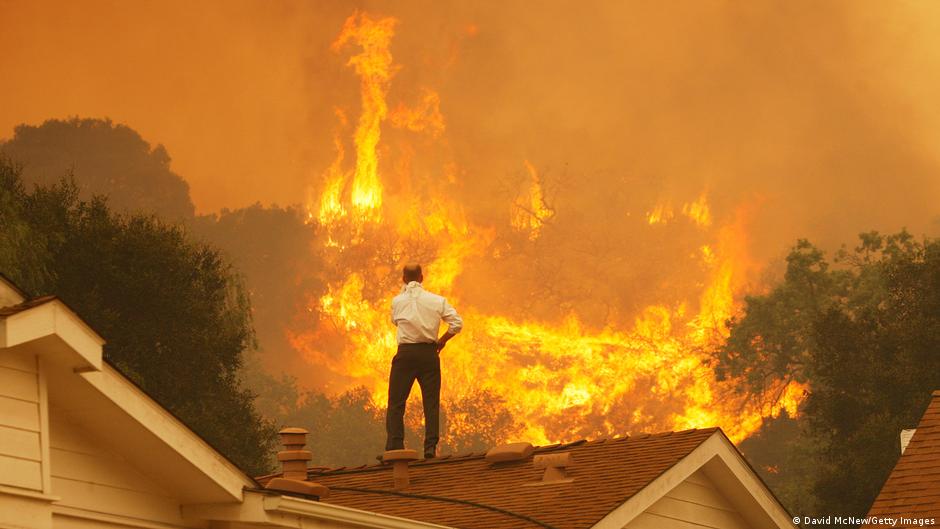
As humanity edges closer to irreversible climate damage, masculine behaviours have been called out for being “bad for the planet”.
A new paper by more than 20 scientists from 13 different countries has analysed existing research on climate change, global warming, and environmental collapse – and how they connect with what men do.
Published in Norma: International Journal for Masculinity Studies, the paper, titled ‘Men, masculinities and the planet at the end of (M)Anthropocene’, covers questions as diverse as climate denial in Canadian pipeline politics, environmental impacts of Chinese policies in the Pacific Ocean, pro-meat online influencers in Finland, and positive action by men activists in Africa, Latin America, the UK, and globally.
Researchers found that overall men tend to have a greater carbon footprint and greater environmental impact through consumption, especially when it comes to travel, transportation, tourism and meat eating.
Multiple studies have highlighted the gender gap in greenhouse gas emissions. For example, a 2025 study involving 15,000 people in France found that men emit 26 per cent more pollution than women from transport and food.