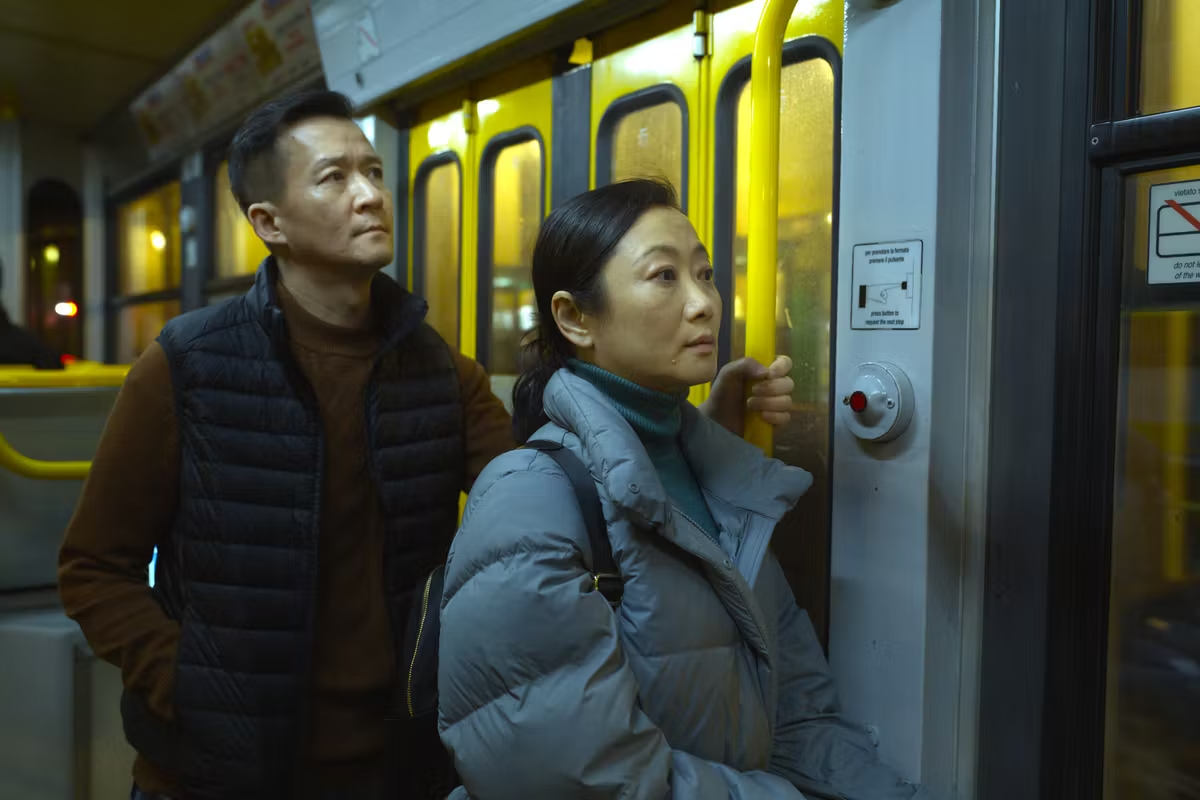
The idea for “Torino Shadow” came to Jia Zhang-ke not while he was making a film, but while he was avoiding one. Exhausted from wandering the Museo Nazionale del Cinema in Turin, he would sink into a chair in the vast central lobby and simply listen to the voices drifting from the surrounding galleries, absorbing the atmosphere of the museum.
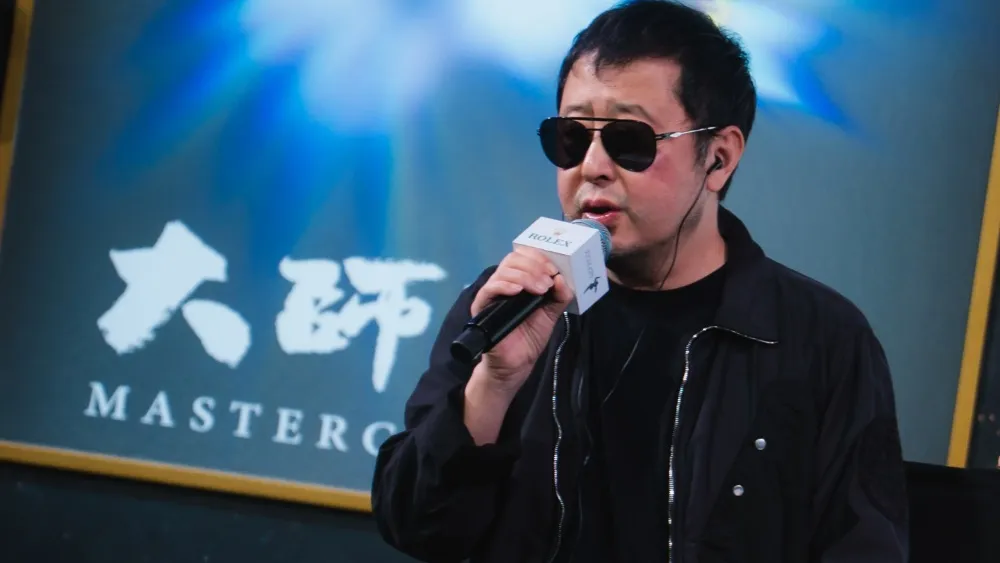
“The starting point was to understand cinema from the perspective of an audience member, a cinephile – not as a filmmaker, but as a film lover,” Jia tells Variety through an interpreter. That distinction – between the professional who makes films and the person who needs them – sits at the heart of his 32-minute Cannes official selection short, which mk2 films is handling for world sales.
Jia is juggling several projects at once. While completing “Torino Shadow,” he simultaneously staged his first theater production – about an ancient Chinese physician celebrated for discovering medicinal herbs – which premiered May 1. Now he and the film are in Cannes.
For a filmmaker whose features have long chronicled the dislocations of modern China, “Torino Shadow” marks a more inward turn – a meditation on what cinema means rather than what it documents. The film moves between Taishan, in Guangdong province, and Turin, and the geographical pairing was not arbitrary. When Jia first visited Turin, the city’s distinctive arcade architecture – the connected corridors running along its streets – instantly called to mind the same style he knew from Taishan. The resemblance had a historical dimension: Taishan is a famous hometown of overseas Chinese, and many of its emigrants who went to San Francisco to build the railroad brought the architecture style back with them.