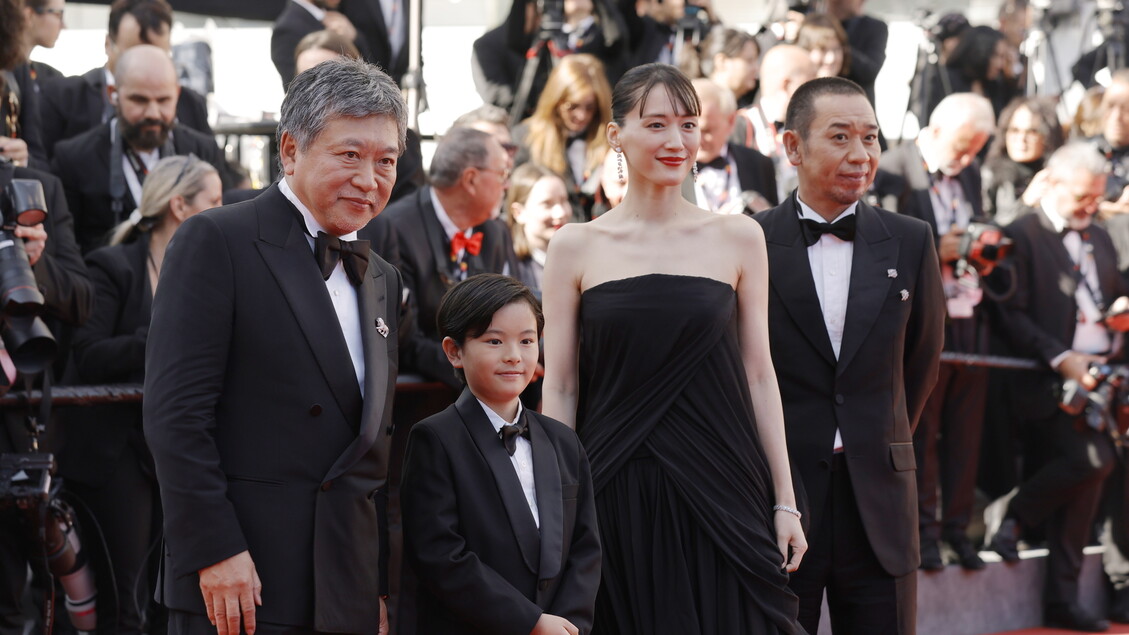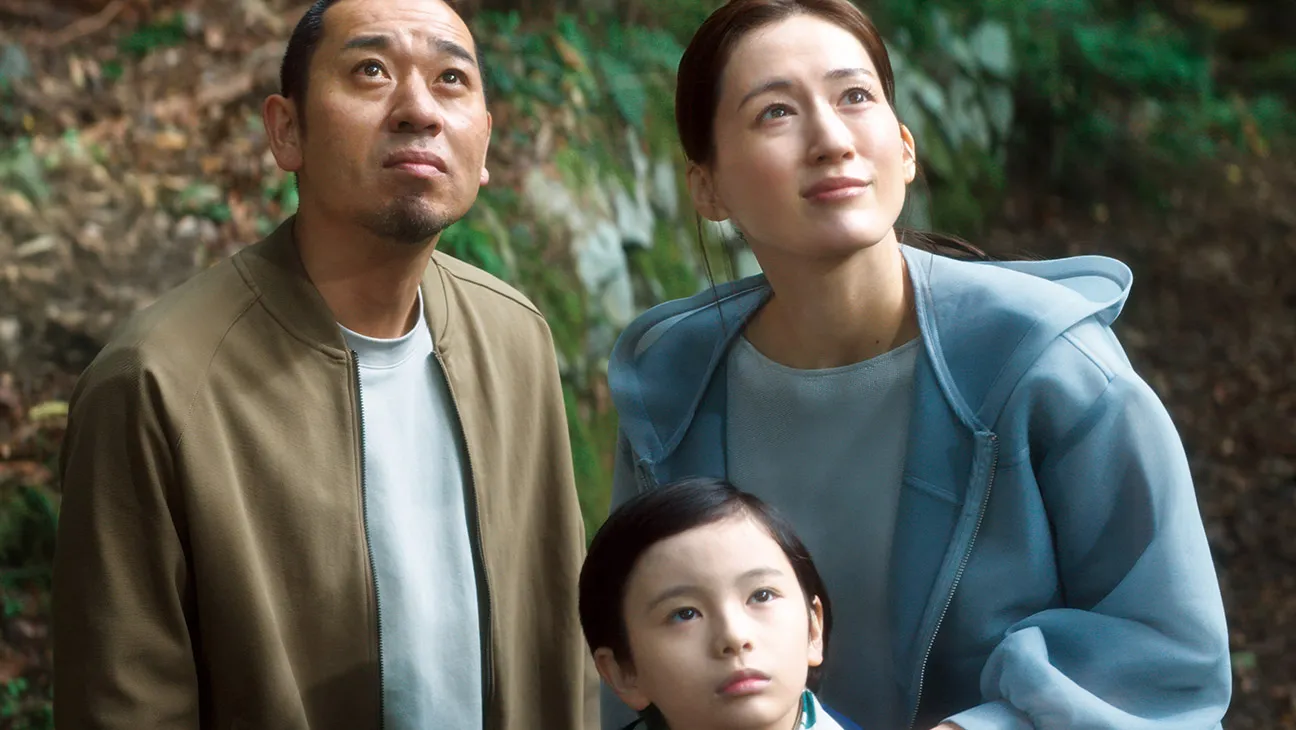
Japanese art house favorite Hirokazu Kore-eda is a somewhat unlikely figure to probe the sci-fi implications of generative artificial intelligence. The 63-year-old auteur, winner of the Cannes Palme d’Or in 2018 for Shoplifters, has made his indelible imprint on world cinema with delicate family drama, suffused with wry humor and wrenching humanism, far more so than futurism. But for his 17th feature, Sheep in a Box, Kore-eda has set his story in a speculative world just over the horizon — where packages are delivered by drone, all cars are electric, and generative AI has reached into the most intimate domains of human experience.
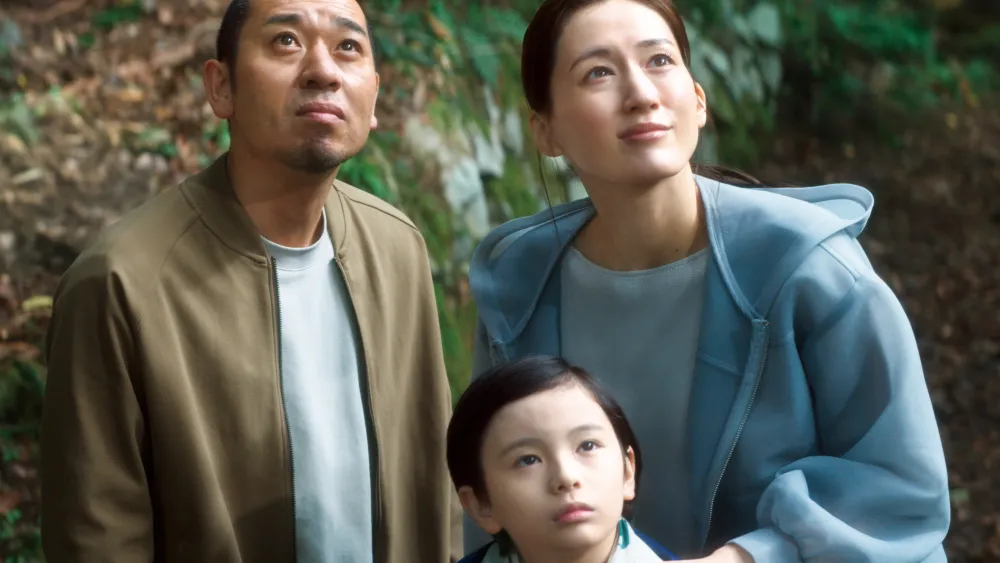
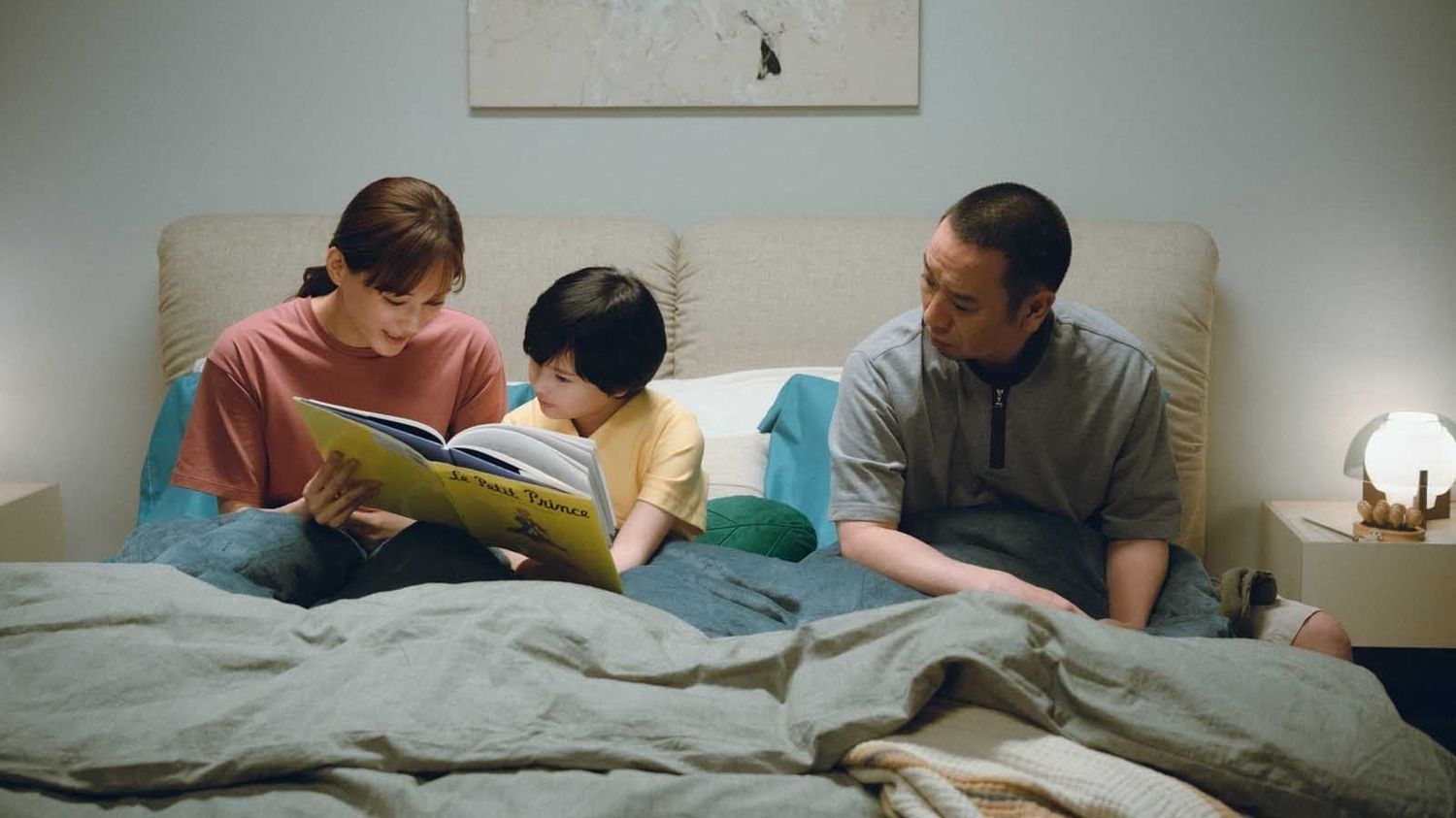
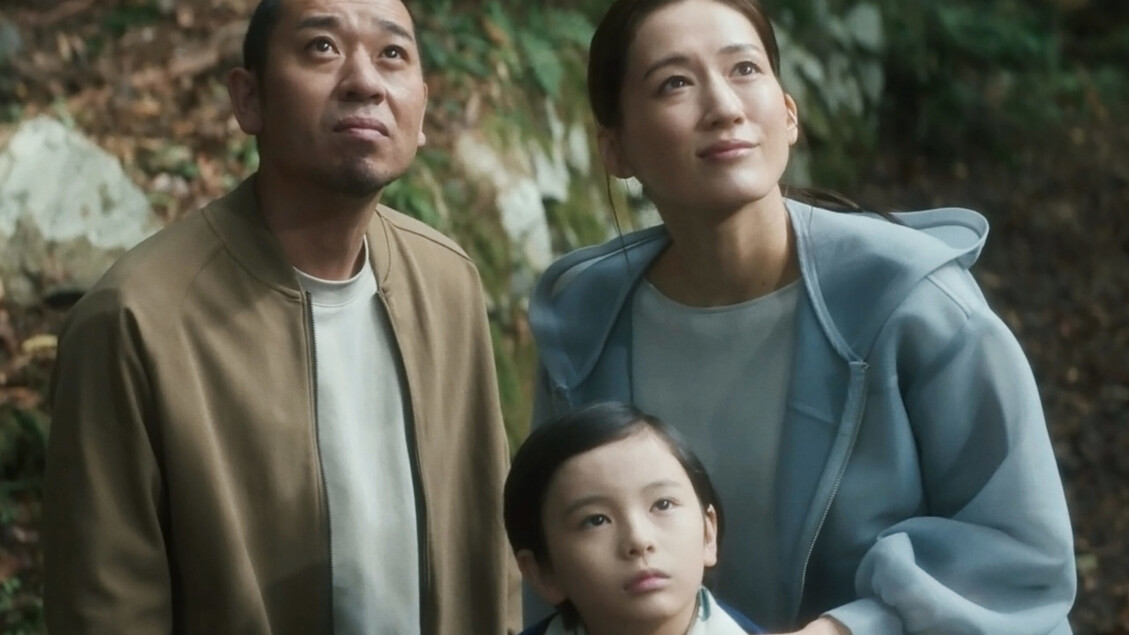
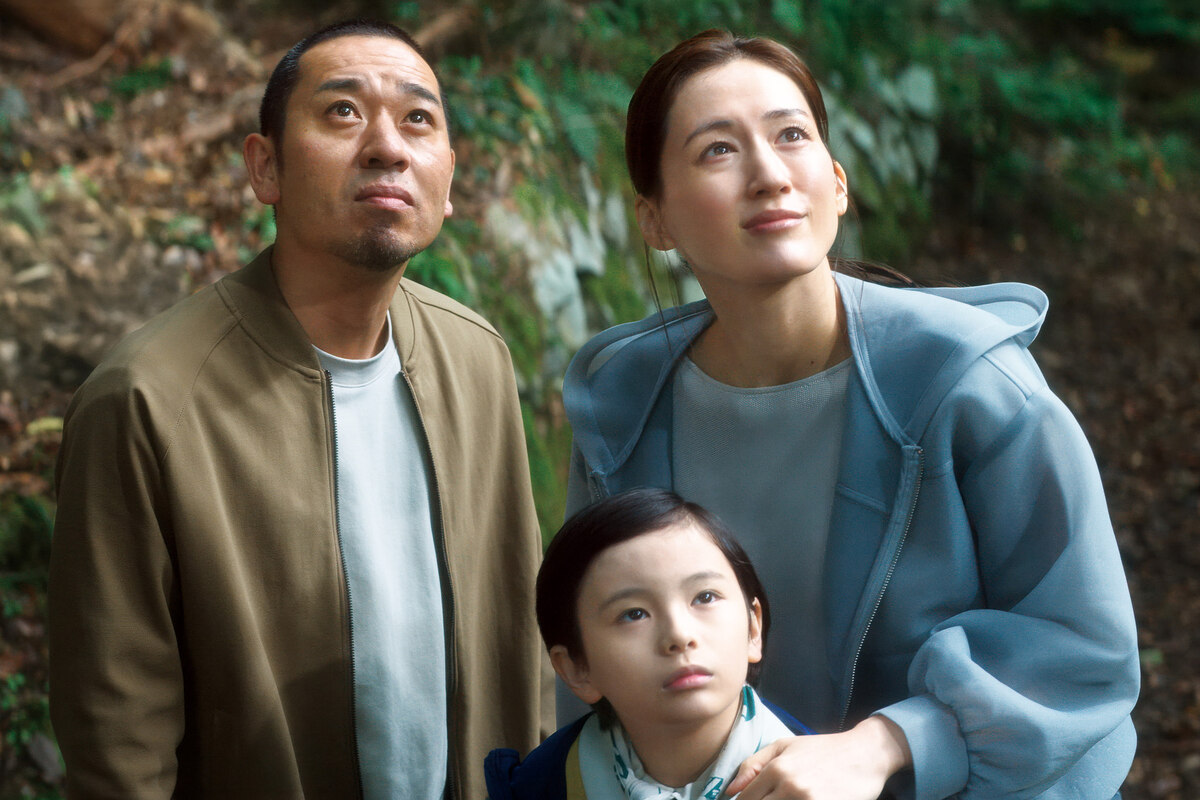
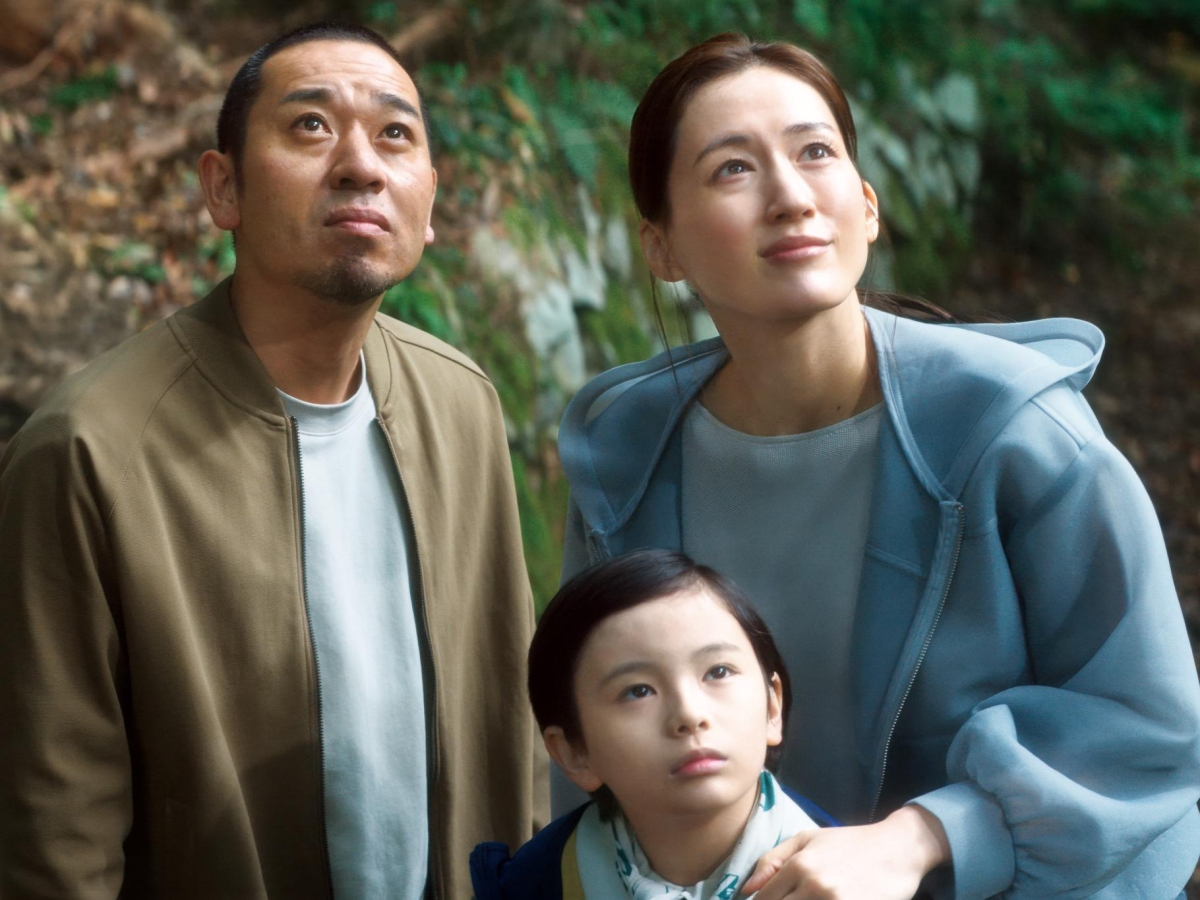
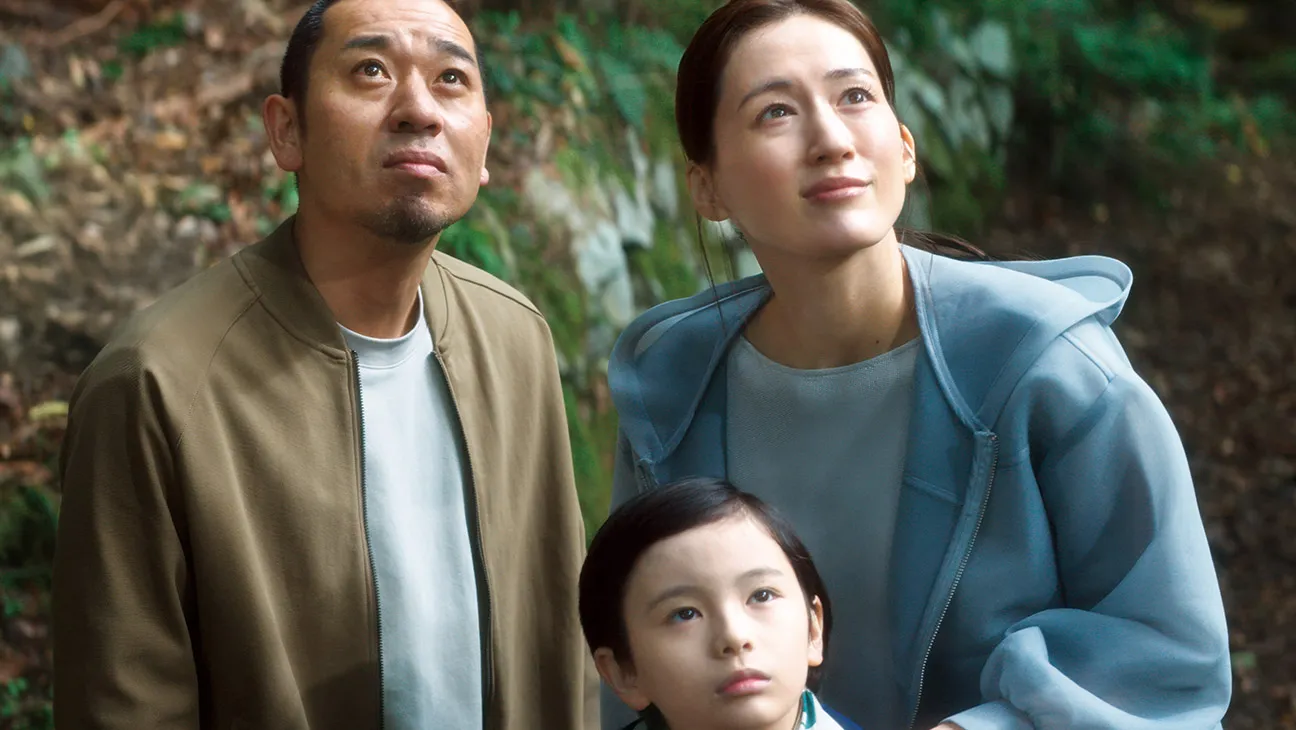
The film stars Haruka Ayase and Daigo Yamamoto as a young couple mourning the recent death of their son. They live in a leafy exurb of Tokyo in a sleek, sunlit home designed by the wife, an architect, and built by the husband, a carpenter with a soulful reverence for high-quality wood. But the weight of their grief is just as palpable as the utopian patina of their surroundings. A dubious promise of relief arrives by way of a new AI-powered robotics company — one that specializes in vividly realistic android re-creations of lost loved ones. Tentatively, the bereaved parents soon welcome a little humanoid (played by newcomer Kuwaki Rimu) into their home who is indistinguishable from their beloved late son, Kakeru — except for a power button on the back of his neck and a nightly need to sit on his charging station.