While emerging technology is banned from the Palme d’Or, an upstart movement is gaining investment and attention
I
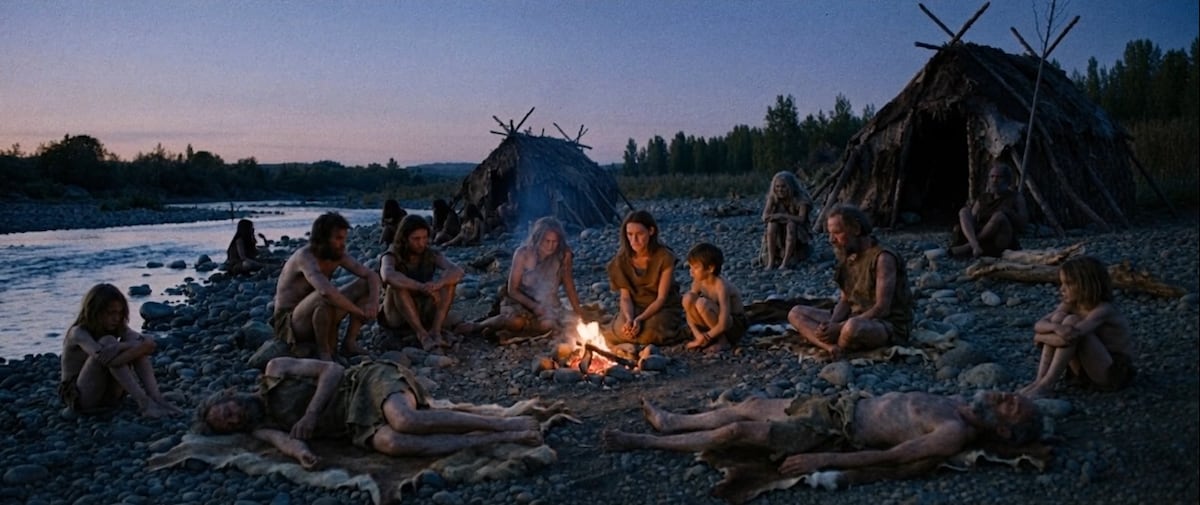
n Cannes’ darkened screening rooms, the supposed future of cinema flickered into life this week and it was strange. The first edition of the World AI film festival (WAIFF) showcased visions of men with fish scales erupting from their necks and seaweed from their mouths, a heroine with a heart beating outside her body and so many massed armies of AI-generated tanned men sweeping across battlefields that David Lean would have blushed.
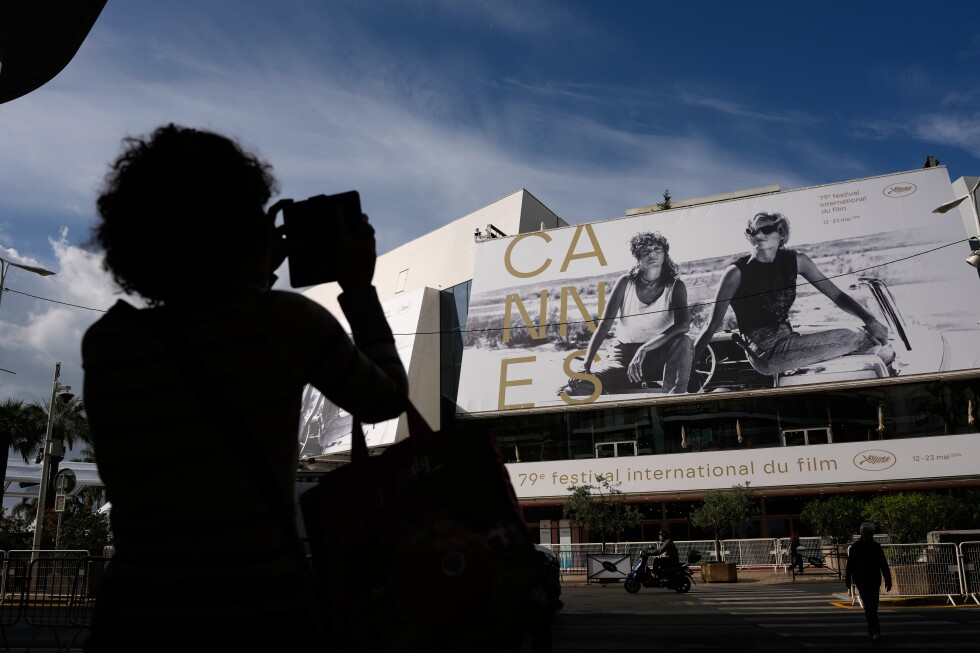
Last week the Cannes film festival, entering its 76th year, banned the emerging technology from its Palme d’Or competition, insisting “AI imitates very well but it will never feel deep emotions”. But this week the Croisette was taken over by the upstart AI film movement and their big-tech backers amid increasing investment and attention from the Hollywood studios. A “nouvelle vague”, they said, is coming.
Many of the films on show were a world away from the sun-drenched glamour usually associated with Cannes icons such as Brigitte Bardot or George Clooney. One was about a man who makes billions from a company based on selling the idea “nothing matters”. There were numerous Blade Runner-ish dystopias and renditions of feverish nightmares that seemed to channel wider social anxieties about AI. And there was the odd entry that sailed close to the great controversy about AI and culture – copyright theft.