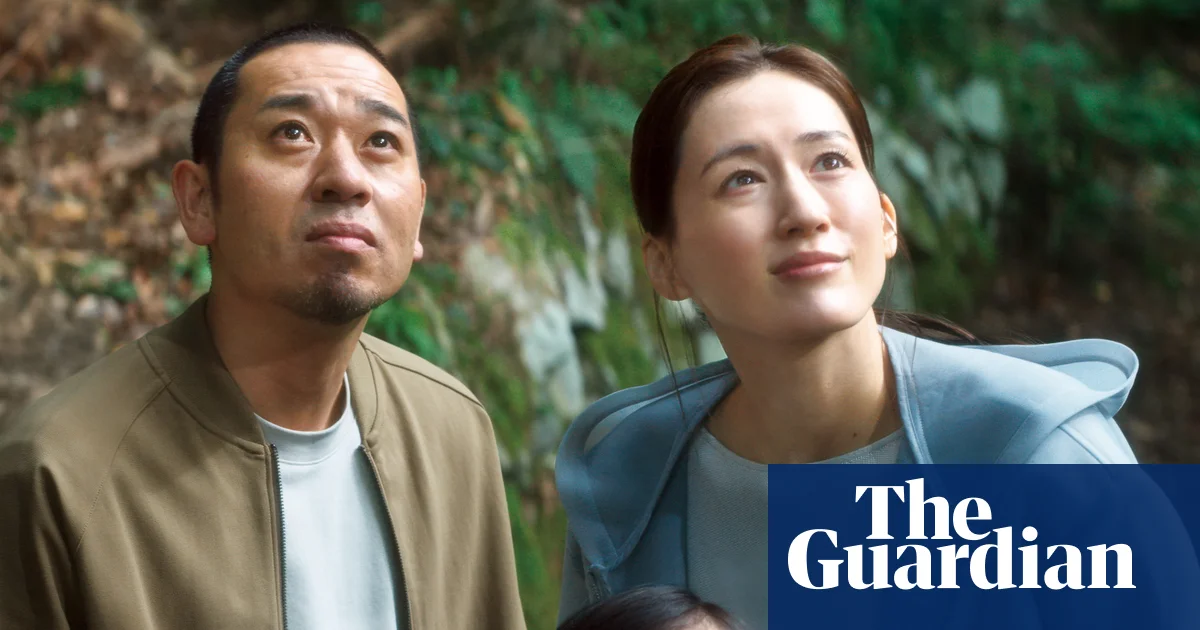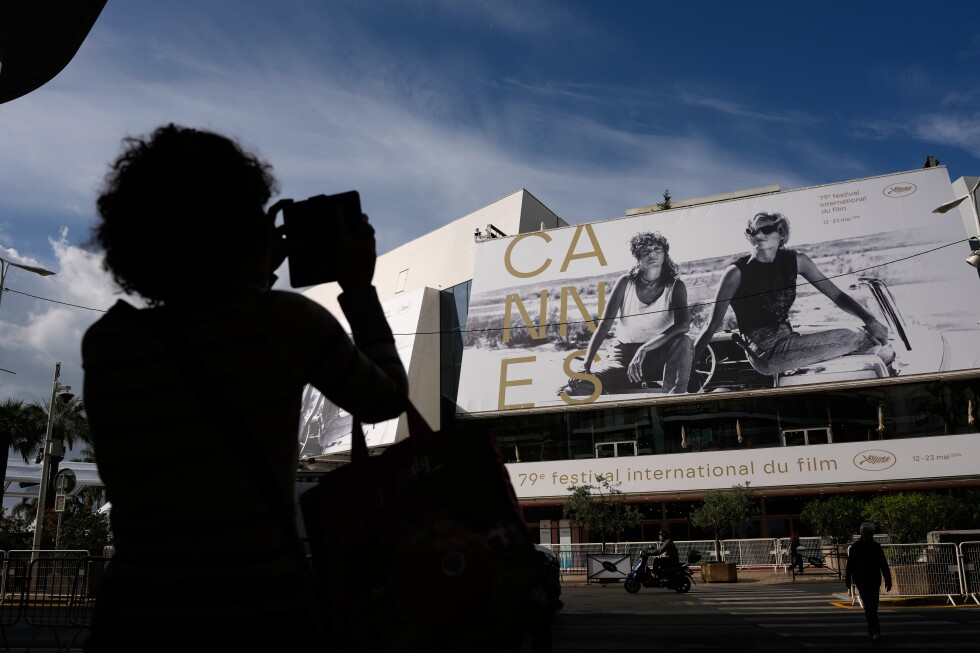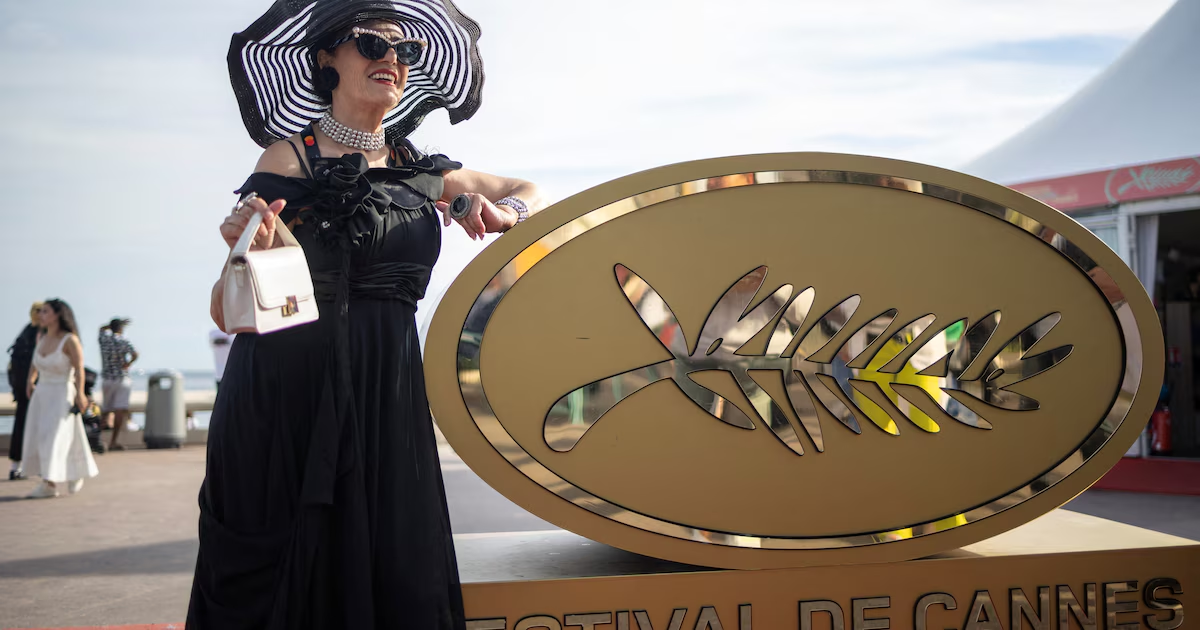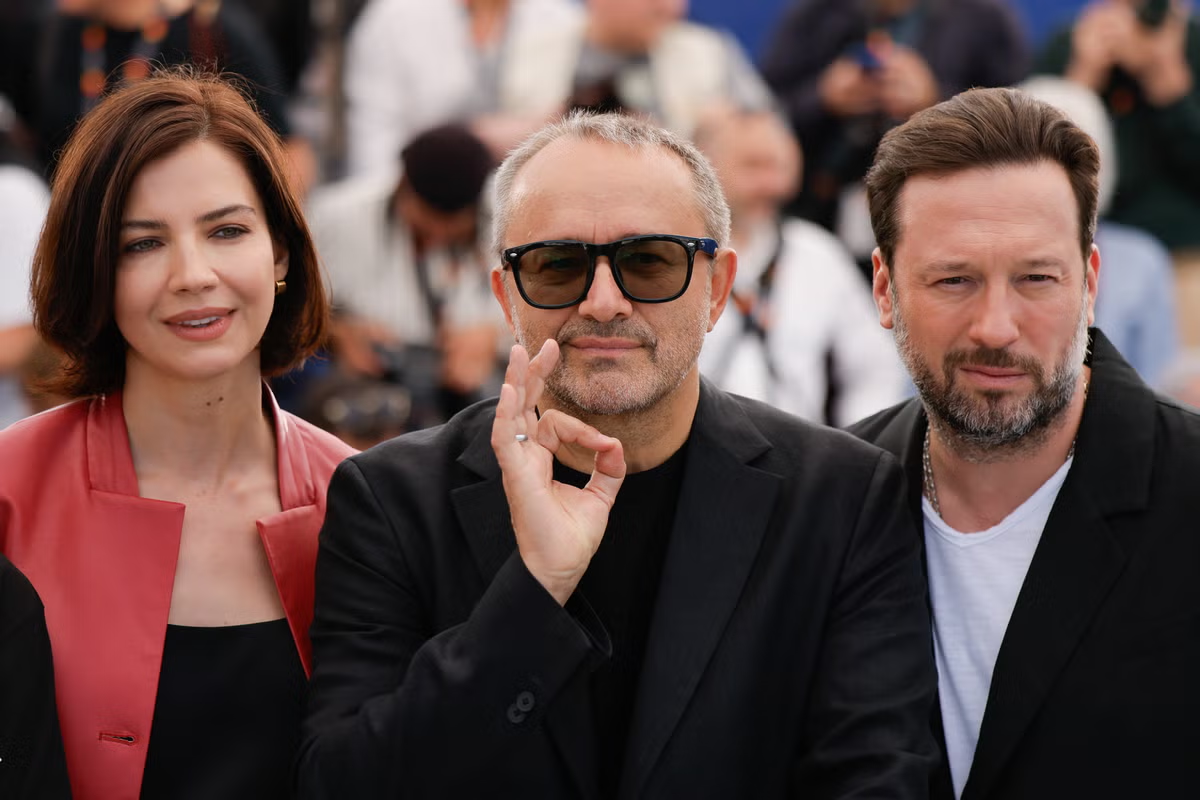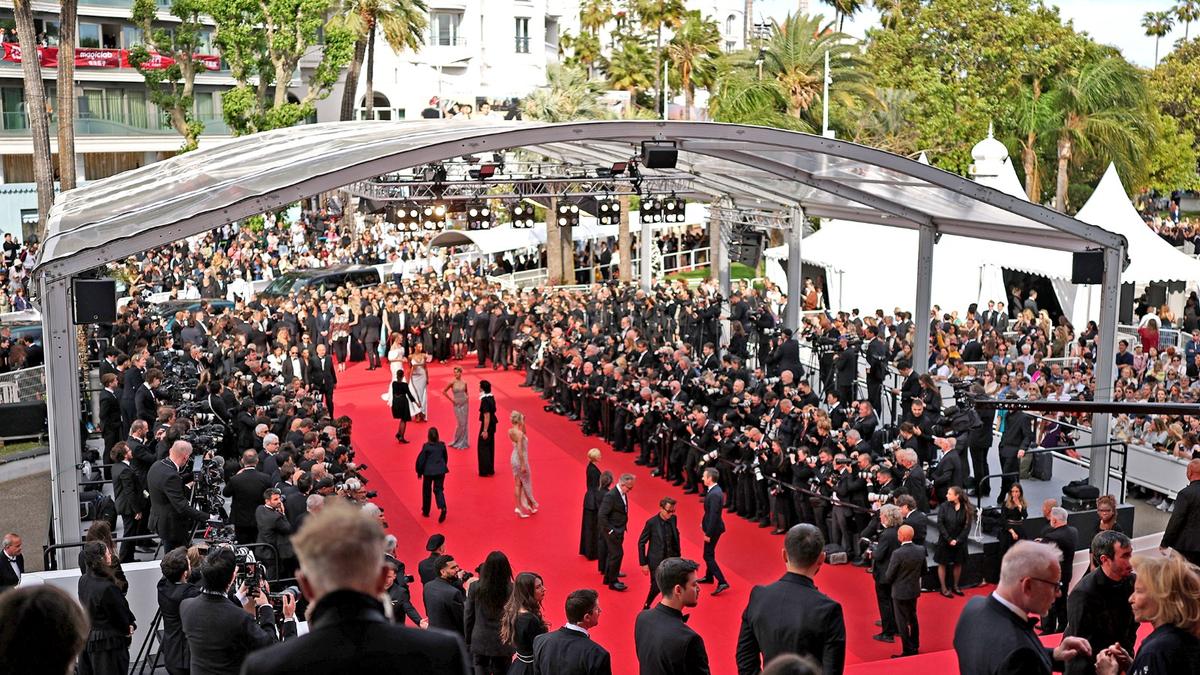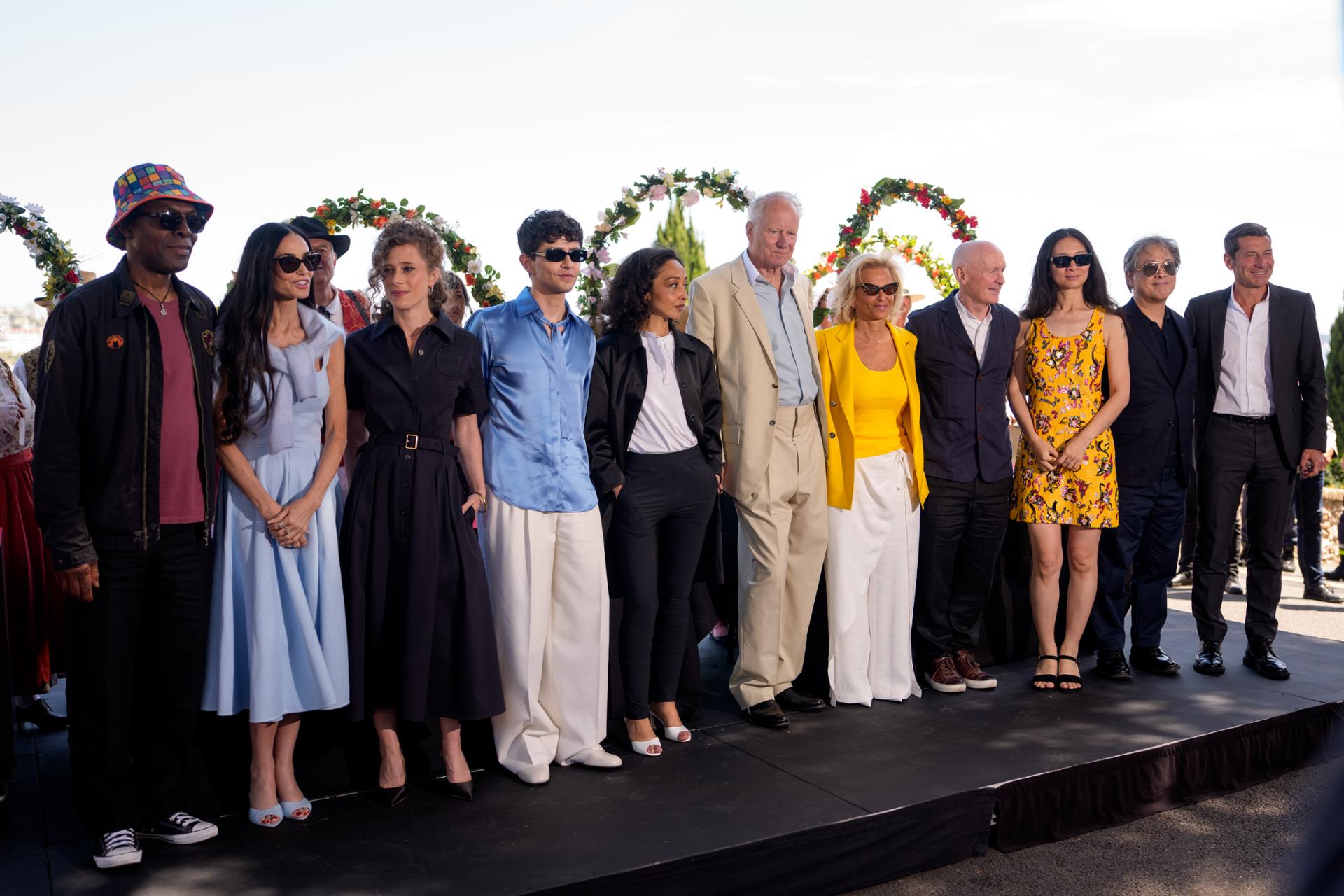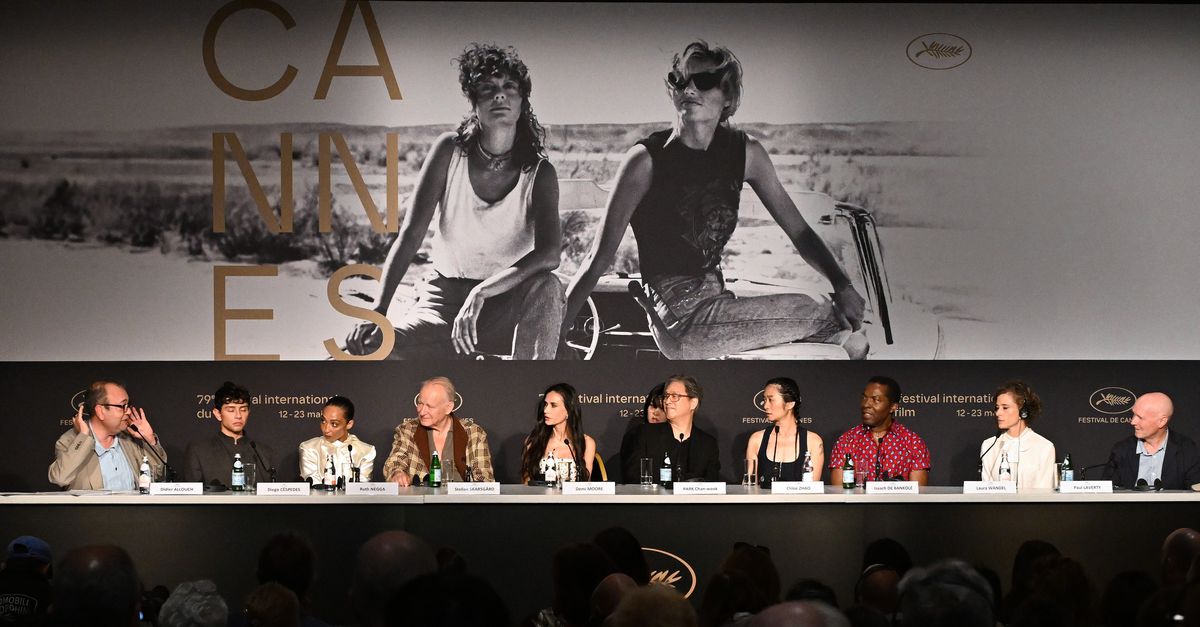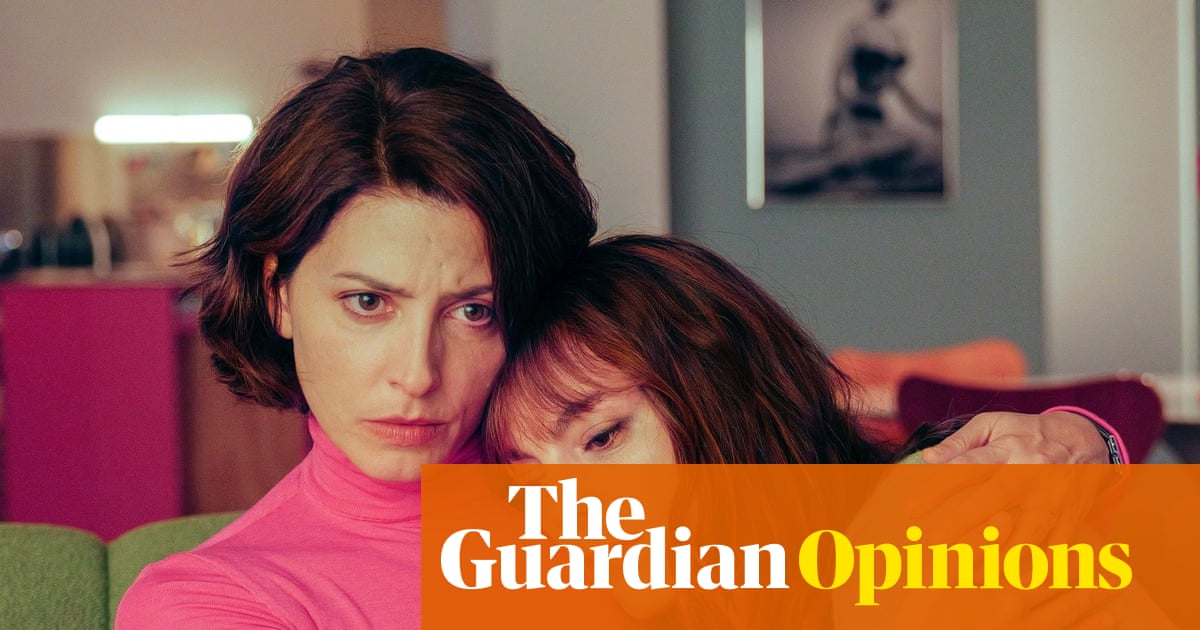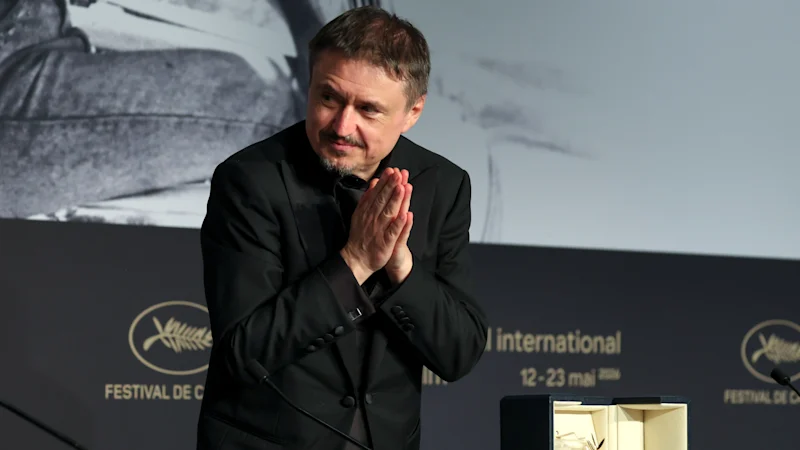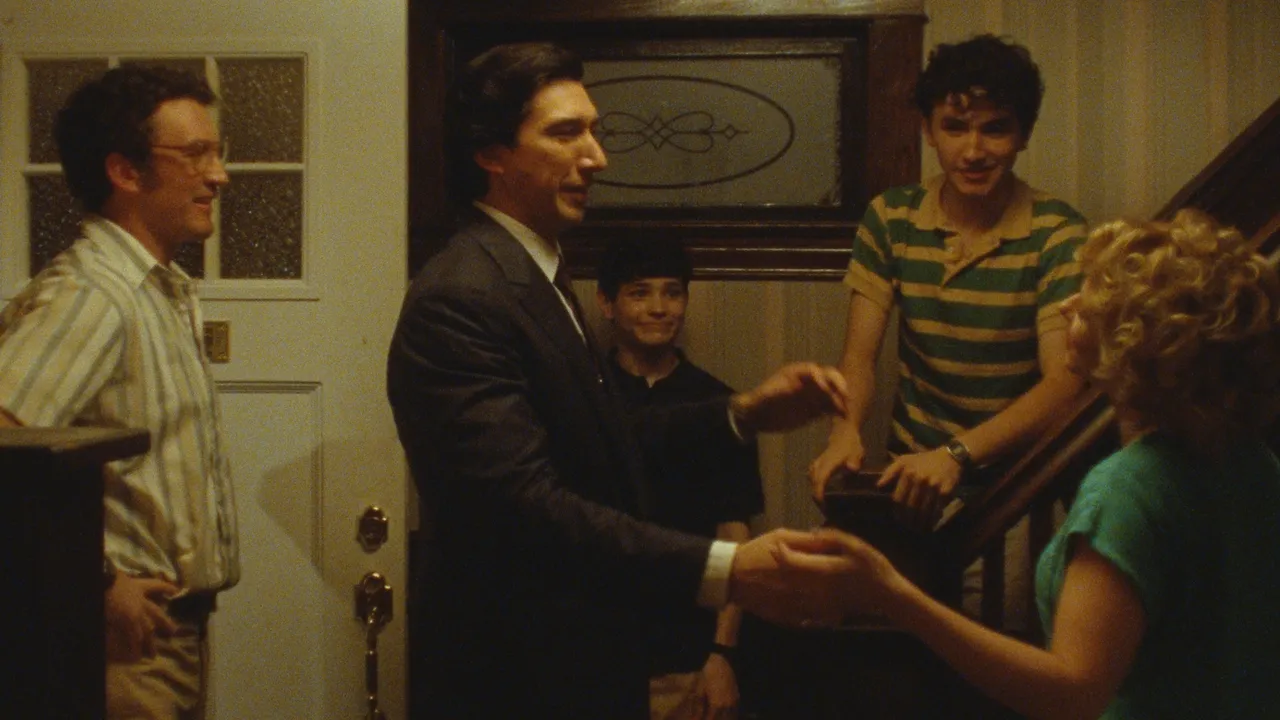
Attend the Cannes Film Festival long enough, and you will grow wearily accustomed to the reality that some of the best films to première there are routinely overlooked for prizes. Lee Chang-dong’s magnificently unsettling psychological chiller, “Burning,” failed to ignite the excitement of the 2018 jury. The tragicomic glories of Maren Ade’s “Toni Erdmann,” from 2016, were just as inexplicably unrewarded. Jurors shut out David Cronenberg’s “A History of Violence,” in 2005; Hou Hsiao-hsien’s “Flowers of Shanghai,” in 1998; Krzysztof Kieślowski’s “Three Colors: Red,” in 1994; Martin Scorsese’s “Alice Doesn’t Live Here Anymore,” in 1975; and—the tradition goes way back—Vittorio De Sica’s “Umberto D.,” in 1952. At the 2006 festival, the first edition of Cannes I ever attended, Guillermo del Toro’s magnificent “Pan’s Labyrinth” drew rapturous acclaim but left the competition empty-handed.Del Toro’s film, the last one to début in the 2006 competition, was the first one unveiled at this year’s festival, in a lustrous new 4K restoration. The movie, set in Spain in 1944, is both an intoxicating work of fantasy and a grim parable of political rebellion, and its insights into the cruelties and vulnerabilities of fascist power remain undimmed. Introducing the film, del Toro noted, “We are unfortunately in times that make this movie more pertinent than ever, because they tell us . . . it’s useless to resist, that art can be done with a fucking app.” After the screening, he yelled, “Fuck A.I.!” into a raucously adoring crowd. (The festival, for its part, doesn’t entirely echo del Toro’s sentiment. One of this year’s selections is Steven Soderbergh’s documentary “John Lennon: The Last Interview,” which uses Meta’s A.I. tools to illustrate some of Lennon’s and Yoko Ono’s words—“a practical example,” per a Meta press release, “of how AI can support a director’s creative process.”)A twentieth-anniversary revival of “Pan’s Labyrinth” felt pointed in another respect, too: as a measure of the gap between what Cannes used to be and what, for some disappointed observers, it now is. Hollywood was a dominant presence at the 2006 festival, with prestige titles like “Babel” and “Marie Antoinette” contending for the Palme d’Or, and movies like “The Da Vinci Code” and “X-Men: The Last Stand” representing the studios outside of the competition. Notably absent from this year’s offerings are summer entertainments on that scale; there’s no “Top Gun: Maverick” or “Mission: Impossible—The Final Reckoning,” to name two recent blockbusters that held their world-première screenings at Cannes. For industry analysts, the lack of such Hollywood-event movies is the latest evidence of a film business in precipitous decline. Amid a catastrophic wave of downsizings and restructurings, plus the impending sale of Warner Bros. Discovery to Paramount Skydance, fewer and fewer studios, it seems, can afford the glitzy launchpad of a Cannes opening. Bringing stars and their retinues to the French Riviera is expensive enough, but a disastrous festival reception can further dent a film’s long-term fortunes, as Disney discovered, in 2023, with the ill-fated launch of “Indiana Jones and the Dial of Destiny.”“Pan’s Labyrinth” (2006).Photograph from Picturehouse / Everett CollectionEven leaving blockbusters aside, there’s a general dearth of American films in the lineup; only two were selected for the competition. One of them, James Gray’s terrifically tense and enveloping “Paper Tiger,” already counts as a highlight. It begins in New York in 1986, around the time that Irwin Pearl (Miles Teller), an engineer, explores a new business venture with his older brother, Gary (Adam Driver), a former police officer. Irwin’s putative job would involve serving as a waste-disposal consultant for the Russian mafia, and although he is the less demonstrative and more naïve of the two, he shares with Gary a stubbornness that can veer into ill-advised swagger. Before long, Irwin and his wife, Hester (Scarlett Johansson), and their two teen-age sons (Roman Engel and Gavin Goudey), find themselves in grave danger from Irwin’s would-be employers—a threat driven home in two sequences that Gray stages in intimately terrifying fashion. Here, as in nearly all the director’s work, but especially “The Lost City of Z” (2017) and “Armageddon Time” (2022), the fragility of the family unit registers with an almost palpable sense of consequence.Elements of “Paper Tiger” are drawn from Gray’s own experience, and you may recognize plot points from some of his earlier films, namely “Little Odessa” (1994) and “We Own the Night” (2007): a gnarly Russian-mob milieu, a festering estrangement between two brothers, and a mother who is succumbing, or has already succumbed, to a grave illness. Johansson has been showily dowdified—thick-rimmed glasses, a big blond wig—but never loses her hold on the character; when her voice cracks and her eyes widen in shock, she conveys a bone-deep understanding of Hester’s anguish and fear. It’s a sign of how thoroughly she and Driver vanish into their roles that I didn’t remember, until well after the film ended, that the two actors had previously shared top billing in “Marriage Story” (2019). “Paper Tiger” is another marriage story, and if Teller seems a bit young for the part of a middle-aged family man, his evident ambition works subtextually for a character who desperately wants to be taken seriously. Such foolhardy male striving, the movie suggests, is all too often destructive.As ever, Gray uses personal dramas to illuminate larger political realities. In the coming-of-age film “Armageddon Time,” he drew a direct connection from the racist policies of the Reagan era to the overt white supremacy of the Trump era. In “Paper Tiger,” he seizes on a specific mid-perestroika moment, when the rapid opening up of the Soviet economy furthered the Russian mafia’s reach into American neighborhoods—and ushered in our current age of corruption, greed, and moral and environmental ruin. Gray’s sense of time and place is matched by his skill with genre conventions; not least among the film’s set pieces is a hushed, thrilling scene of men stalking each other in what looks like a cornfield, which recalls a similar sequence from “We Own the Night.” Gray may be retilling the same soil, but to poetic and visceral ends: not for the first time, he shows us how to spin corn into gold.Will the particular potency of Gray’s latest vision find favor with this year’s jury? I’m not sure if it helps or hurts him that he is on an unenviable losing streak, having premièred five films in previous competitions, only to see all five strike out. There’s a too-common prejudice at work among international-festival juries that regards any American movie, even one as beautifully handcrafted as “Paper Tiger,” as some kind of industrial product, insufficiently innovative or rarefied within the scope of a high-art cinema event like Cannes. The rejoinder to that argument is that Gray’s fine-grained classicism has come to feel, in the A.I.-courting, franchise-obsessed Hollywood of today, like its own radically subversive gesture.At Cannes this year, such radical potential is front of mind. On the festival’s first day, a journalist asked the jury about the role of politics in cinema—an issue that generated storms of controversy at the recent Berlin International Film Festival, where press conferences were overwhelmed by questions about Gaza, Trump, and the relationships between events onscreen and off. The Cannes jurors seemed well prepared for this, especially the screenwriter Paul Laverty, who has been Ken Loach’s most important collaborator for decades. “In every story, no matter what it is, the question of power and how it operates, and the values within the story, are implicit,” Laverty said. “It’s like the air we breathe.” He more or less echoed the sentiments of the jury president, the South Korean director Park Chan-wook, who stated simply, “I don’t think art and politics should be divided. I think it’s a strange concept to think that they’re in conflict with each other.” He cautioned, though, against letting politics overwhelm art: “Even if we are to make a brilliant political statement, if it’s not expressed artfully enough, it would just be propaganda.”It will be fascinating to see what Park and his fellow-jurors make of one of the competition’s best-received entries, “Fatherland,” which is about the political uses—and, at times, the utter uselessness—of art and artists, especially during and after times of war. The film, the latest from the Polish director Paweł Pawlikowski, follows the novelist Thomas Mann (Hanns Zischler) and his daughter Erika (Sandra Hüller) on a road trip, in 1949, through the rubble of a bombed-out, divided Germany. Mann, who has lived in the United States since 1939, receives a literary hero’s welcome: exiled for his defiance of the Nazi regime, he is now being honored with a prize named after Goethe, his home country’s most exalted poet. The celebration, which is being held in commemoration of Goethe’s two-hundredth birthday, will bring the Manns from Frankfurt, in an obliviously decadent West, to Weimar, in the grim, Soviet-controlled East. Both cities have a claim on Goethe’s legacy—he was born in Frankfurt, but largely worked and eventually died in Weimar—and both cities, too, will attempt to seize upon Mann as a symbol of Germany’s postwar rebirth.“Fatherland” (2026).Photograph courtesy Cannes Film FestivalMann lends to the cause his physical presence and his rhetorical gifts, which Zischler embodies superbly. But fine words ring hollow in these enclaves of guilt and opportunism, and Mann is often undercut by his own apolitical maneuverings; at every turn, he must avoid giving offense to his hosts or, worse, endangering his standing in America by appearing sympathetic to Communism. Erika, played by Hüller in the latest of several remarkable performances, is less cautious and more principled. Ostensibly there to chauffeur her father from West to East, she also checks his ego and offsets his cowardice—as when she confronts one of Germany’s most popular actors, whose career flourished under the Third Reich, and accuses him, with slap-in-the-face ferocity, of being a Nazi collaborator. It’s one of a few instances in which Pawlikowski shows, pace Park Chan-wook, how readily the line between art and propaganda can blur.The film’s considerable artistry, of course, is its own rejoinder. Pawlikowski previously made the Oscar-winning “Ida,” from 2014, and the Oscar-nominated “Cold War,” which earned him a directing prize at Cannes in 2018. He and the cinematographer Lukasz Zal filmed “Fatherland” with the same pristinely stylized austerity. The palette is black-and-white, the compositions square and elegant. Sombreness has seldom looked more suave or felt more disciplined; the storytelling is astounding in its concision, sometimes to a fault, as the characters’ rich personal histories are elided. When the Manns are struck, mid-trip, by a tragedy, the emotional blow lingers because of Thomas’s insistence on pushing it aside—their tight schedule leaves them no time for grief—and Erika’s bristling refusal to let him do so.At eighty-two minutes, “Fatherland” is the shortest film in the competition. The longest, and so far the best, is “All of a Sudden,” from the Japanese director and screenwriter Ryûsuke Hamaguchi, who last transfixed Cannes audiences with the nearly three-hour “Drive My Car” (2021). “All of a Sudden” runs longer still, to the point that its title, with its intimation of speed, might seem almost perversely deceptive. It isn’t. Much of the film is set in and around a Parisian elder-care facility, and Hamaguchi guides us through its rooms and hallways, its meetings and rituals, with a patience and passionate granularity worthy of the late documentary filmmaker Frederick Wiseman. Like Wiseman, Hamaguchi is a wizard at manipulating time and how we experience it; in his hands, stillness takes on the quality of suspense, conversation becomes action, and a day’s worth of drama can pass in a few minutes of screen time or expand, quite rivetingly, to an hour.“All of a Sudden” (2026).Photograph courtesy Cannes Film FestivalThe film, which unfolds in three tightly structured acts, centers on the friendship between Marie-Lou Fontaine (Virginie Efira), the head of the care home, and Mari Morisaki (Tao Okamoto), a Kyoto-based theatre director who is on tour with a play. Over the space of a few weeks, the two women realize that they’re soulmates—their almost-matching names are a cosmic giveaway—and that their time together is destined to be brief. This is cause for sadness, but also for joy; as Hamaguchi’s admirers know, even the briefest encounters can be profoundly life-changing. In “All of a Sudden,” Marie-Lou and Mari forge a deep emotional bond that’s rooted in a serendipitous, strangely matter-of-fact intellectual and philosophical kinship. Their conversation ebbs and flows with probing questions about how we care for others and ourselves; what role individuals and institutions can play in a late-capitalist society; and what proportion of risk to control we should seek in life, especially as we age. The latter question seems to weigh profoundly on Hamaguchi, whose films feel at once meticulously calibrated and wildly audacious, and who here manages, as never before, to make those seemingly contradictory impulses coexist as one. ♦
The Glories of Cannes Are Upon Us
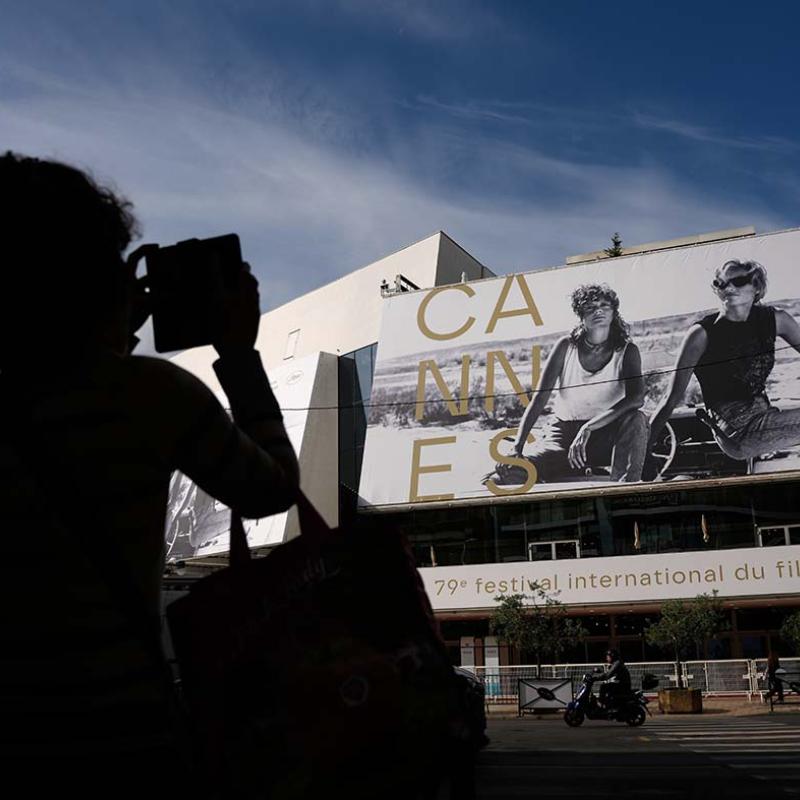
At the 79th edition of the Cannes Film Festival, directors and jurors consider the role of politics—and A.I.— in cinema, with Hollywood conspicuously absent.
2,129 words~10 min read