Does the absence of African films in the main competition at this year’s Cannes Film Festival point to a glass ceiling? Or is African cinema still slowly but surely finding its way to the top table?
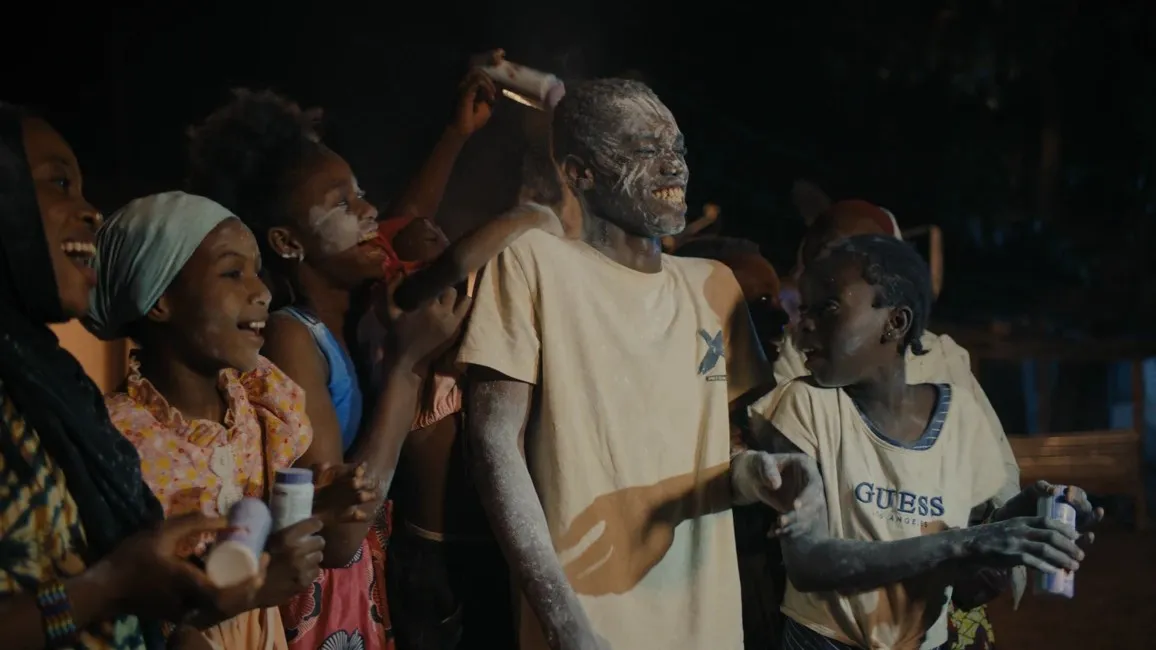
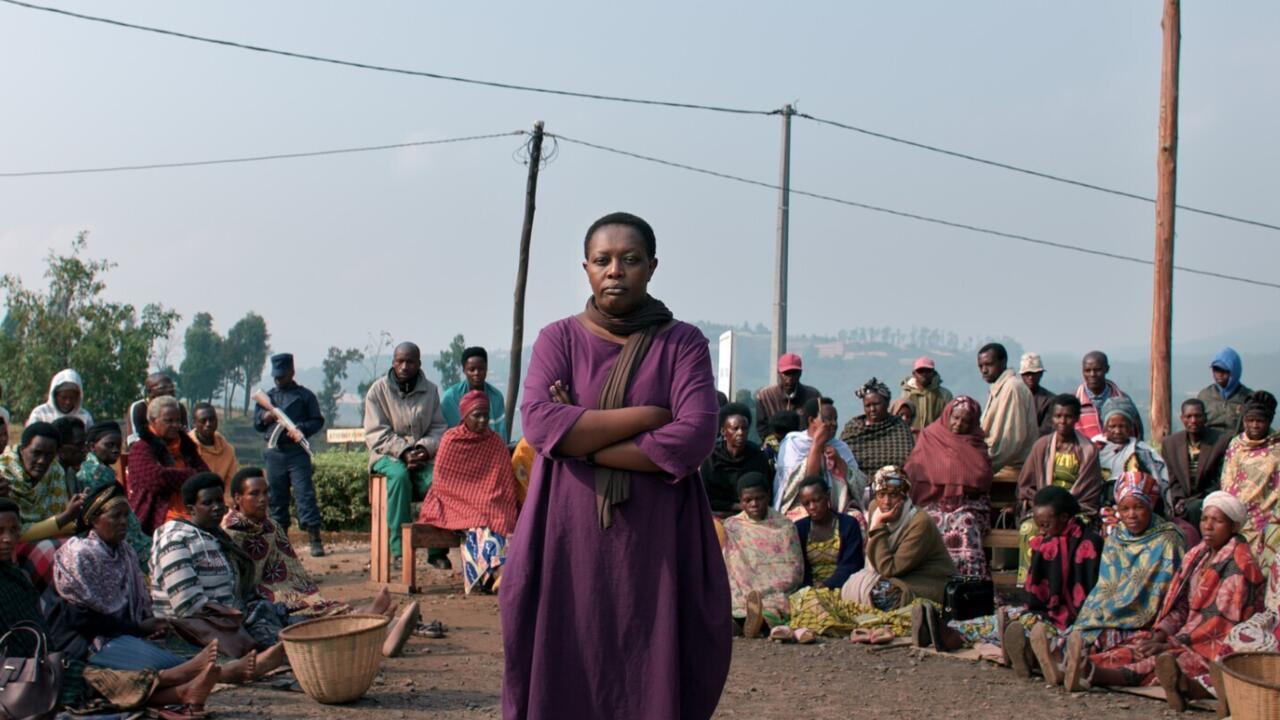
The absence of African-made films among the 22 contenders for this year's Palme d’Or might suggest African filmmakers are still struggling to break into the world’s most prestigious film festival. Not least because there is no shortage of film production across the continent. Nigeria alone produces around 2,500 films a year via what's known as "Nollywood", while South Africa has become a major base for international shoots and both Morocco and Tunisia have built strong state-backed industries. Senegal, Rwanda and Kenya are investing in new talent. Yet when the Palme d’Or line-up was announced, Africa was missing. “Many media outlets noted with disappointment that, given all the current political tensions, the Cannes Film Festival has focused overwhelmingly on European and Western productions rather than truly opening up to cinema from the Global South," said Claire Diao, a French-Burkinabè film programmer and distributor. African films are, however, present in other competition categories at the festival. Diao points to Rwanda’s Ben’Imana by Marie-Clémentine Dusabejambo, the Central African film Congo Boy by Rafiki Fariala and Moroccan director Leïla Marrakchi’s Strawberries, all of which are screening in the Un Certain Regard section. Nigerian cinema will also be represented at the Directors’ Fortnight by the Esiri brothers’ Clarissa. This year’s Cannes jury includes the Ivorian actor Isaach de Bankolé and the Irish-Ethiopian actor Ruth Negga. The opening ceremony was hosted by the Franco-Malian actor Eye Haïdara. "African cinema is here too. Not just because of what’s on the screen," said producer Joaquim Landau.