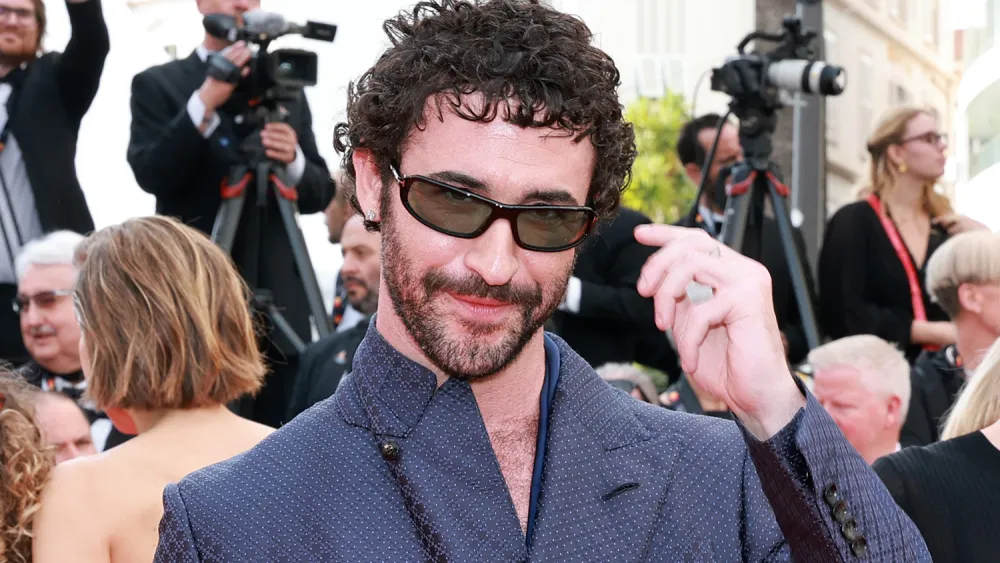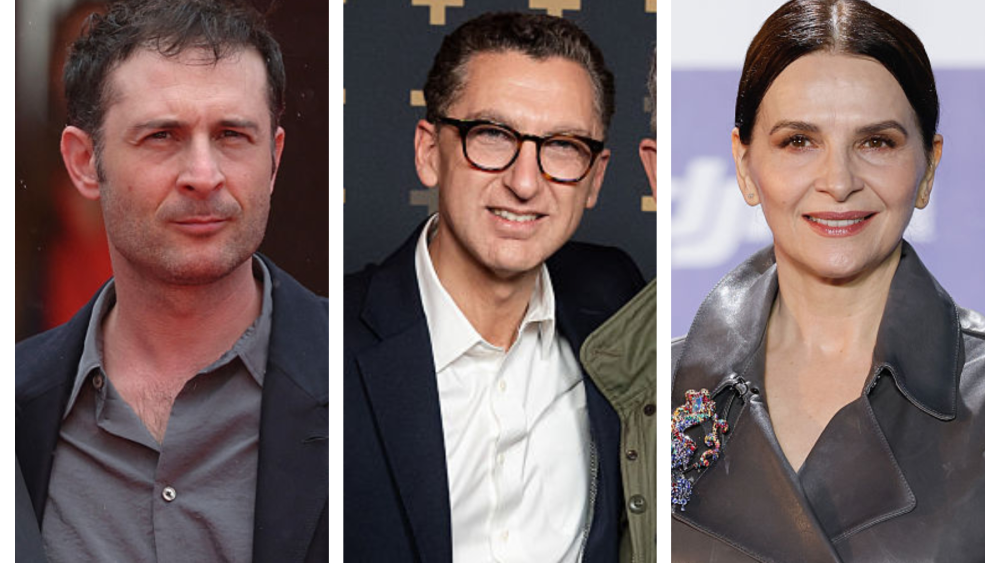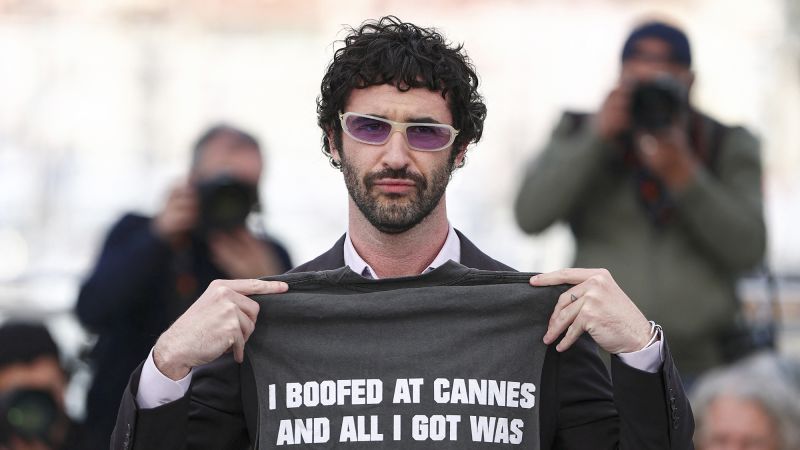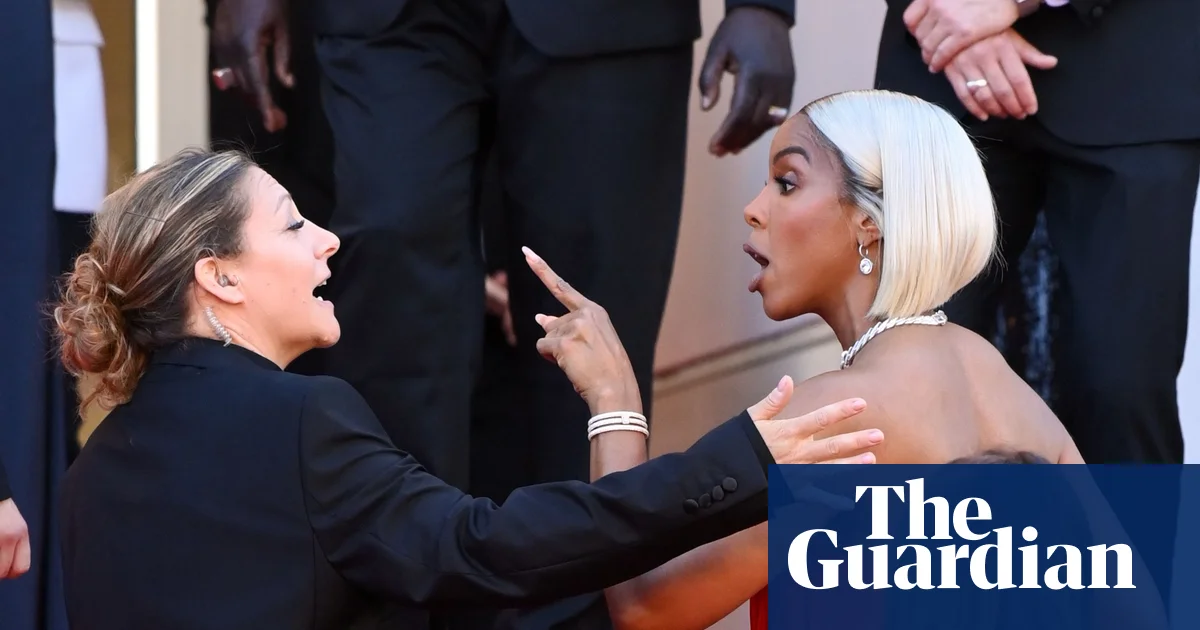
What‘s the point of Cannes film festival?Well, those smaller films that make it into satellite strands profit immeasurably from the attention of circling journalists. Alexander Murphy’s Tin Castle, a documentary about Irish Travellers that screens next week, finds itself sharing Mediterranean air with the era’s great auteurs. The busy film market allows professionals an opportunity for an enormous collective haggle. The practical stuff is important.None of that, however, necessarily requires red carpets, circling helicopters and endless parties on boats (that I never go to). Cannes is among the decreasing number of institutions that continue to believe that cinema – by which we mean theatrical exhibition – deserves to be celebrated as an operatic spectacle. Or as something holier. “Cinema is a religion,” Thierry Frémaux, director of the festival, said last week. “And Cannes is the gathering of all the churches.”All this sounds somewhat fantastical in an era when the latest epic will often find itself streamed via smartphone while the viewer juggles coffee and doughnut on a commuter train. Over the past 20 years cinema has been swept into the demeaning catch-all classification of “content”. It languishes there with vertical videos, comic memes, video games, social-media banter and whatever it is that influencers do. It is there to fill bandwidth.To be fair to the French (about time, they might say), no other nation has, over the past 130 years, taken film more seriously. “Cinema shows the truth at a rate of 24 frames per second,” a character in Jean-Luc Godard’s Le Petit Soldat says. That director, along with colleagues such as François Truffaut and Claude Chabrol, had, when working as critics, a better understanding than most analysts on the other side of the Atlantic of why popular American cinema mattered. It was Godard who identified Howard Hawks, director of The Big Sleep and Rio Bravo, as “the greatest American artist”.While all that discourse was bubbling on, Cannes was emerging as public forum, casual battlefield and, as Frémaux argues, interdenominational synod. Sure, attendees watched films, conducted interviews and fell off yachts. (When I first arrived, in 2010, they were still taking photographs of half-naked women on the beach, but, perhaps correctly, that habit seems to have died out.)[ Cannes 2026: Glamour, sheer excruciation and the vanishing Irish-shot film Bucking FastardOpens in new window ]What matters for the current argument is that the film-makers, critics and attending torchbearers were often in the business of creating ear-bursting controversy. No gathering outside political conventions has had quite so many dramatic contretemps.Remember when Vincent Gallo took offence to Roger Ebert’s review of his ambling, sexually explicit The Brown Bunny. The film-maker described the late critic as a fat pig with the “physique of a slave trader”. In 2015 the festival got in hot water when it was claimed – and then denied by Frémaux – that female guests had been denied entry to the Palais as they were not wearing high heels. A year later Julia Roberts stubbornly ascended the steps in bare feet.More significantly, in 1968, as Paris sweated under leftist protests, Godard and his associates caused the event to be terminated five days before its scheduled end. The final film to screen was Rocky Road to Dublin, a searing indictment of contemporaneous Ireland by Peter Lennon. That respected journalist can be seen, in archive footage, bravely haranguing Godard in pretty decent French. “I am Irish. I showed my first film and your revolutions began five minutes after you showed my film. I can’t vote. Let me speak ...” he bellows.There is a lot more where that came from. In my time at the coalface, the most contentious incident was surely the festival’s grandiose falling-out with Lars von Trier in 2011. The remarks at the press conference for the director’s admired Melancholia remain inexplicable. “I understand Hitler,” he said while sitting beside an observably uncomfortable Kirsten Dunst. “He did some wrong things, absolutely, but I can see him sitting there in his bunker at the end ... I sympathise with him, yes, a little bit.”The director, by then sheltering in Nice, was grandly declared persona non grata by the festival and did not return for another seven years. “I thought that this was forgotten,” he told me in 2018, as his film The House That Jack Built premiered. “But Thierry has been fighting for me. There was this agreement that the film would be out of competition.”These disputes have little in common: rude language to critics, spats over footwear, les événements de mai 1968, von Trier making offensive gags. What matters is that these brawls drew worldwide attention at something so quaint as a film festival. We could have another punch-up this week. It may be about art. It may be a falling-out over politics. Here, if nowhere else, cinema is still a big deal.
Cannes 2026: Why almost nowhere else is as good at generating ear-bursting controversy
From the Paris protests of 1968 to Lars von Trier’s Hitler gag in 2011: here, if nowhere else, cinema still matters
801 words~4 min read