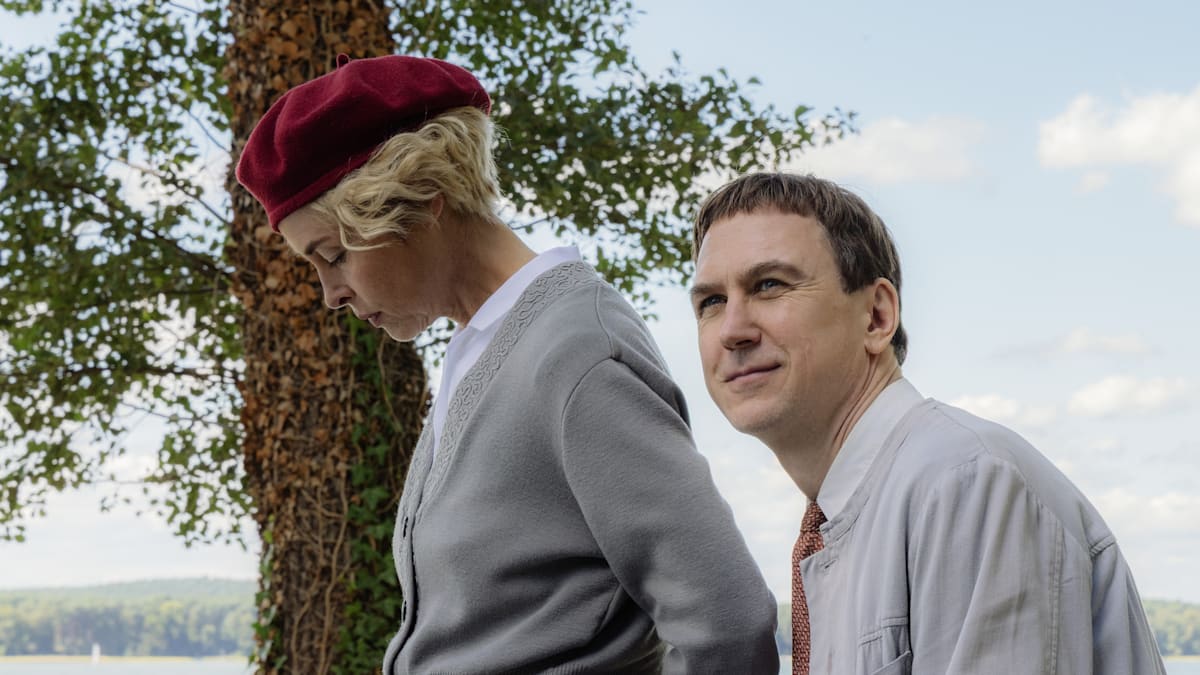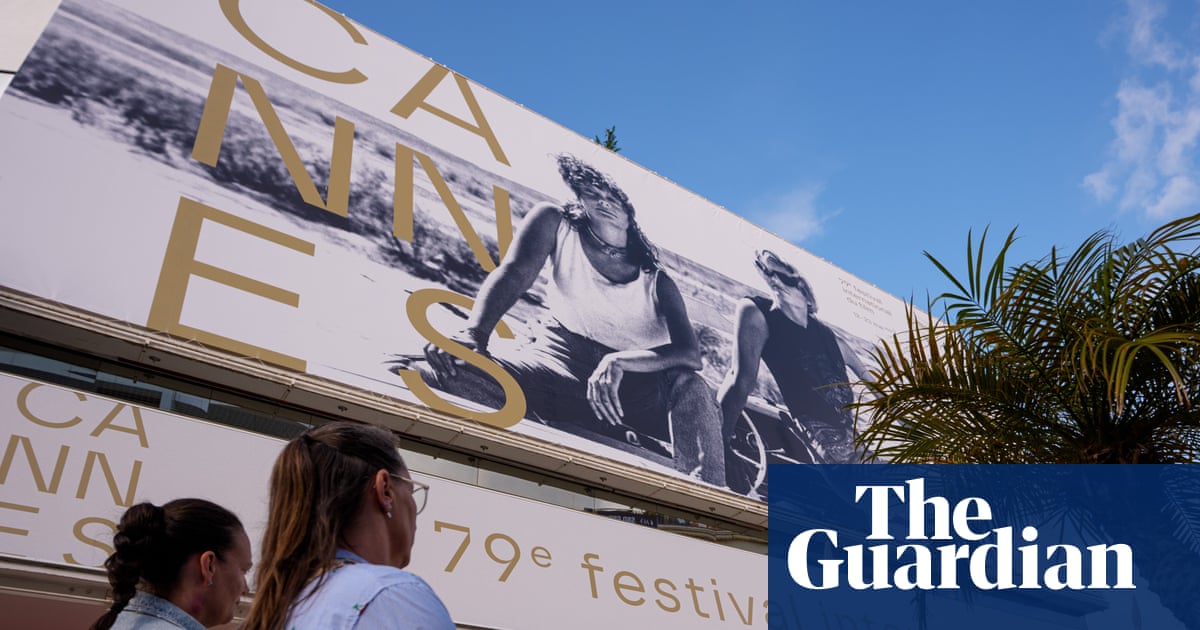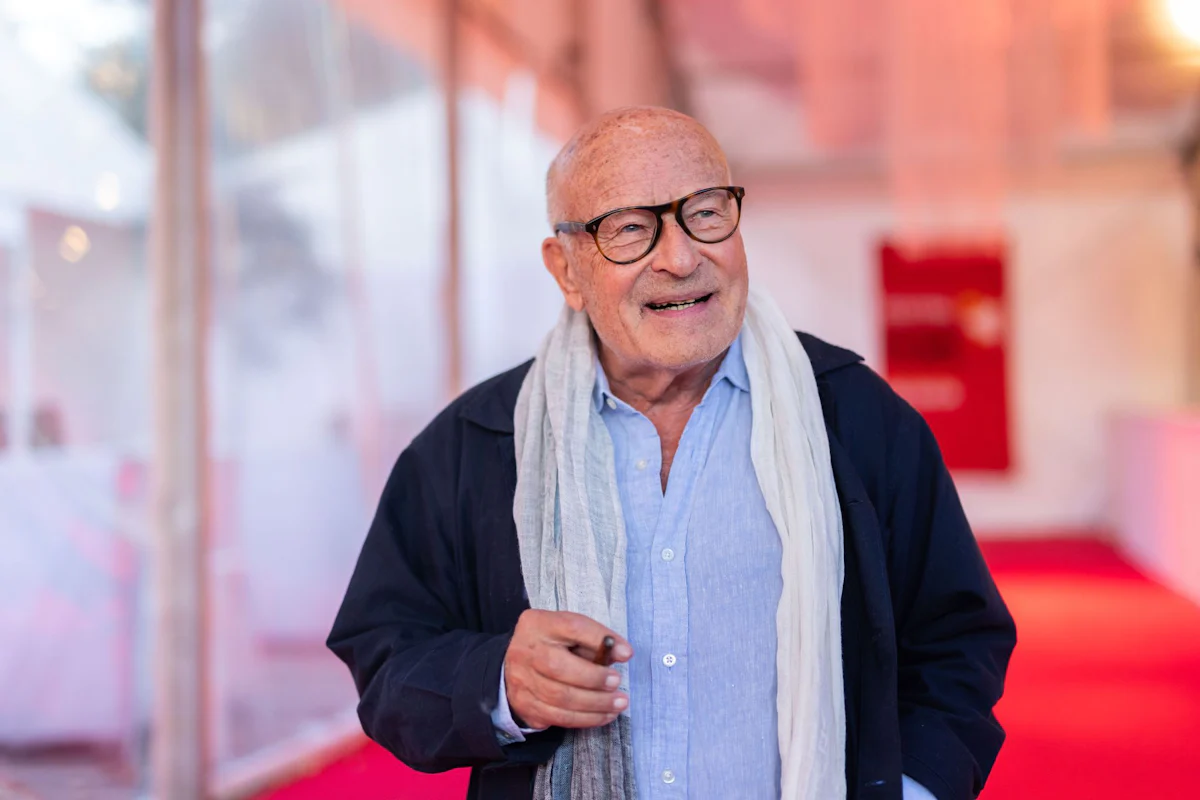
This Cannes, Volker Schlöndorff is just here to enjoy himself.
“Go there for the fun,” he recalls former Cannes chief Gilles Jacob telling him recently. “You got the Palme already.”
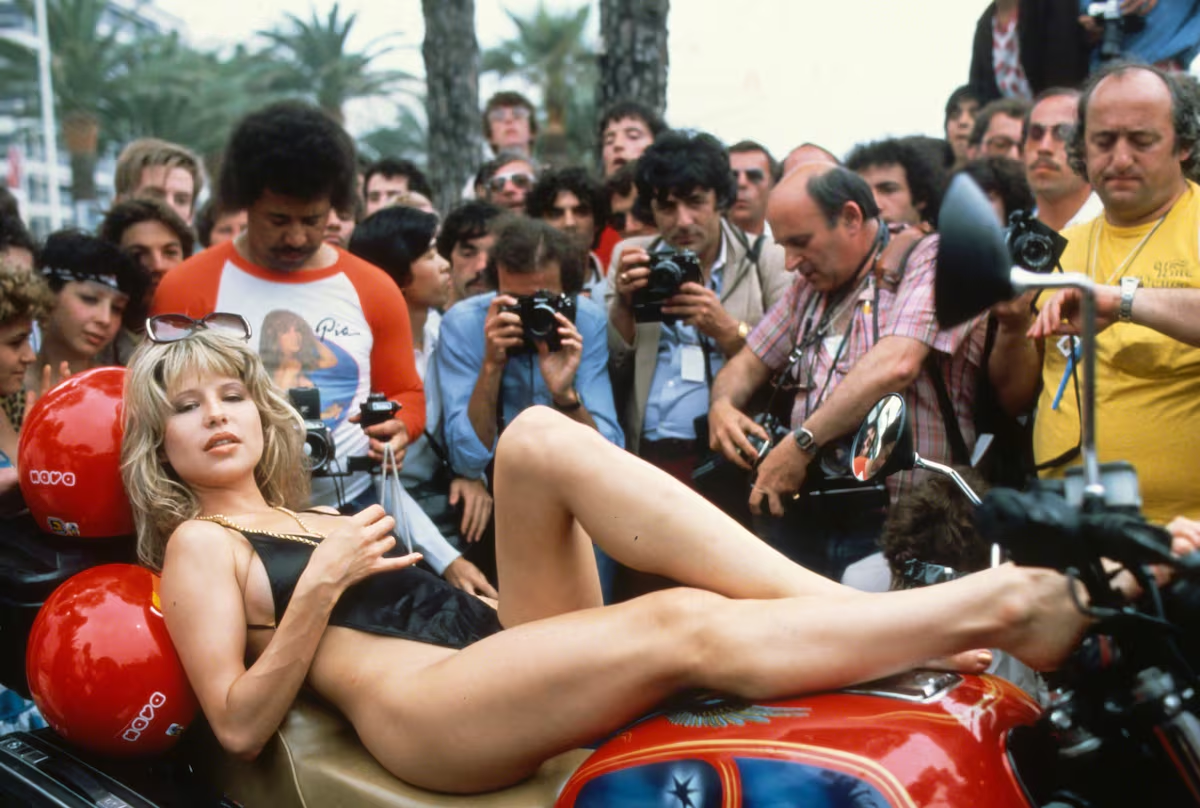
It’s the kind of advice only a filmmaker with Schlöndorff’s history on the Croisette could receive. He arrived in Cannes for the first time with Young Törless in 1966, his debut feature and one of the opening salvos of the New German Cinema movement. The adaptation of Robert Musil’s novel about cruelty and authoritarianism in an Austrian military boarding school caused an immediate scandal. Mid-screening, Schlöndorff remembers, a German cultural attaché stormed out of the Palais shouting: “This is not a German film!”
“For publicity, I couldn’t have asked for anything better,” Schlöndorff says now.
At 87, Schlöndorff speaks with the calm precision of someone who has spent decades arguing about cinema, politics and history — often all at once. His films have done the same. In dozens of features over six decades, from The Lost Honor of Katharina Blum (1975) to Coup de Grâce (1976) to The Ninth Day (2004), Calm at Sea (2011) or Diplomacy (2014), his work has traced the fault lines of European history: fascism, terrorism, war, ideological collapse, and the uneasy compromises between morality and survival. Few filmmakers of his generation moved as fluidly between art house prestige, literary adaptation and political confrontation.