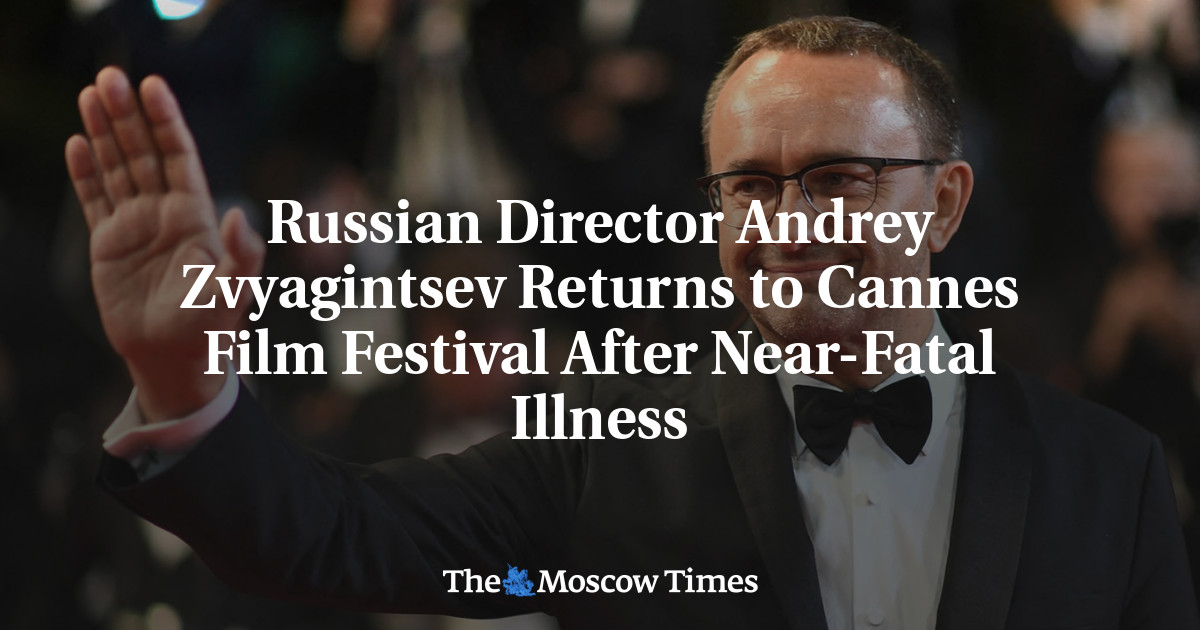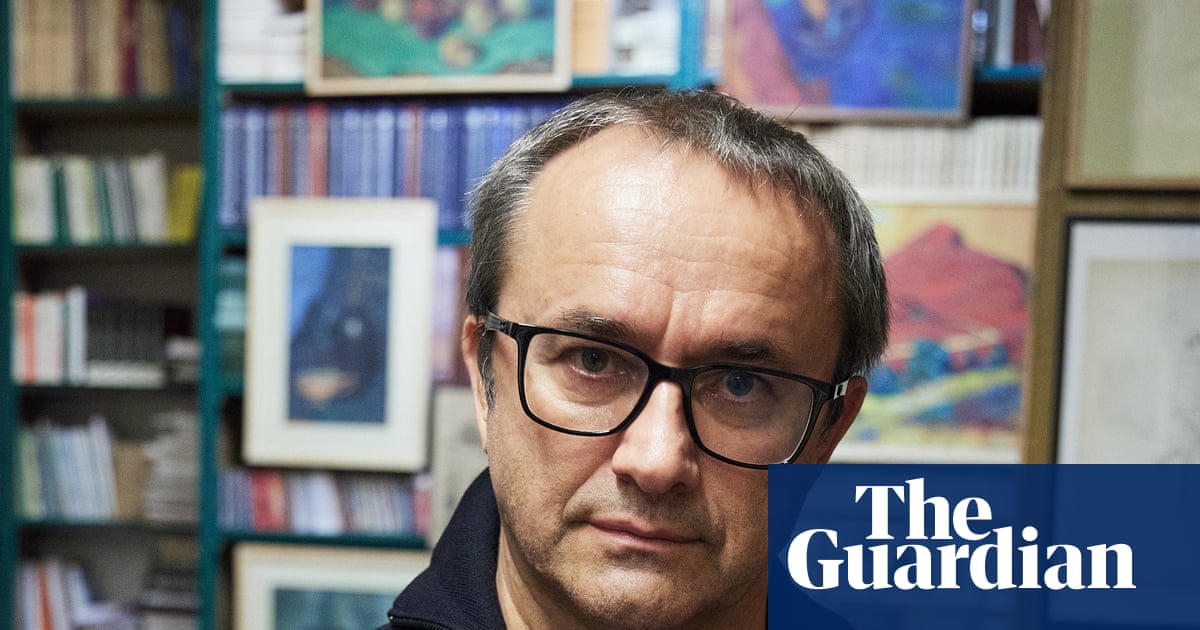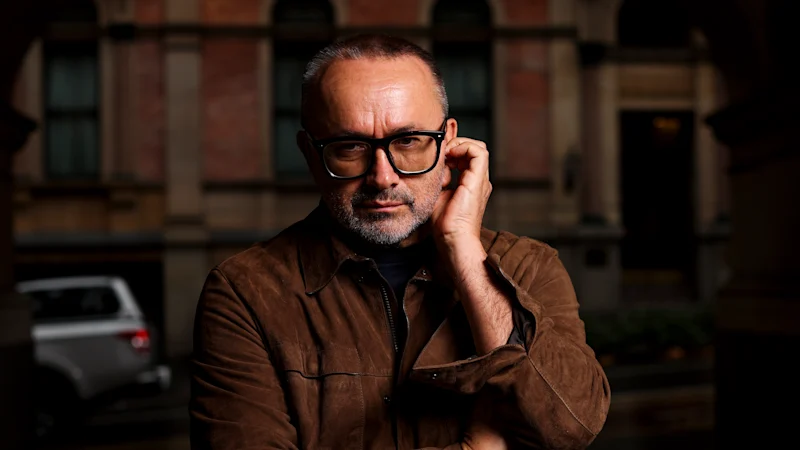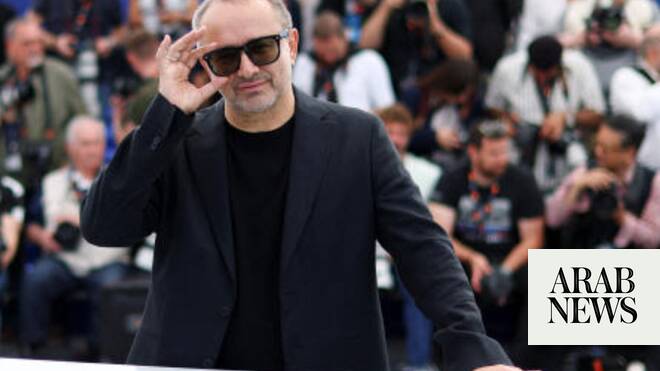
In the 2010s, Andrey Zvyagintsev asserted himself as one of his generation’s greatest filmmakers. The Russian native had already found wide acclaim for his 2003 debut The Return, but with the trifecta of 2011’s Elena, 2014’s Leviathan and 2017’s Loveless — all of which won prizes at the Cannes Film Festival, and the latter two of which were nominated for the best-international-feature Oscar — his singular ability to tell intimate stories on an epic scale came into full view. Specifically: Uncompromising, brutally realist portraits of contemporary Russian society.
Zvyagintsev’s momentum then stalled. Some potential future projects couldn’t get off the ground, but most importantly, the pandemic happened. The director was struck with Covid — and nearly died of severe lung damage, in an ordeal that took up 18 months of his life and saw him unable to move for a full year. He made what he describes as a miraculous recovery — “resurrected” in Paris, where he healed, to a very different world: His country had gone to war with Ukraine, in a grimly escalating situation.
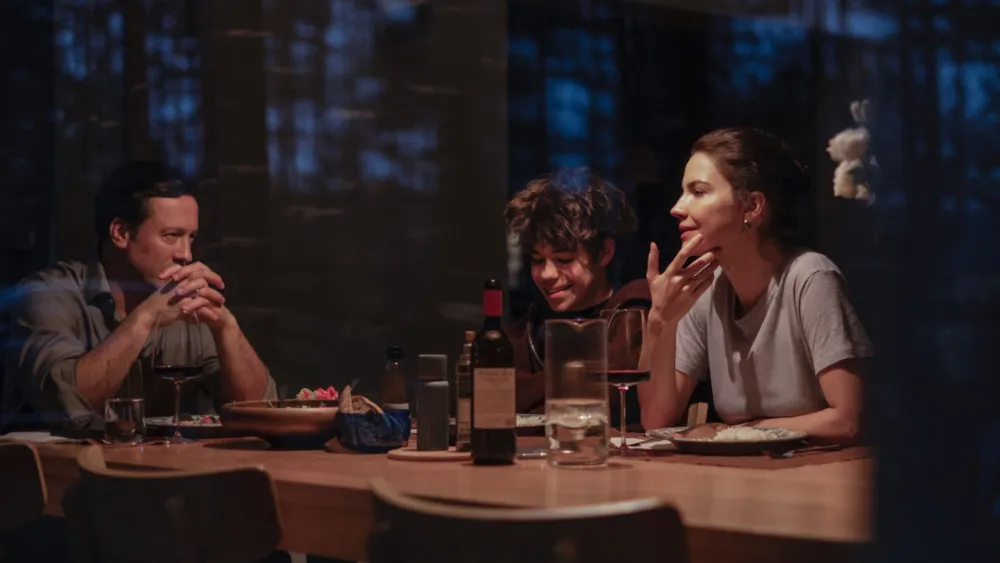
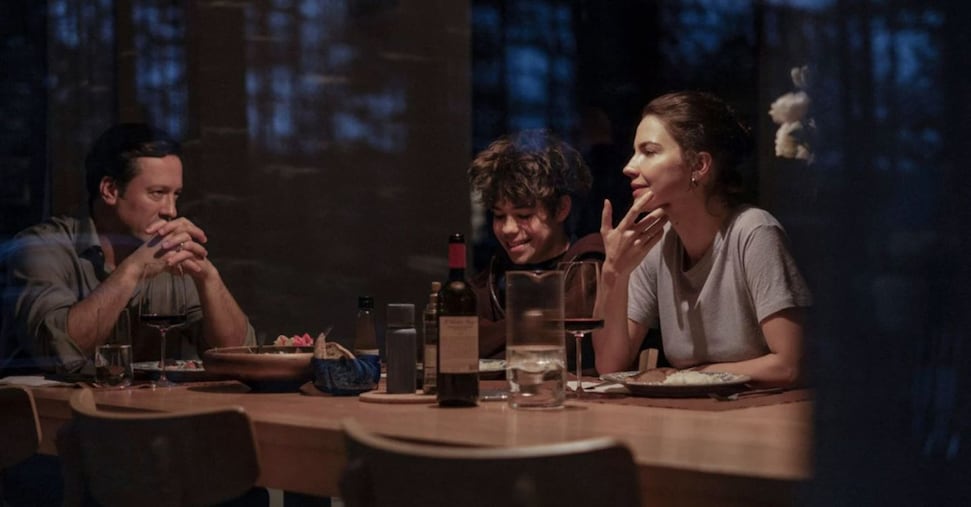
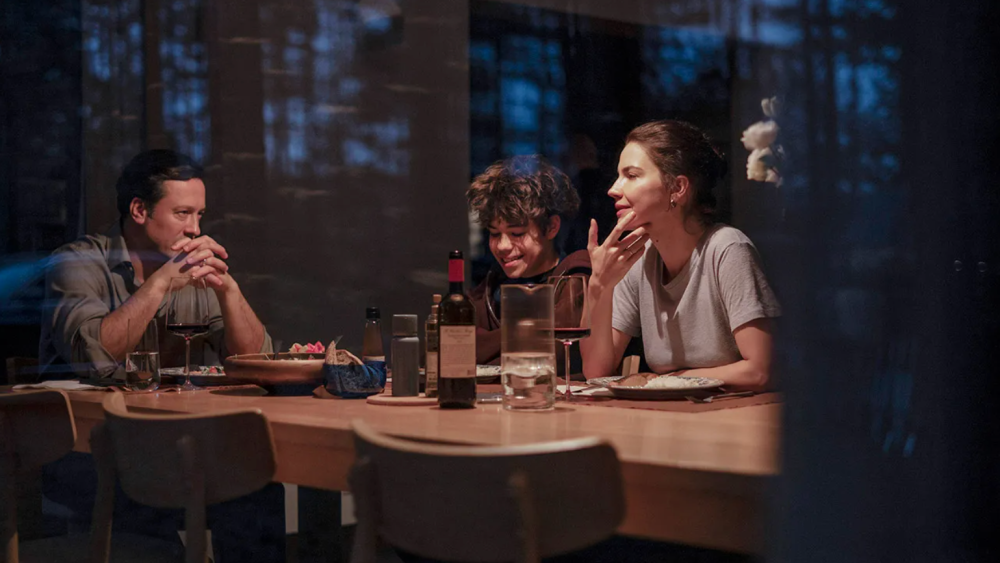
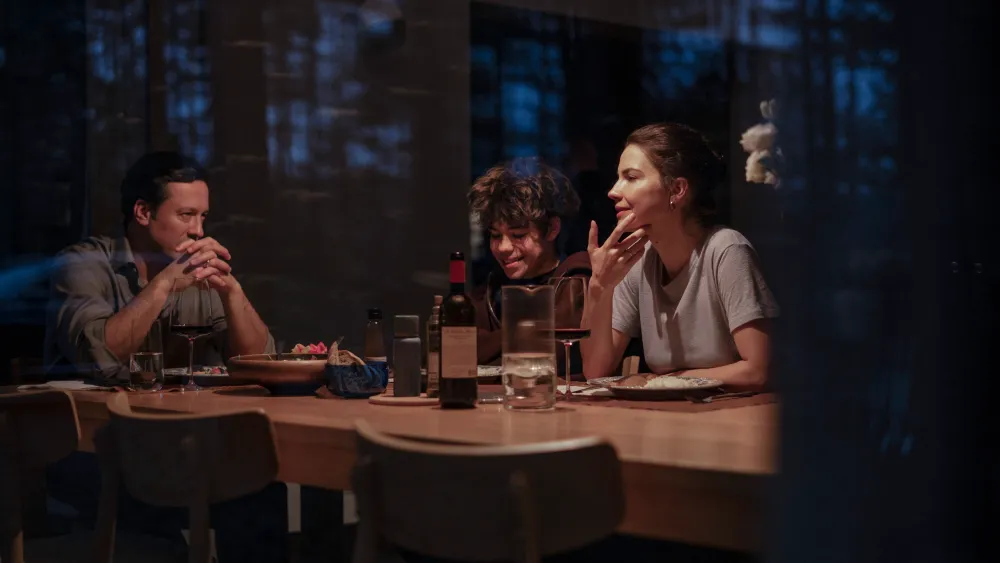
Ever determined to speak frankly about Russian life and culture in his films, Zvyagintsev was in turn inspired to make his next project — Minotaur, an adaptation of Claude Chabrol’s 1969 erotic thriller The Unfaithful Wife, co-written by Simon Lyashenko. The director had been trying to acquire the rights to that French-Italian classic long before the war broke out — but the timing turned out to be just right, as he was able to fuse his longstanding fascination with the material with a dark new chapter in his country’s history.