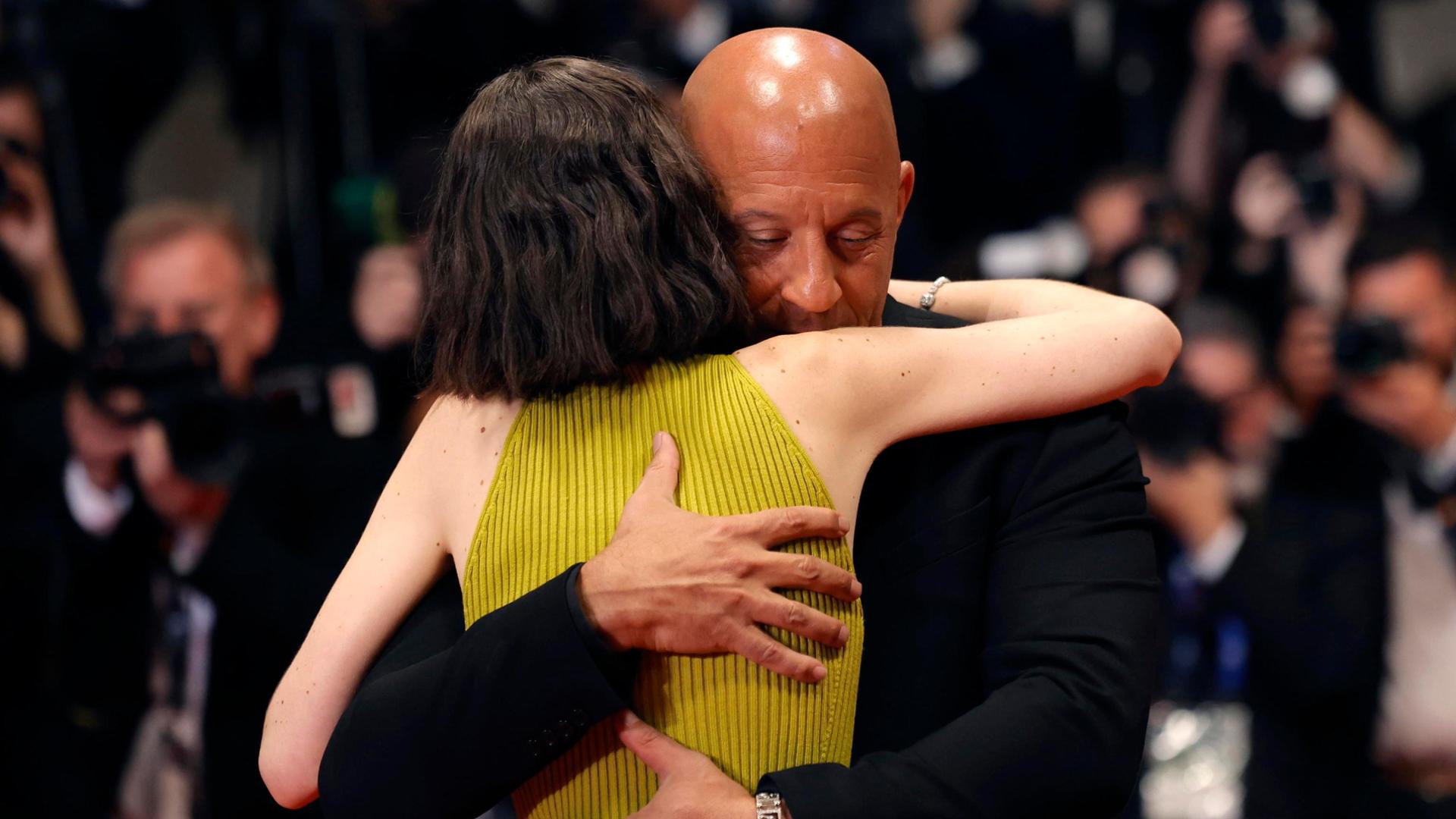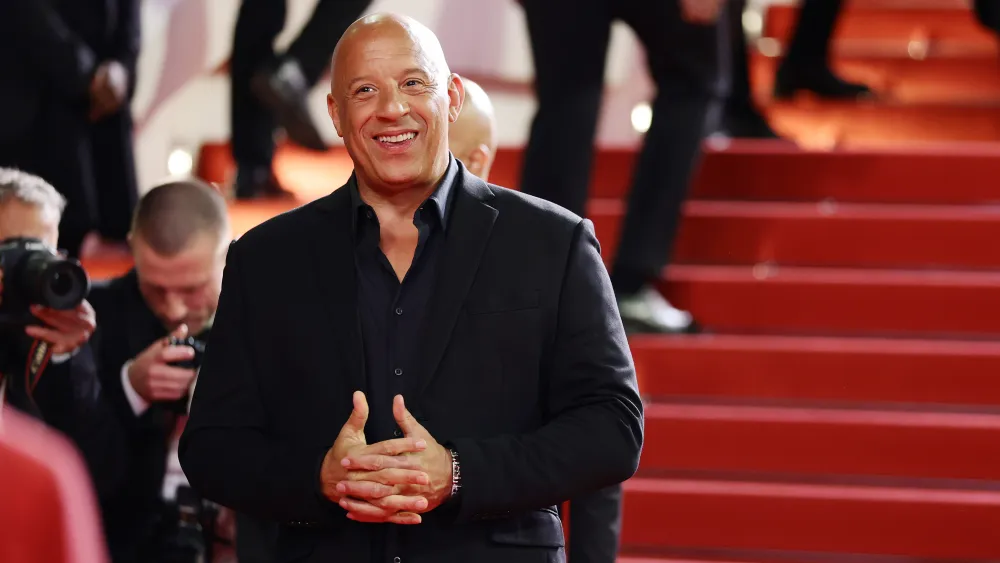
The Lumière brothers pointed a camera at a train in 1895, and the audience ran from their seats. Not because the train was real, but because the story was. Because something in the human animal recognized, in that flickering light, the possibility of shared experience at a scale that had never existed before.
In 1995, the Cannes Film Festival marked 100 years since that moment. And for reasons I still don’t entirely understand, they made room on that anniversary for a 20-minute film by a 27-year-old New York actor who couldn’t get cast, didn’t own a suit that fit and wasn’t entirely sure he had the return ticket home.
That film was “Multi-Facial.” The actor was me. I’d flown out with my buddy Johnny, who sold tools over the phone with me back home, two kids from the East Coast, one film and no plan for what came after. We couldn’t afford to stay in Cannes, so we took the train in from Nice every day and had one meal a day — pasta bolognese. That was the budget.
The subject of the film was a young performer too multicultural for his time. A dreamer lost somewhere between the categories the industry had decided were the only categories that existed. He couldn’t get on the screen. But he could not stop believing in what the screen was for. Cannes, in the year it was honoring the very birth of cinema, said: bring it anyway.