Italy in the Hormuz crisis: diplomacy, naval missions and food security
Antonio Tajani
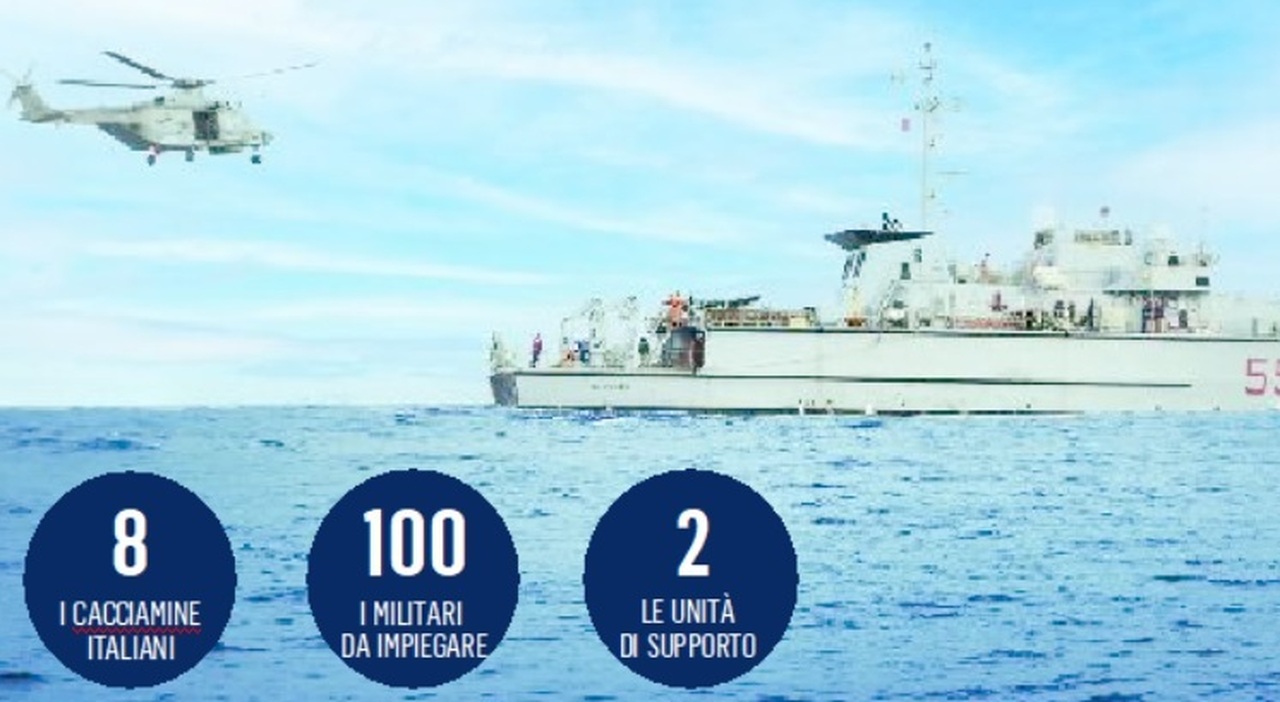
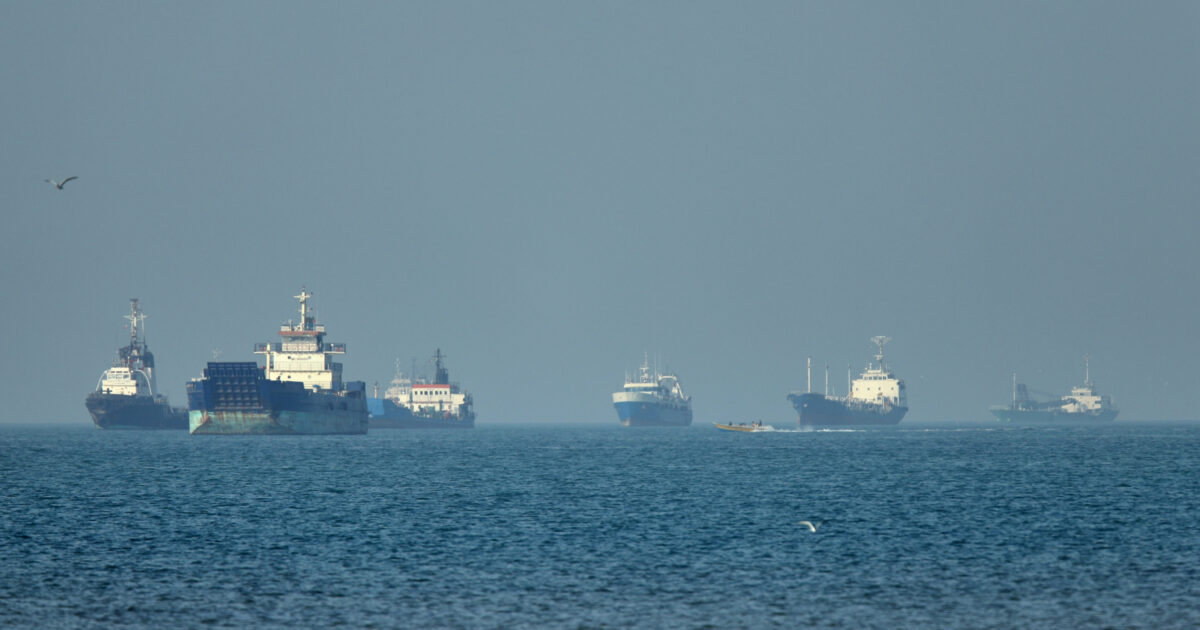
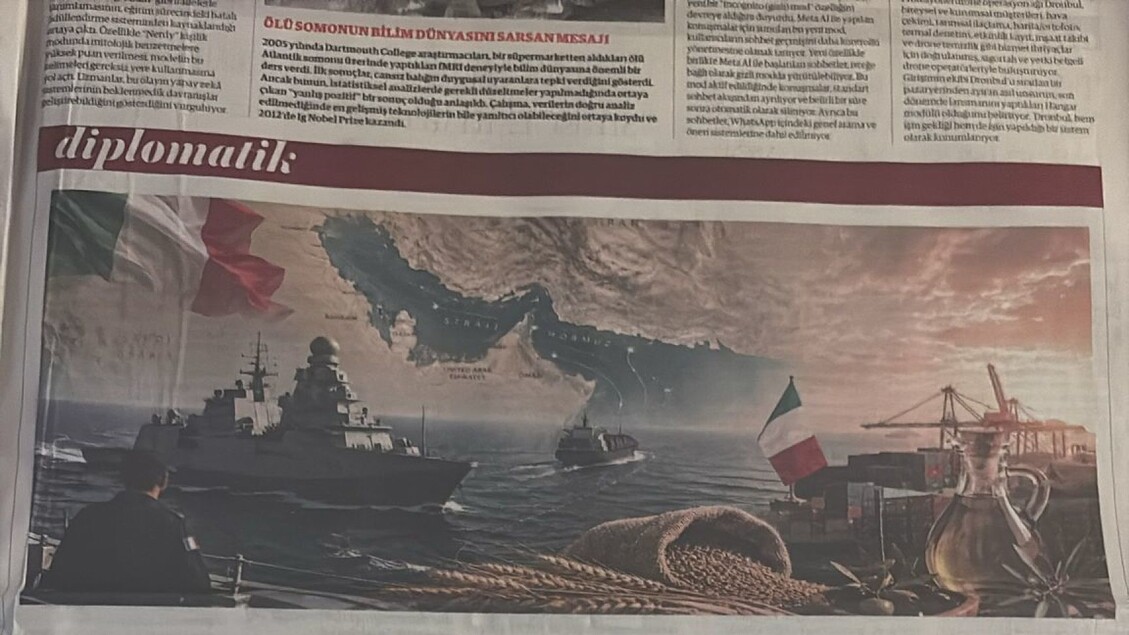
Since the outbreak of the war between Iran and the United States, Italy has acted together with its European partners, the G7 and multilateral organisations to promote a cessation of hostilities, ensure the reopening of the Strait of Hormuz and restore stability in the Middle East. Within this framework, our country has expressed its willingness to take part, once the conflict has ended, in an international defensive coalition aimed at restoring freedom of navigation in the Strait.
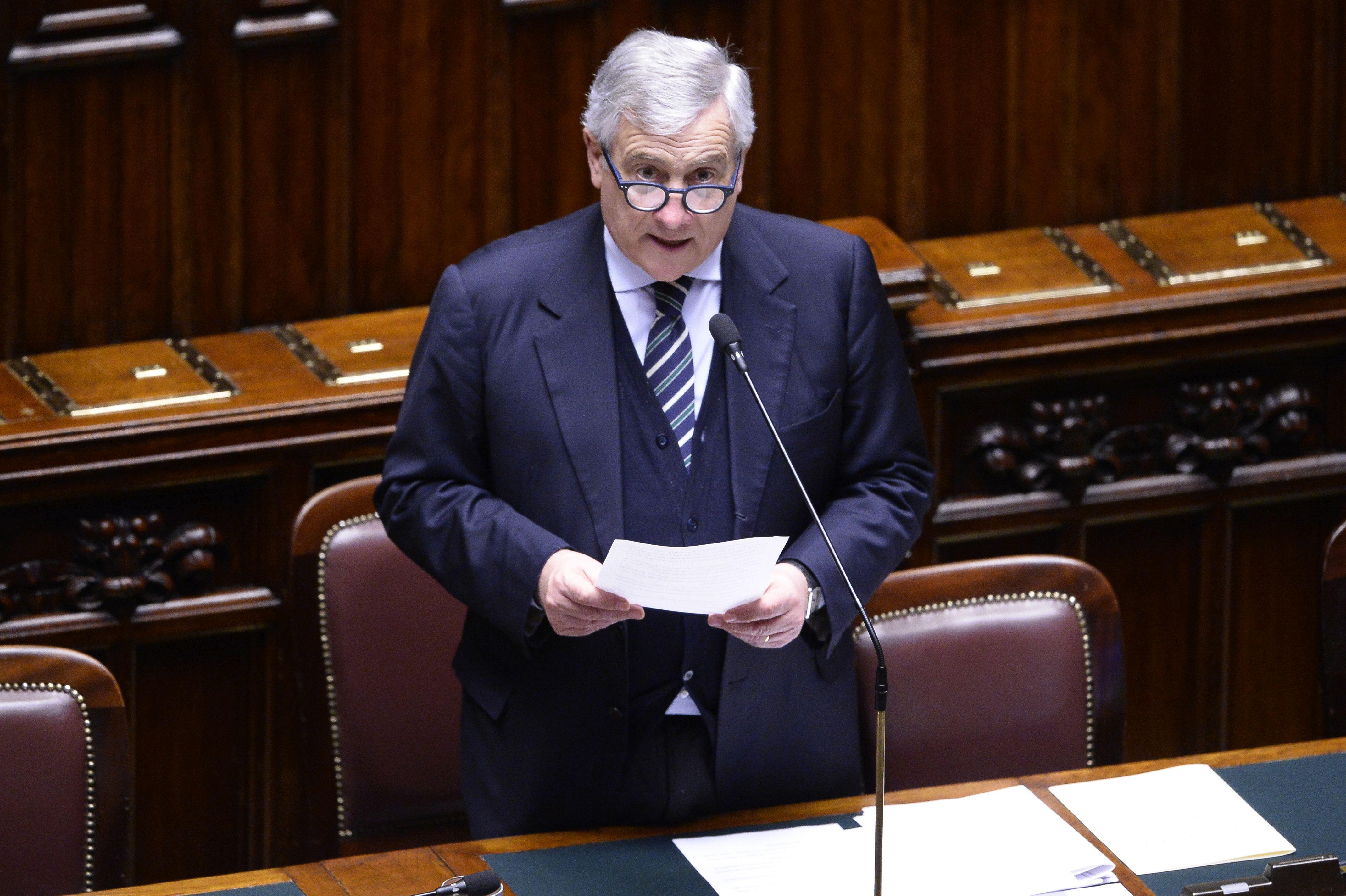
As I recalled in recent hours in my address to a parliamentary committee in Italy, for our Government the blockade of Hormuz is not a mere regional crisis, but a global shock destined to affect energy security, industrial competitiveness and international economic balances. This is a particularly significant risk for all countries in the region, but also for an exporting country such as Italy, whose exports account for around 40 percent of GDP.
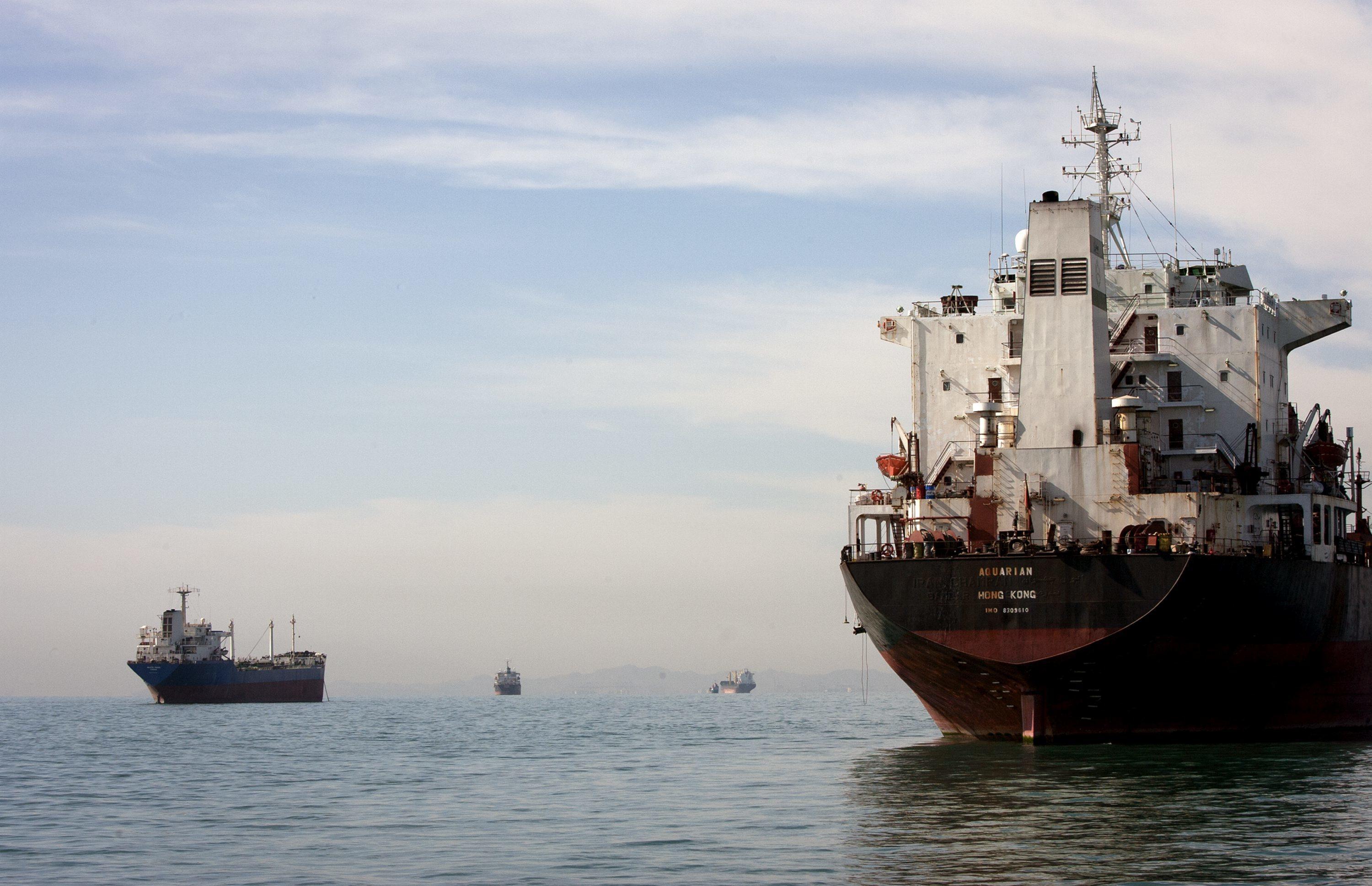
The Strait of Hormuz, as we know, is a strategic hub of global trade: around 20% of global oil, a quarter of liquefied natural gas exports and a significant share of raw materials essential to international supply chains pass through it. The insecurity of trade routes and rising energy prices have already begun to affect European households and businesses. Despite the slowdown in global trade and the impact of tariffs, in 2025 Italian exports still grew by 3.3 percent, confirming how essential the stability of maritime routes is to the national economy.