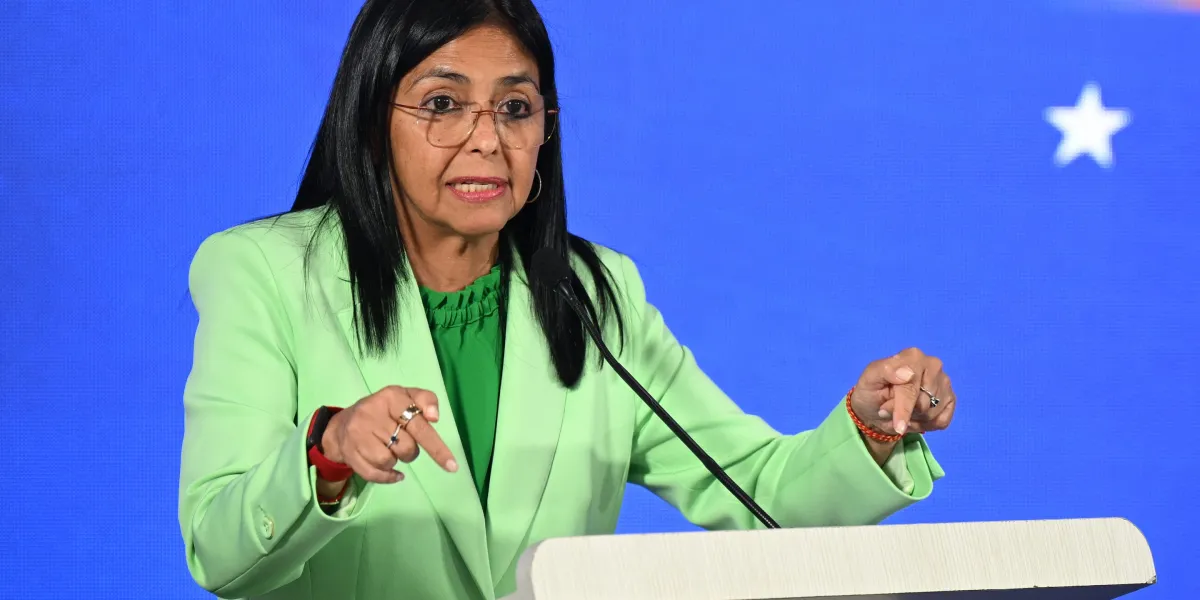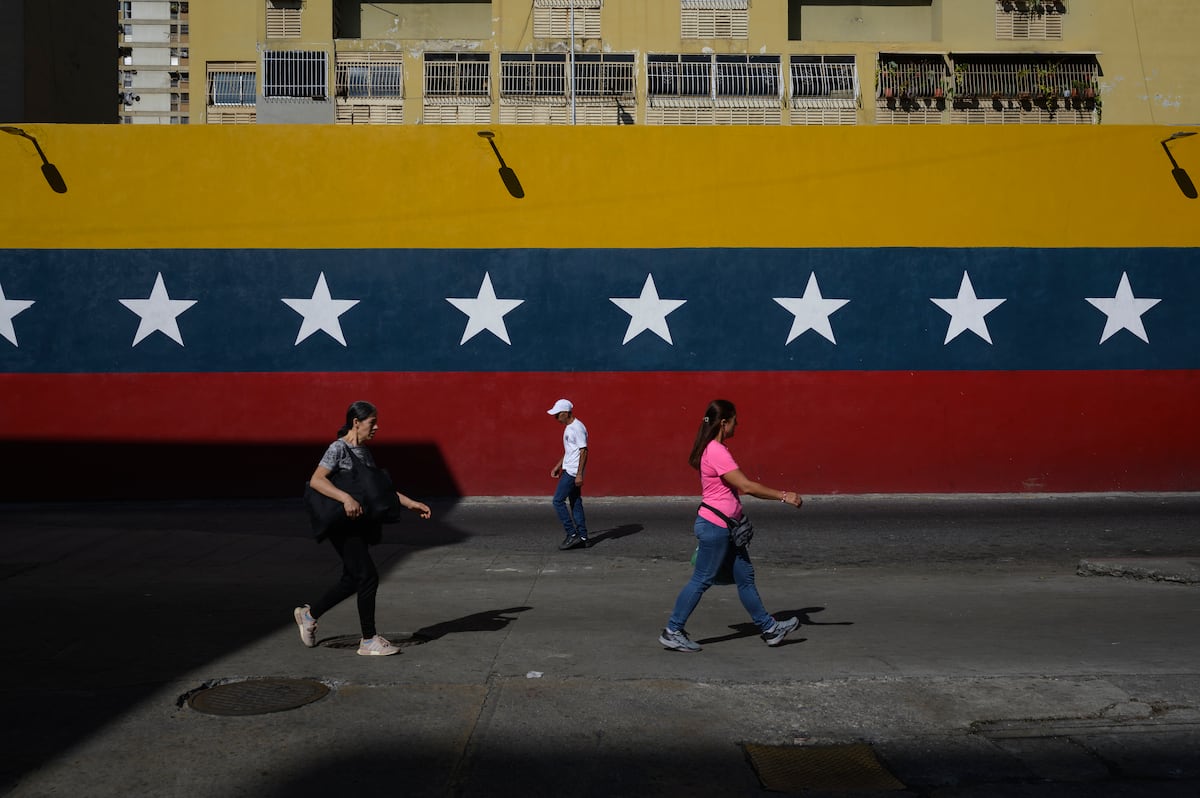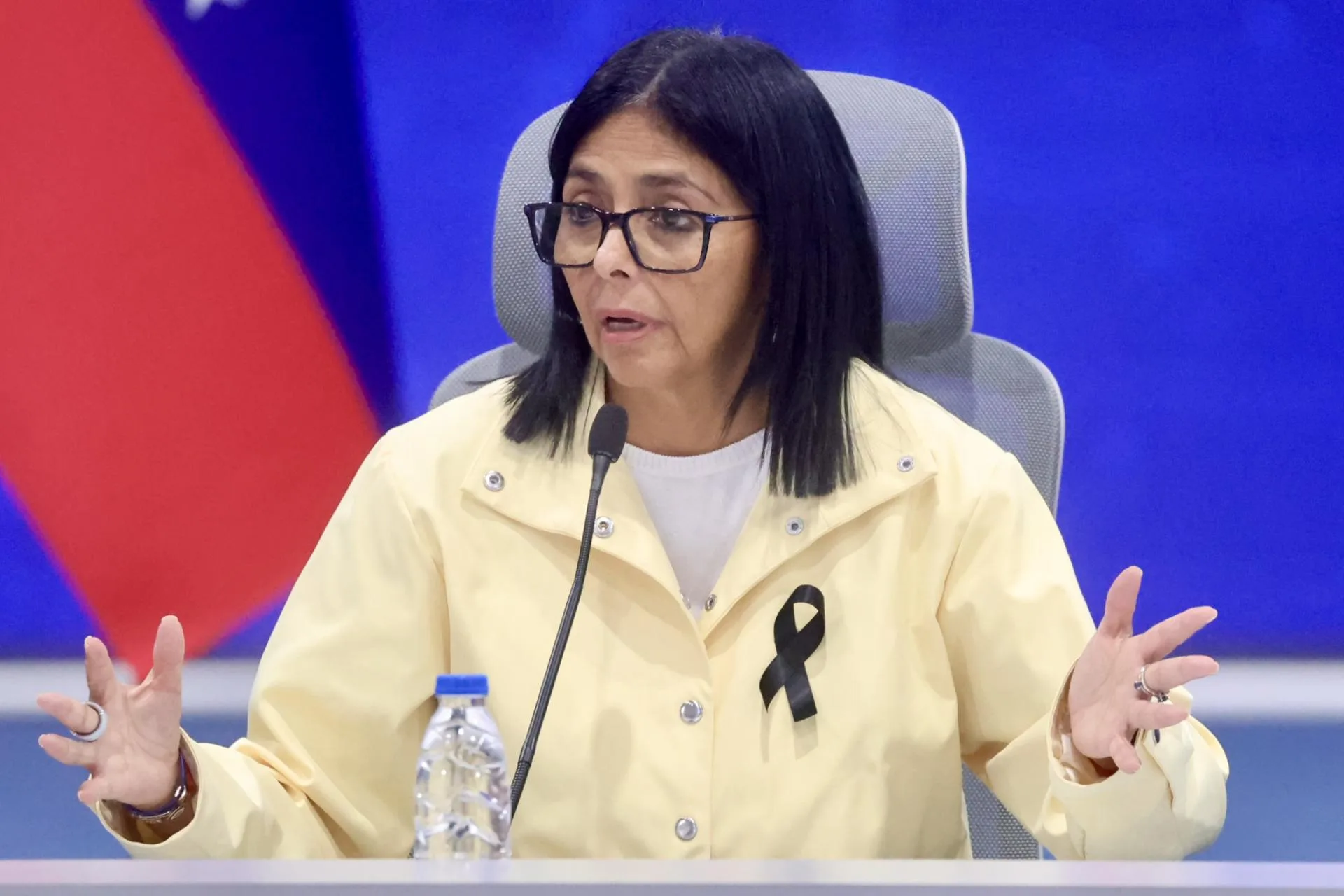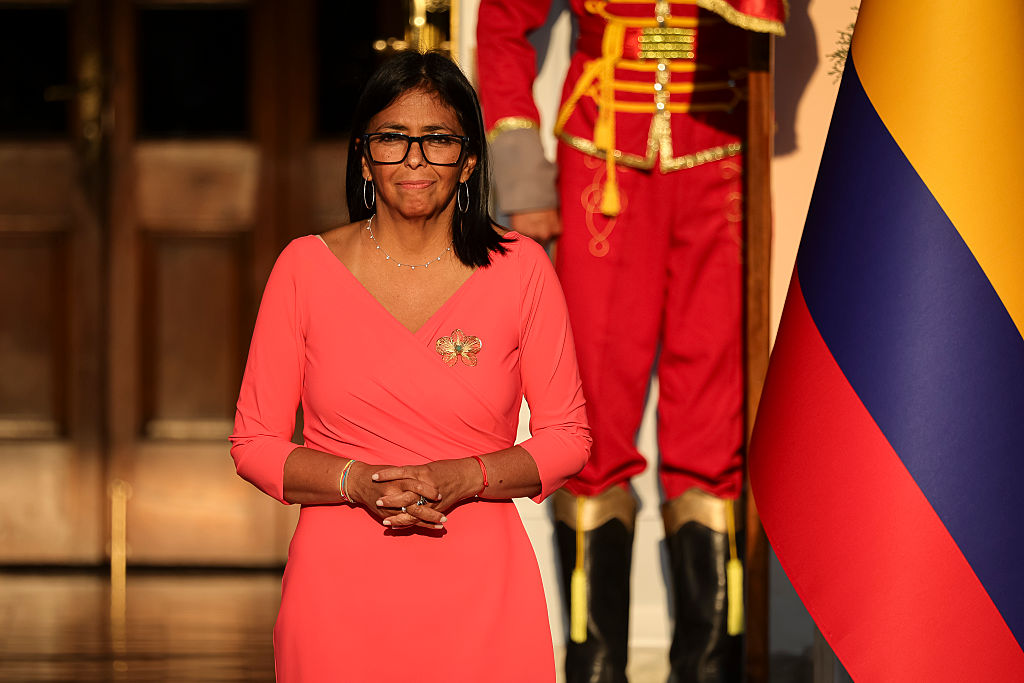
Reading Time: 4 minutesCARACAS – Four months after January 3, Venezuela’s political process is beginning to take clearer shape. The country is not moving through a democratic transition. Instead, it is moving toward economic normalization without meaningful political conditions—a strategy the government of Delcy Rodríguez is pursuing with notable tactical discipline.
The sequence of recent events suggests a coherent plan rather than improvisation: a new agreement with Chevron in the Orinoco Belt; OFAC General Licenses 56 and 57; Rodríguez’s registration as eventual presidential candidate under the U.S. Foreign Agents Registration Act (FARA) as reported by some media; the unilateral termination of the Amnesty Law while 473 political prisoners remain detained; and the capture of the so-called Citizen Power branch through the appointment of her allies Larry Devoe as attorney general and Eglée González Lobato as ombudsman. These moves point to an effort not merely to govern, but to consolidate power under new terms.
There has been some pushback. María Corina Machado’s European gatherings—which included meetings in France, the Netherlands, Portugal, and Spain—confirmed that the opposition still retains key international support. The April 22 reception in Washington of Dinorah Figuera, head of the 2015 National Assembly, by Michael Kozak, the U.S. acting assistant secretary for Western Hemisphere affairs, shows that the Trump administration also continues to receive opposition figures despite its positive relationship with Rodríguez. Figuera was a key legislative figure who helped interim president Juan Guaidó to try to dislodge the former dictator Nicolás Maduro from power.