Reading Time: 4 minutesThis article has been updated.
CARACAS—After 19 consecutive quarters of moderate growth, Venezuela’s economy is showing signs of a remarkable breakthrough, with an expansion of some 12% now possible this year. The open question is whether this truly marks the start of a new era—or another short-lived rebound tied to oil and external conditions.
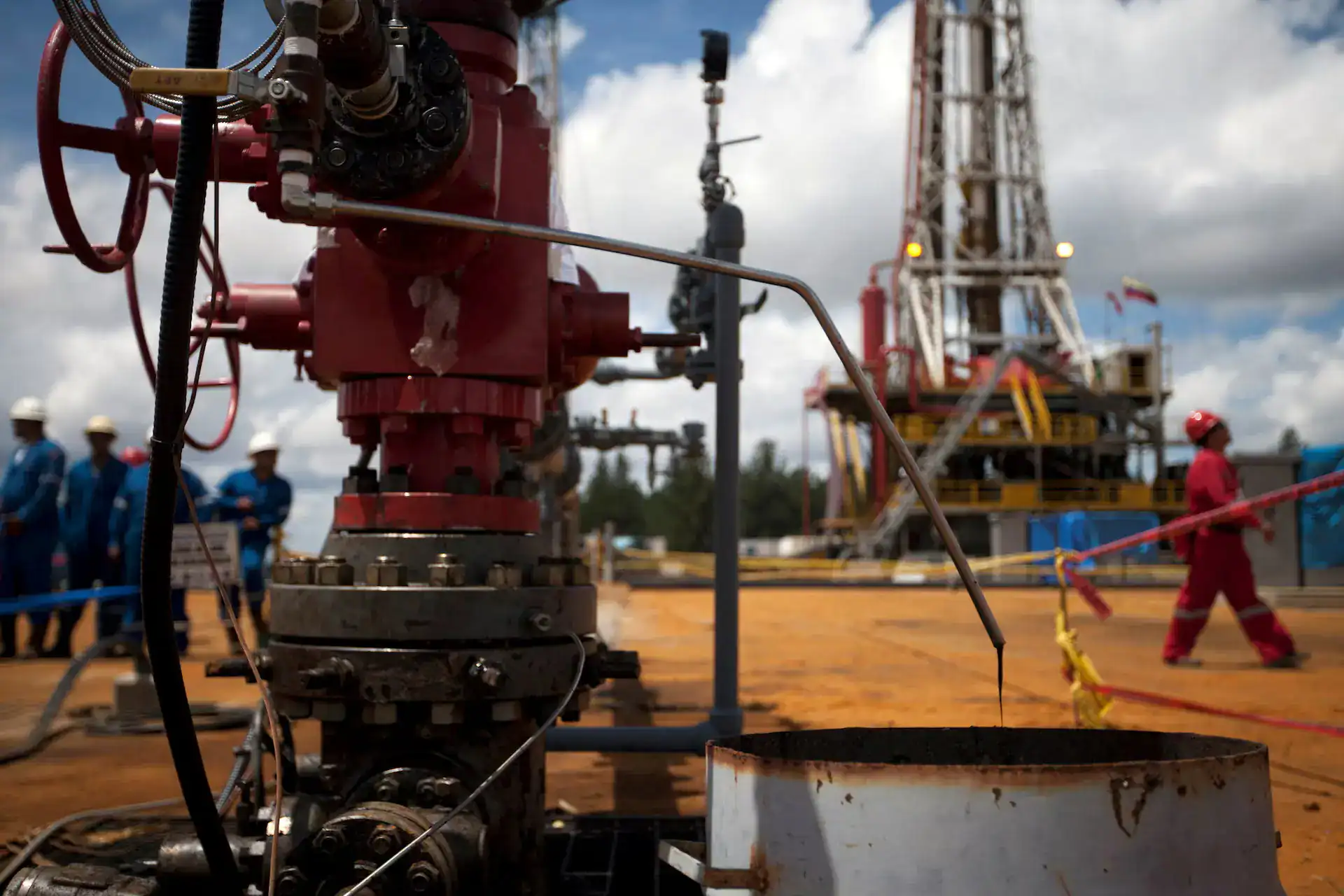
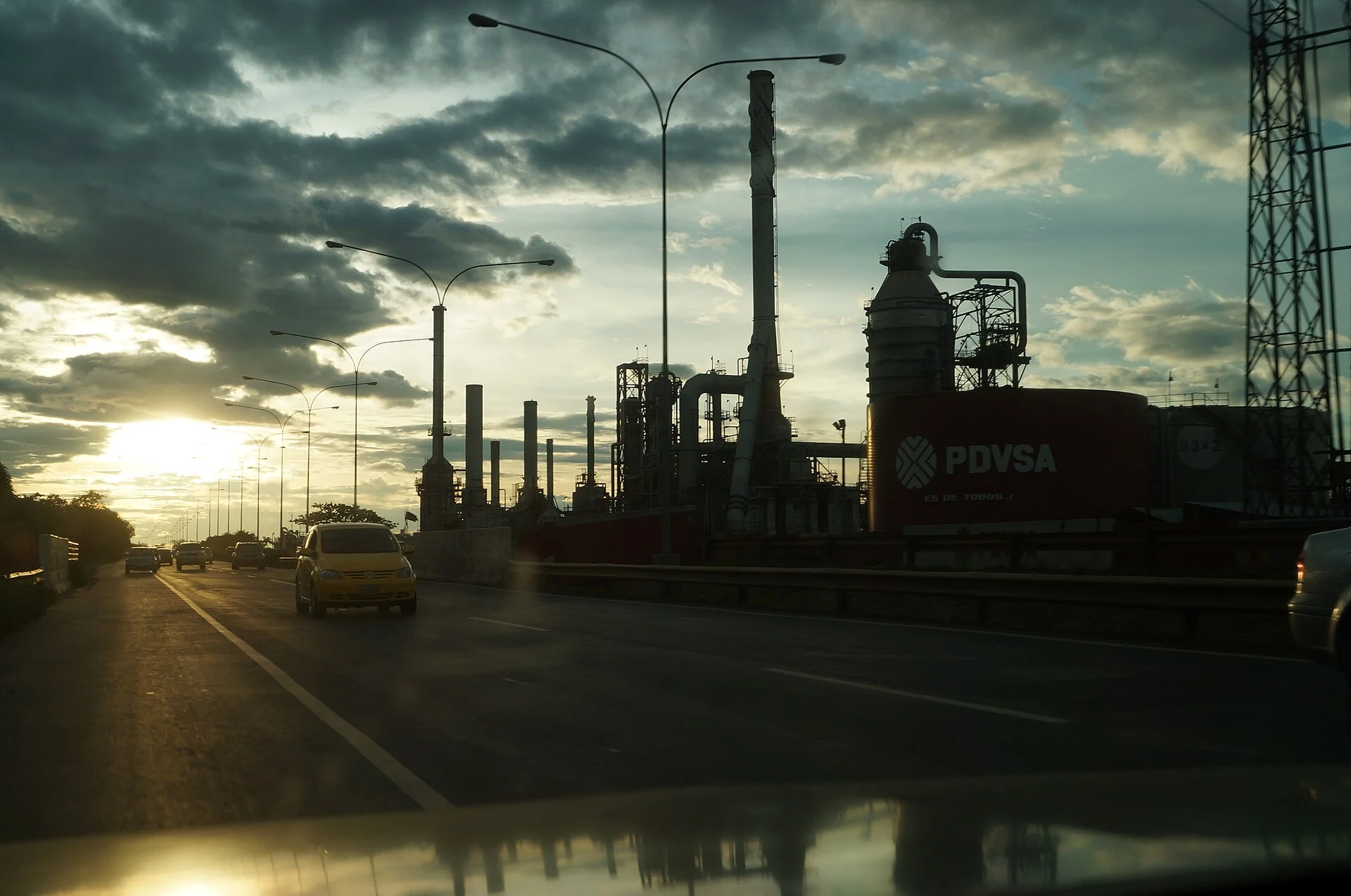
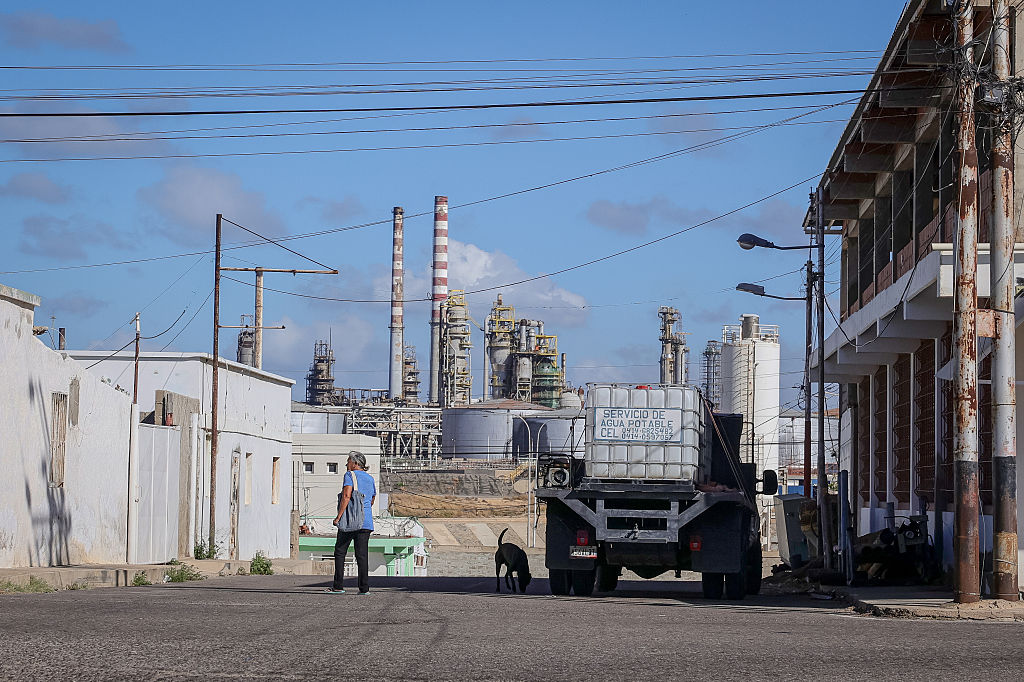
Recent developments in the oil sector explain much of the renewed optimism. Production has risen to more than 1 million barrels per day and is expected to keep increasing in the coming months, supported by joint ventures with Chevron, Repsol, Eni, and Maurel & Prom under flexible licensing arrangements. Since the January capture of former dictator Nicolás Maduro, exports to the U.S. have also recovered, averaging 329,500 bpd in recent months—up 192% from the 2025 average.
At the political level, interim President Delcy Rodríguez has pursued a strategy aimed at sustaining high output. The appointment of Paula Henao as Hydrocarbons Minister reinforces a pragmatic approach focused on operational stability and selective engagement with foreign partners.
This increase in oil activity is also reshaping foreign-currency flows, with knock-on effects on manufacturing, trade, and services. The recovery is already visible. Cement output rose 14% year-on-year in the first half of 2025, according to the Ministry of Industries and National Production, suggesting construction demand is beginning to recover after years of collapse. Oilfield service firms have also started recruiting engineers and technicians as projects move from negotiation to execution.