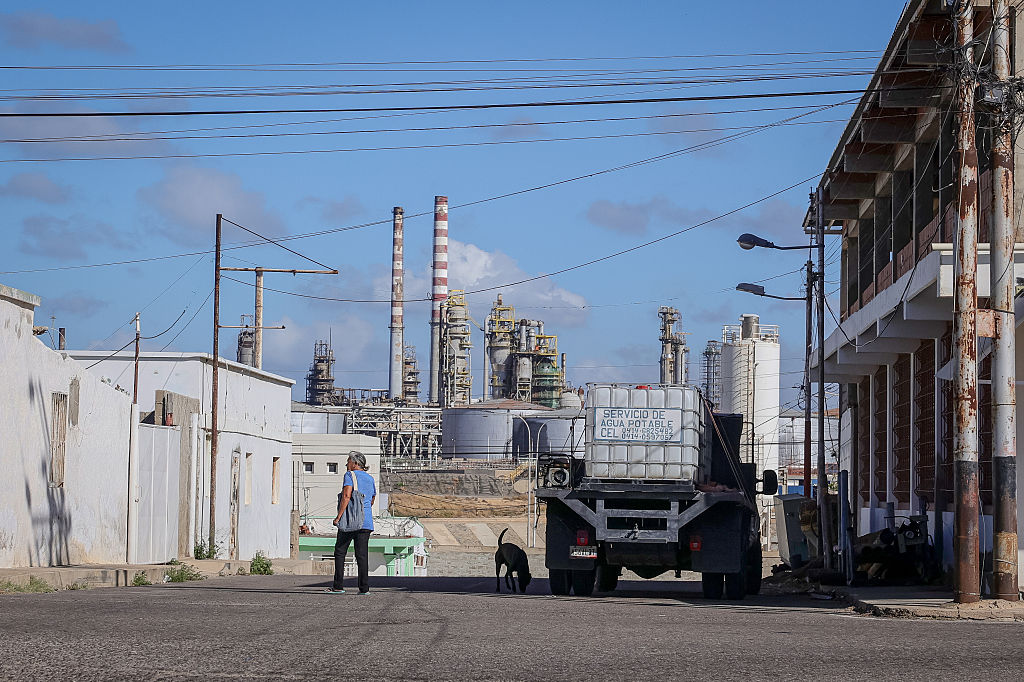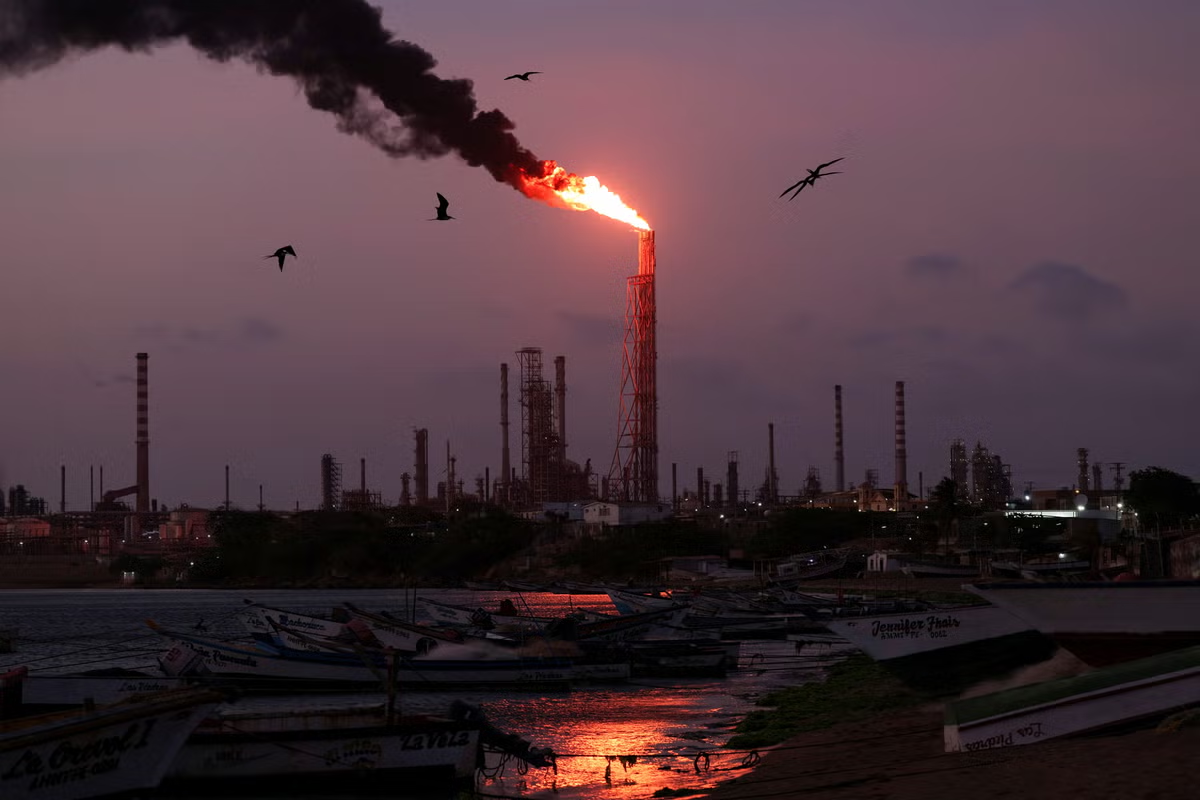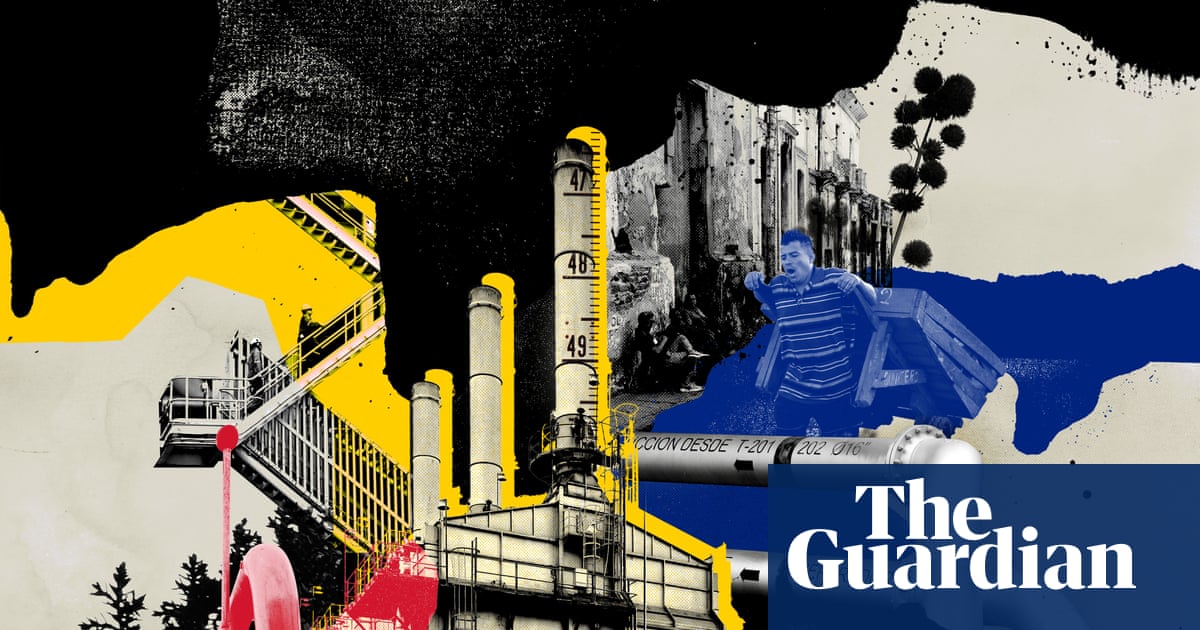
The infrastructure is crumbling and the government shaky, but memories exist of an industry that once thrived off Venezuela’s vast reserves of crude – and could do again, despite the climate crisis
A
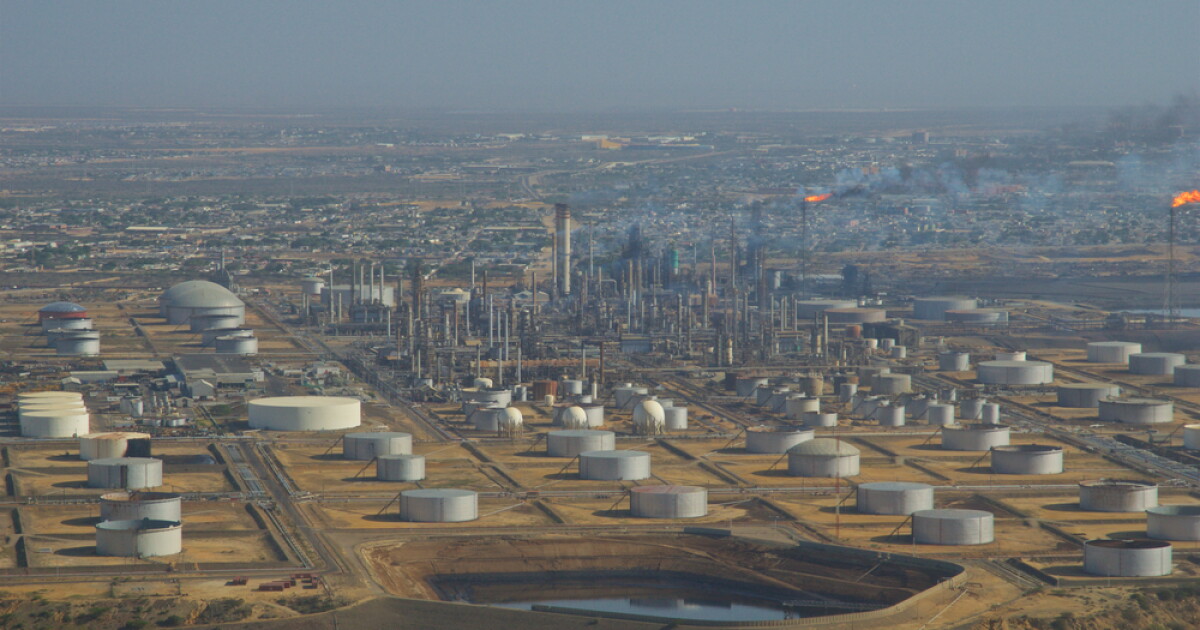
t Campo Boscán, a vast complex in western Venezuela, the drills, pumps and pipelines that extract crude oil operate amid decay: roads are broken, weeds grow everywhere and many wells run inside metal cages to prevent theft. Albenis Merchán, a drilling technician with 35 years’ experience, recalls better times as he drives his pickup through the desolate landscape.
“We used to receive maintenance and safety training all the time. Supplies and spare parts were never lacking. Many things need to improve here to tap the full potential of this area,” he says.
Campo Boscán lies 40km (25 miles) from Maracaibo, the capital of Zulia state, a region that has supplied crude to the global market for more than a century. The field was discovered in 1945 by the Richmond Exploration Company and each day still produces more than 100,000 barrels of the up to 1m barrels produced daily by Venezuela.