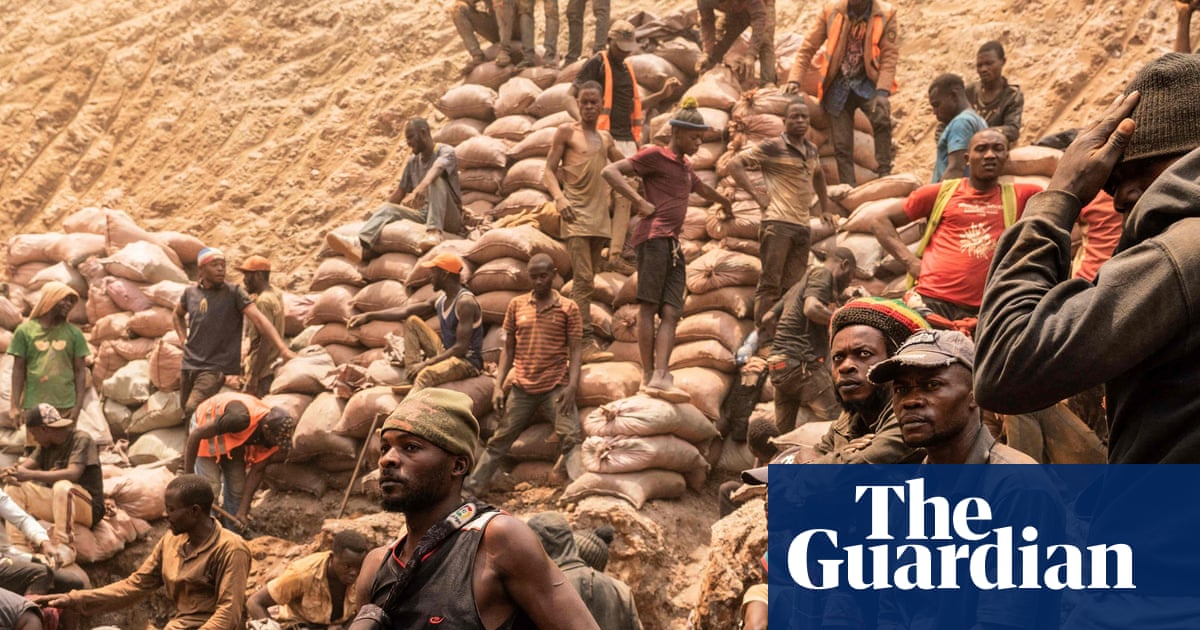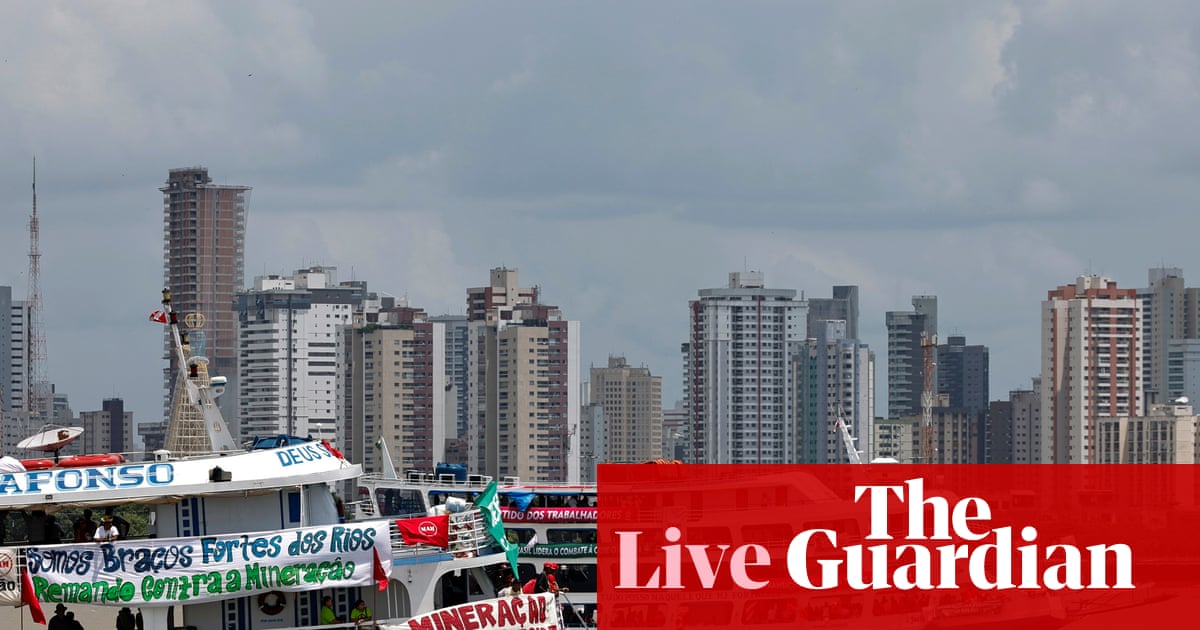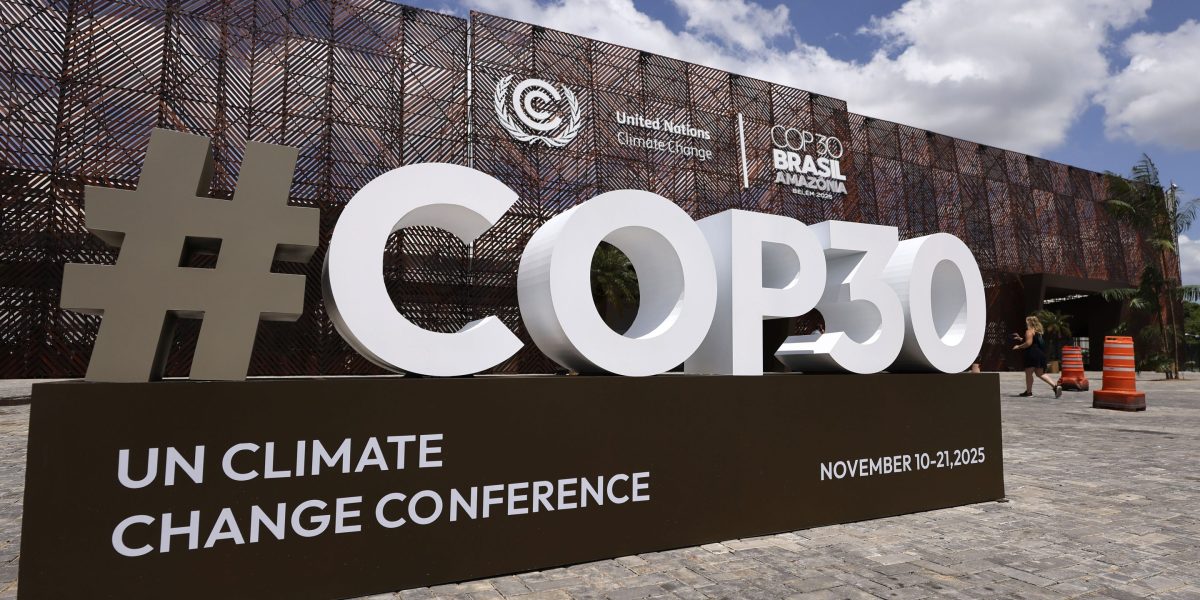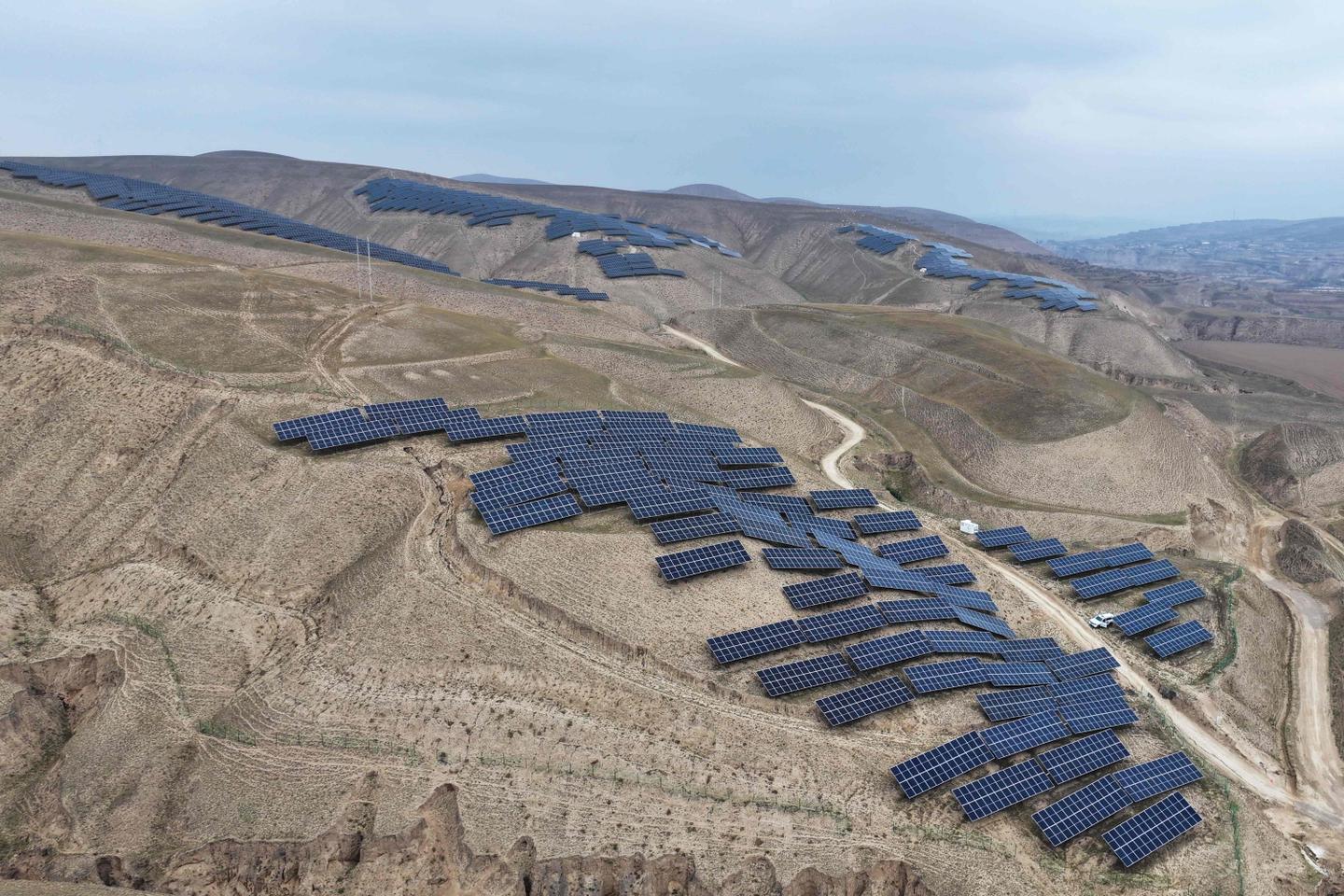
From Kenya to Chile, communities are pushing back against renewable energy projects that promise green progress but deliver few direct benefits. Electricity is often channelled to power private utilities, while not delivering on promises of new local jobs. The result is growing public distrust that could derail the energy transition itself.In Kenya, poor consultation with local communities led to a landmark ruling that revoked the licence for a proposed geothermal project. In India, a 1-gigawatt (GW) solar project funded by the Asian Development Bank was cancelled in 2025 after protests by tribal communities, who reported a lack of proper consultation and faced the displacement of 20,000 people.In Chile, wind farms built for green hydrogen exports are meeting resistance as residents say such projects threaten ecosystems and livelihoods. In the Philippines, the Tumandok Indigenous people oppose a mega-hydropower project. They say the project risks flooding their ancestral lands and sacred sites, and has violated their right to free, prior and informed consent. And in Pakistan, the 4-GW Dasu Hydropower Project has already uprooted more than 7,000 people, leaving 34 villages abandoned. With clean energy mega-projects becoming the norm, as shown in a recent report by CAN International, such conflicts are only likely to increase in number unless things change.Growth without justiceDespite record expansion, deployment of renewables remains far too slow and far too unequal. Many developing countries are constrained by debt and limited fiscal space, while rich nations continue to over-consume energy.Even where renewables are rising, the benefits often flow to foreign corporations. And power fed back into national grids frequently enriches independent power producers while leaving consumers with high bills.For Indian women workers, a just transition means surviving climate impacts with dignityEgypt illustrates the dilemma. To meet its green hydrogen targets and bring in hard currency to service its debt, the country needs to install 41 GW of renewable capacity by 2030 and 114 GW by 2040 – five to fifteen times its current renewable capacity. Four percent of Egypt’s land has been designated for green hydrogen production, even as droughts and water scarcity worsen.Under the EU-led Global Gateway initiative, some of this electricity could be exported to Europe through the GREGY interconnector. Meanwhile, Egypt is becoming a hub for ‘green’ data centres, even as rural areas and public healthcare facilities face rolling blackouts.“Some of the world’s largest solar projects are in Morocco and Egypt – but they’re built mainly for export, not to meet domestic needs,” says Mohamed Kamal, executive director of Greenish, an Egypt-based civil society organisation. “The real challenge now is governance: how to ensure that new investments serve local people first, especially in regions that still lack the infrastructure for consistent energy supply.” “As we build the renewable energy economy, we must not repeat the mistakes of the fossil fuel era,” he adds. “We cannot look to those failed models for inspiration or replicate their structures of control within the renewable energy value chain.”
A just transition for renewables: Why COP30 must put people before power
Across the world, people hosting renewable energy projects are seeing few rewards. Advocates say a Belém Action Mechanism could make the green transition fairer Across the world, people hosting renewable energy projects are seeing few rewards. Advocates say a Belém Action Mechanism could make the green transition fairer
957 words~4 min read