C
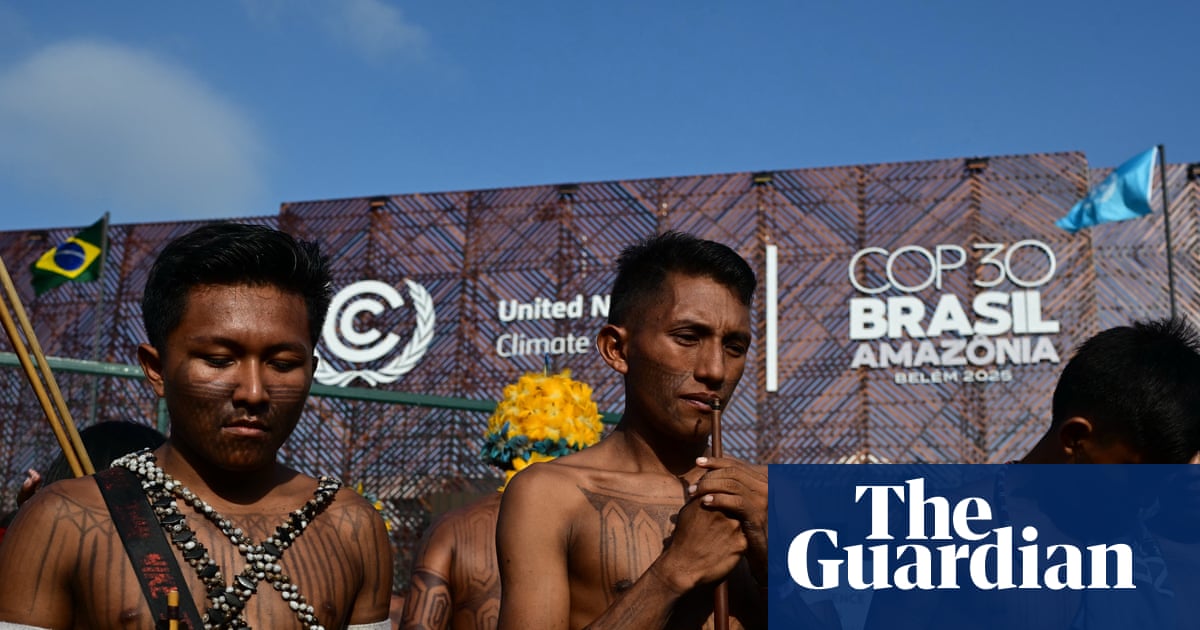
ompared to previous Conferences of the Parties on climate change (COP), the one that is taking place in Belem, Brazil from November 10 to 21 stands out for two main reasons. First, there is the absence of the United States, which has become climate-skeptical. Second, there is China's zeal on display, as the nation is now presenting itself as the global leader in the green economy – managing to make many forget that it remains the world's largest polluter.
In just a few years, China's discourse has changed dramatically. At the time of the Paris Agreement 10 years ago, it refused to commit to reducing greenhouse gas emissions. According to Beijing, the issue of global warming was a Western ploy to weaken China and block the legitimate "catch-up" of industrializing countries in the Global South. In September, for the first time, China announced a formal, quantified commitment at the United Nations in New York: a 7% to 10% reduction in greenhouse gas emissions by 2035. COP30 participants welcomed this shift.
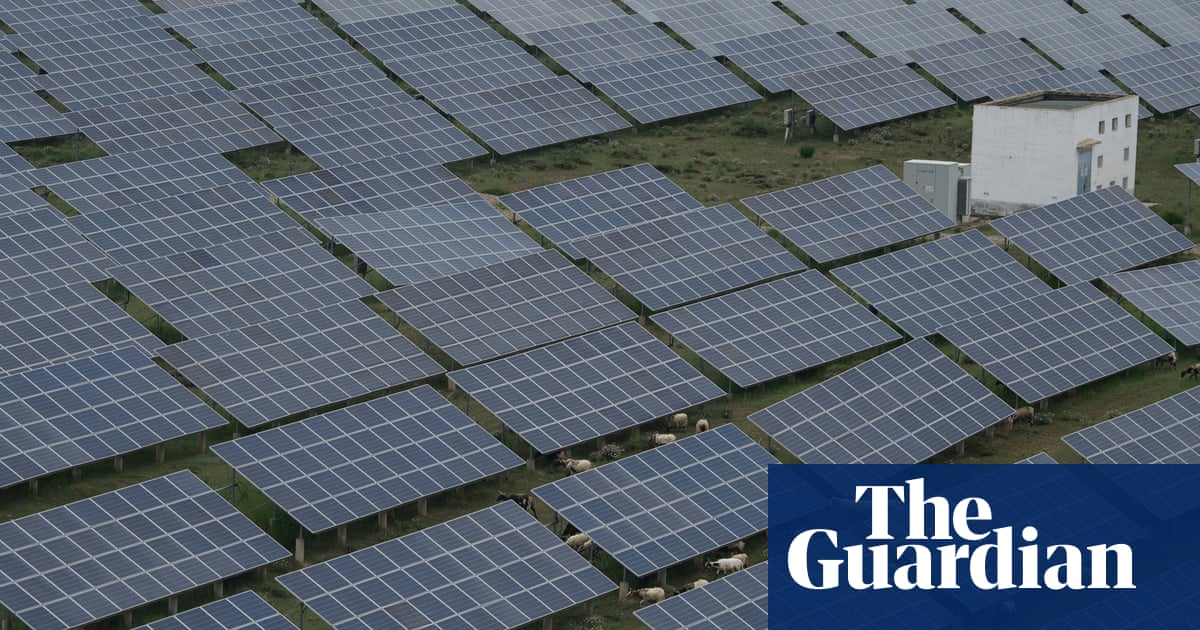
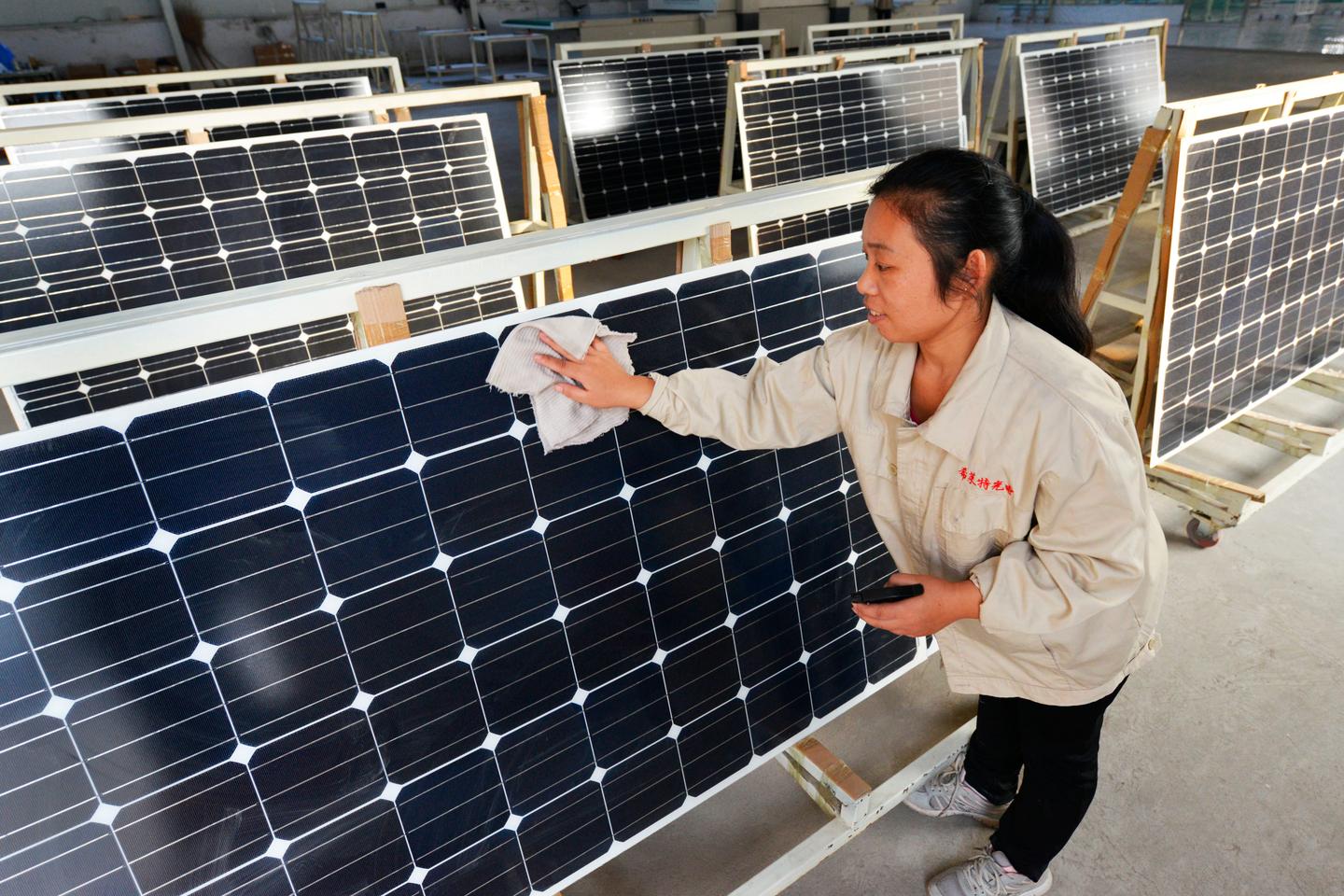
China can boast of having triggered a genuine energy revolution with the drop in renewable energy prices. By flooding the world with photovoltaic panels – with China controlling 80% of the market – it has made solar energy highly competitive: The cost of producing one kilowatt-hour has been cut by a factor of four in 15 years. China has tackled batteries, electric vehicles and wind turbines; its strategy relies on its vast domestic market and a unique blend of planning and competition. In October, China broke a new record: Electric or hybrid vehicles accounted for 52% of new cars sold, compared to 20% at the same time in 2024.