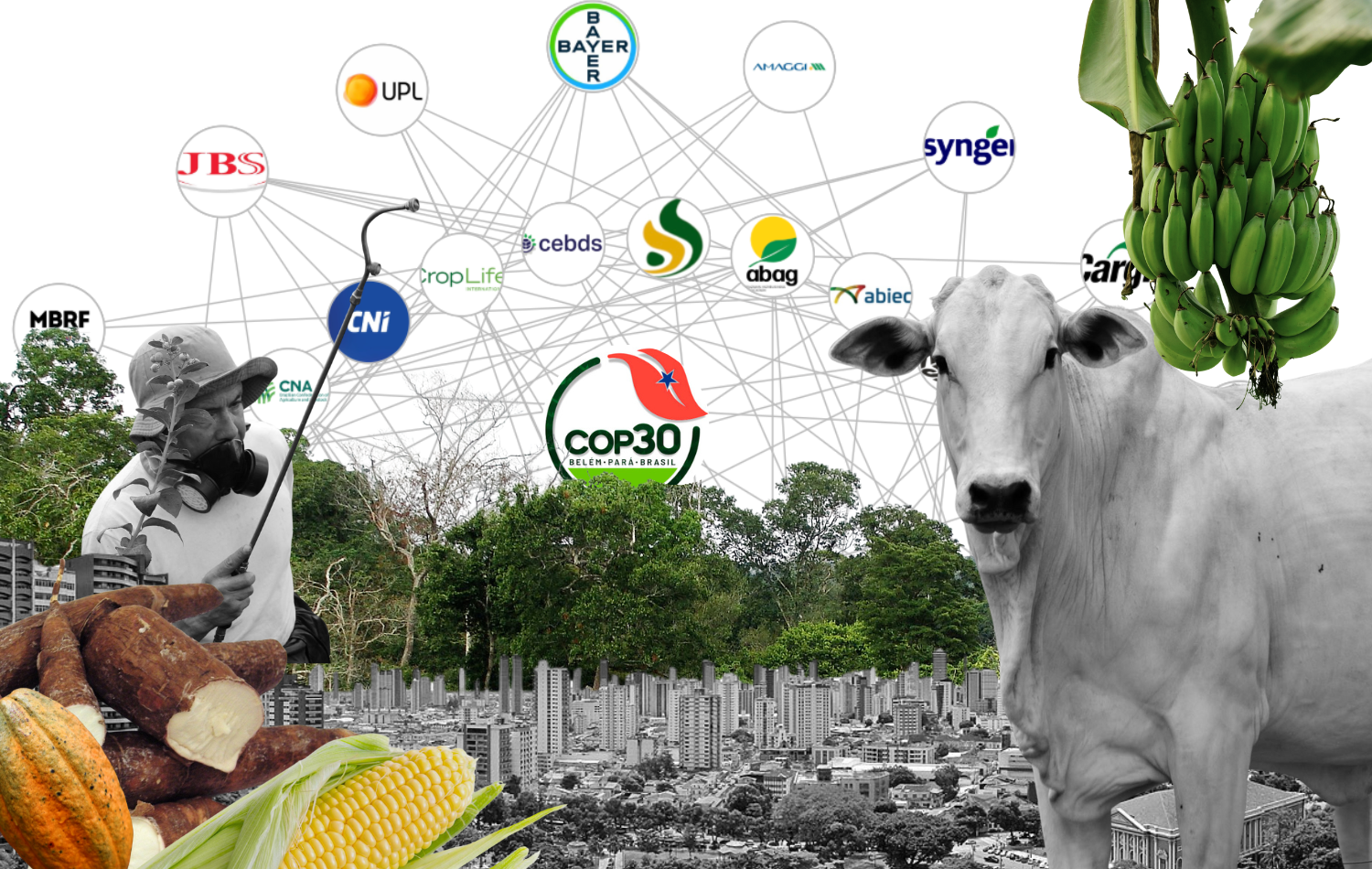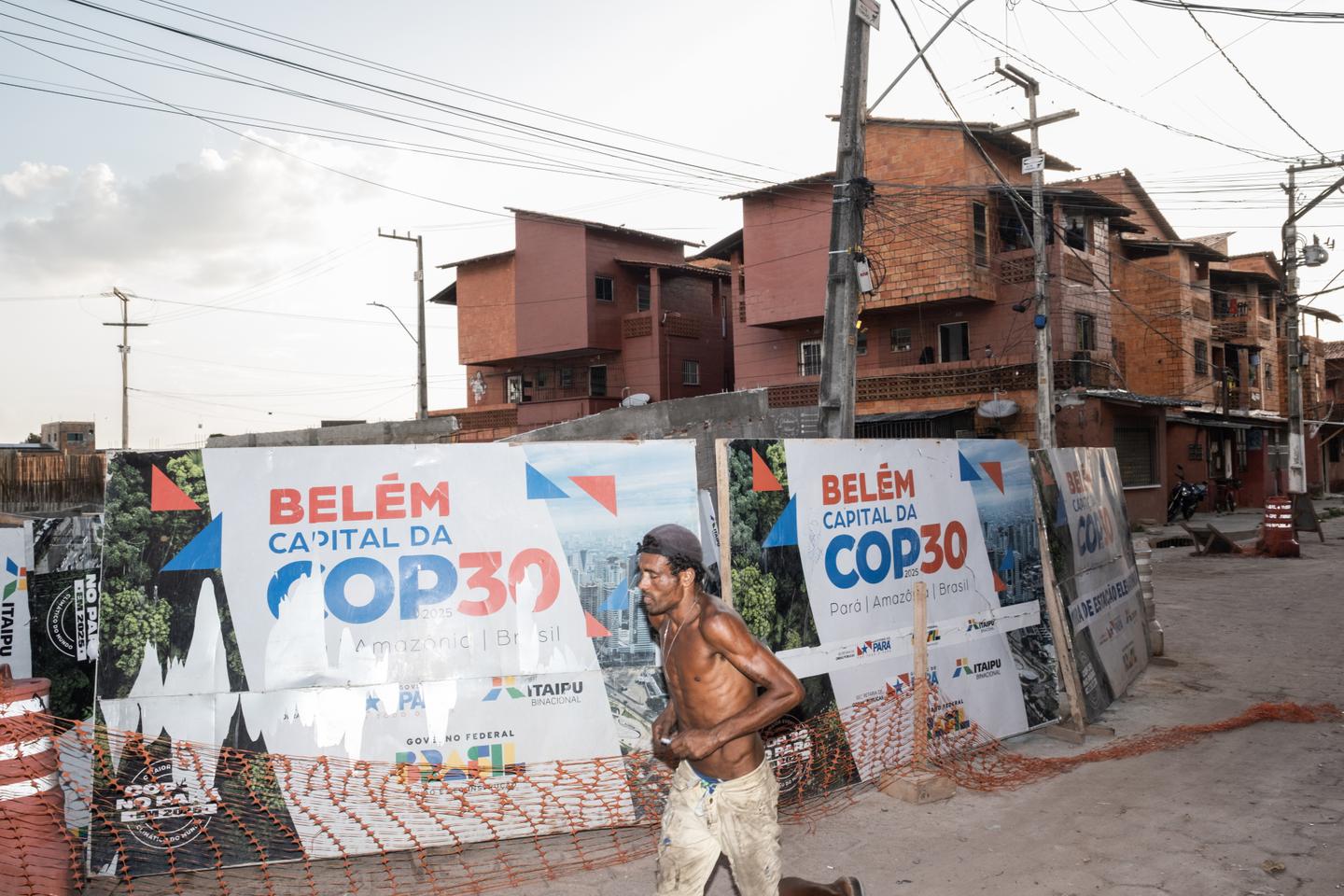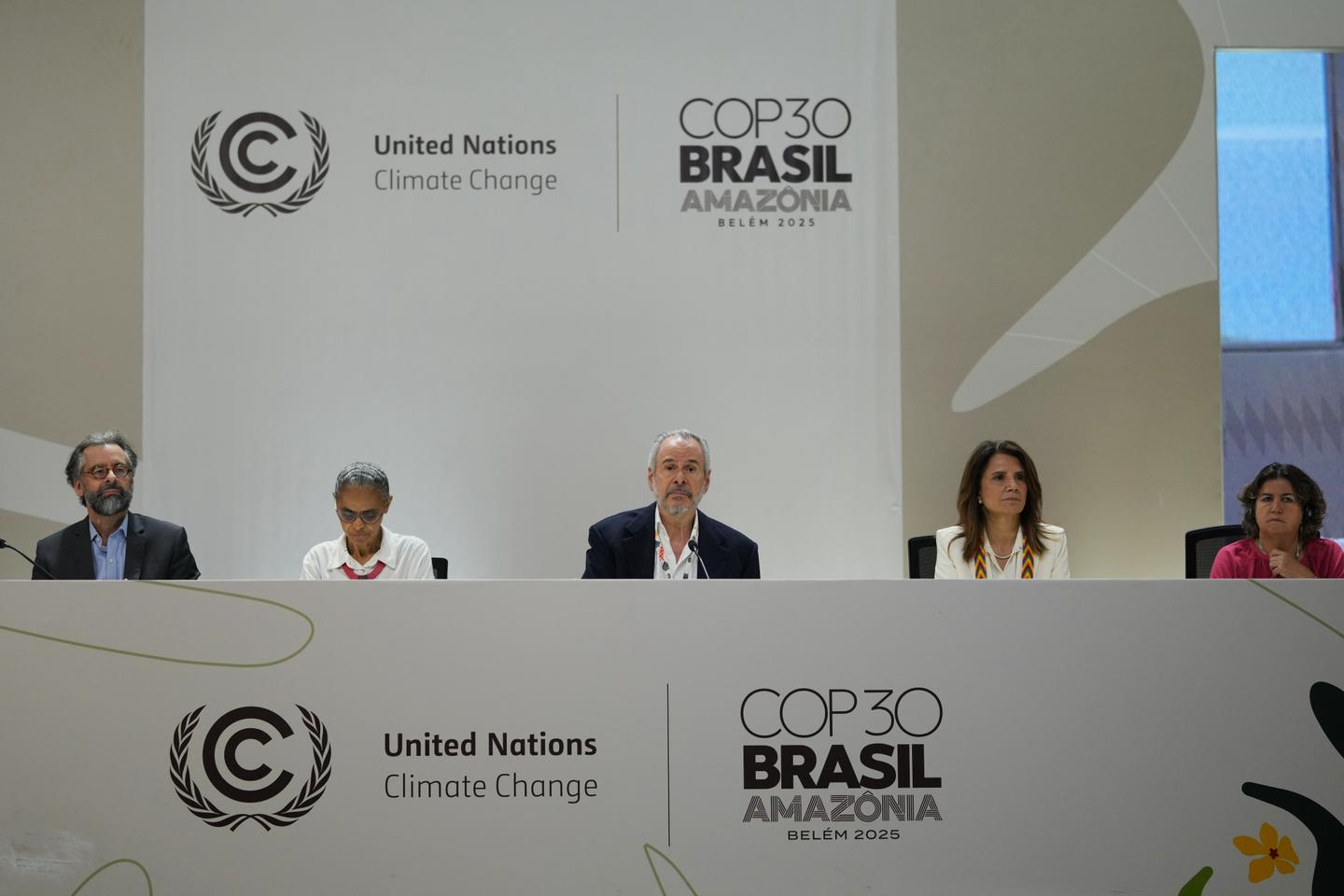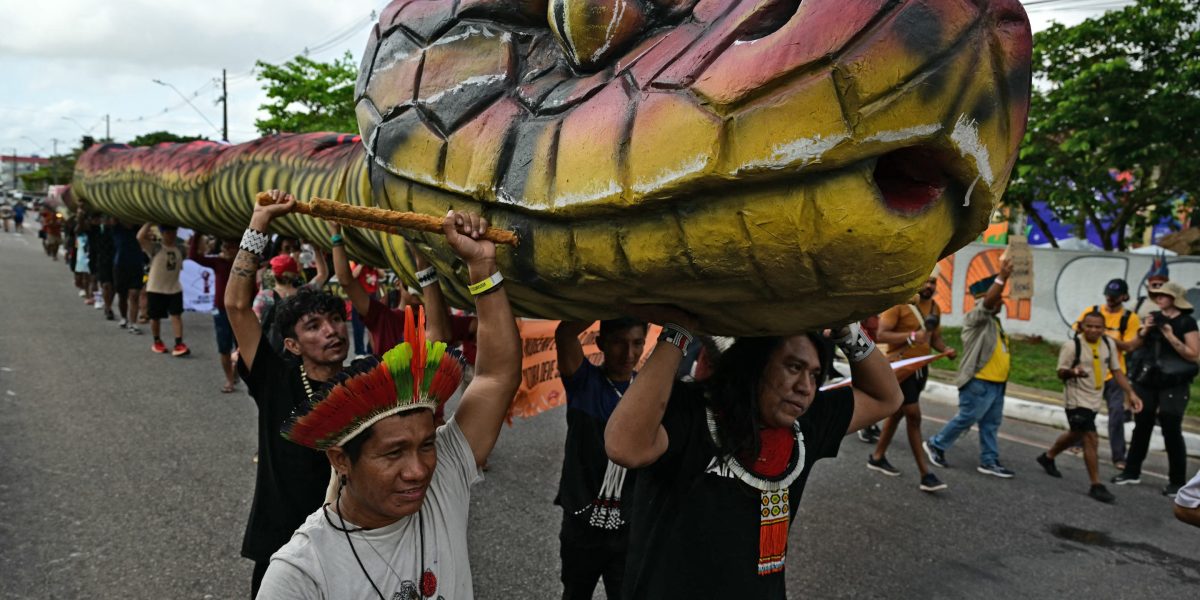
I arrived in Belém, Brazil, and the United Nations Climate Change Conference COP30, hoping to see global unity against climate collapse. Brazil’s president had framed this conference, situated in the heart of the Amazon rainforest, as the “COP of Implementation” and, at times, the “COP of Truth.”
Two weeks later, I returned home after seeing international climate governance shift . The era of U.S. leadership on climate—even in a half-hearted form—is over, with Washington not even sending a delegation to COP30. Instead, climate work is getting picked up by everyone else.
This year’s COP30 moved away from having a big negotiated agreement as its outcome. Instead, delegates focused on implementation and the six-pillar Action Agenda: energy, industry, and transports; forests, ocean and biodiversity; agriculture and food systems; resilient cities, infrastructure and water; human and social development; finance; and technology and capacity-building.
By the conference’s end, parties agreed to a just transition mechanism and a gender action plan—yet the agreement lacked any mention of fossil fuels, thanks to strong opposition from Saudi Arabia and other petrostates.
Still impressive