https://arab.news/mku7j
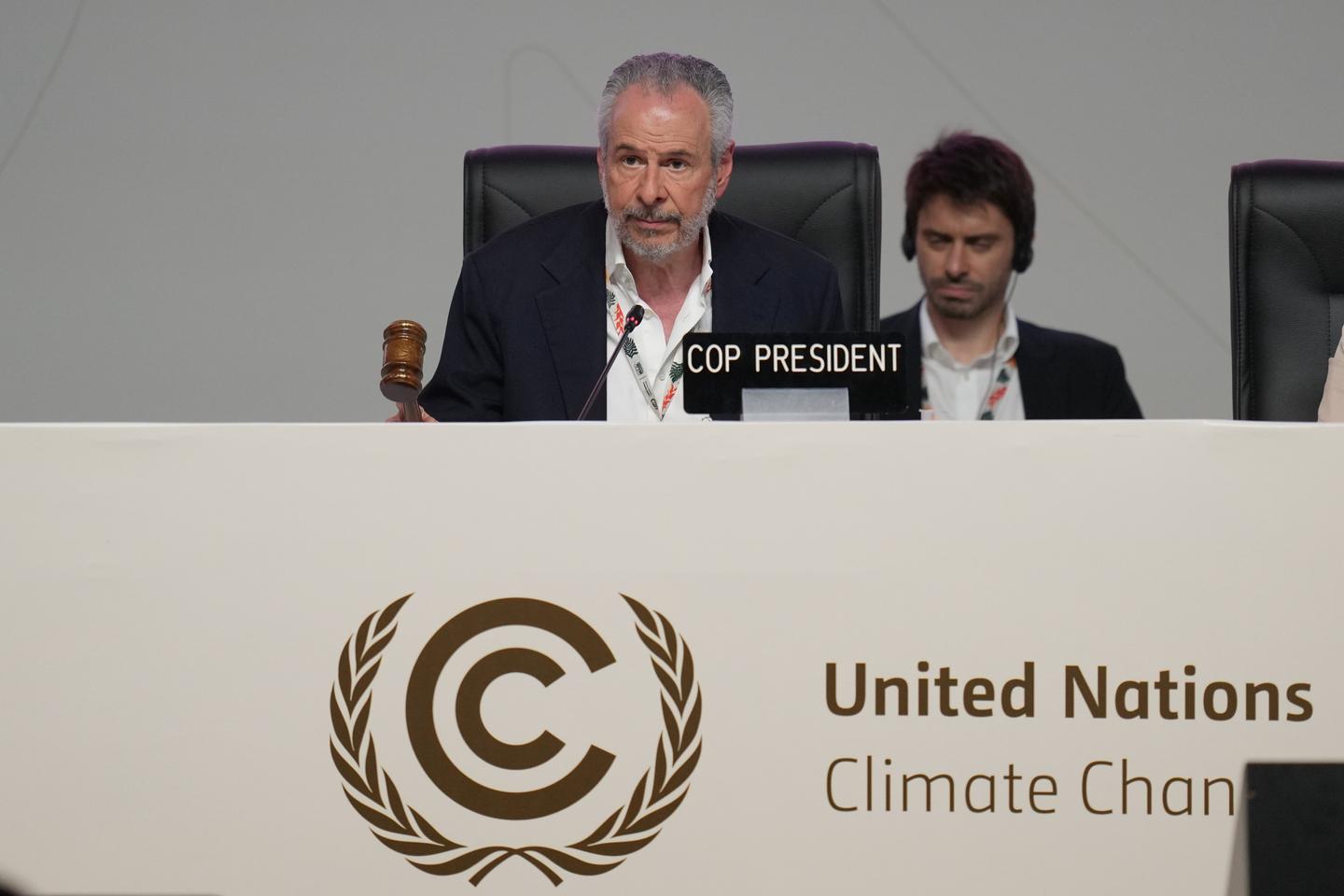
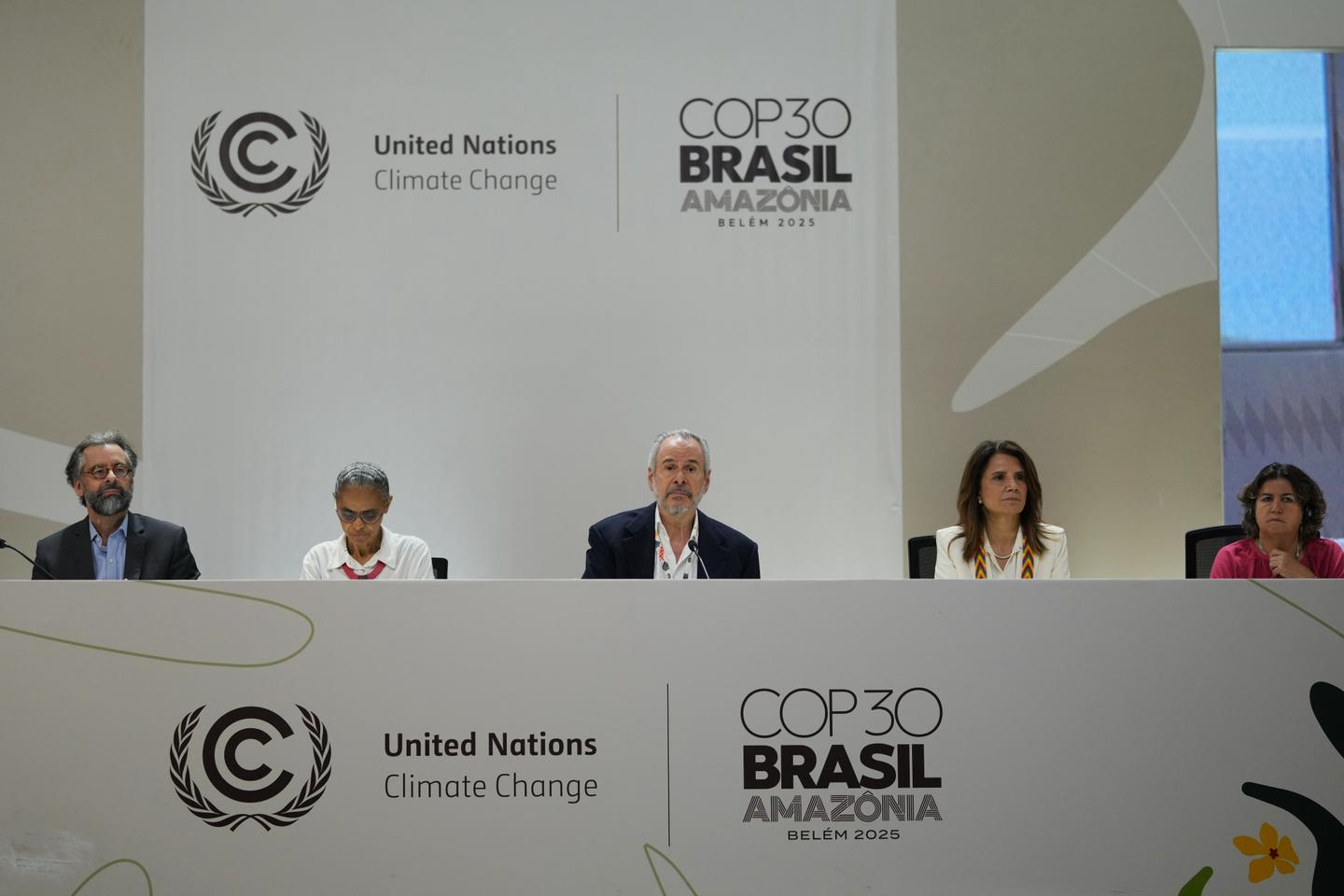
The latest UN Climate Change Conference ended in a political deadlock. November’s COP30 in Belem, Brazil, produced no agreement to phase out fossil fuels, no binding plan to halt deforestation and no meaningful increase in support for the countries already drowning — sometimes literally — in climate and ecological losses. For a summit held in the world’s largest rainforest, the symbolism was brutal.
But the real story was not the political paralysis on the negotiating floor, it was the unmistakable signal that the economics of climate change has already moved on. To see the developments that really matter, we can look to corporate balance sheets, sovereign credit ratings, supply chains and risk pricing. These show that the transition to carbon neutrality is happening despite the dysfunctional politics surrounding the issue.
When it comes to addressing major global risks, politics often fails until the economic math works out. In the case of climate change and nature loss, markets, insurers, lenders and ratings agencies are now forcing the transitions that governments have been deferring. Sovereign credit ratings are being revised to reflect exposure to climate and nature risk. Insurance markets are collapsing in high-risk regions, leaving households, businesses and entire municipalities without coverage. Borrowing costs are rising for countries facing drought, flooding and deforestation, thus narrowing their fiscal space and accelerating capital flight. These mechanisms are doing what politicians will not do: making inaction more expensive than action.