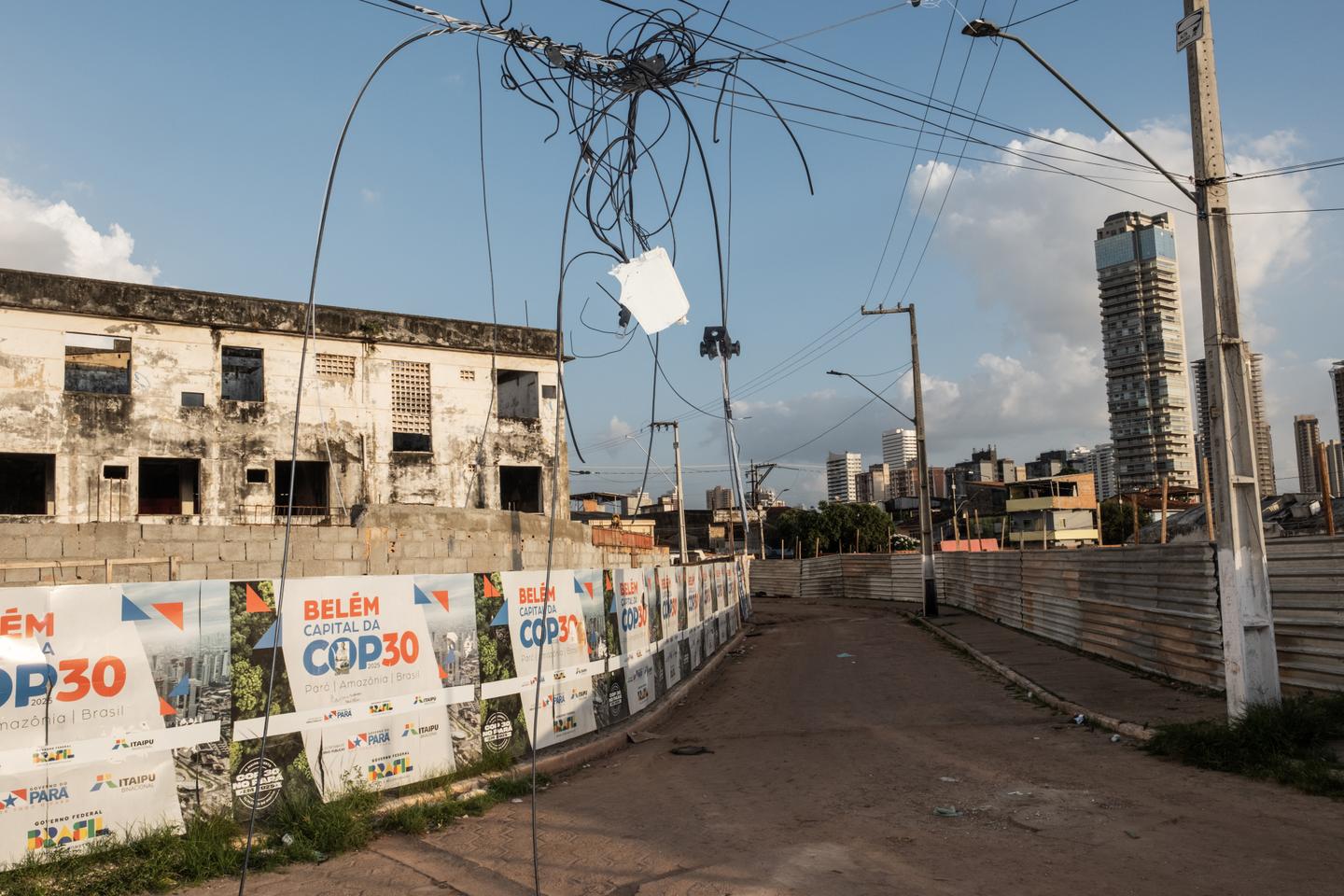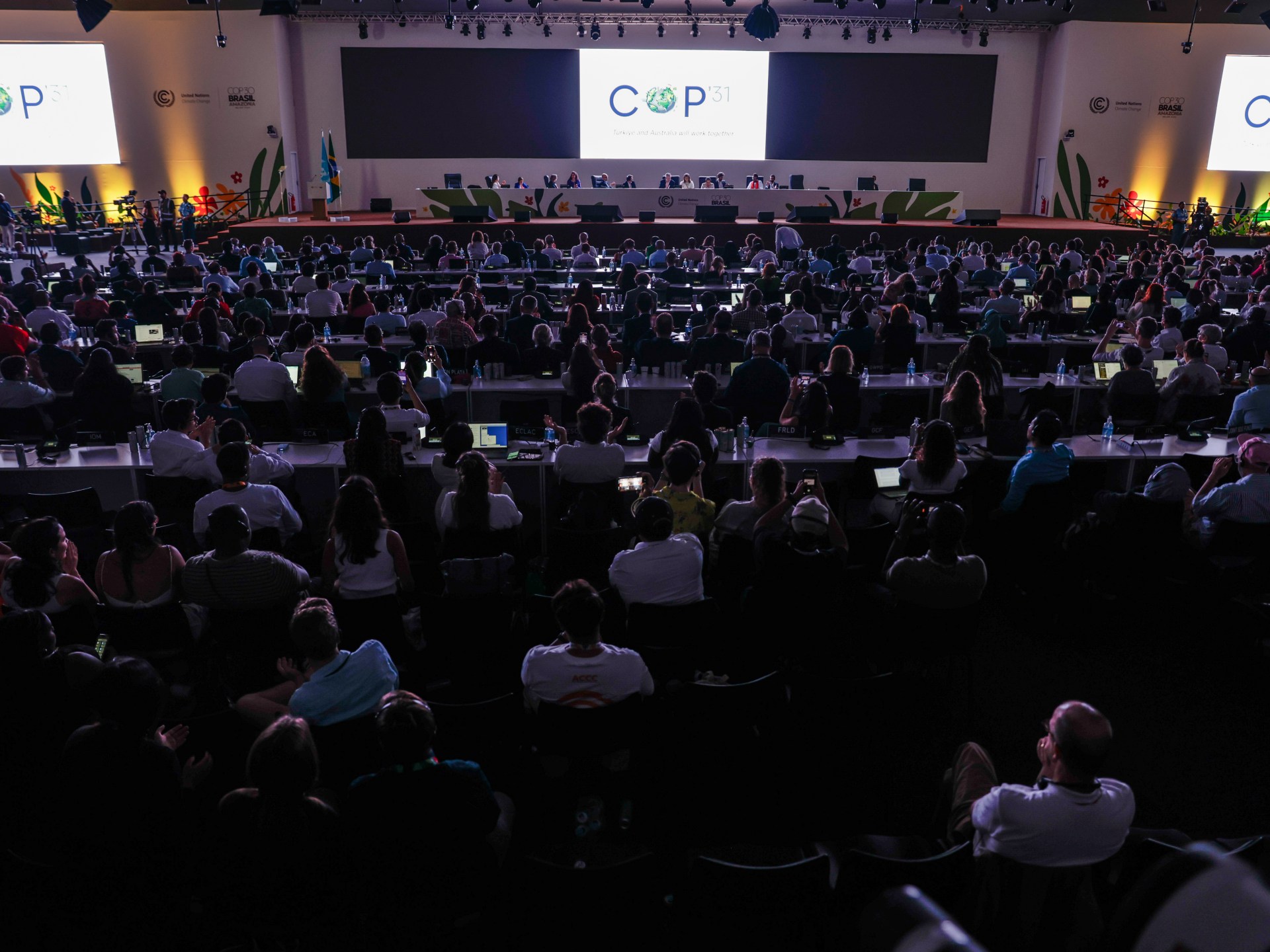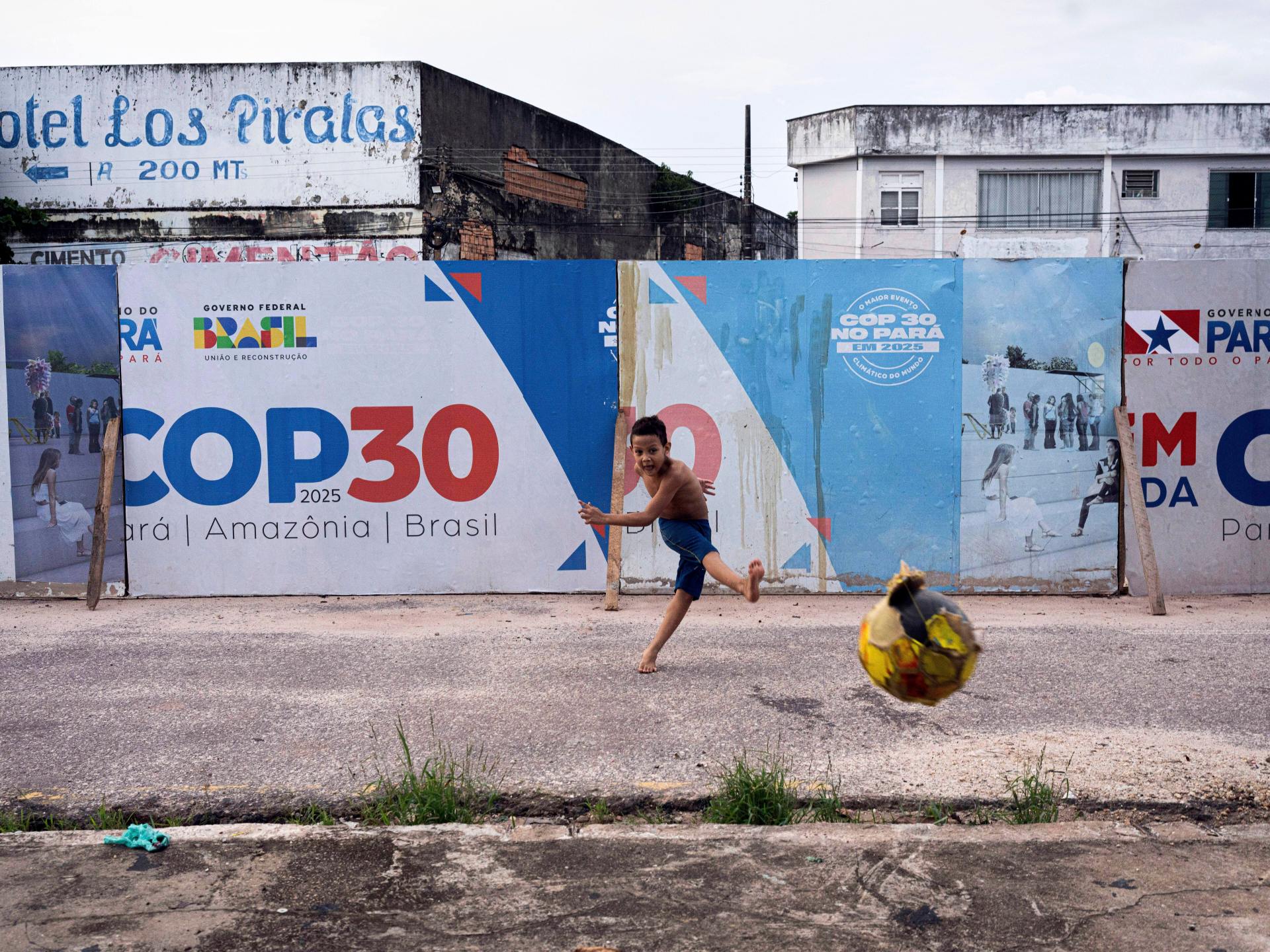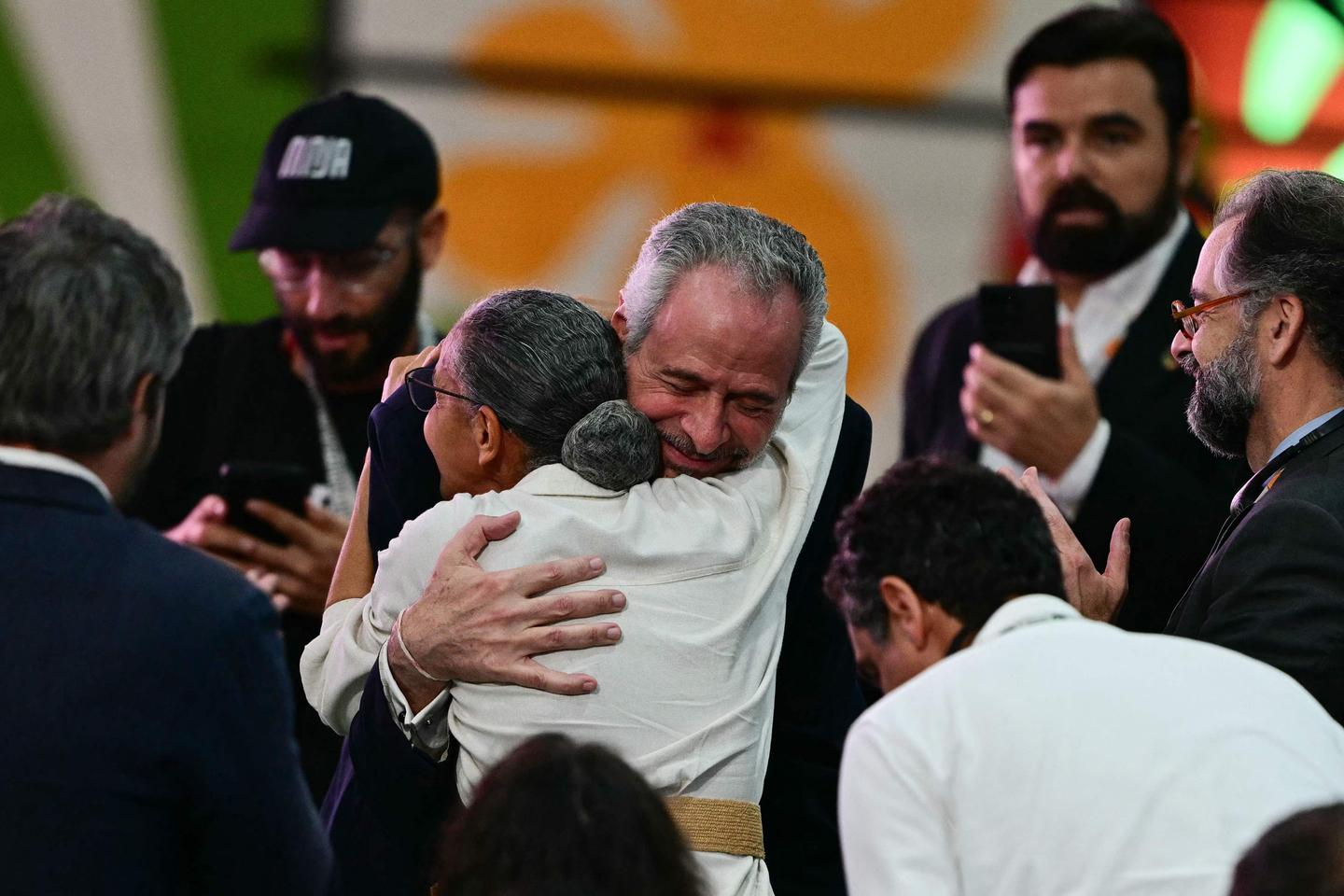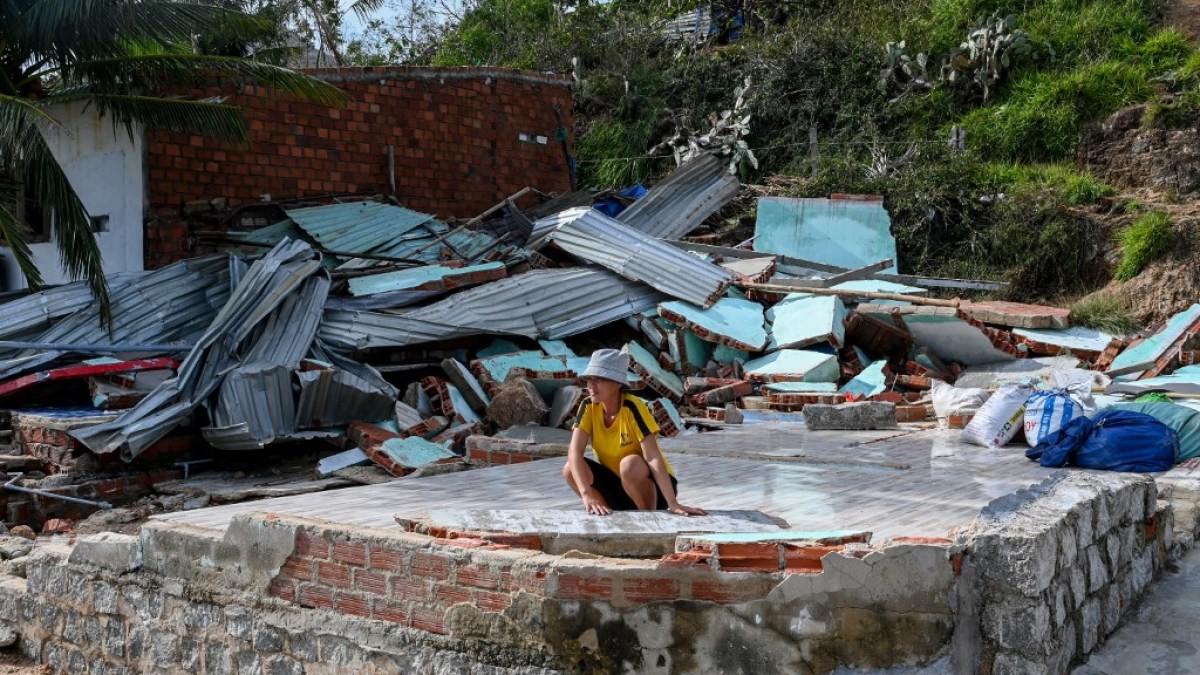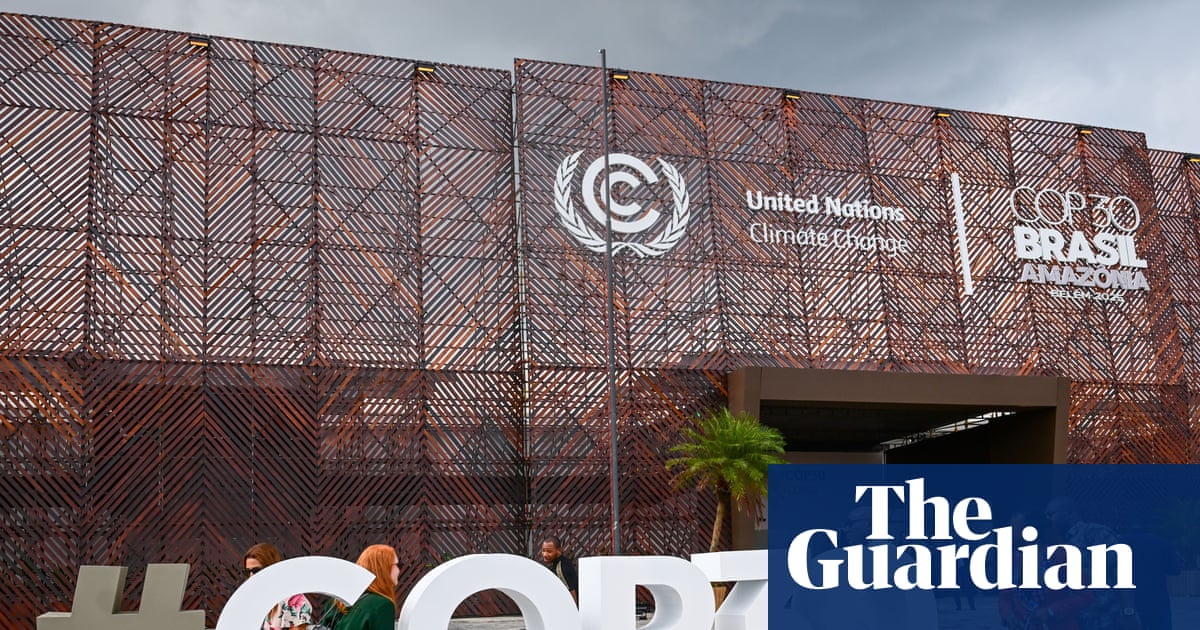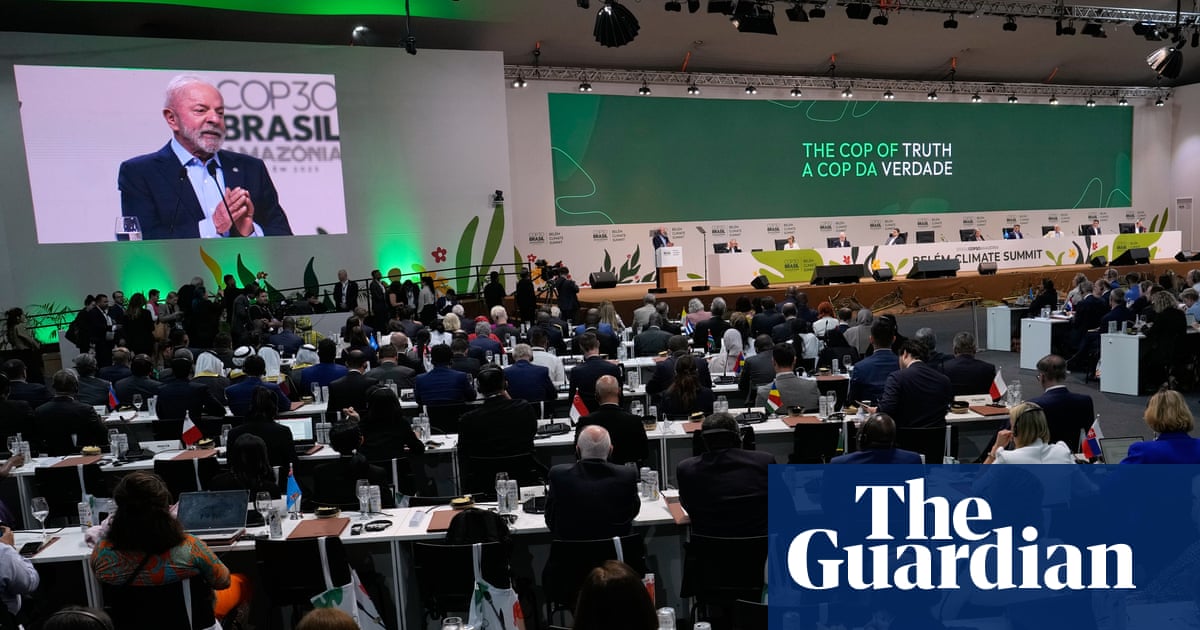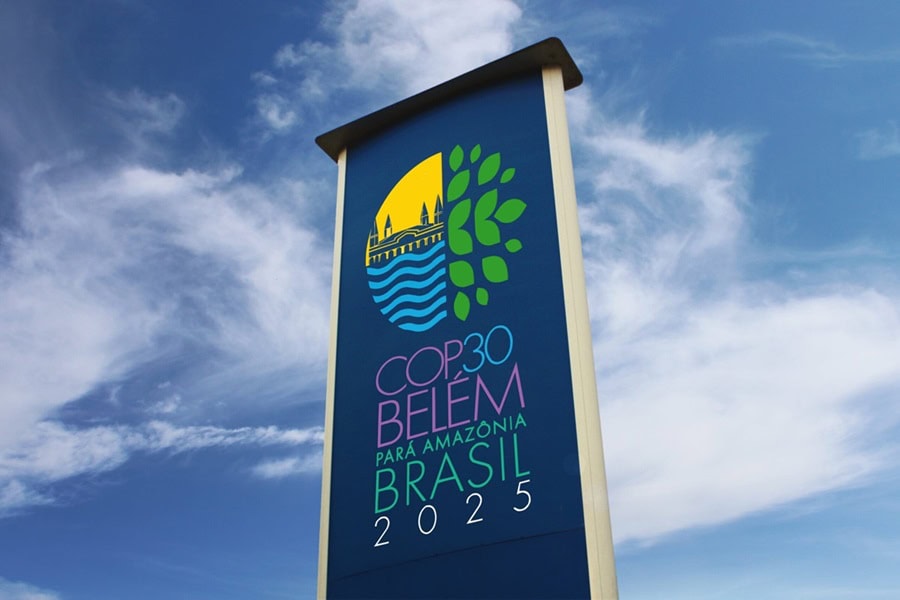
With the United Nations Climate Change Conference (COP30) about to start in Belem, Brazil, the world needs less argument and more action, environmental experts say
The 12-day conference, which opens on Monday, 10 November, comes ten years after the signing of the Paris Climate Agreement, but delegates at this year’s meeting face the same stalemate over who pays for the damage of climate change and the lack of dramatic steps toward implementation.
The Paris Agreement set a goal of limiting global warming by the end of the century to no more than 2 degrees Celsius (2°C) above pre-industrial levels, and preferably no more 1.5°C.
But in an Emissions Gap Report released this week, UNEP, the United Nations Environment Programme projected that the world will not meet that goal. Its models predict that if all countries live up to their pledged reductions in greenhouse gas emissions, global warming this century will reach between 2.3 and 2.5 degrees Celsius above pre-industrial levels. Under current emission levels, temperatures are expected to rise 2.8 degrees Celsius above the pre-industrial level, the agency added.
UNEP further predicted that global temperatures will likely exceed the 1.5°C threshold within the next decade. The world has already crossed that threshold for a single calendar year, 2024, which multiple international agencies have confirmed was the warmest year on record. The figure in the Paris Agreement refers to an average over decades, not what happens in a single year.