Stickers of the COP21, in Paris, ahead of the Climate Change Conference 2015. DOMINIQUE FAGET / AFP
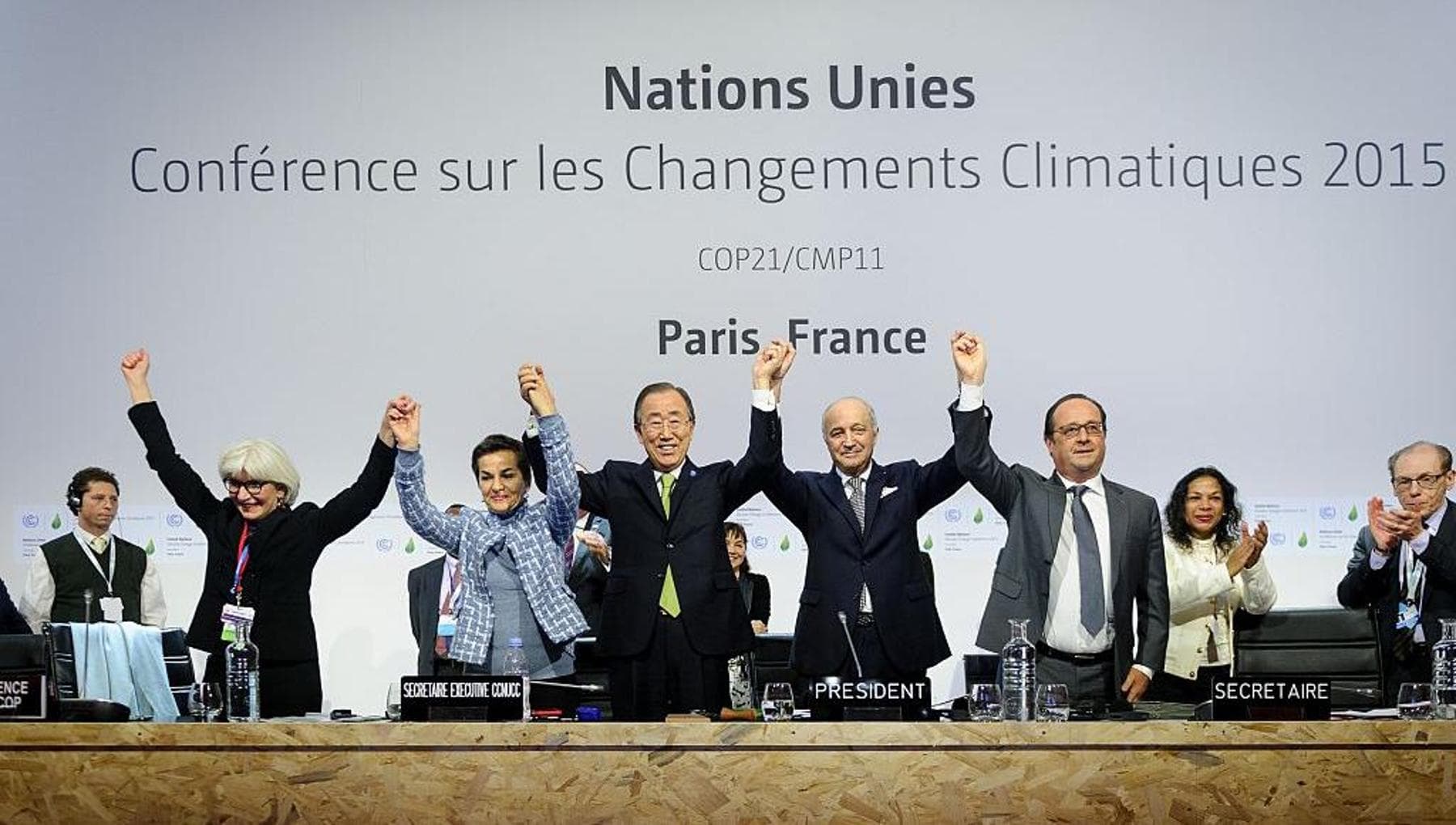
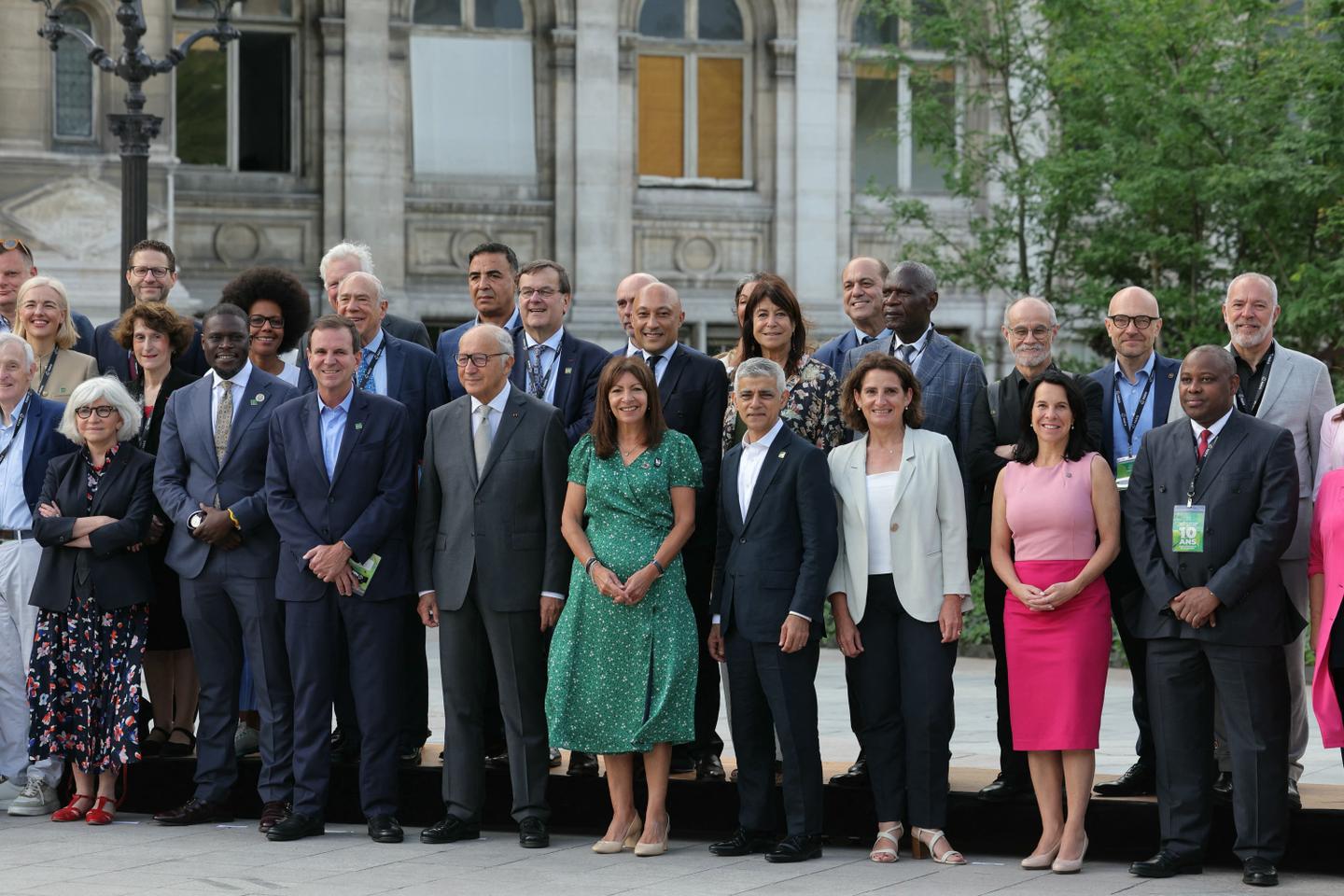
It was a historic gavel strike. Ten years ago, on December 12, 2015, Laurent Fabius brought down his small leaf-shaped gavel. The president of COP21 and then French foreign affairs minister had just secured the adoption, by 195 countries, of the Paris Agreement on climate change, the first international treaty to reduce greenhouse gas emissions. The atmosphere was euphoric. The agreement entered into force on November 4, 2016, and has now been ratified by every country except Iran, Libya and Yemen. The United States will withdraw from it for the second time in January 2026.
The Paris Agreement aims to limit global warming "well below 2°C above pre-industrial levels and pursuing efforts" to keep it below 1.5°C, without setting a specific timeframe. It stipulates that countries must strengthen their emissions reduction commitments every five years and that developed countries provide financial assistance to developing countries, which are the main victims of climate-related hazards. Ten years on, has it delivered on its promises?
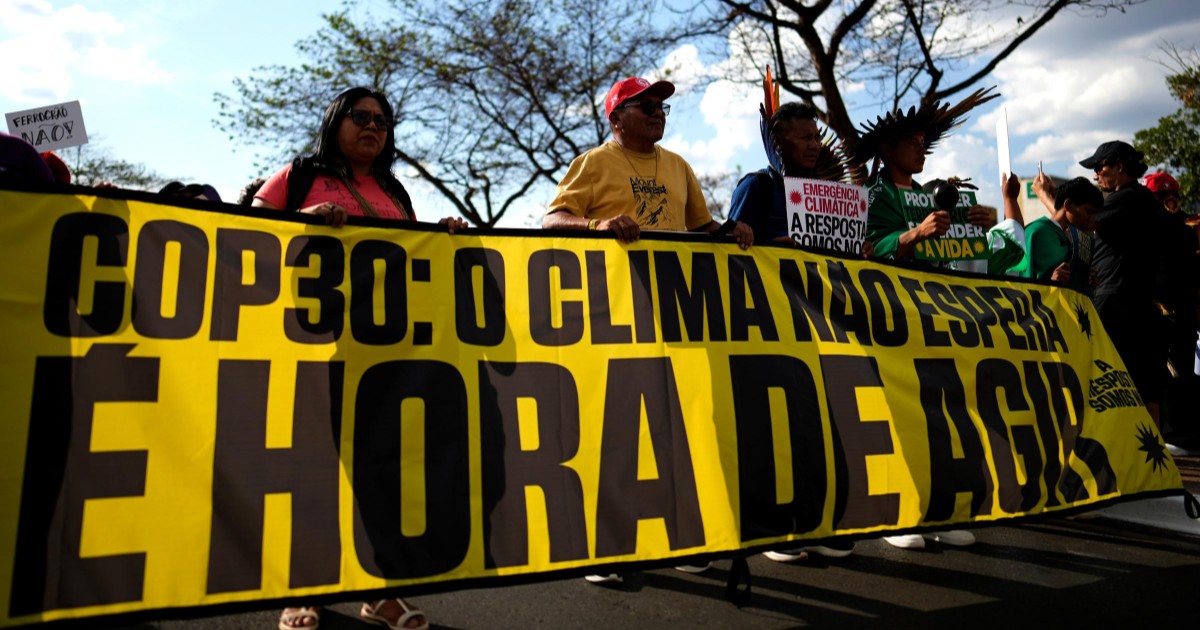
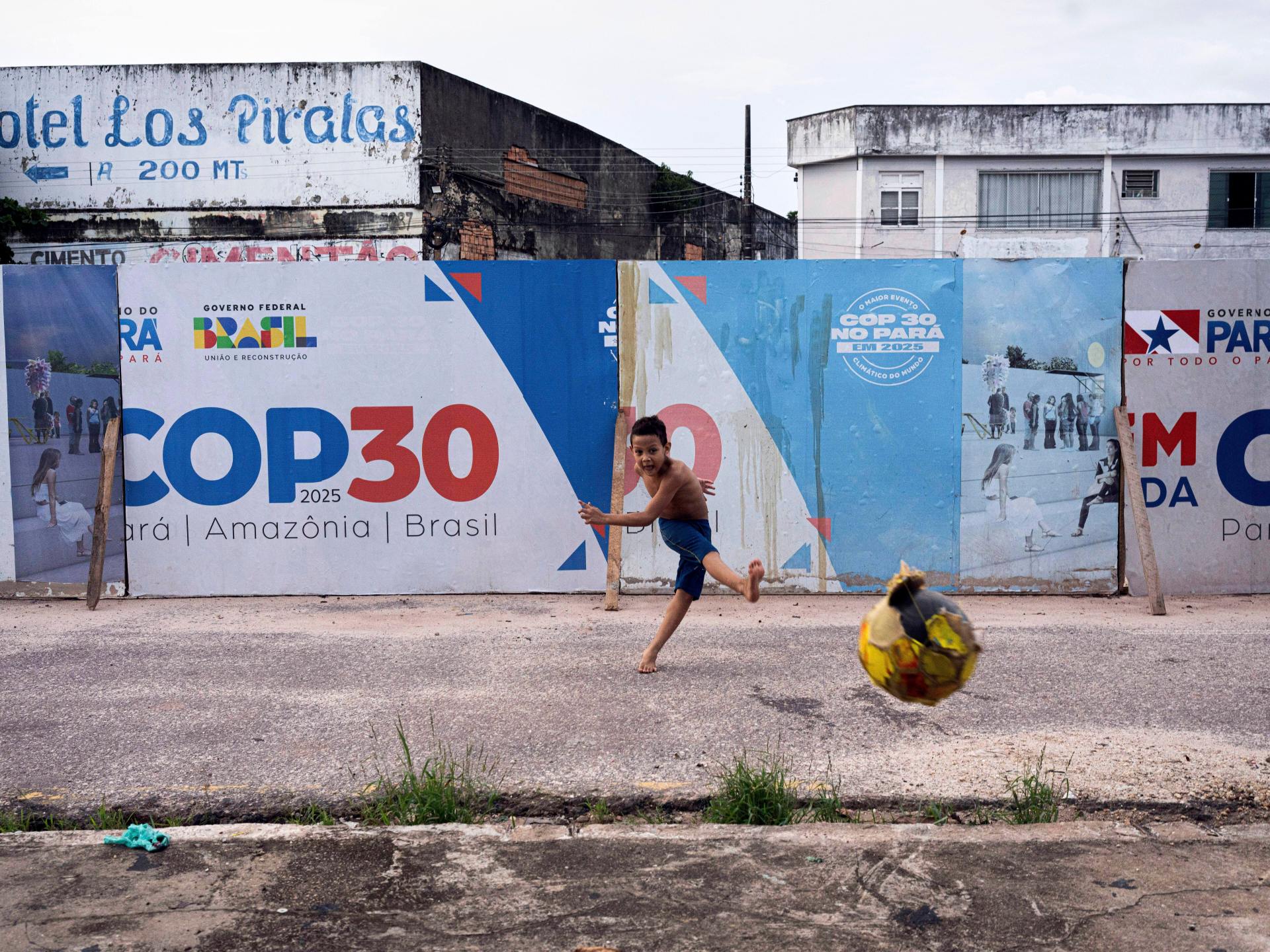
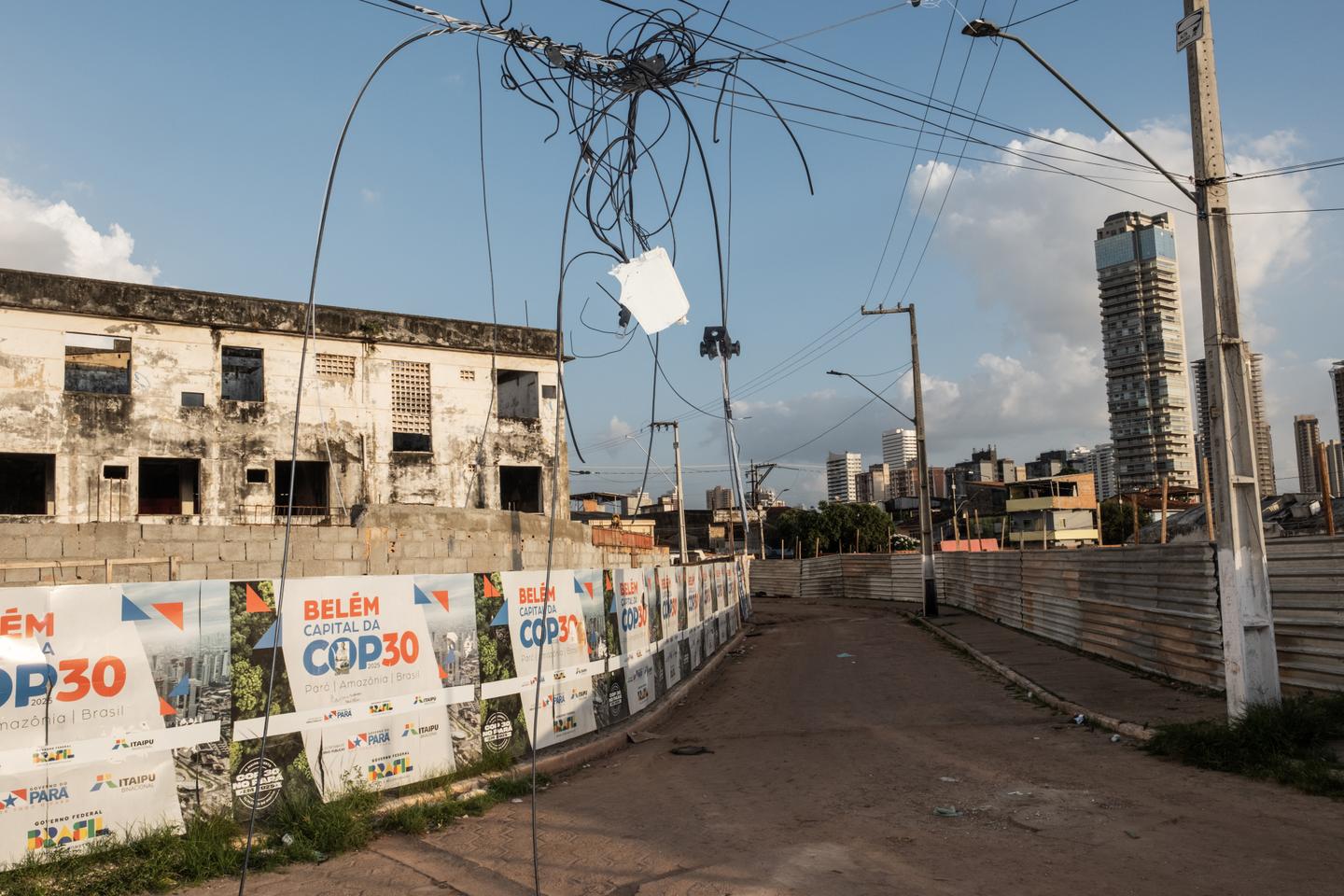
As leaders gather for the opening of the 30th United Nations Climate Change Conference (COP30) on Thursday, November 6, in Belém, Brazil, the results remain mixed. On the one hand, countries' commitments and the rise of a low-carbon economy have altered the projected course of warming by 2100. On the other hand, greenhouse gas emissions continue to rise and the +1.5°C threshold is now "out of reach," according to prominent scientists.