https://arab.news/g84j8
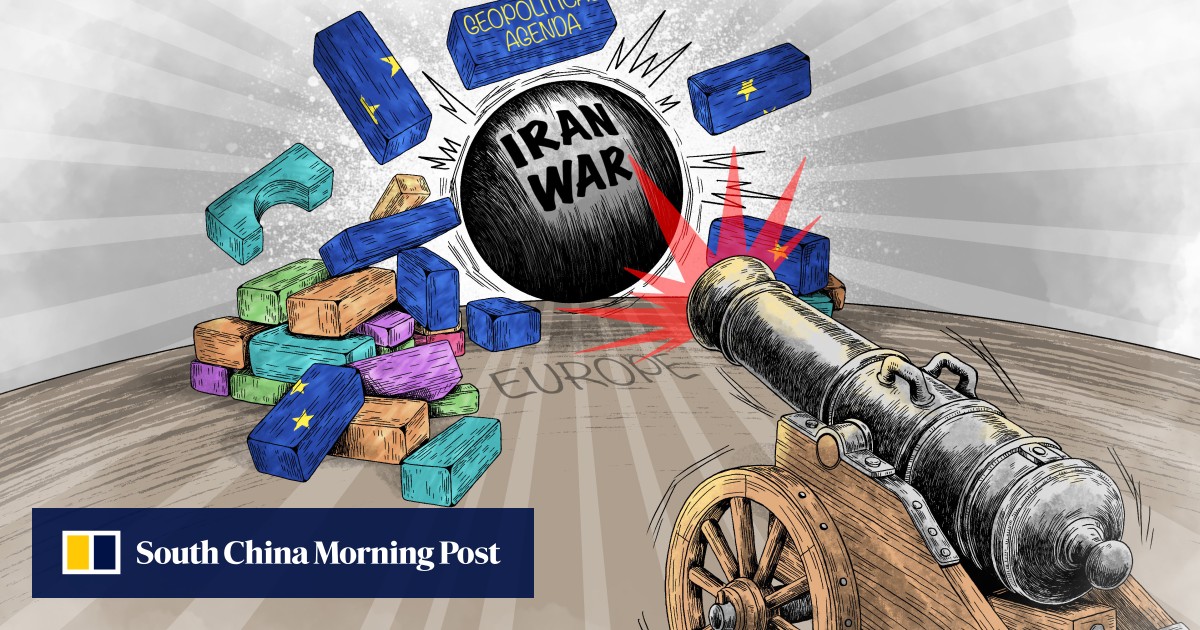
The war in Iran has resulted in no shortage of geopolitical consequences for policymakers around the globe. From high energy prices to key shipping lanes being closed, leaders from Europe to the Middle East to Australia are scrambling to mitigate the negative impact. However, another consequence beginning to gain attention as a result of the war in Iran is the breakdown in transatlantic relations.
US President Donald Trump has repeatedly criticized the lack of willingness of Washington’s NATO allies to dispatch a naval flotilla to reopen the Strait of Hormuz, and Secretary of State Marco Rubio has complained that some of America’s European partners are restricting the use of air bases for operations against Iran.
This breakdown in transatlantic relations comes at a difficult time for the alliance. We are now inside the 100-day countdown to the next NATO summit in July, to be held in Ankara. Coincidentally, NATO has already been responsible for shooting down four Iranian missiles aimed at Turkiye, making the upcoming summit the first time the alliance has had to protect the airspace of a host nation.
Clearly, it will not be business as usual. Any agenda that diplomats have been working on behind the scenes in the lead-up must now be set aside. Instead of the alliance focusing on an ambitious and robust agenda, it is time to lower expectations and focus on mending the transatlantic relationship.