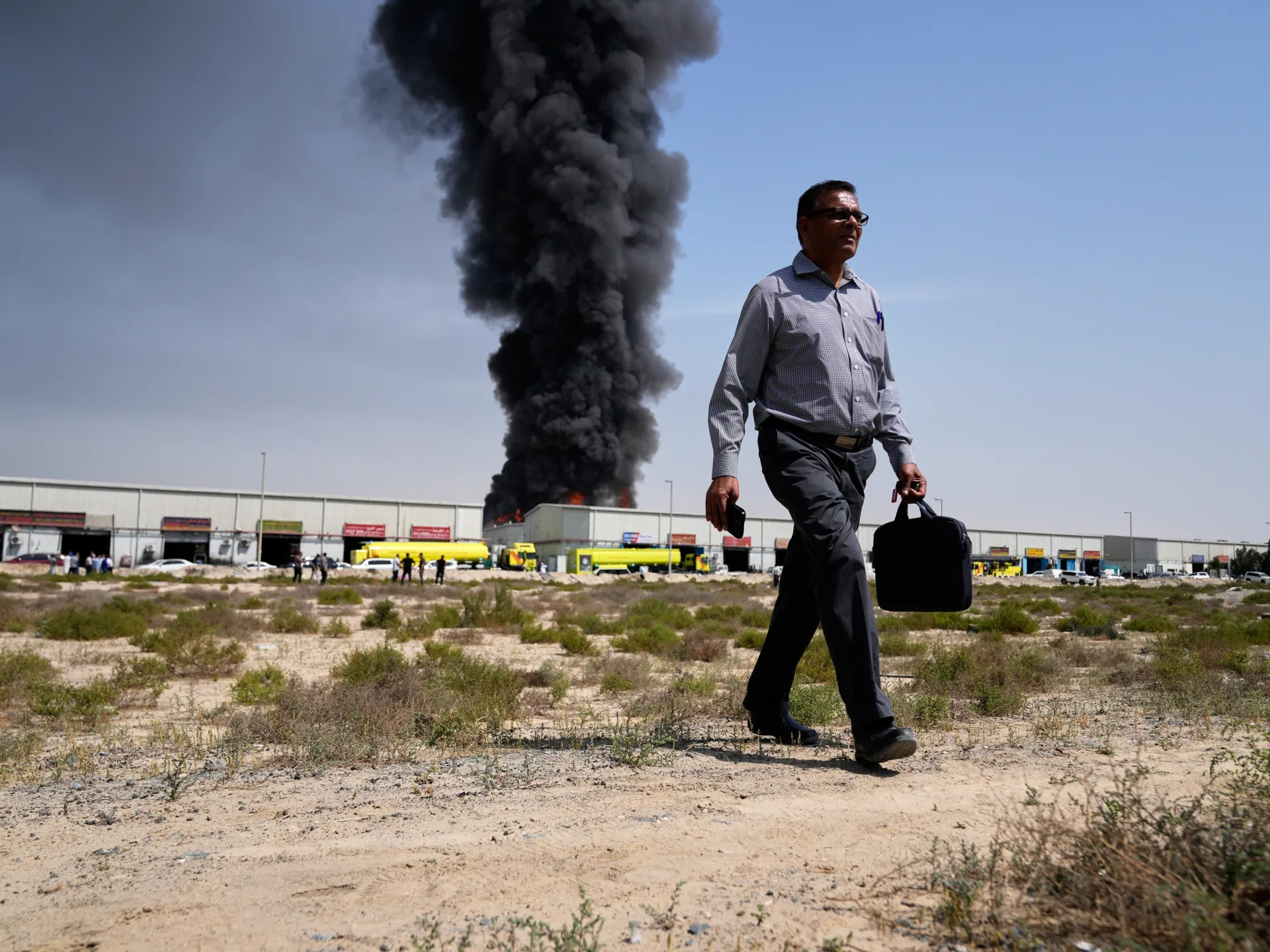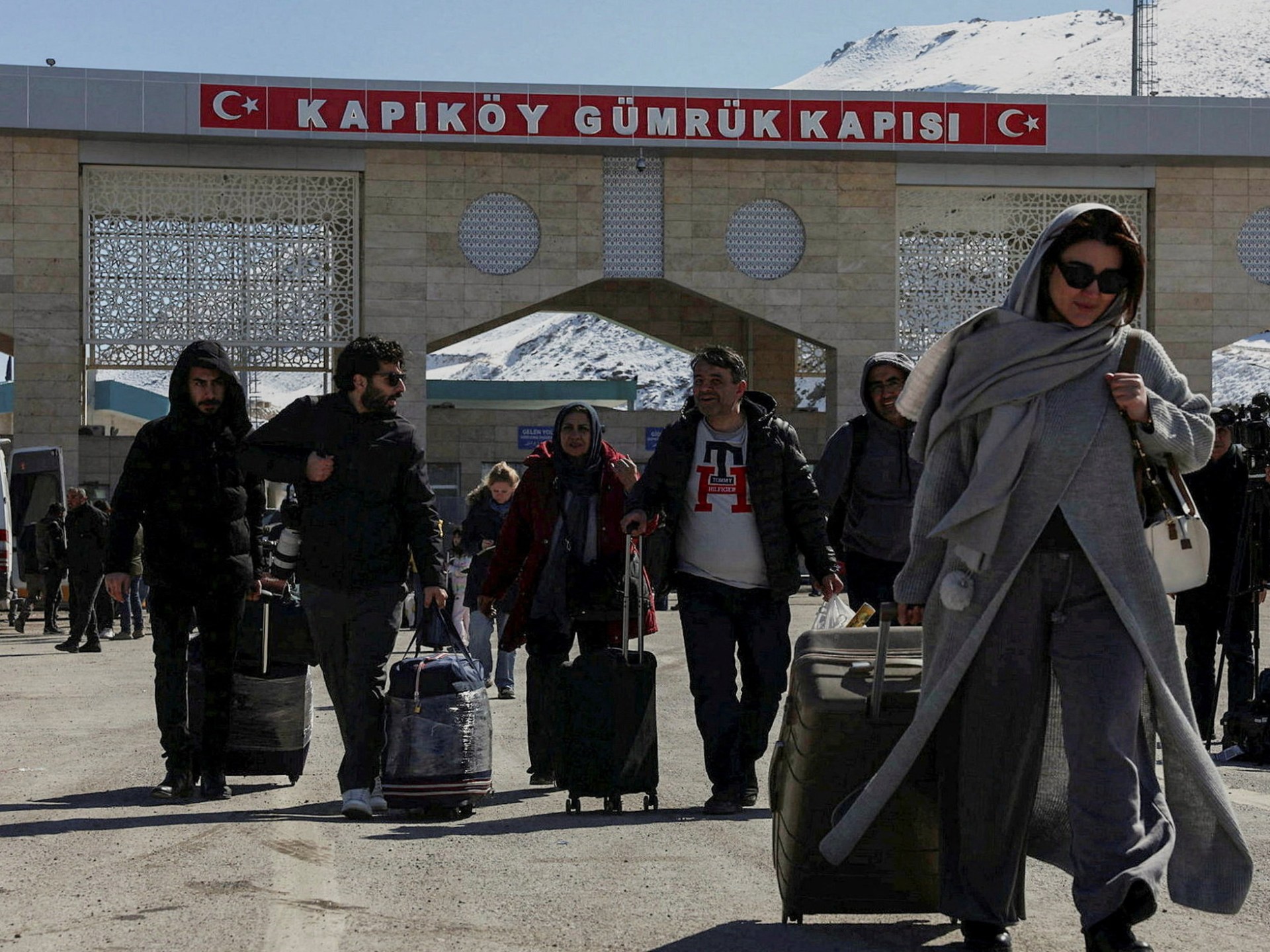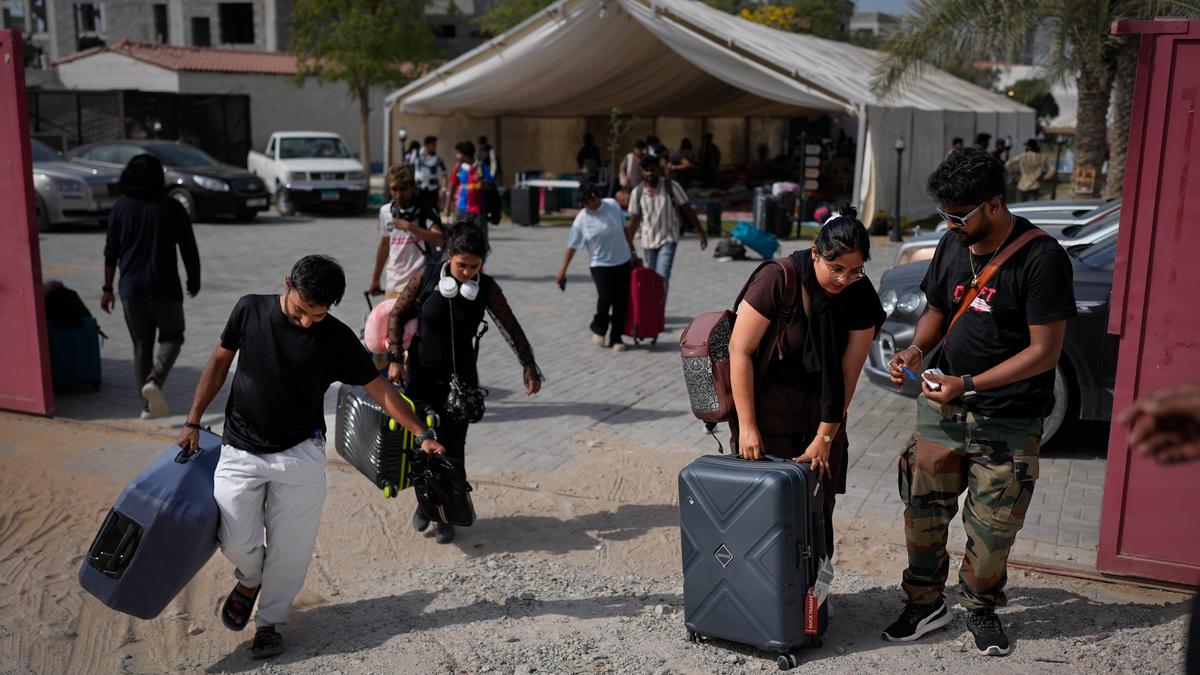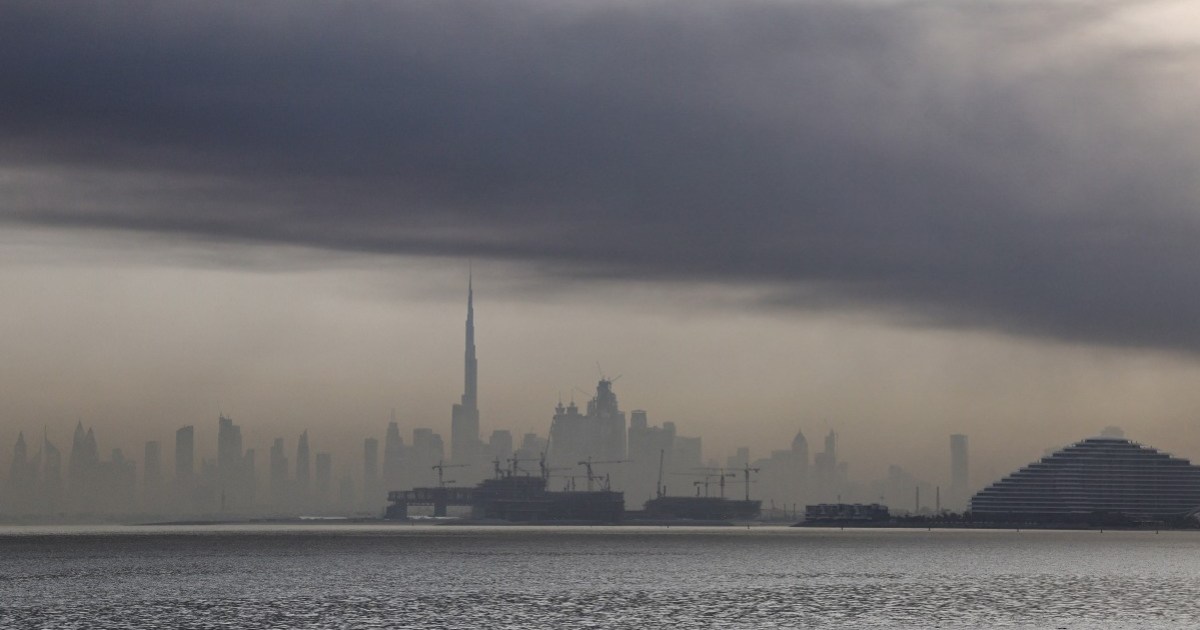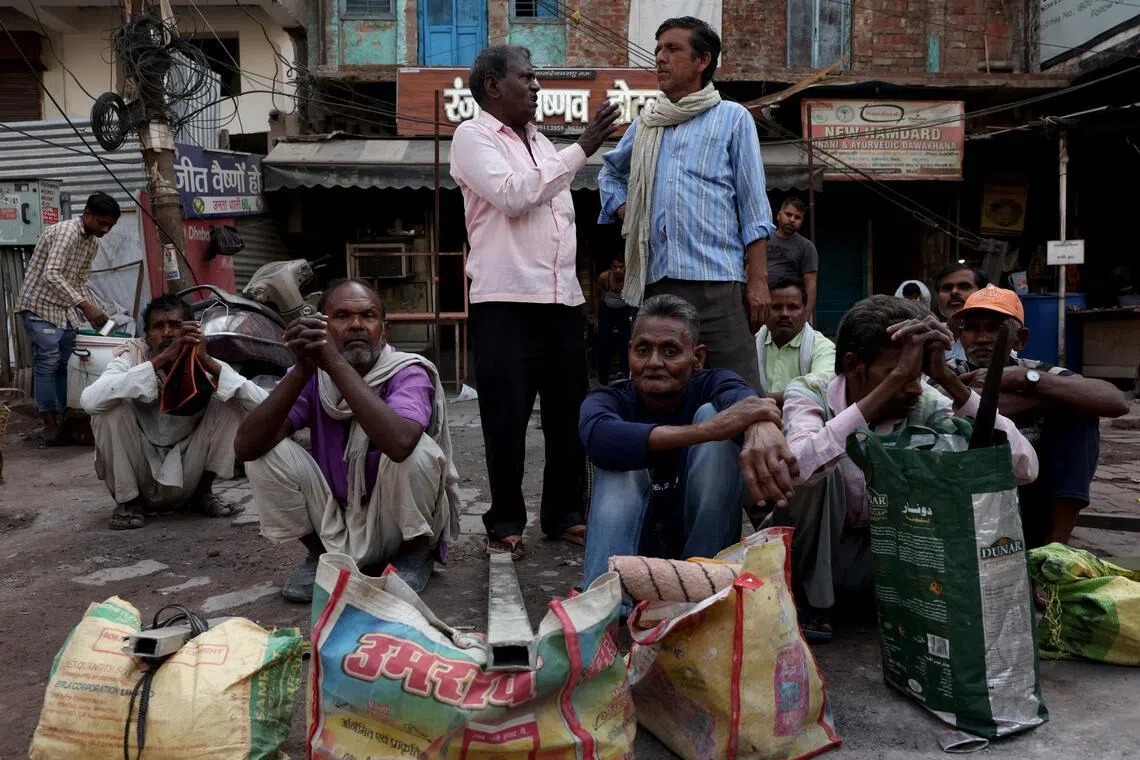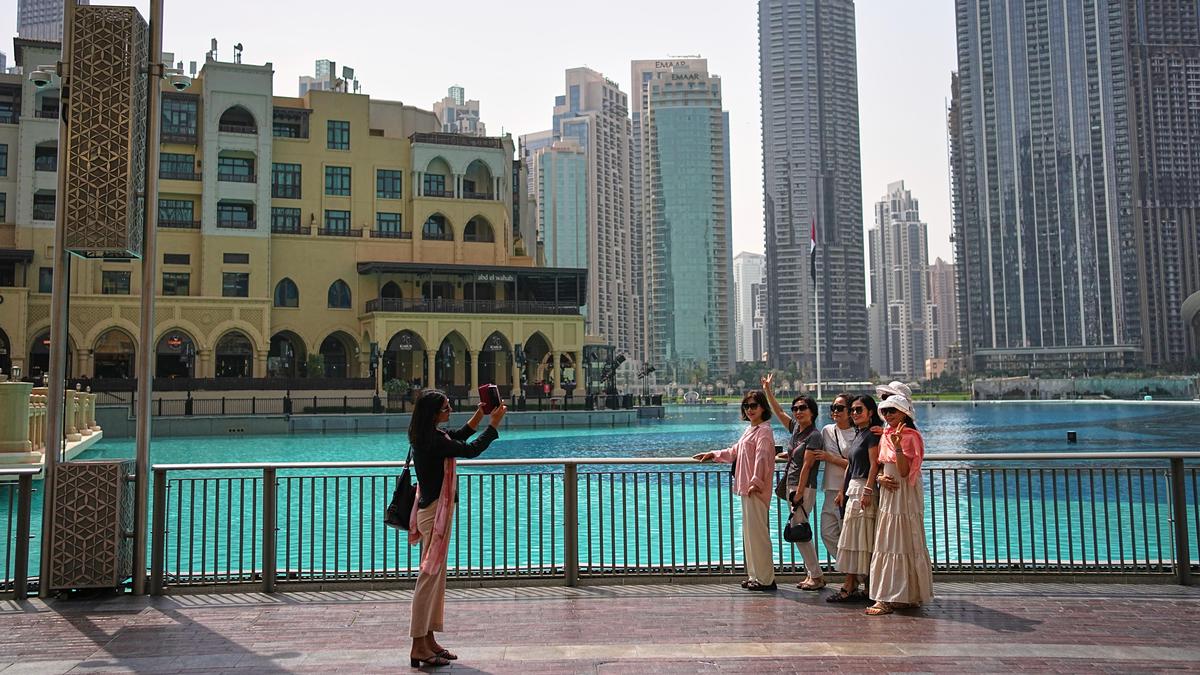
With the Iran war casting a long shadow over the Gulf over the past two weeks, what once appeared to be a region of glittering airports, financial hubs and endless construction now looks extremely vulnerable. India has already acknowledged the seriousness of the crisis. The Ministry of External Affairs had said that within less than a week of the war in the Gulf region beginning, more than 52,000 Indians had already returned from the Gulf under special arrangements, and the number may rise in the coming days. India has also issued repeated advisories on West Asia, showing that this is a real regional emergency.
For the Gulf Cooperation Council (GCC) states, the danger is not only military but structural. These states built their prosperity on stability, open sea lanes, energy exports, global finance and migrant labour. A prolonged war threatens every one of these pillars. Iran’s strategic logic is also clear enough. Tehran sees several GCC monarchies not as neutral neighbours but as part of a wider U.S.-led security architecture in the region. That perception is influenced by the long presence of Western military bases and by the political afterlife of the Abraham Accords, which began formal normalisation between Israel and the UAE and Bahrain in 2020. In Iran’s view, the Gulf cannot claim neutrality while remaining tied to American security power and, in some cases, to new arrangements with Israel.