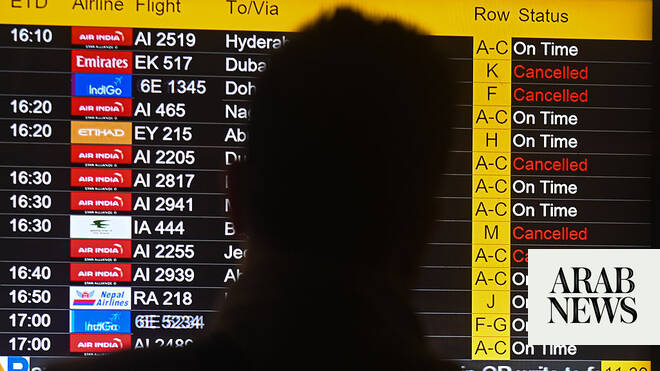
The Iran war is reshaping global flight paths, posing a threat to Southeast Asia’s key tourism sector. Iranian missile and drone attacks have shut down key Middle Eastern aviation hubs like Dubai, Abu Dhabi and Doha, cutting off popular travel routes for European and U.S. travelers to get to Southeast Asia’s beaches and temples. Travel experts now fear that countries like Thailand, Cambodia and Indonesia may soon see a dip in tourists.
“There aren’t non-stop flights between Europe and destinations like Bali and Cambodia,” Brendan Sobie, a Singapore-based independent aviation analyst, tells Fortune. “These countries, which are heavily dependent on tourism, are also more impacted due to the trickle down effect on their economies.”
Tourism is a mainstay of Southeast Asia’s economy. In 2024, tourism accounted for 9.4% of Cambodia’s GDP, and 12% of Thailand’s.
Major Gulf carriers including Emirates, Qatar Airways and Etihad have scrapped thousands of flights to and from the Middle East. This has ripple effects on some Southeast Asian carriers; Malaysia Airlines, for instance, relies on Qatar Airways to move tourists from the U.S., Europe, and the Middle East into Southeast Asia.
“Malaysia Airways doesn’t fly into Europe much, except for London and Paris,” said Mayur Patel, the Asia head at aviation consultancy OAG. “A lot of their codeshares were through Doha with Qatar Airways, and if airplanes can’t fly into Doha, it would certainly put a constraint on traffic flow.”