In this article
Amid the ongoing Iran war, the roar of the Middle East’s commercial tourism has been replaced by the steady hum of repatriation flights, leaving vacationers to navigate the landscape of rising airfares and safety concerns. It’s yet another airspace closure that airlines have had to deal with since the 2022 Russian invasion of Ukraine.
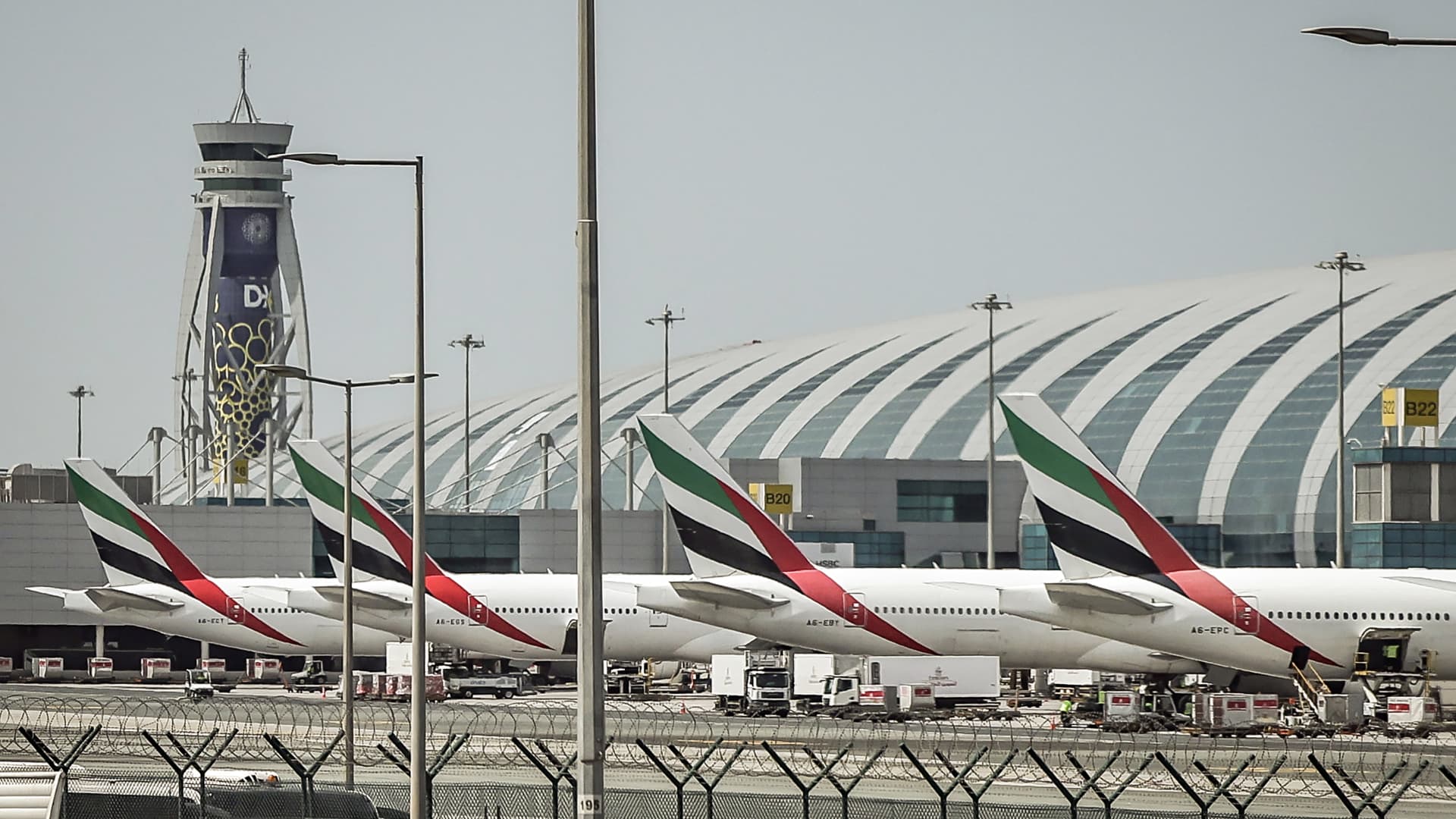
It’s a stark contrast to a prediction from the United Arab Emirates’ Ministry of Economy and Tourism that the country would amass a market volume of almost $950 billion by 2026. Dubai, in particular, finds its position as the crown jewel of Middle East’s tourism faltering as its airports have been forced to shut temporarily during the conflict.
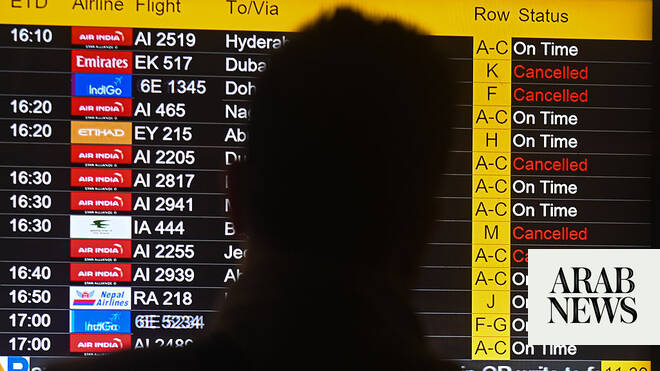
Canceled flights to and from the Middle East region have exceeded 46,000 since the U.S.-Israel attacks on Feb. 28, aviation data firm Cirium told CNBC previously. And at the Aviation Festival in Singapore in March, India’s SpiceJet said the Middle East conflict has significantly affected its operations due to heavy traffic between India and the region.
But it’s not just airlines that have been cancelling flights. Travelers from Asia told CNBC they have been canceling their travel plans to the Middle East and considering holidays within their own region instead.