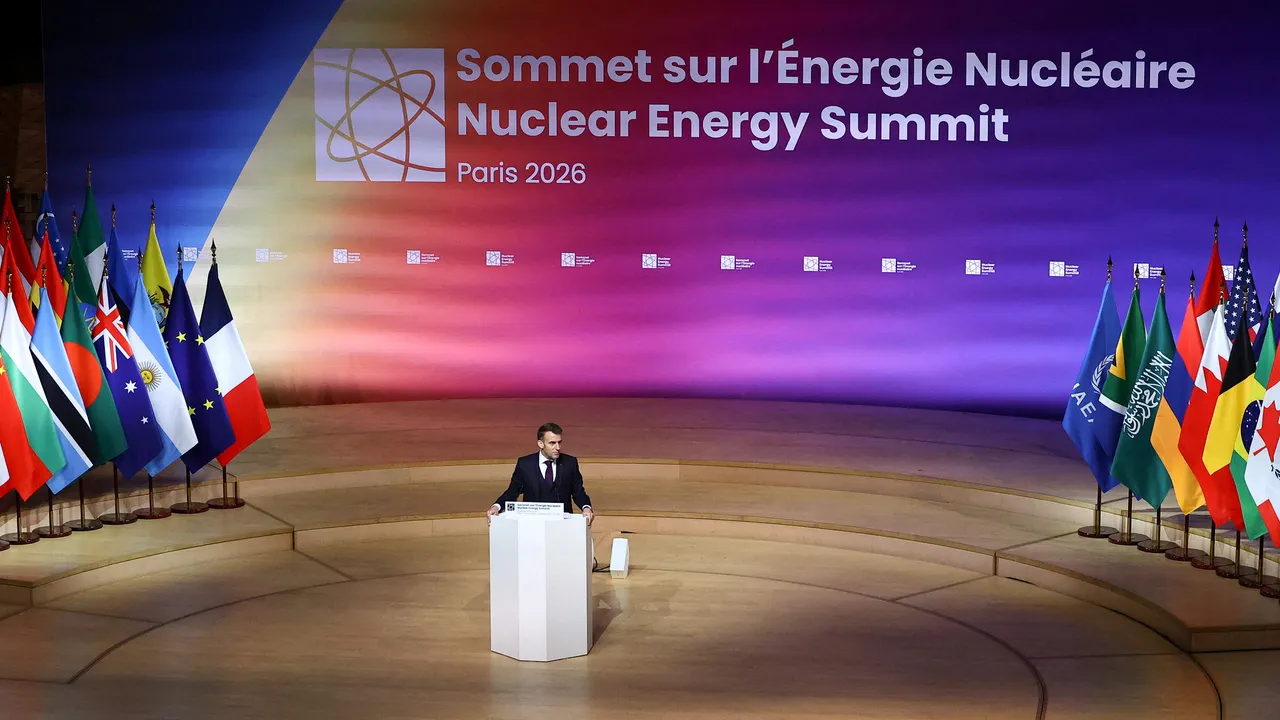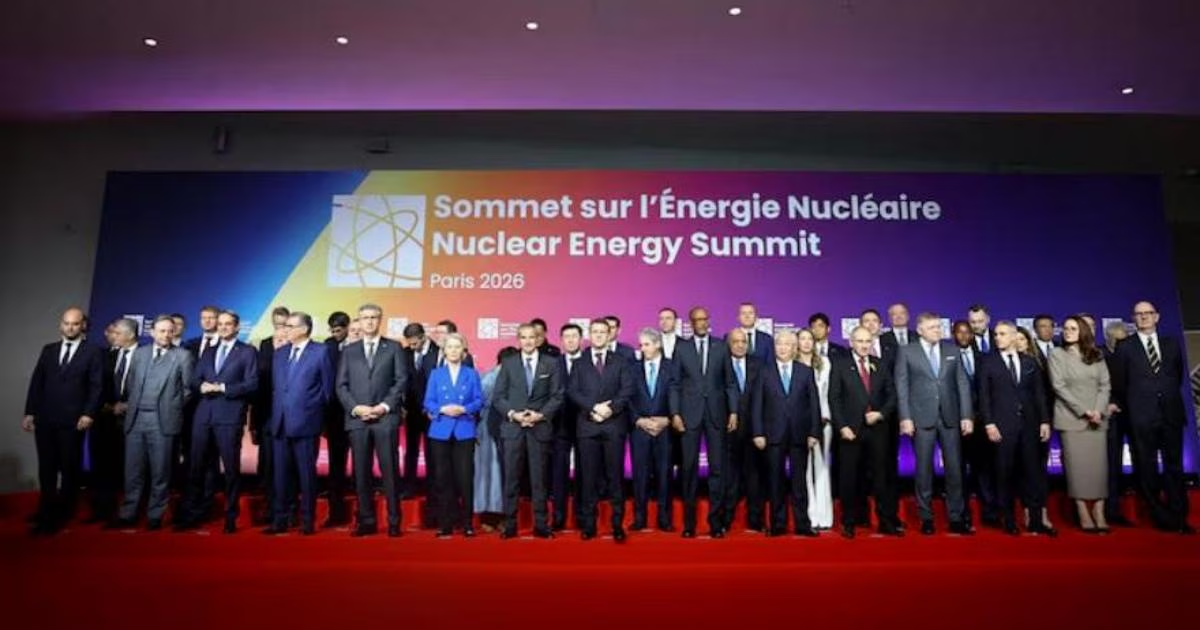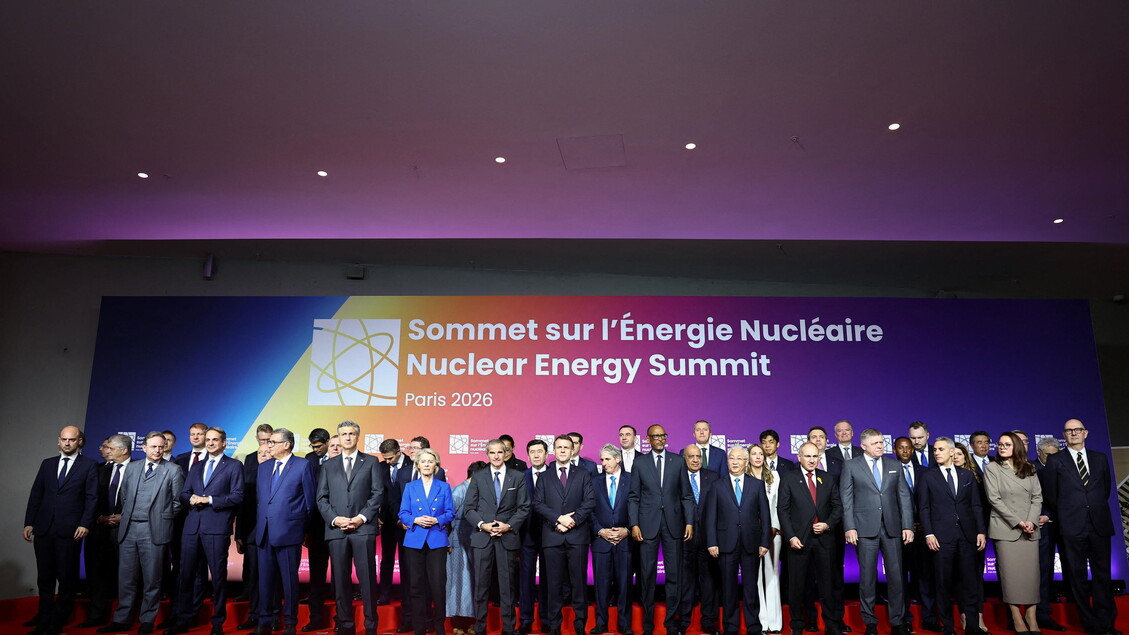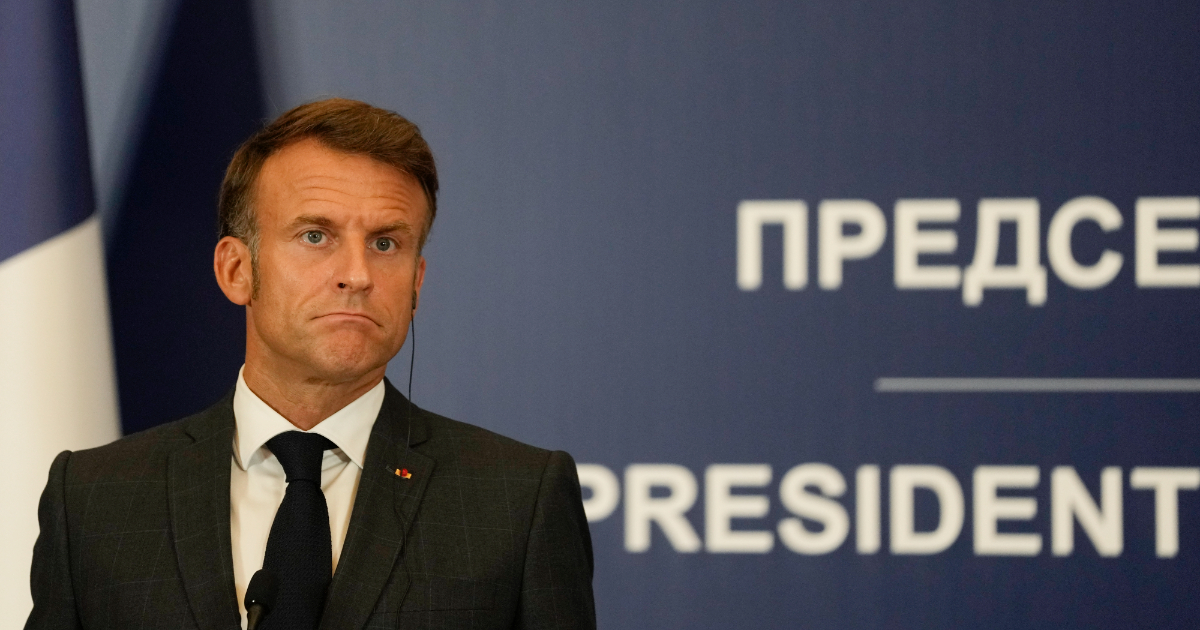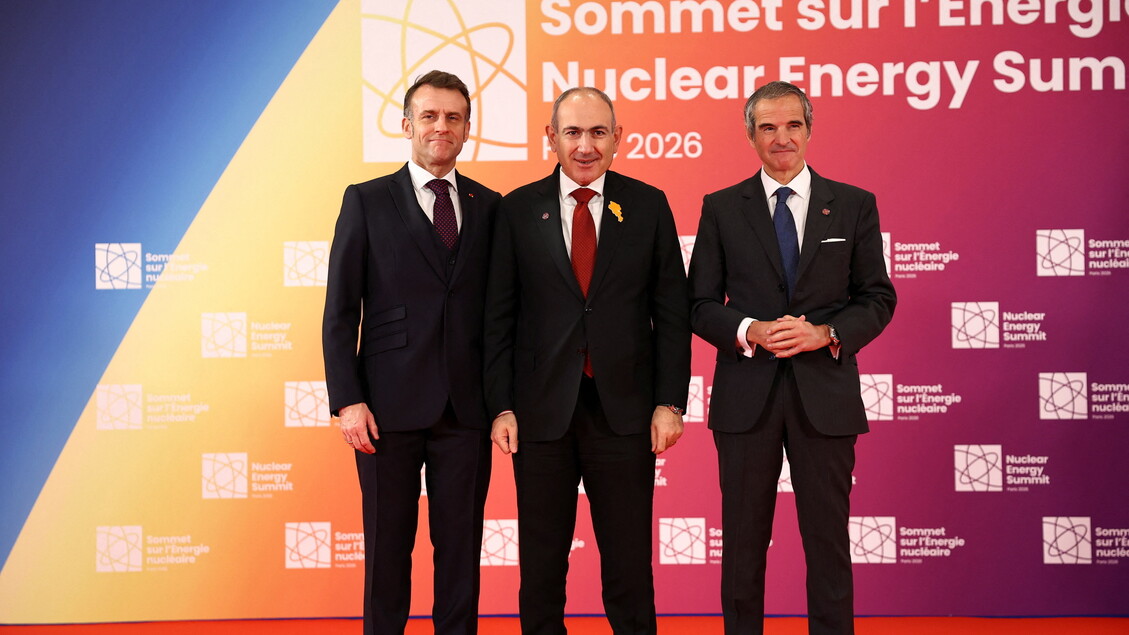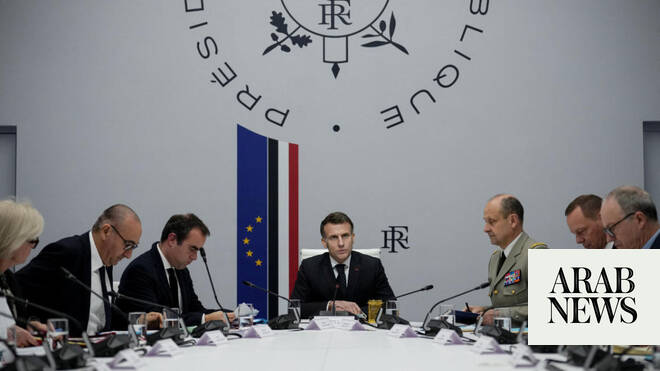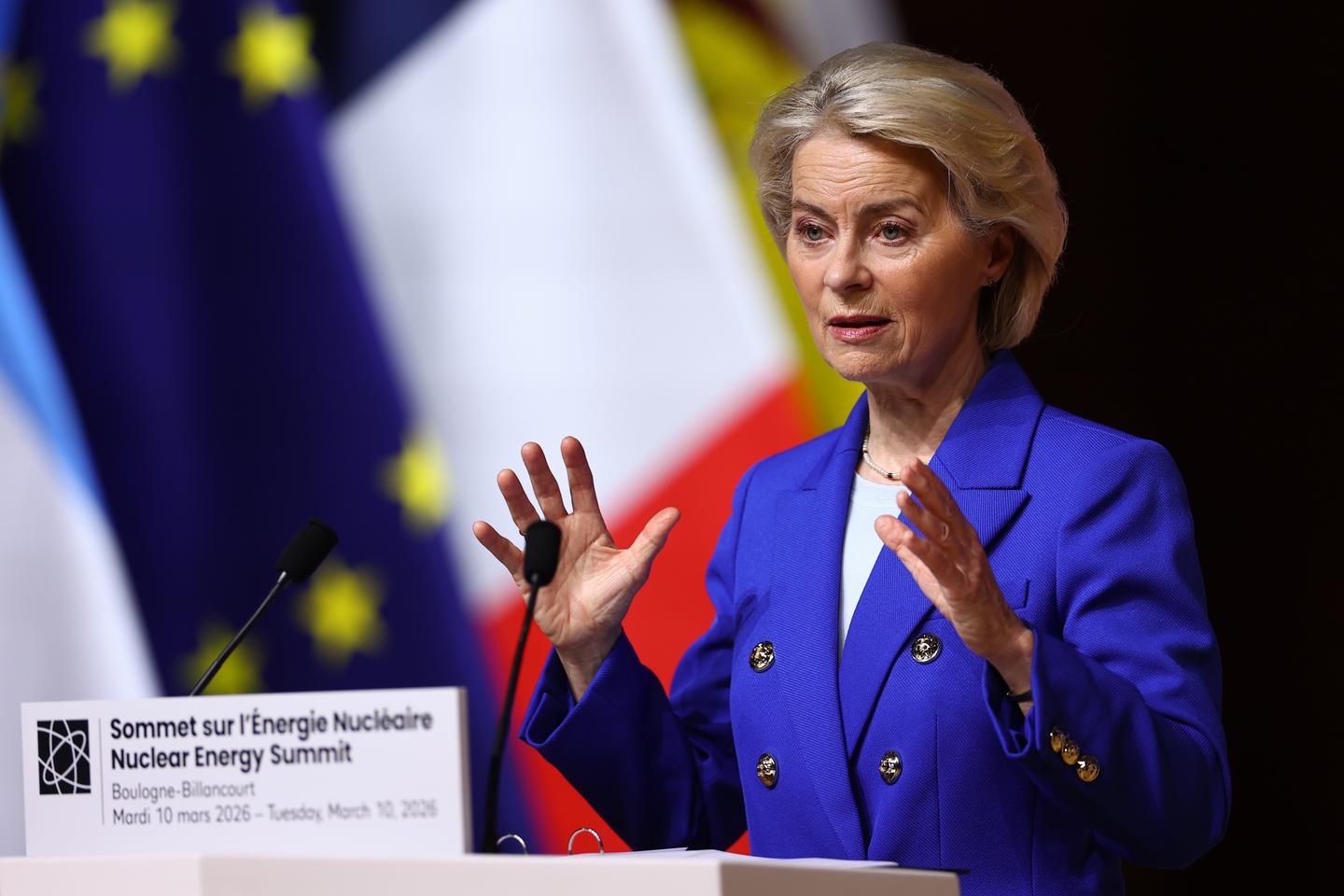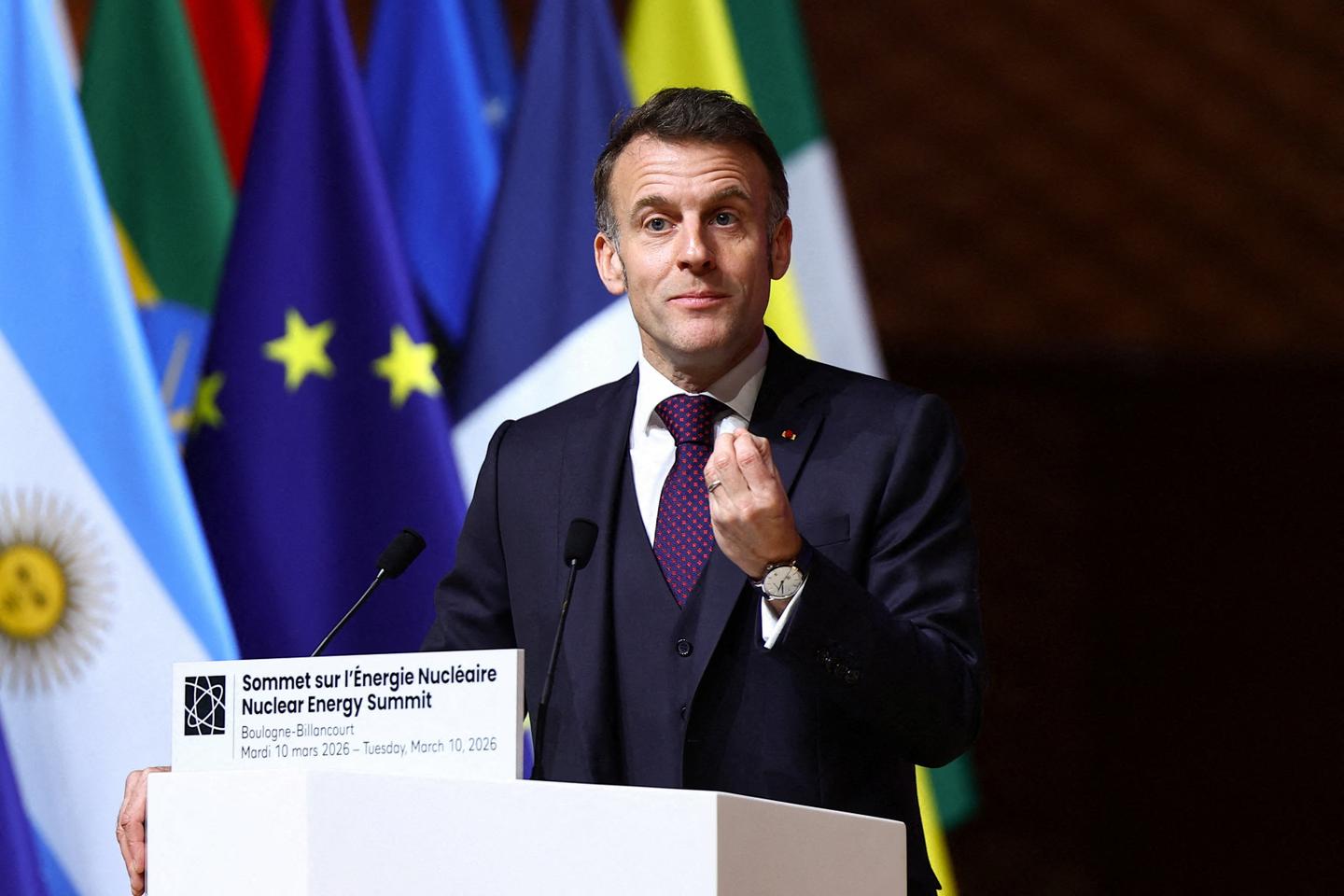
Emmanuel Macron at the Nuclear Energy Summit, held in the western Paris suburb of Boulogne-Billancourt, on March 10, 2026. ABDUL SABOOR/AFP
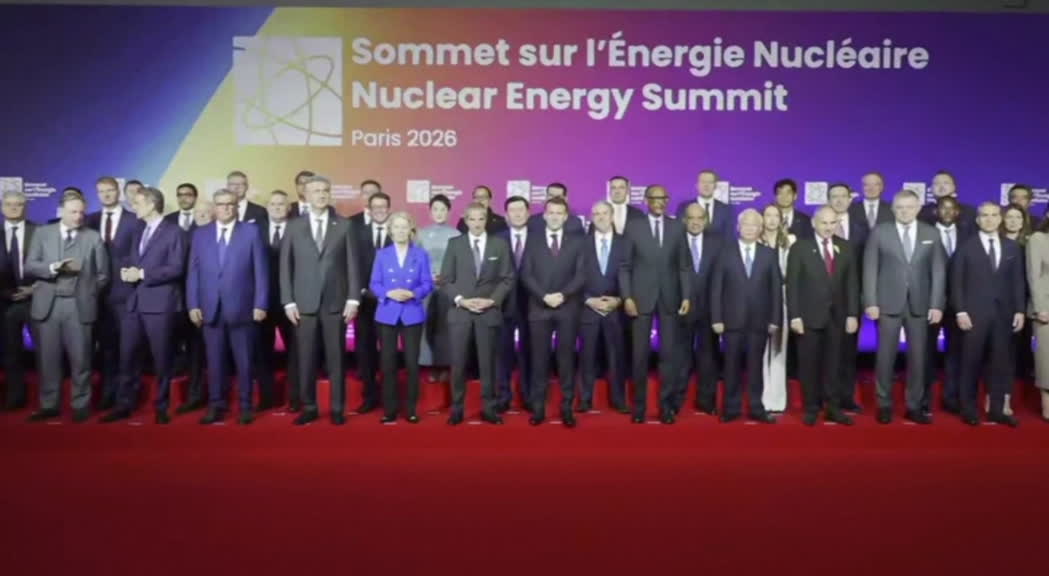
With oil prices soaring due to the war the United States and Israel have waged against Iran, around 40 leaders from countries in Europe and around the world, gathered at La Seine Musicale, a venue in the western Paris suburb of Boulogne-Billancourt, for the second Nuclear Energy Summit, a global summit on civil nuclear energy, two years after the inaugural edition, which was held in Brussels. "In the midst of war in the Middle East and as fossil fuel prices skyrocket, Paris's decision to prioritize nuclear power and to revive this sector is paying off," said a European source in Brussels.
The event is an International Atomic Energy Agency (IAEA) initiative aimed at promoting "the safe and sustainable development of civil nuclear power." France offered to host the second edition of the summit in order to present itself "as the spearhead" of this development, according to a source in President Emmanuel Macron's entourage.
After the nuclear power plant accident in Fukushima, Japan, on March 11, 2011, cast a shadow over the nuclear industry for many years, nuclear energy has since seen a remarkable resurgence in political discourse. Despite this, it can still be difficult to secure adequate funding for new nuclear projects. According to IAEA figures, today, 413 nuclear reactors are in operation across 31 countries. In 2025, they contributed to about 9% of global electricity production.