https://arab.news/mp3ds
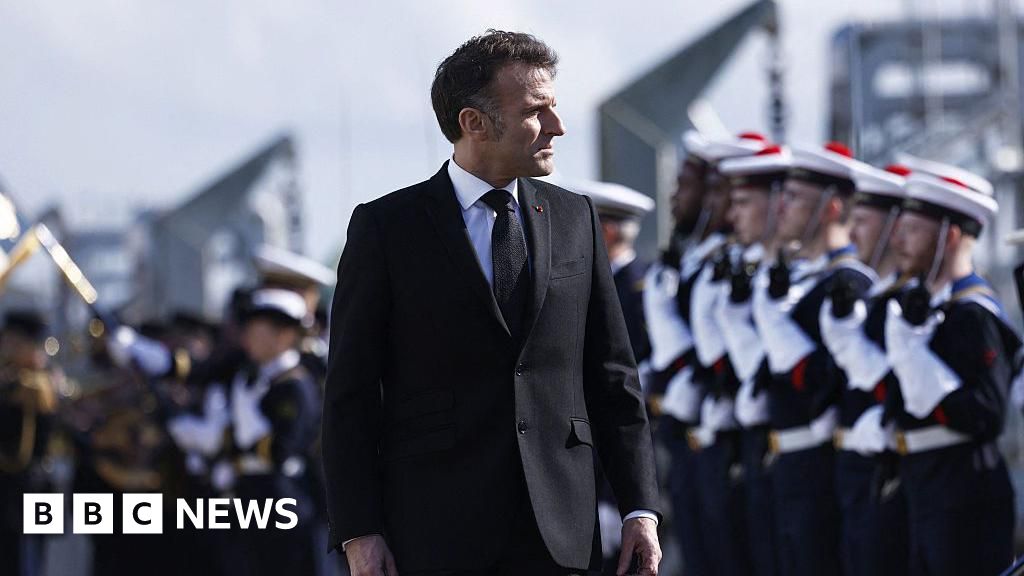
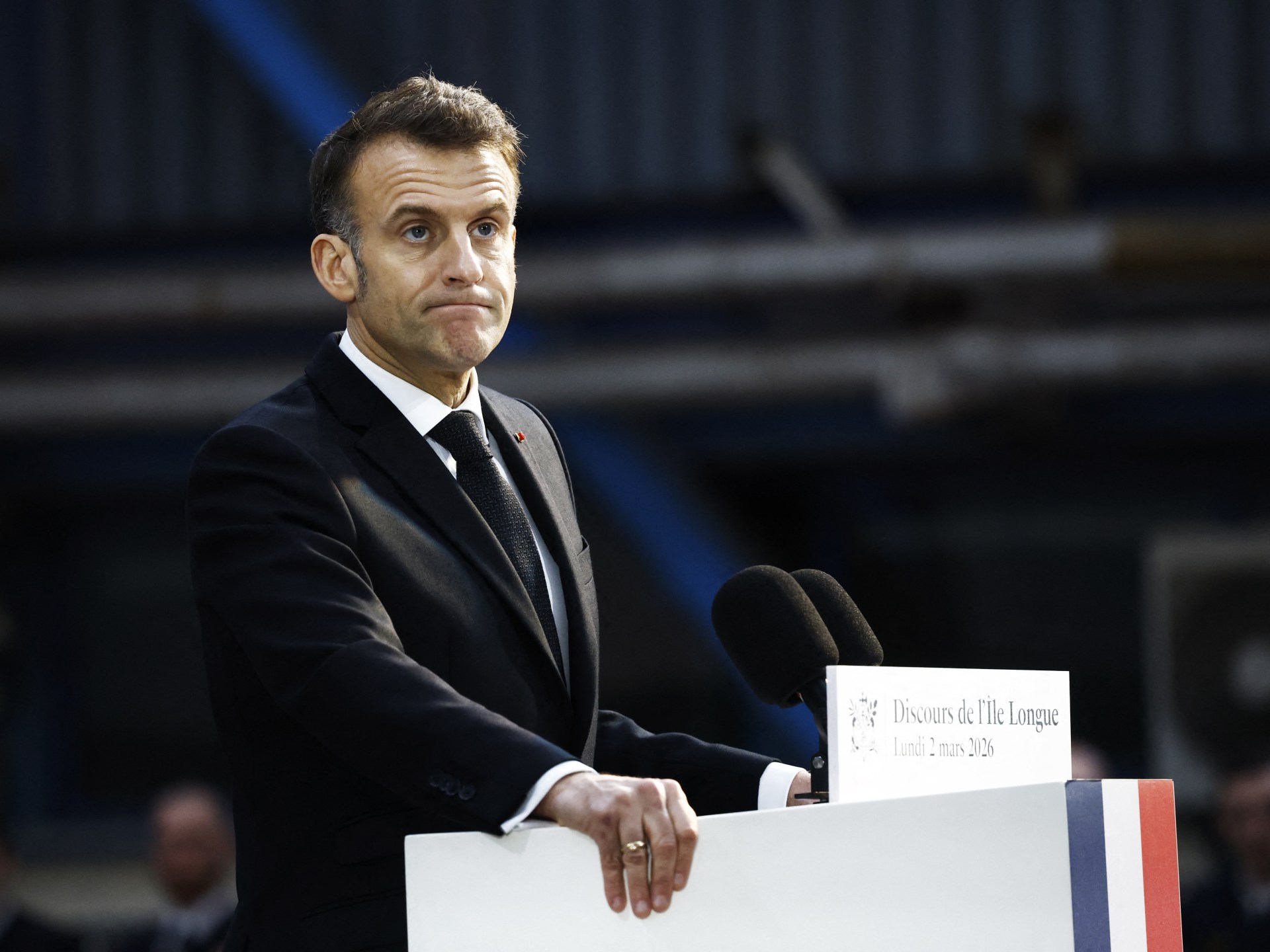
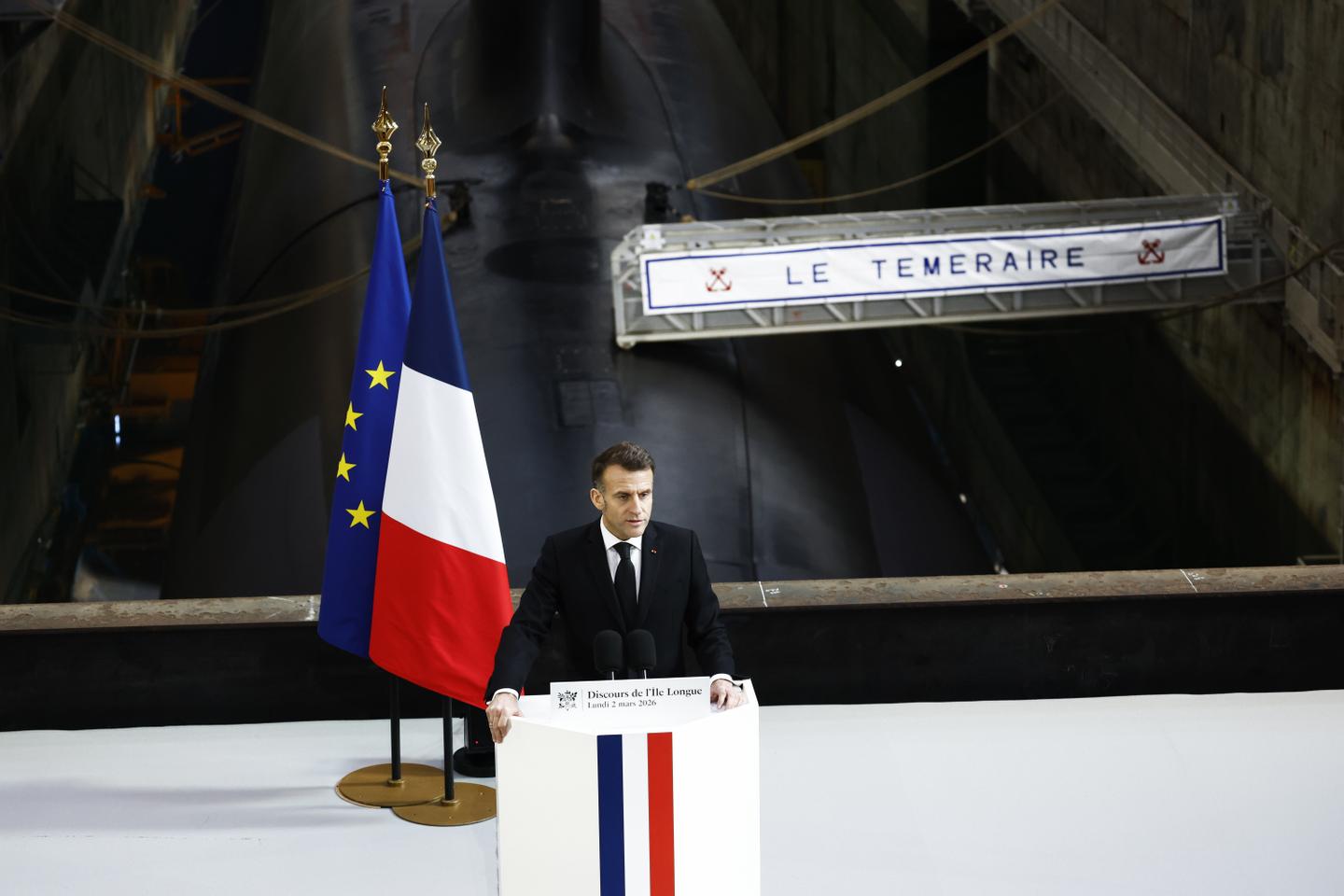
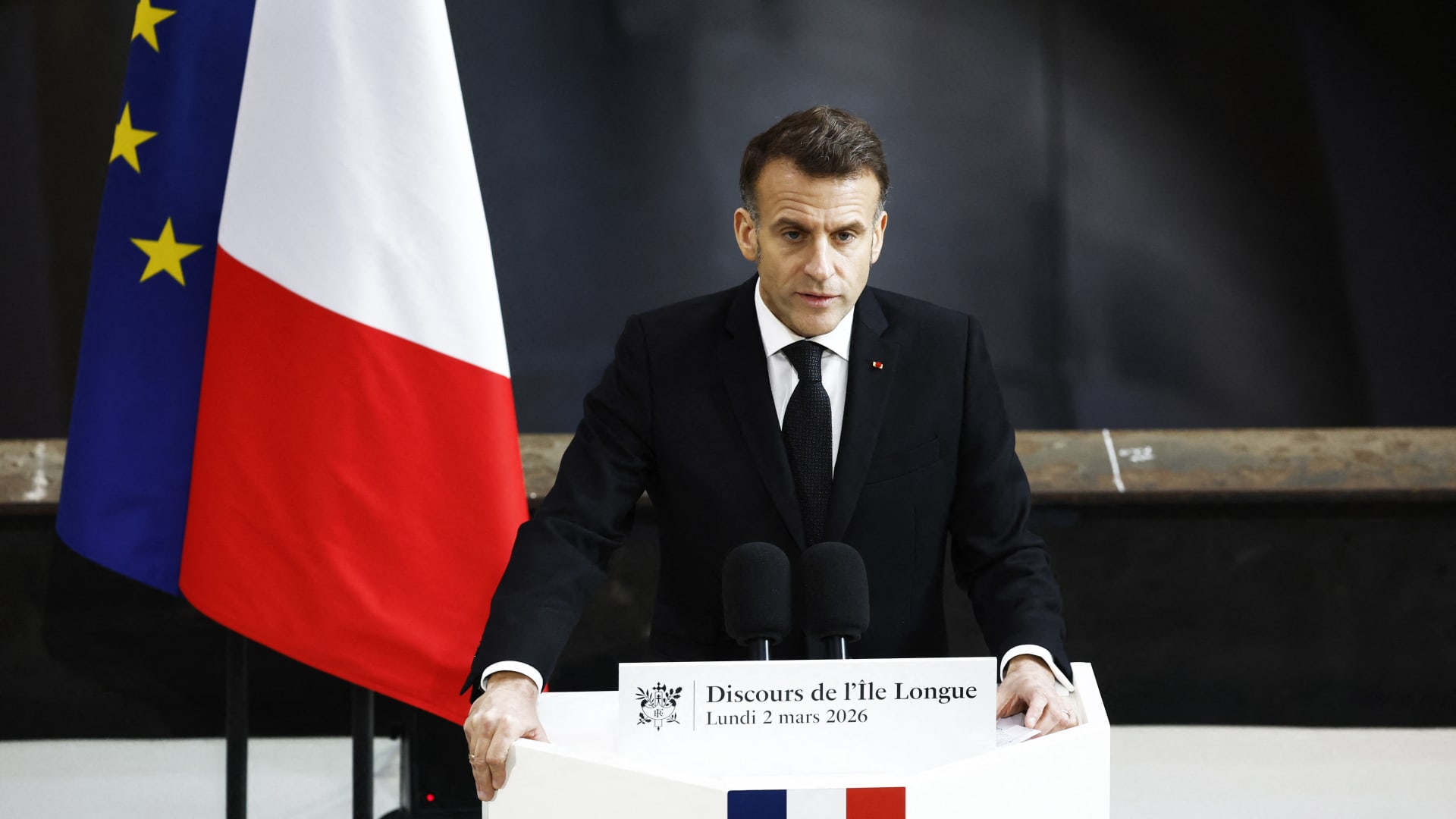
With the eyes of the world fixed on the Middle East, the recent announcement by President Emmanuel Macron, made with much pomp and circumstance, of his government’s decision to strengthen French, and European, deterrence capabilities by expanding its nuclear posture received far less attention than it deserved.
Macron declared that France would not only modernize but also increase its nuclear capabilities, and would be willing to deploy nuclear-armed fighter jets to other parts of the continent. For all intents and purposes, France is assuming the mantle of providing a nuclear umbrella for Europeans, taking a calculated risk at one of the most volatile moments since the end of the Cold War.
Since at least the 1980s, the general trajectory among the nuclear powers has been toward the reduction of nuclear stockpiles and the modernization of existing arsenals, rather than expansion. The notable exception to this in recent years has been China, which has been increasing its stockpile of nuclear warheads by about 100 devices a year, faster than any other country, bringing its total number of warheads to an estimated 600 or more.
However, Russia and the US still possess the overwhelming majority of the world’s nuclear weapons. According to the Stockholm International Peace Research Institute, the US has about 5,277 warheads, while Russia possesses approximately 5,459. By comparison, France has a much smaller arsenal of about 290 warheads, while the UK has about 225 — modest numbers in comparison but still representing a formidable nuclear capability.