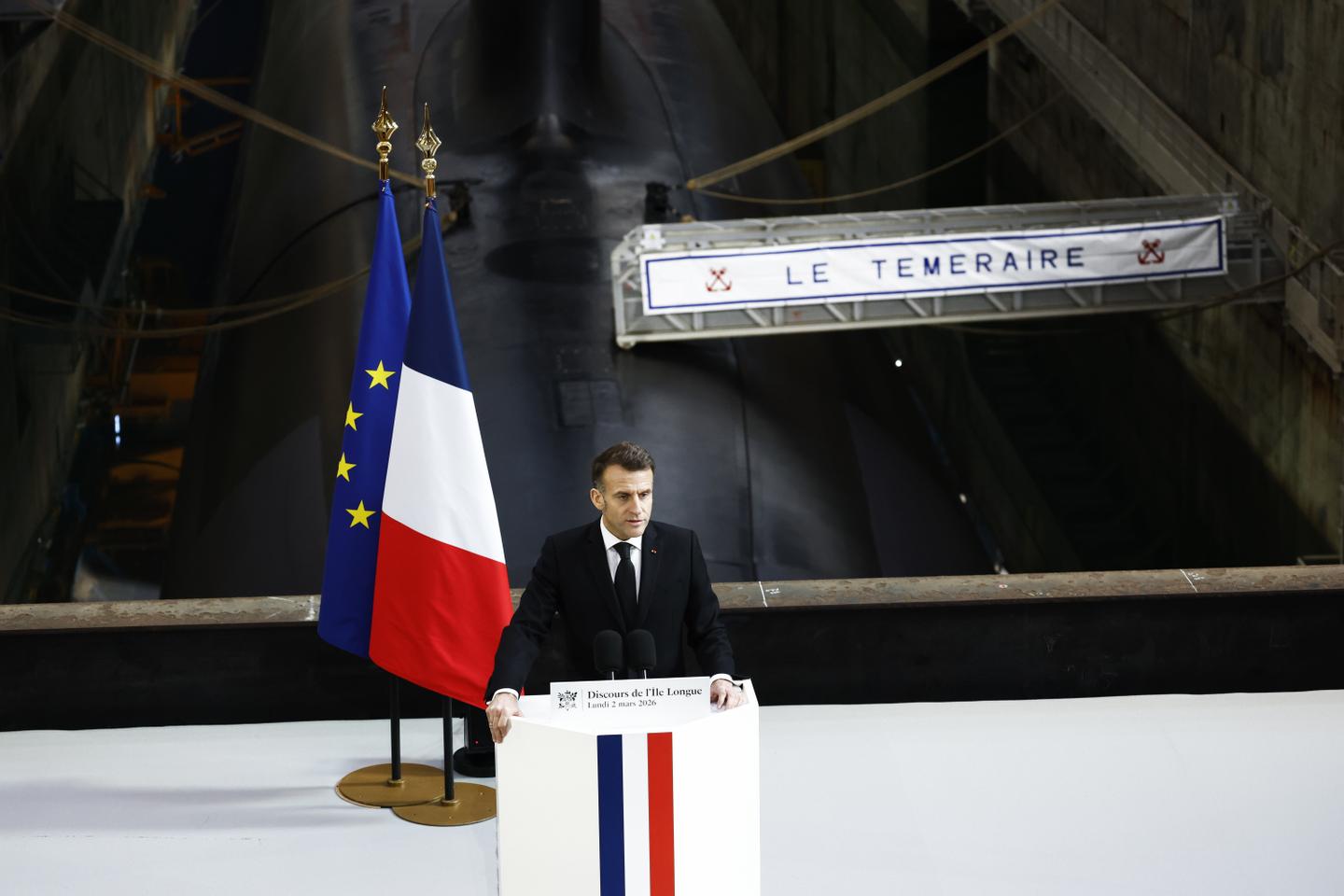
On March 2, two days after Israel and the U.S. attacked Iran, triggering a war in West Asia, French President Emmanuel Macron announced the expansion of France’s nuclear arsenal. While the two events are not directly related, the two are part of the same phenomenon: in today’s world, marked by conflicts and weakening of international law, nuclear weapons look more attractive than ever as a means of deterrence. Yet, there is an underlying double standard in how different countries are treated under the global nuclear order.
In June 2025, Israel launched massive attacks on the heart of Iran’s nuclear and military structure, killing key officers and scientists, claiming it to be a necessary step before its adversary got any closer to building an atomic weapon. Iran has always maintained that its nuclear programme is for peaceful purposes.
Several of Iran’s top political, spiritual, military leaders and scientists were targeted by Israel, both in the June 2025 conflict and the ongoing war. Yet, Israel, which possesses nuclear weapons, faces no inspections, sanctions or international pressure. While countries like Iran, which are considered to be adversaries of the West, face sanctions and attacks despite signing nuclear treaties, allies such as Israel are well protected despite not being a party to the Nuclear Non-Proliferation Treaty (NPT) and not accepting IAEA safeguards on its principle nuclear activities.