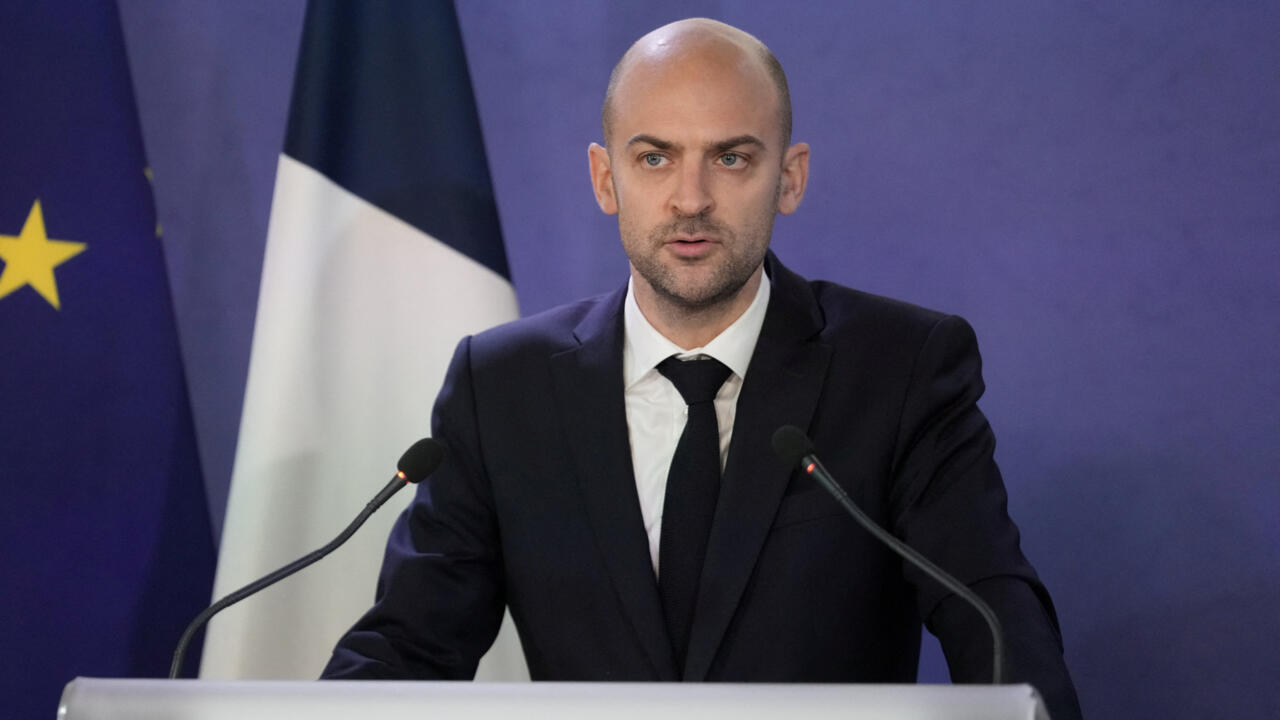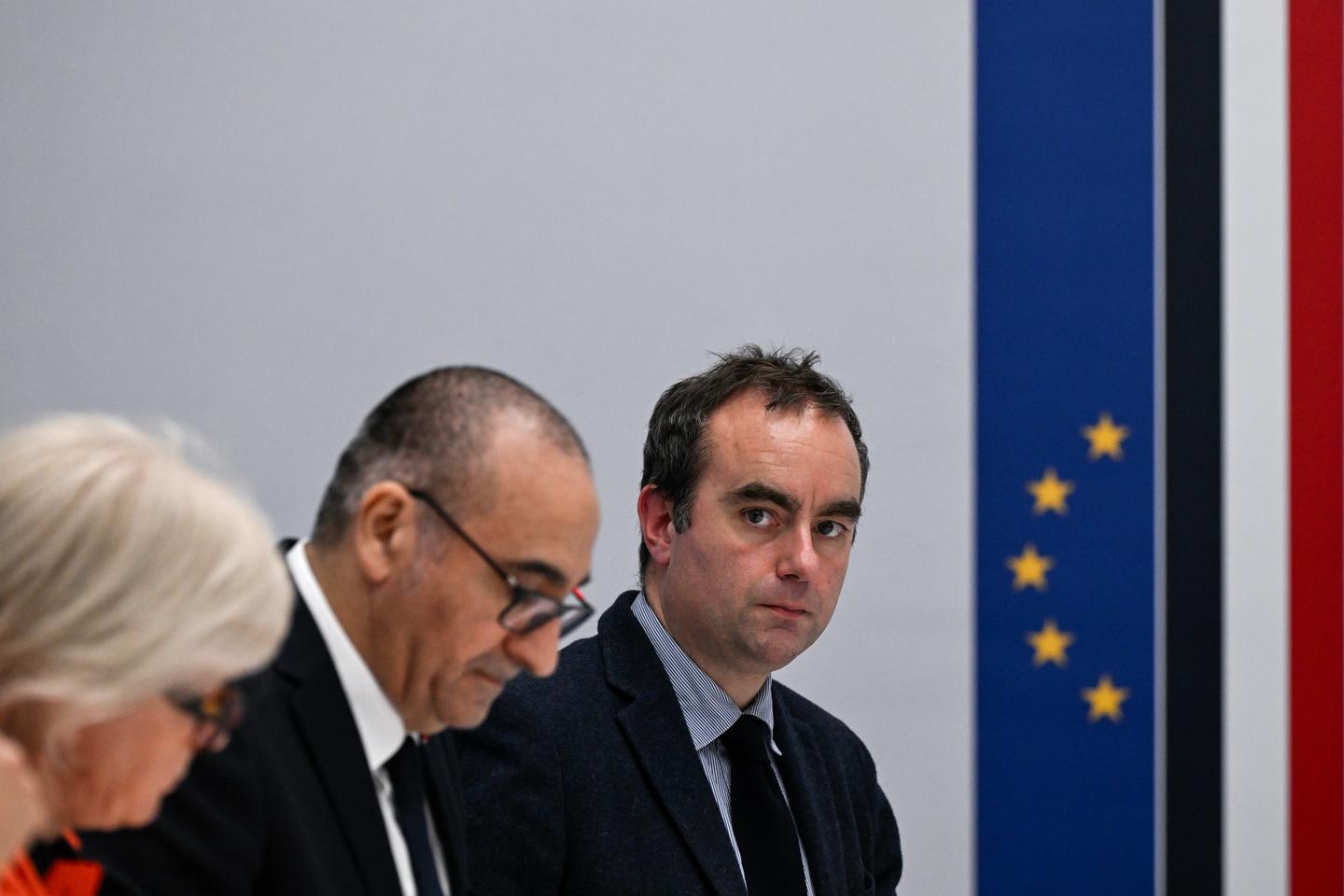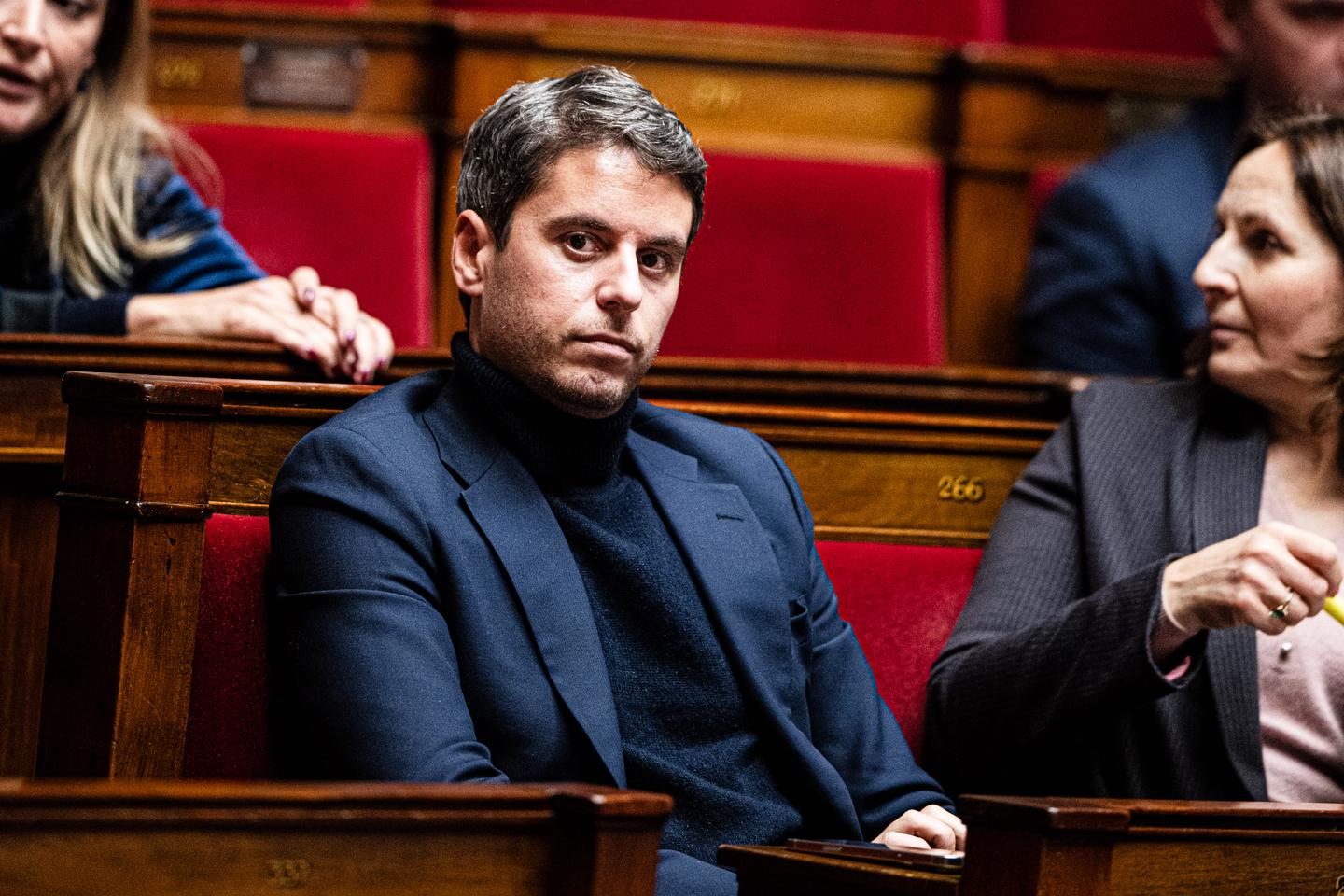
Gabriel Attal, secretary general of Renaissance, at the Assemblée Nationale in Paris, February 17, 2026. JULIEN MUGUET FOR LE MONDE
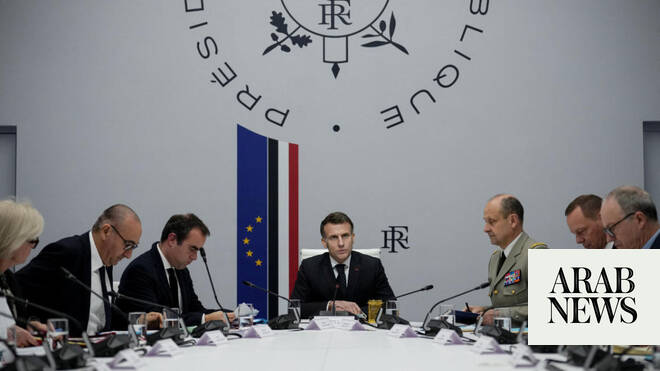
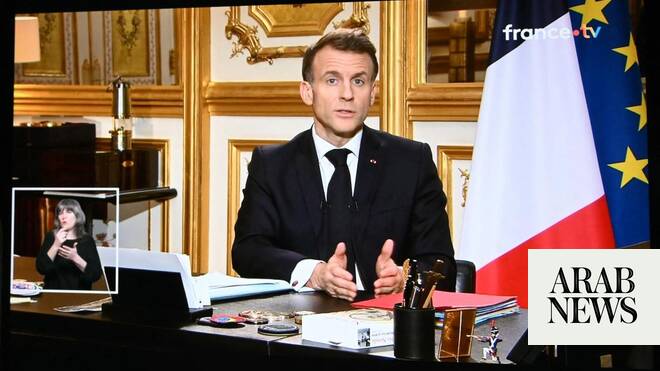
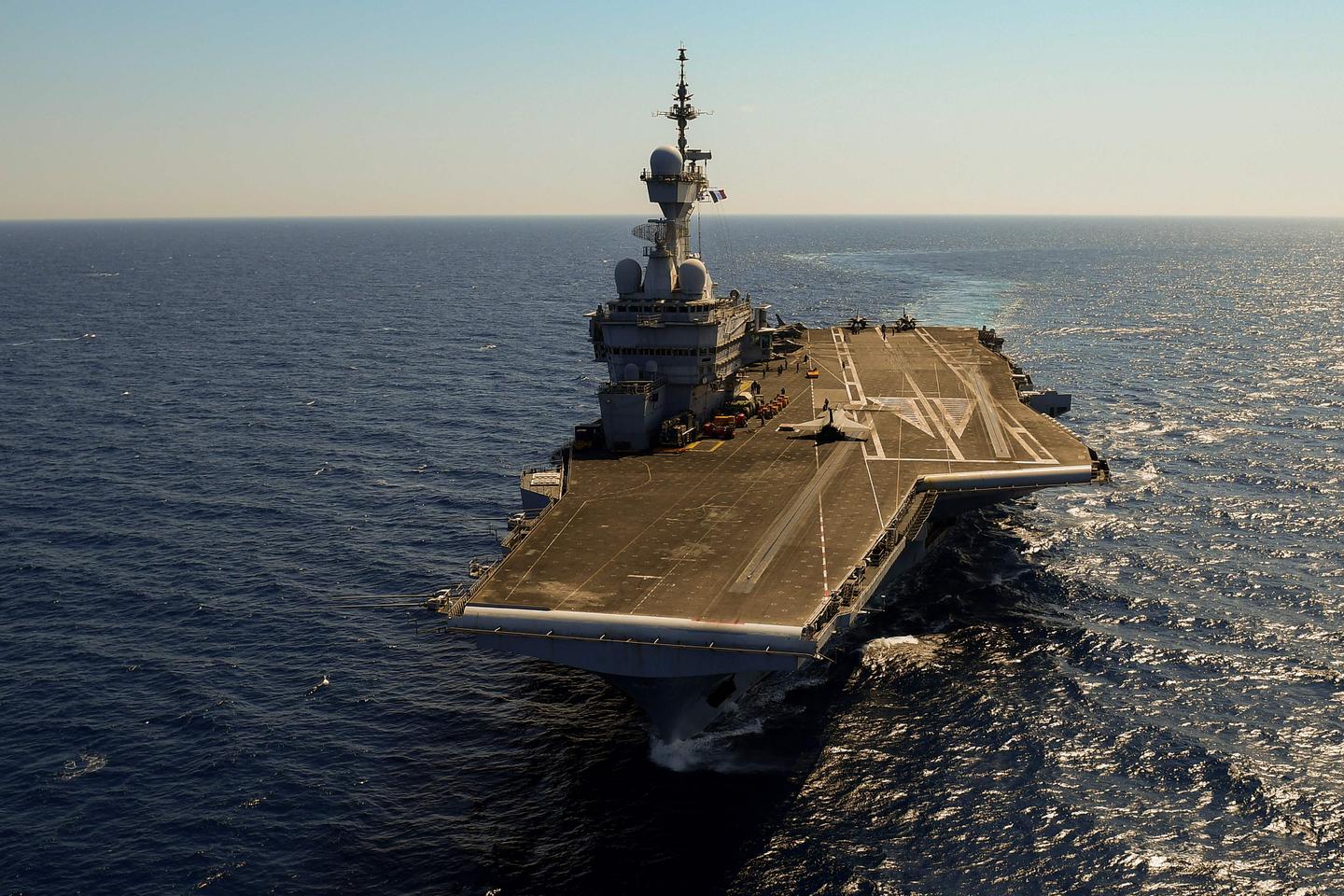
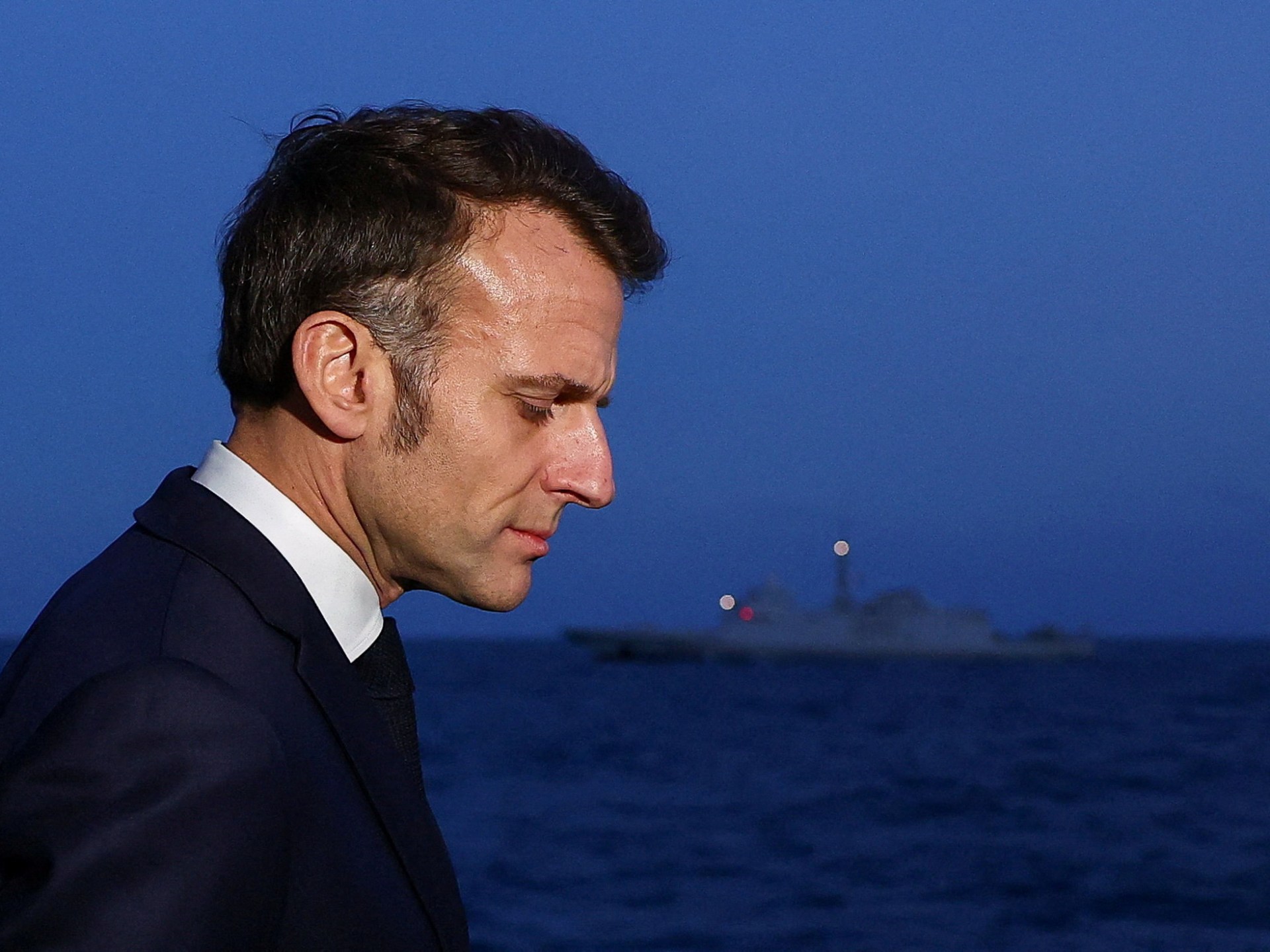
At the Elysée Palace, the seriousness of a crisis is often measured by how many defense councils French President Emmanuel Macron convenes. In just 72 hours, the joint Israeli-US attack on Iran on Saturday, February 28, had already prompted three classified defense meetings. The most recent took place on the evening of Monday, March 2, hours after Macron's highly anticipated address on France's nuclear deterrence doctrine. "The ongoing war in the Near and Middle East (…) brings and will bring instability and the risk of flare-ups at our borders," the French president warned during his visit to the Ile Longue naval base in western Brest, promising to revisit the subject in the "coming days."
Subscribers only
France's nuclear deterrence takes major step toward Europe
The fear of a wider conflict in the Middle East following the assassination of Iran's Supreme Leader Ali Khamenei has upended French political debate, just two weeks before the first round of the municipal elections on March 15 and 22. Far-right Rassemblement National President Jordan Bardella called on Macron on Sunday to gather all the leaders of all parties represented in Parliament "to clarify France's role," as well as "the security, geopolitical, economic and energy stakes" in the war in Iran.